
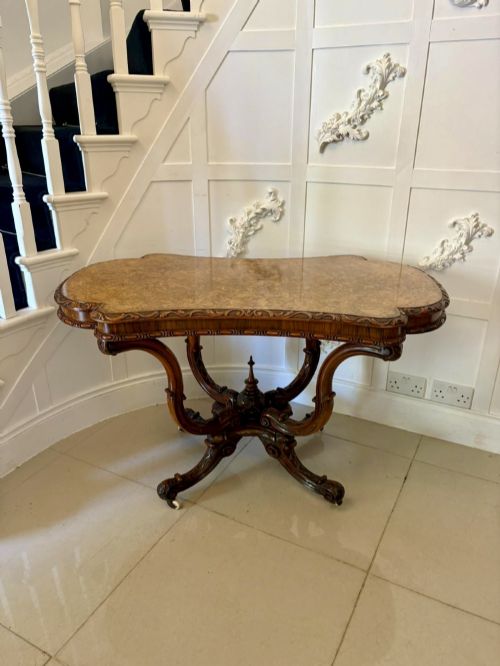
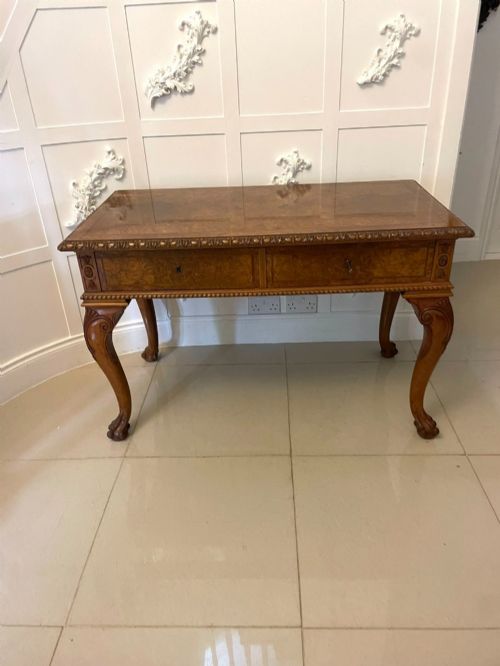
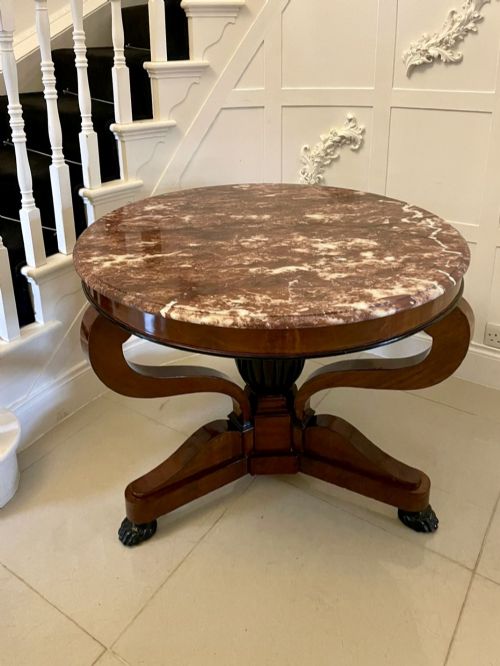
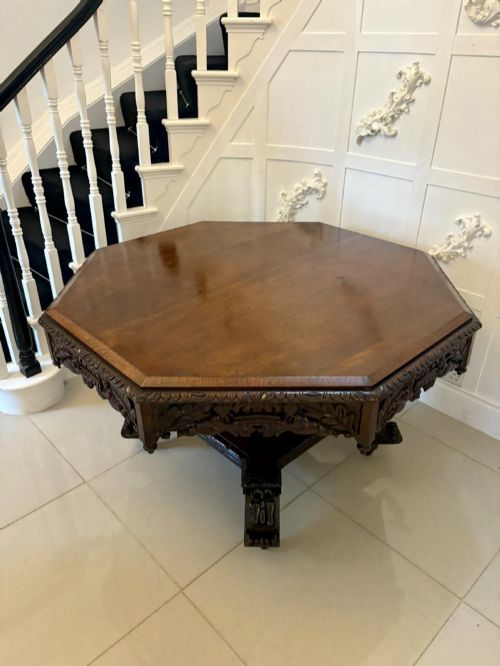
Victorian Foyer Table
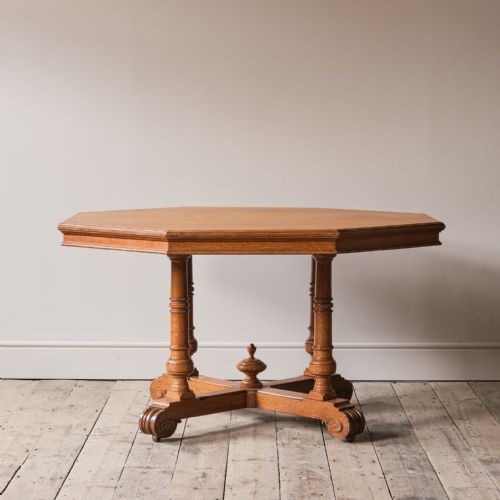
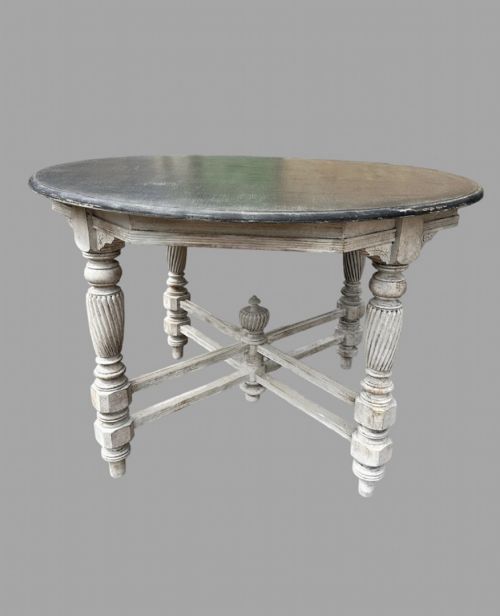
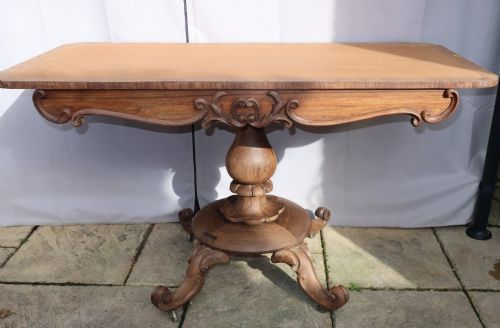
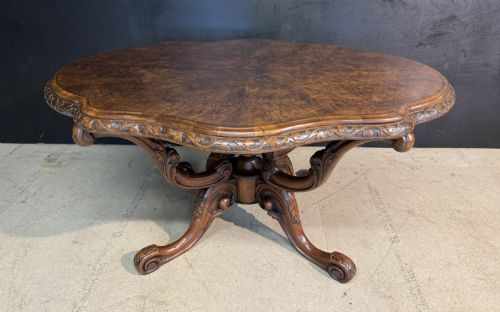
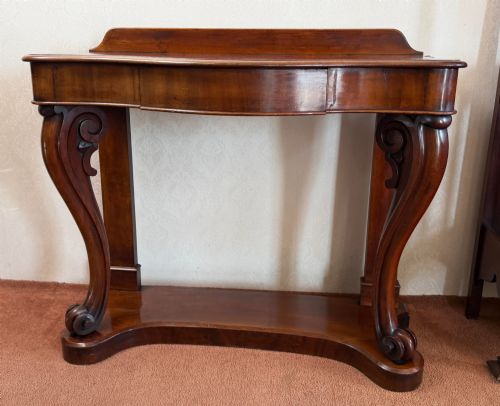
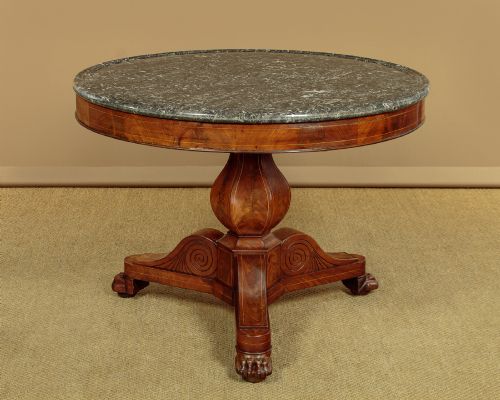
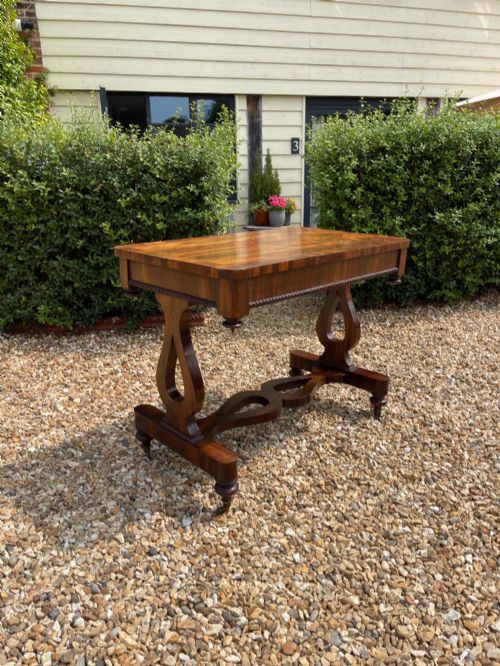
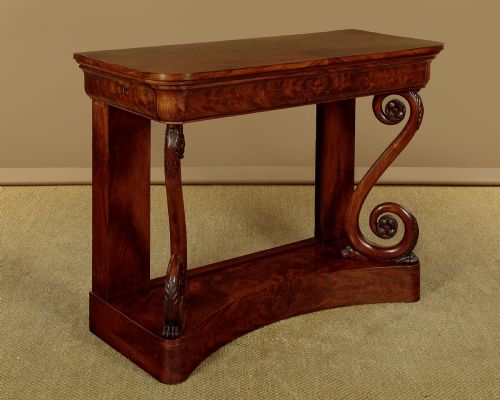
A victorian foyer table greets visitors in an entrance hall, providing a solid surface for correspondence and a decorative centrepiece for the room.
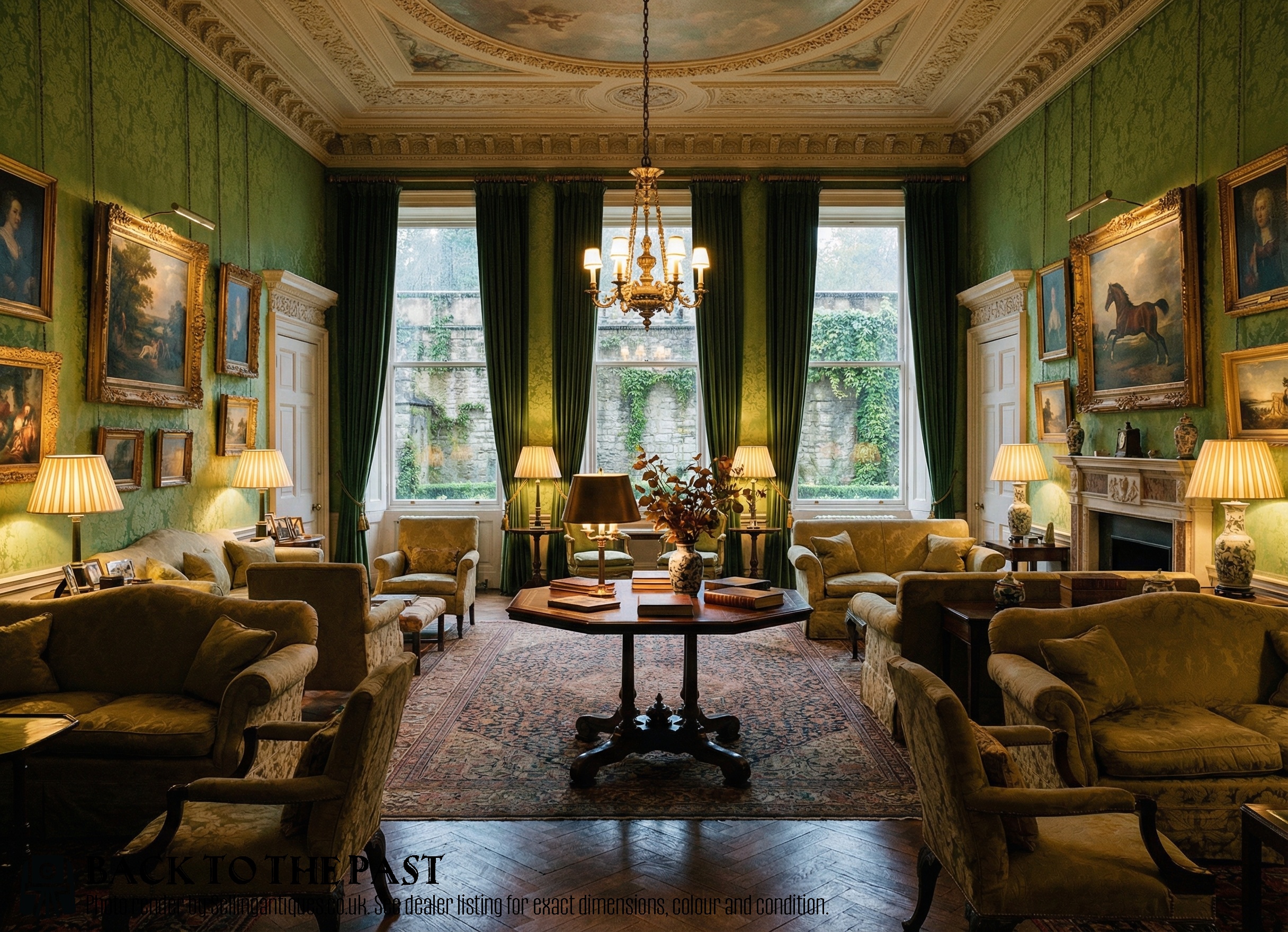
Materials and Technique
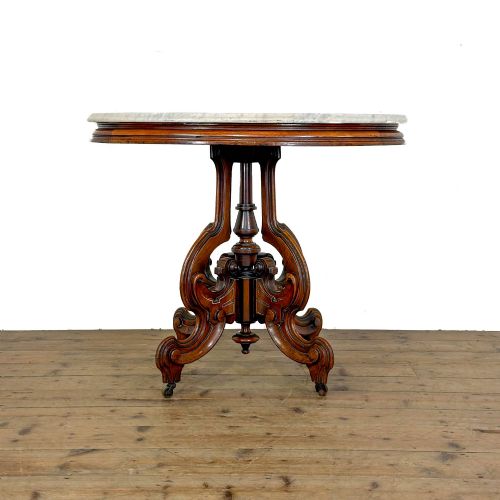
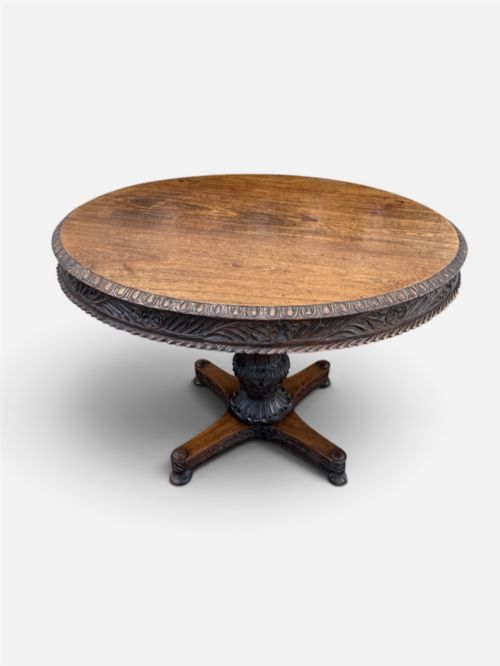
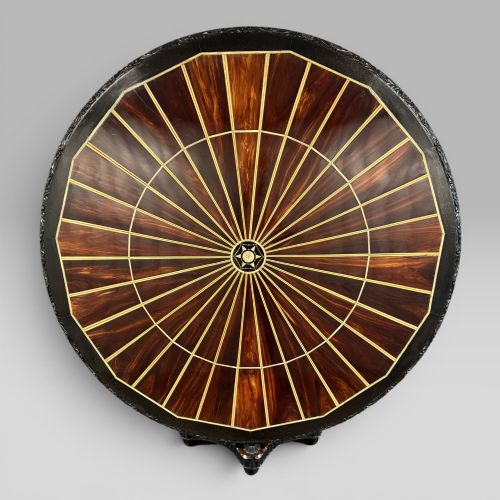
Cabinet makers constructed these tables from dense timbers such as mahogany, walnut, burr walnut, oak, and rosewood, alongside exotic woods like padauk, ebony, and calamander. Surfaces frequently incorporated marble tops or intricate marquetry inlay using specimen woods.
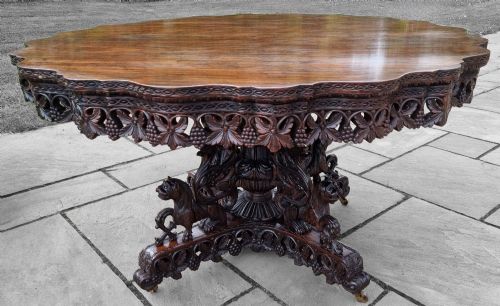
Construction techniques involved hand carving, pedestal bases, and tilt-top mechanisms, executed to ensure stability for freestanding placement in high-traffic hallways.
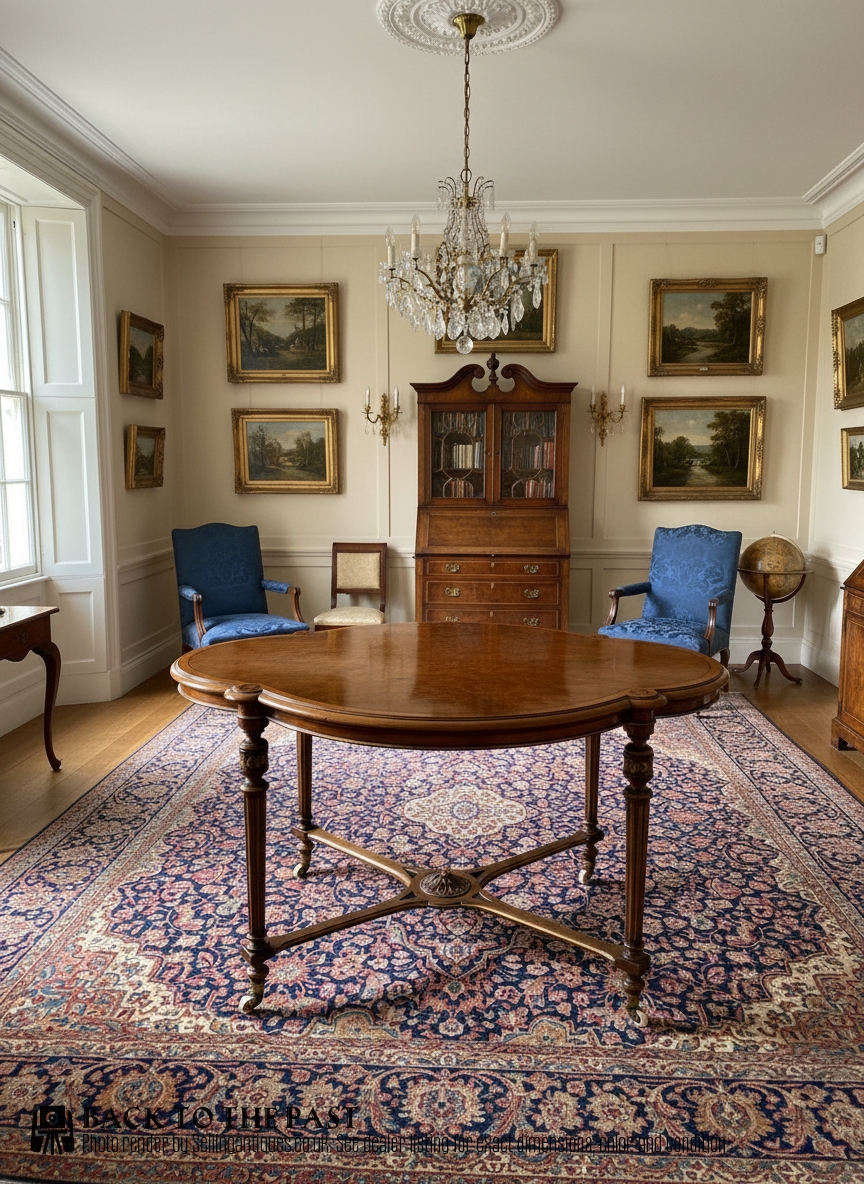
Judging Quality
Quality rests upon the selection of timber figures, such as burr walnut or figured mahogany, and the precision of marquetry inlay. Secondary elements like marble inserts and hand-carved pedestal details elevate an example above standard production.
The sophistication of regional or colonial workmanship, from Anglo-Indian Ceylonese workshops to Irish Killarney production, distinguishes exceptional craftsmanship from simpler provincial builds.
Victorian Foyer Table Retail Price Guide 2026
Typical asking prices for victorian foyer table among the pieces listed under this phrase on Sellingantiques today, from the lower quarter to the upper quarter. They describe what is for sale here now, not the wider market.
Holmes Baldock·Egan Workshop
The Victorian Foyer Table Glossary
- Centre table
- A freestanding table designed to be viewed from all sides, placed in the middle of a room or grand hallway.
- Console table
- A table fixed to a wall or supported by front legs, traditionally positioned beneath a mirror or in a narrow hallway.
- Marquetry inlay
- Decorative patterns formed by fitting contrasting veneers into a prepared wooden surface.
- Gueridon
- A small decorative round table supported by a central column or figures.
Victorian Foyer Table: Frequently Asked Questions
What is a victorian foyer table used for?
These pieces function as decorative anchor points in entrance halls, offering a flat surface for lamps, calling cards, or seasonal arrangements.
Their substantial construction makes them suitable for daily domestic use in busy thoroughfares of the home.
How do I identify the wood used?
Close inspection of grain patterns reveals species like the swirling figure of burr walnut or the straight reddish grain of mahogany.
Exotic pieces may display the dark tones of ebony or the variegated grain of calamander wood.
Can I place hot items on marble tops?
Marble provides a durable, cool surface that resists everyday wear and minor heat exposure during greeting visitors.
Care should still be taken with acidic liquids that can etch polished stone surfaces over time.
Where should a centre table be placed?
Freestanding centre tables require clearance on all sides to appreciate their joinery and pedestal or leg arrangement.
They sit comfortably in large square hallways where traffic flows evenly around the perimeter.