

Victorian Four Drawer
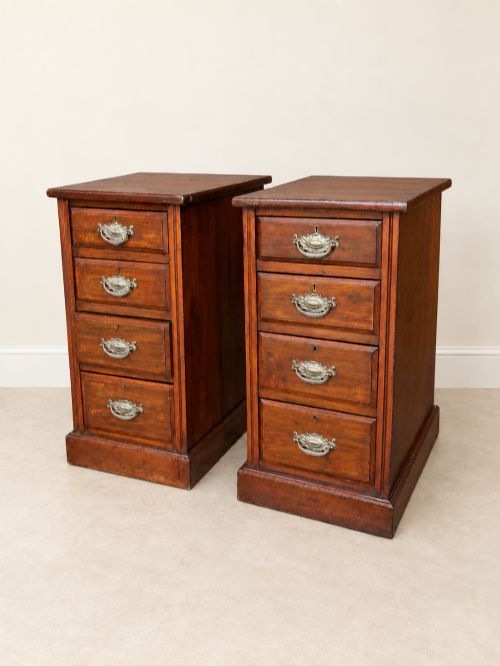
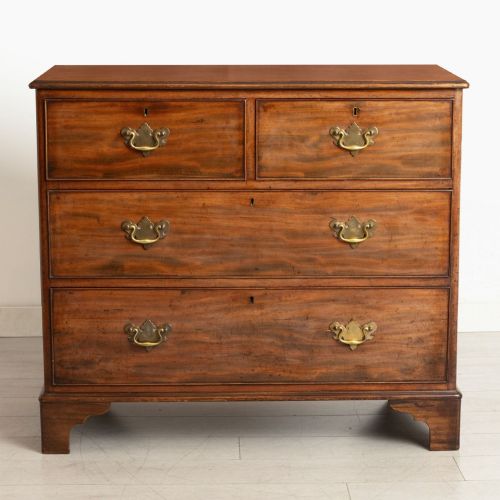
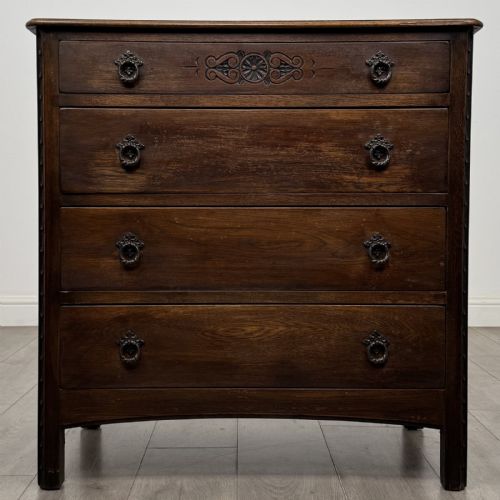
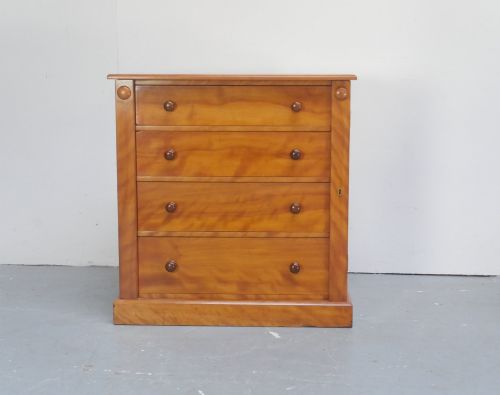
These robust victorian four drawer pieces range from tall bedroom chests to compact bedside cabinets built for daily storage.
Victorian Four Drawer
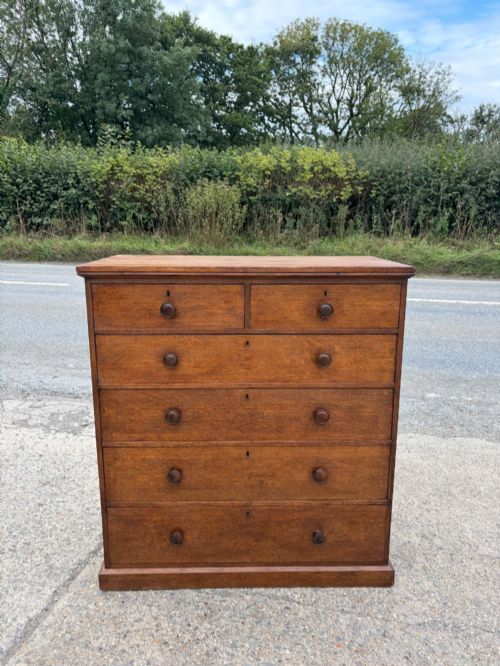
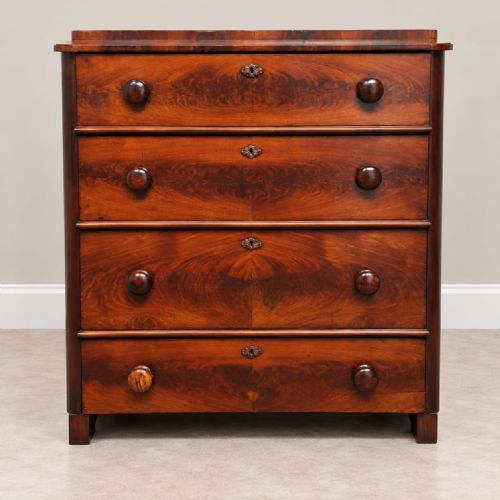
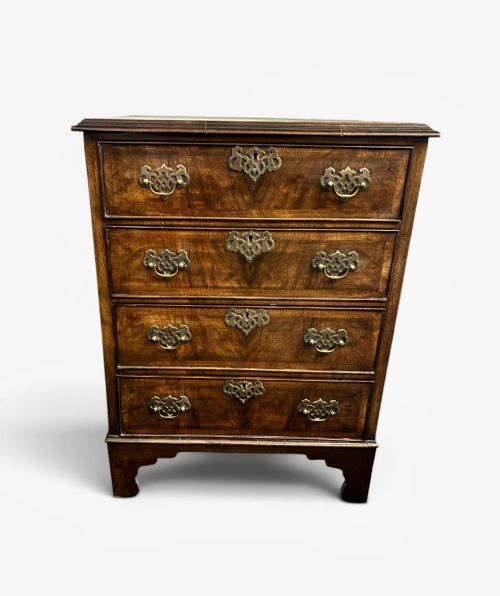
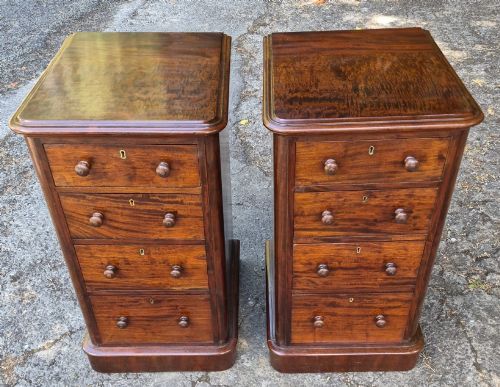
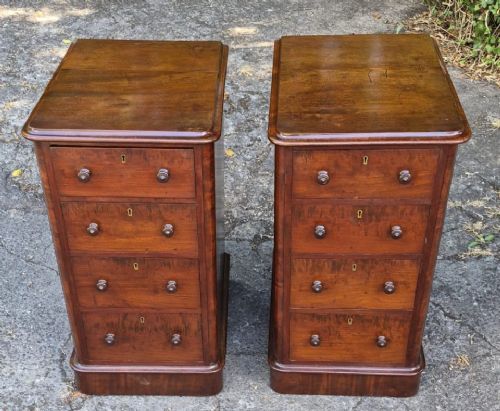
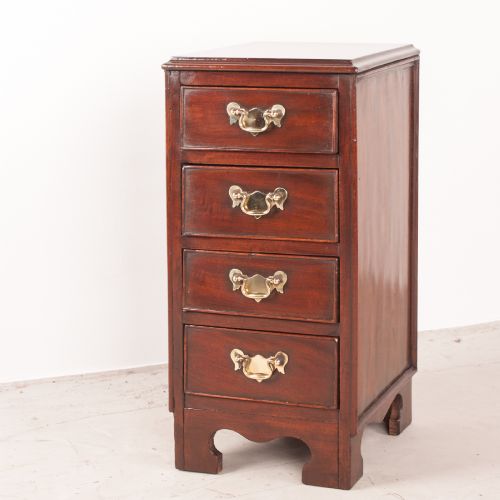
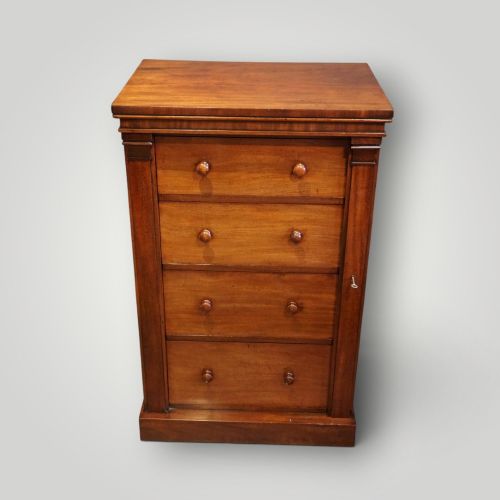
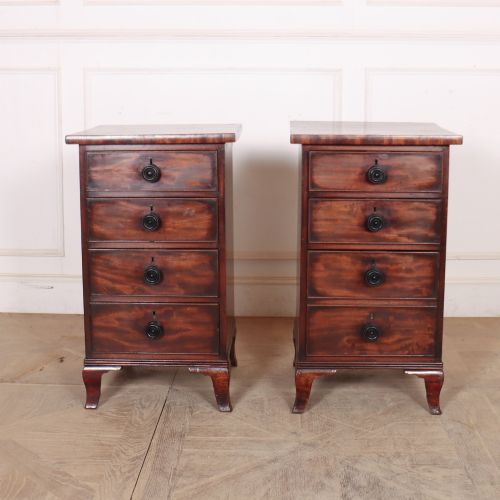
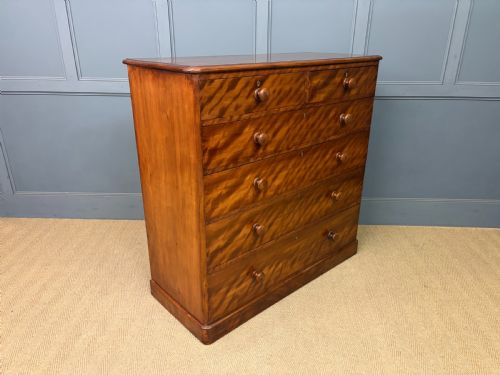
A victorian four drawer search uncovers primarily timber chests of drawers from the nineteenth century alongside smaller bedside cabinets and writing tables. Mahogany and walnut predominate, often featuring four graduated horizontal tiers designed for domestic organisation.
Buyers will encounter both grand mahogany case pieces and smaller bedside lockers intended for domestic sleeping quarters. The form remains strictly utilitarian, relying on proportion and timber grain rather than excessive ornamentation.
How they were made
Cabinetmakers constructed the primary carcases using solid or veneered hardwoods such as mahogany, walnut and burr walnut over secondary softwoods like pine. Drawers utilised hand-cut dovetail joints to withstand regular pulling, while brass or wooden pulls served as hardware.
Surfaces received French polish, wax, or occasionally paint finishes to protect the wood and highlight its natural grain patterns. Regional pieces in pine were frequently painted or waxed, depending on their domestic utility and workshop origin.
The listings feature mahogany, walnut, burr walnut, rosewood, pine, brass and painted finishes spanning the nineteenth century.
What varies in quality
The standard of a victorian four drawer piece rests upon timber selection, notably the choice between plain mahogany and highly figured burr walnut veneers. Superior examples display carefully matched grain patterns across all four drawer fronts and sound internal drawer construction.
Proportion and execution distinguish finer workshop production from simpler country furniture. Crisp mouldings, original brass handles and well-fitted drawers elevate a piece above standard utility items.
Heal And Son·Druce And Co·Edwards And Roberts·James Shoolbred Of London
The Victorian Four Drawer Glossary
- Biedermere
- A Central European style characterised by utilitarian comfort and minimalist neoclassical forms. It emphasises clean lines over heavy ornamentation.
- Burr walnut
- Timber featuring knotty growths that produce complex, swirling grain patterns. Cabinetmakers sliced this wood into thin veneers for decorative drawer fronts.
- Partners writing table
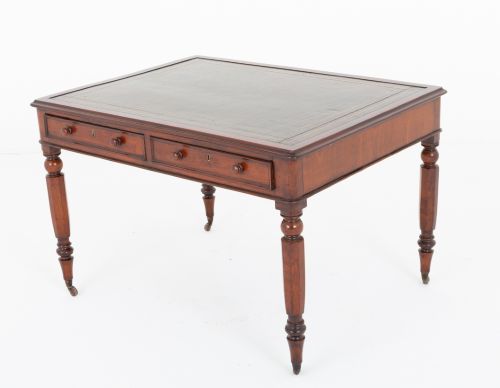
- A large desk designed for two people to work opposite one another, typically featuring drawers on both sides. These incorporate multiple tiers for shared storage.
- Wellington chest
- A tall, narrow chest of drawers secured by a hinged vertical locking sidebar. This design originated in the nineteenth century for efficient security.
Victorian Four Drawer: Frequently Asked Questions
What is a four height chest?
This term describes a chest containing four horizontal rows of drawers stacked vertically. They were standard bedroom storage units throughout the nineteenth century.
Such proportions allowed for ample garment storage while maintaining a manageable height for daily access.
How do I care for polished mahogany?
Maintain polished surfaces by applying natural beeswax sparingly and buffing with a soft cloth. Avoid placing timber furniture near direct heat sources or strong sunlight.
Regular dusting prevents particle buildup that can dull the traditional French polished finish over time.
Where were these pieces used?
Most four drawer chests and bedside cabinets belonged in Victorian bedrooms for linen and clothing storage. Larger variants like partners desks served in studies or libraries.
Smaller apprentice pieces and miniature chests functioned as salesman samples or specialty desk ornaments.
Are painted finishes original?
Certain pieces feature original paintwork, such as Hungarian imports or utilitarian pine furniture meant for domestic service. Many others received later decorative painted finishes during the twentieth century.
Examine the surface wear and underlying timber to determine whether paint dates to the original period of manufacture.