

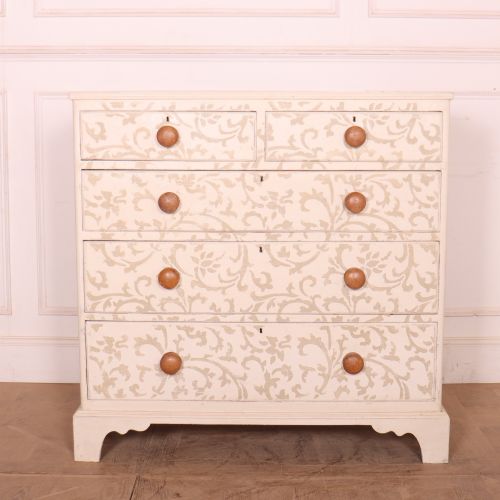


Victorian Folk Art Chest
A victorian folk art chest brings vernacular character to a room through hand-applied paint and utilitarian timber construction.
Victorian Folk Art Chest
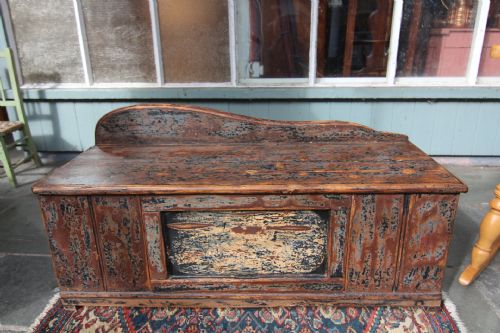
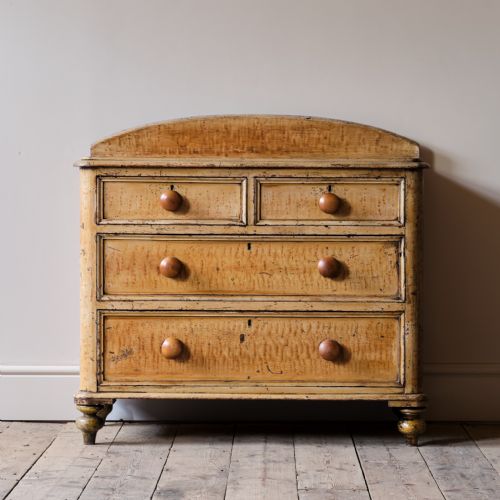
When you search for a victorian folk art chest, you encounter diverse containers ranging from full-scale chests of drawers and blanket boxes to miniature models and document boxes. These pieces emerge from the nineteenth century, carrying the decorative traditions of rural workshops and estate-made furniture.
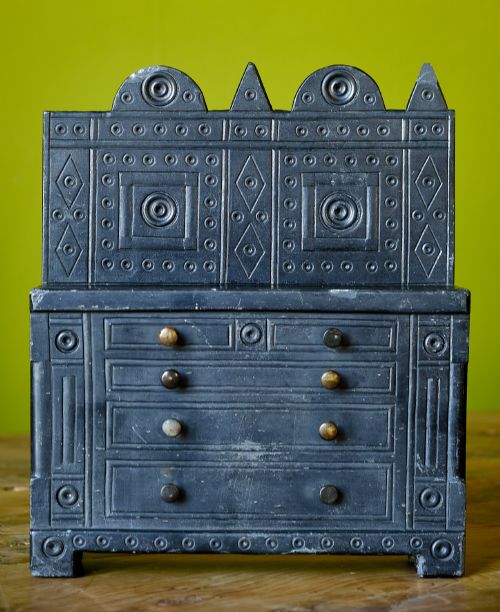
The items you meet on this page lean heavily towards painted pine surfaces, alongside regional variations in carved slate and softwood. Forms include box seats, log boxes, and small table cabinets that reflect the practical domestic storage needs of the period.
Makers often applied decorative schemes that mimicked grander architecture or utilised naive artistic motifs. Whether finished in scumble, polychrome, or original paintwork, each object demonstrates individual character rather than mass-produced uniformity.
How they were made
Makers constructed these storage pieces primarily from pine and softwood, employing straightforward timber joints suited to utilitarian furniture. Iron and brass hardware such as hinges and handles provided functional reinforcement to the wooden bodies.
Surface decoration defined much of the production, utilising paint, scumbling techniques, and carved details. Artisans applied pigment directly to wood or slate, creating patterned finishes that ranged from simple monochromatic coats to elaborate polychrome schemes.
Some nineteenth-century makers decorated humble pine boxes to look like Georgian manor houses, proving ambition transcends scale.
What varies in quality
The survival of original surface finishes dictates the visual strength of these objects. Pieces retaining untouched paint, scumble, or polychrome decoration hold greater historical integrity than those stripped or repainted later.
Construction dexterity separates standard utility items from finer vernacular work, particularly in miniature models and carved slate pieces. The balance of proportion and the deliberate execution of naive decorative motifs reveal the maker's hand.
The Victorian Folk Art Chest Glossary
- Scumble
- A decorative painting technique involving a translucent top layer dragged or combed over a lighter base colour to simulate wood grain or texture. It creates a mottled, aged appearance common on nineteenth-century country furniture.
- Toleware
- Metalware decorated with painted japanning or enamel finishes. This term often describes painted tin or iron boxes found within folk art collections.
- Polychrome
- Multi-coloured decoration applied to an object's surface. In folk art, this involves bright, contrasting pigments used to highlight panels or motifs.
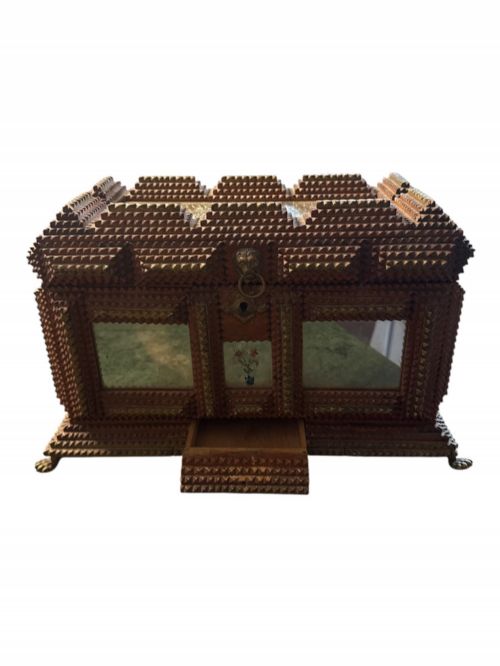
- Tramp art
- A woodworking style where practitioners carved scrap timber, often cigar boxes, into intricate layered geometric patterns using pocket knives. Pieces display distinctive chip-carved textures.
- Veneer
- A thin layer of wood applied to a base material. Though less common in naive folk pieces, it appears in regional variations.
Victorian Folk Art Chest: Frequently Asked Questions
What defines a victorian folk art chest?
These items are nineteenth-century storage containers featuring hand-applied paint, scumble finishes, or naive carved details.
They originate from country workshops and domestic settings, prioritizing individual expression over industrial manufacture.
How were these decorated chests used?
Owners stored documents, linen, garments, and household goods within these boxes and chests.
Smaller models and miniature chests served as decorative ornaments or specialised receptacles on tables and desks.
How do I care for original painted surfaces?
Keep painted and scumbled wooden pieces away from direct sunlight and excessive moisture to prevent flaking.
Dust gently with a dry, soft cloth and avoid chemical cleaning agents that strip historic finishes.
Are miniature chests also folk art?
Miniature chests carved from slate, pine, or softwood represent a specific category of nineteenth-century folk craftsmanship.
Apprentice pieces or domestic tokens, these smaller objects share the decorative finishes of full-scale furniture.