





Victorian Folding Desk
A victorian folding desk brings portable nineteenth-century craftsmanship into a modern study, offering clever mechanisms for writing on the move.
Victorian Folding Desk
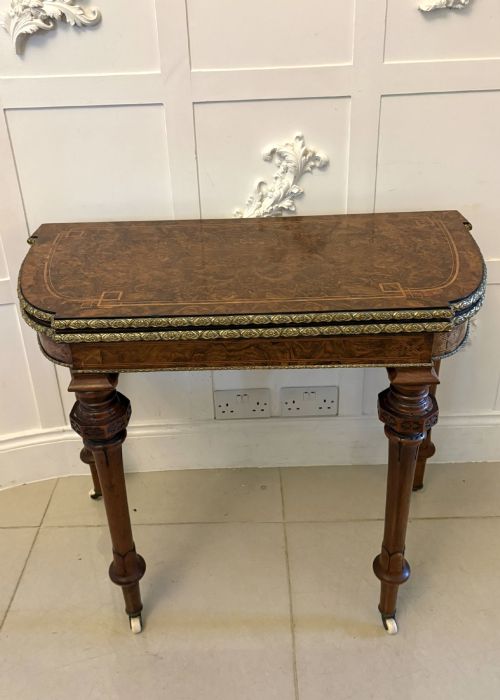
A victorian folding desk encompasses camp furniture, travelling writing slopes and compact writing surfaces designed for mobility during the nineteenth century. These pieces emerge in mahogany, teak and walnut, frequently incorporating folding mechanisms, brass mounts and ingenious compartments to maximise utility in restricted spaces.
The varieties met on this page range from campaign desks and writing compendiums to metamorphic tables and folding pedestals originating from British workshops and colonial postings. Each piece reflects the nineteenth-century demand for portable utility without sacrificing the formal appearance of domestic furniture.
Materials and Construction
Cabinet makers utilised dense hardwoods such as mahogany, teak and walnut, often selecting burr veneers and exotic timbers like coromandel or rosewood for visible surfaces. These timbers resisted the rigours of travel while providing a stable substrate for intricate inlays and polished finishes.
Construction relied on tight joints, brass corner reinforcement and flush-fitting handles designed to withstand constant folding and transit. Internal partitions, secret drawers and sliding mechanisms demonstrate precise joinery intended to keep writing implements secure during movement.
Nineteenth-century travellers packed entire miniature desk setups inside walnut boxes small enough to tuck under a coach arm.
Standards of Execution
The distinction between standard pieces and exceptional examples rests upon the integration of the hardware and the complexity of the folding mechanism. Superior desks display perfectly flush brass hinges, secret release catches and well-figured timber veneers that wrap seamlessly around corners.
Execution of secondary details, such as hand-cut dovetails in internal drawers, original leather writing surfaces and signed patent locks, elevates a piece. Lesser examples rely on simpler joints, replacement fittings and plainer secondary woods with minimal internal compartmentalisation.
The Victorian Folding Desk Glossary
- Campaign desk
- A portable writing cabinet built in sections or with folding elements for military officers or travellers. These pieces feature recessed brass hardware to prevent snagging during transport.
- Writing slope
- A desktop box with an angled writing surface that lifts to reveal storage compartments for paper and ink. They often fold flat into a compact box shape.
- Metamorphic furniture
- Pieces designed to transform from one form of furniture into another, such as a table converting into a desk. They showcase ingenious nineteenth-century mechanical innovation.
- Inlay
- The technique of inserting contrasting pieces of wood, metal or stone into a recess to form decorative patterns. Burr walnut and brass stringing are common applications in this category.
Victorian Folding Desk: Frequently Asked Questions
How were folding desks used in the nineteenth century?
Travellers, military officers and officials used these compact desks to maintain correspondence while away from permanent writing furniture. The folding design allowed writing materials and documents to travel securely inside a single locked box.
Upon arrival at a destination, the desk opened to provide a stable writing slope and organised storage for stationery, inkwells and personal papers.
What woods appear most often on these desks?
Mahogany and walnut form the basis for the majority of nineteenth-century folding writing furniture. These hardwoods provided the necessary structural strength and stability for items subjected to frequent movement.
More decorative examples incorporate burr walnut veneers, teak, rosewood or coromandel to enhance the visual appeal of the exterior surfaces.
Where should I place a folding desk in a modern home?
These compact pieces function well as occasional writing surfaces in studies, living rooms or hallways where floor space is limited. Their folding capabilities allow them to be closed when not in use, concealing papers and writing equipment.
Positioning them away from direct sunlight and heat sources protects the polished timber and delicate veneer work from drying out.