



Victorian Fluting Iron
These Victorian fluting iron examples are heavy metal garden ornaments and fireside items designed to lend presence to domestic and outdoor spaces alike.
Victorian Fluting Iron
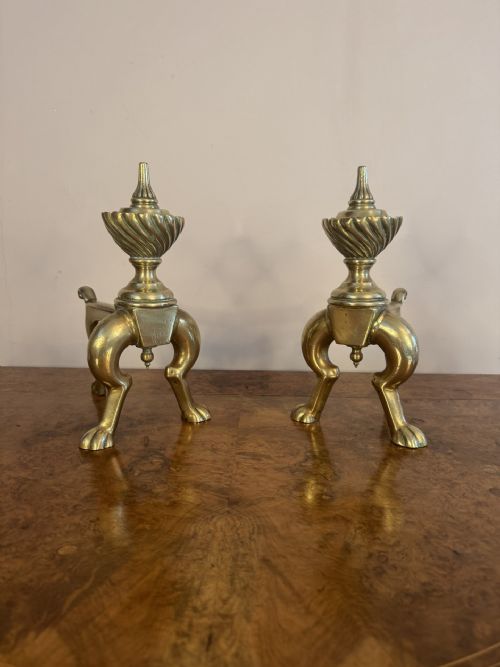
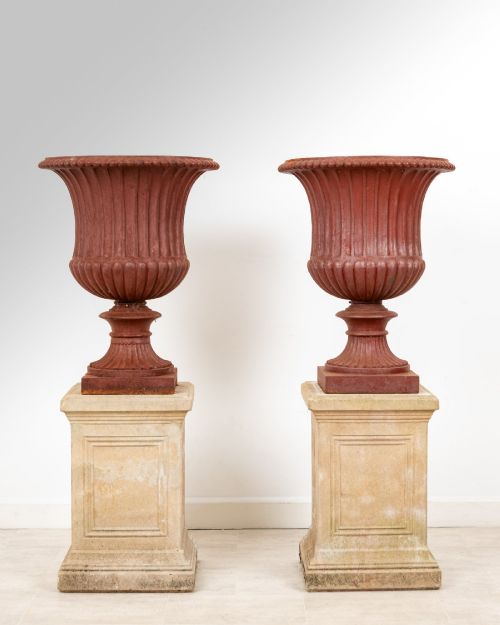
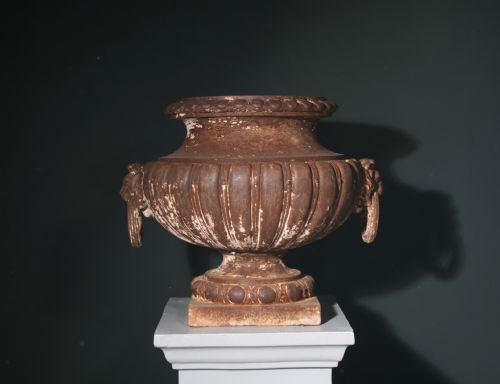
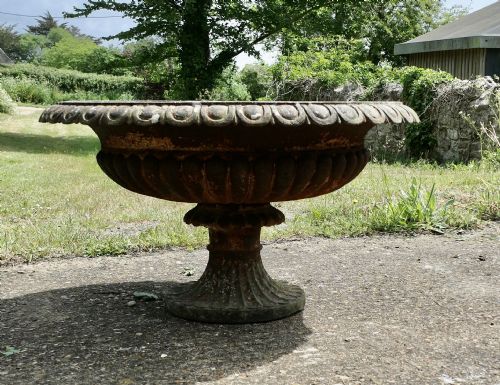
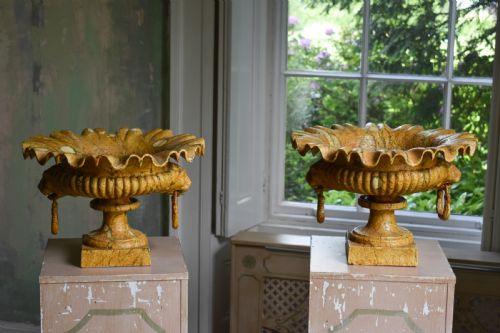
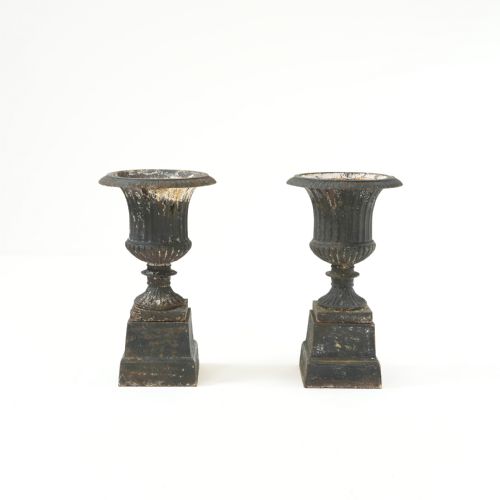
When searching for a Victorian fluting iron, collectors encounter a diverse selection of nineteenth century metalwork ranging from substantial garden urns and planters to brass fire dogs and fireplace tools. The predominant forms on this page comprise cast iron campana urns, garden jardinieres, and stone pedestals that originate from the nineteenth century and the Victorian period.
The objects span varied aesthetic influences, incorporating Victorian, Neoclassical, and French Classical designs alongside Japanese Imari porcelain items. Buyers will also discover pairs of fire irons and decorative bowls that reflect the domestic and garden utility of the era.
Defining factors of quality
Quality rests upon the crispness of the cast iron detail and the proportional harmony of the design, distinguishing standard utilitarian foundry output from more ambitious decorative pieces. Superior examples exhibit well-defined relief work on campana bodies and robust structural integrity across columns and plinths.
The retention of original paint surfaces and the presence of matching stone pedestals add considerable distinction to garden urns and planters. Brass fire irons and fire dogs demonstrate excellence through solid gauge metal and refined decorative turning.
Victorian Fluting Iron Retail Price Guide 2026
Typical asking prices for victorian fluting iron among the pieces listed under this phrase on Sellingantiques today, from the lower quarter to the upper quarter. They describe what is for sale here now, not the wider market.
Val D Osne Foundry·Andrew Handyside
The Victorian Fluting Iron Glossary
- Campana urn
- A bell-shaped garden vessel with an everted rim, widely produced in cast iron during the nineteenth century for classical landscape decoration.
- Fire dogs
- Andirons used in pairs to support logs in an open fireplace, frequently cast in brass or iron during the Victorian era.
- Jardiniere
- An ornamental pot or stand designed to hold large plants or floral arrangements, often executed in heavy cast iron for garden use.
- Imari
- A style of Japanese porcelain decorated in underglaze blue, iron red, and gilt, appearing in nineteenth century decorative vessels.
- Plinth
- A heavy stone or metal base block that elevates garden urns and planters above ground level.
Victorian Fluting Iron: Frequently Asked Questions
What periods do these pieces represent?
The inventory spans the nineteenth century, with a strong concentration of pieces attributed to the Victorian era and the surrounding decades.
Items also reach into the Regency period and the early twentieth century, showing sustained nineteenth century aesthetic traditions.
Where were these metal objects placed?
Garden urns and planters suited formal lawns, terraces, and garden paths, frequently mounted on stone pedestals or plinths.
Fireside accessories like brass fire dogs and iron tools served interior hearths in nineteenth century domestic rooms.
How do cast iron urns differ?
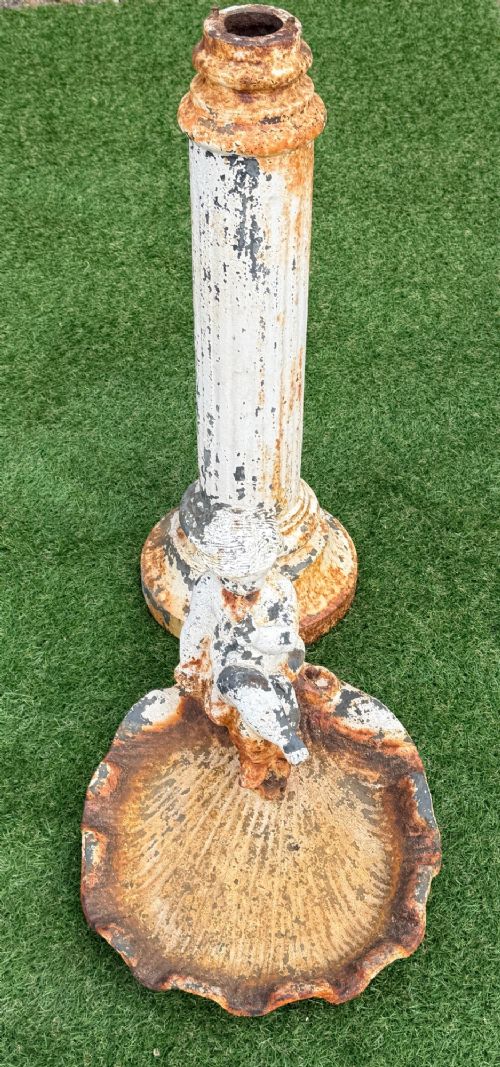
Cast iron urns vary from standard campana profiles to shell-formed bird baths featuring figural elements and column supports.
Some examples scale up to large garden jardiniere proportions designed for prominent outdoor display.
Can these items remain outdoors?
Cast iron and stone materials tolerate exterior placement well when positioned securely on level garden surfaces.
Over time, exposure to weather alters painted and unpainted iron surfaces, developing patinas appropriate to outdoor garden ornaments.