



Victorian Floral Pot
A victorian floral pot brings botanical colour indoors through painted, glazed or moulded flora.
Victorian Floral Pot
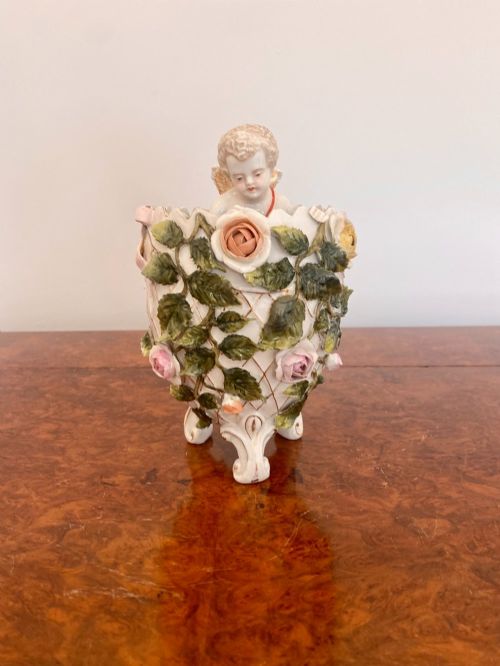
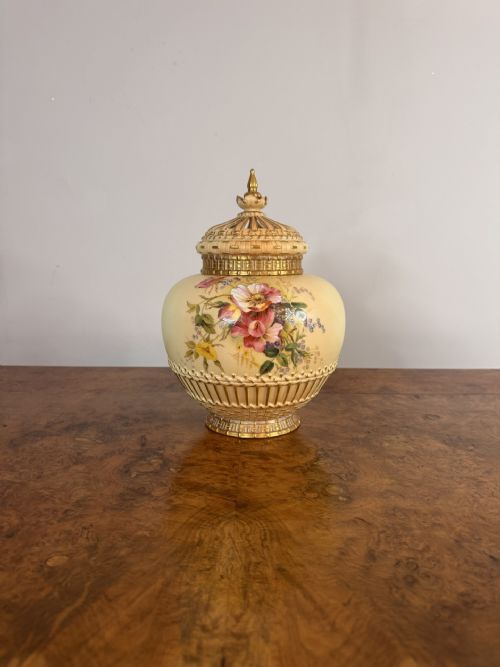
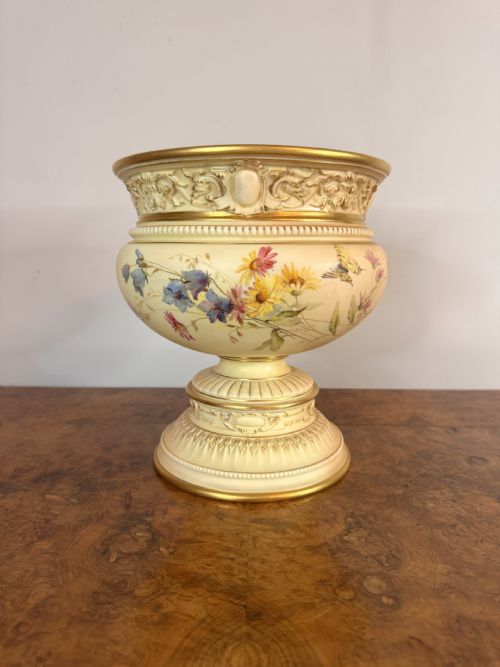
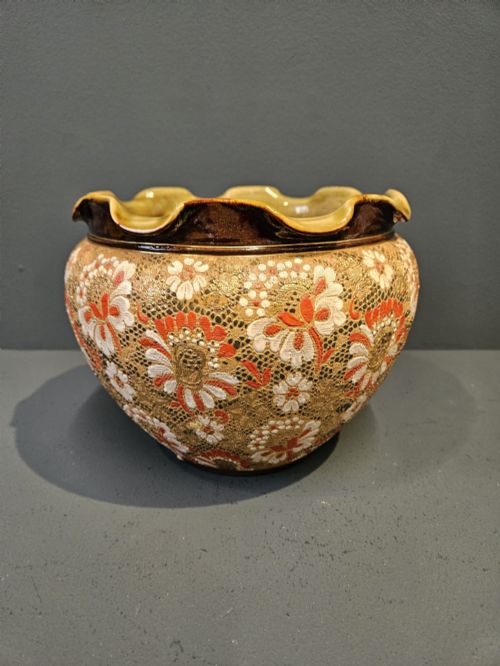
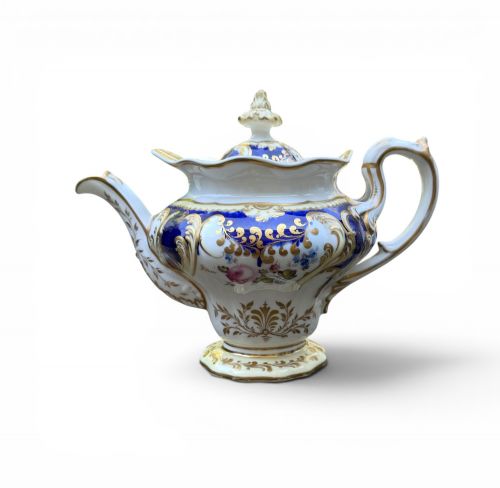
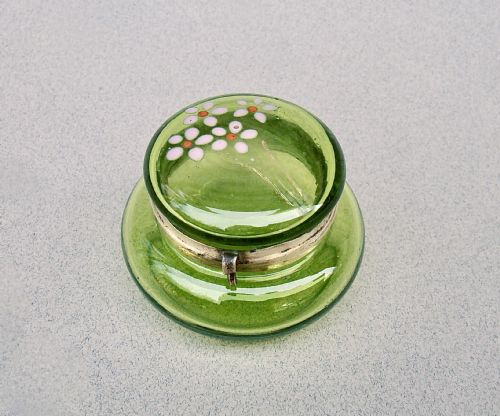
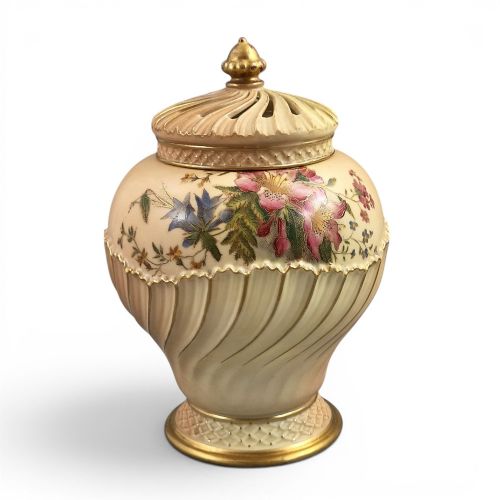
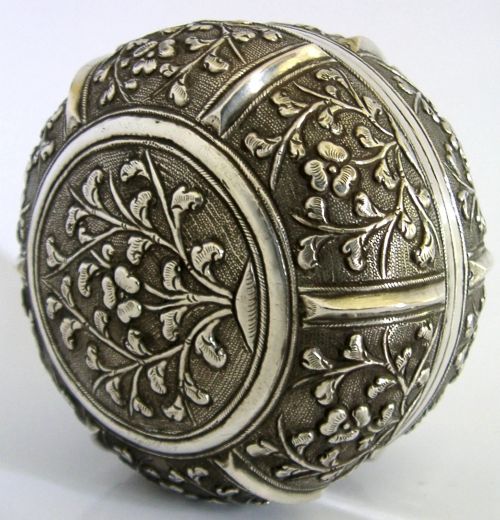
A victorian floral pot encompasses jardiniere planters, pot-pourri jars and decorative vessels shaped for domestic greenery and fragrance. The selection on this page leans toward ceramic and porcelain jardinieres alongside glass and silver containers bearing floral motifs.
Makers and potteries from the nineteenth century produced these pieces in forms ranging from large pedestal stands to small dressing table jars. Examples extend across English earthenware, continental porcelain and Japanese export bronze.
The periods represented stretch from the mid-nineteenth century through the Edwardian years, capturing shifts in domestic taste from rococo revival curves to art nouveau botanical lines.
Materials and construction
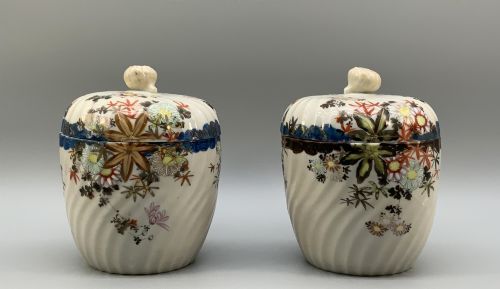
Pottery and porcelain bodies form the structural core of most pieces, finished with coloured glazes, majolica enamels or hand-painted botanical sprays. Makers utilised techniques such as transfer printing and slip moulding alongside delicate hand-gilding.
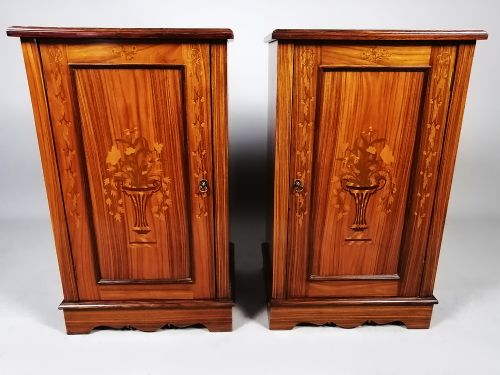
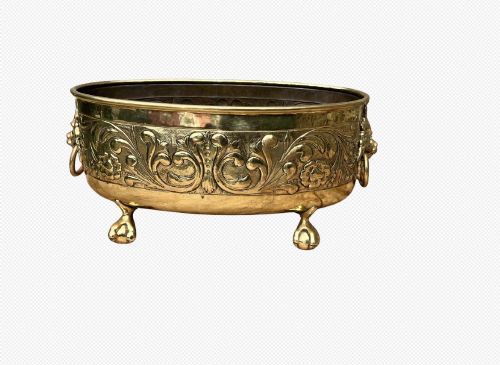
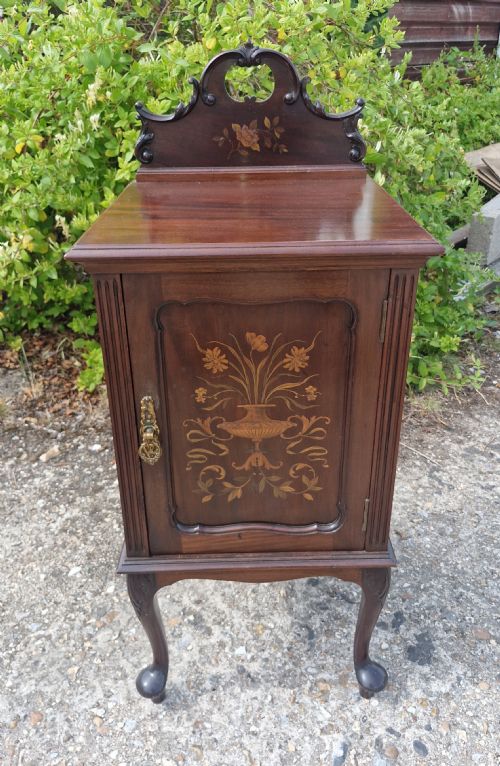
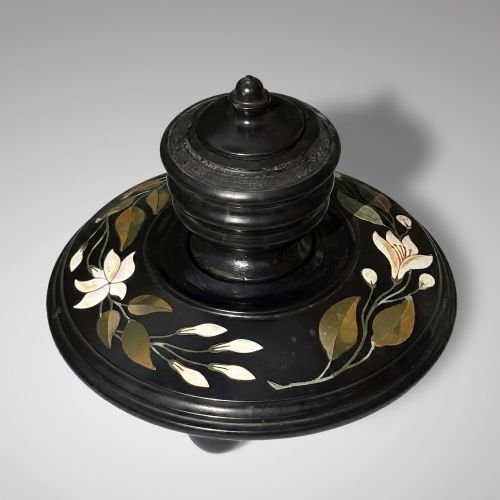
Alternative media appear in the form of solid silver, brass bases, glass with enamel decoration, and carved timber cabinets with marquetry floral inlays. Artisans combined metalwork and ceramic inserts to create functional desk pieces and planters.
Victorian Floral Pot Retail Price Guide 2026
Typical asking prices for victorian floral pot among the pieces listed under this phrase on Sellingantiques today, from the lower quarter to the upper quarter. They describe what is for sale here now, not the wider market.
The listings feature ceramics, glass, silver and bronze spanning the nineteenth century through the Edwardian period.
Assessing the range
Quality reveals itself in the crispness of the modelled flora and the depth of the glaze, distinguishing mass production from accomplished studio work. Hand-painted ceramic pieces show superior brushwork and richer colour gradation across the floral subjects.
The weight of the material and the precision of mounts or silver lids separate standard utilitarian vessels from notable decorative examples produced by leading potteries.
Royal Worcester·Doulton Lambeth·Royal Doulton·George Jones·Doulton Burslem·Samuel Alcock·Burmantofts
The Victorian Floral Pot Glossary
- Jardiniere
- An ornamental pot or stand designed to hold a plant or flower arrangement. These pieces often sat on tables or floor pedestals in nineteenth-century interiors.
- Majolica
- A heavy earthenware pottery covered with an opaque coloured glaze, popular for vibrant Victorian planters. This technique yields glossy surfaces with relief-moulded plant designs.
- Blush ivory
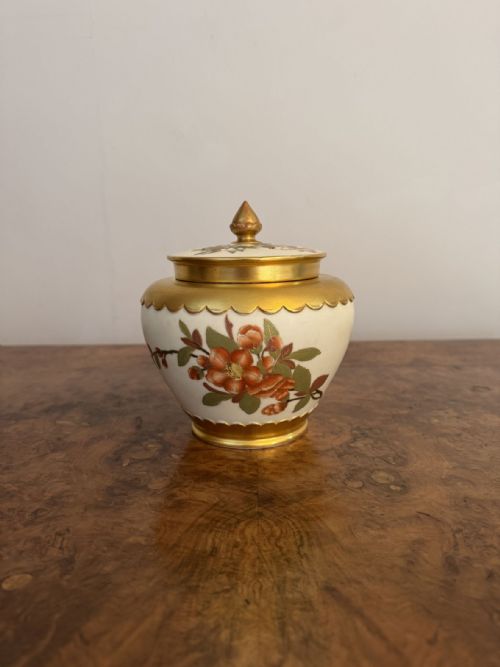
- A style of porcelain finish pioneered by Royal Worcester featuring soft cream tones touched with gilt and gentle floral colouring. The effect mimics the subtle blush of natural petals.
- Cloisonne
- A metalwork technique where enamel paste fills compartments created by soldered wire strips. Floral patterns emerge in coloured glass within fine metallic outlines.
Victorian Floral Pot: Frequently Asked Questions
What is a jardiniere?
A jardiniere is a decorative pot designed to hold potted plants or cut flowers inside the home. Nineteenth-century examples often stood in drawing rooms and conservatories.
These vessels range from large ceramic floor planters to smaller table containers, frequently ornamented with floral painting or moulded foliage.
How do I care for antique ceramic pots?
Antique ceramic and porcelain pots require gentle cleaning with a soft, dry cloth to remove dust. Avoid submerging older pieces in water, particularly if they feature delicate gilt or enamel work.
When using them for live plants, place a modern liner inside to protect the historic interior glaze and ceramic body from moisture damage.
Are these pots waterproof?
Many ceramic and glass vessels are naturally water-resistant, but older earthenware and glazed bodies can develop hairline fractures over time. It is wise to inspect the interior before filling.
Using a discreet plastic saucer or liner prevents water from reaching antique porous clay or damaging the underlying surface.
How do I distinguish Victorian from Edwardian pieces?
Victorian items often display heavier ornamentation, richer colours and influences from rococo revival or naturalistic botanical styles. Maker marks and registration numbers help pin down exact decades.
Edwardian pieces generally lean towards lighter colour palettes, cleaner lines and art nouveau floral curves reflecting changing twentieth-century tastes.