

Victorian Floral Porcelain
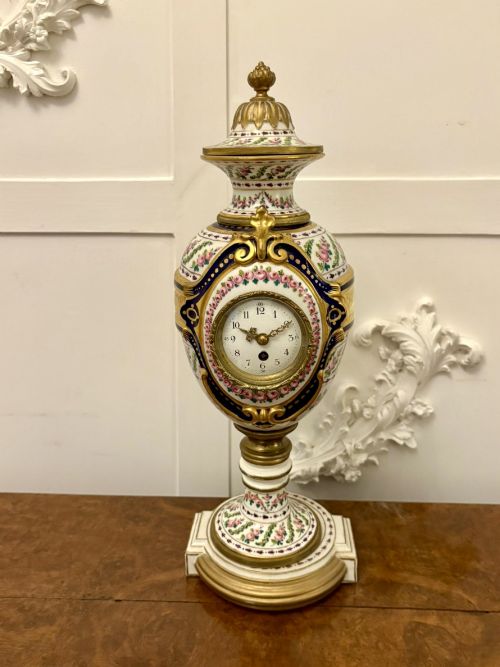
Victorian floral porcelain gathers hand-painted botanical motifs across nineteenth-century vases, mantel clocks, and cabinet dishes.
Victorian Floral Porcelain
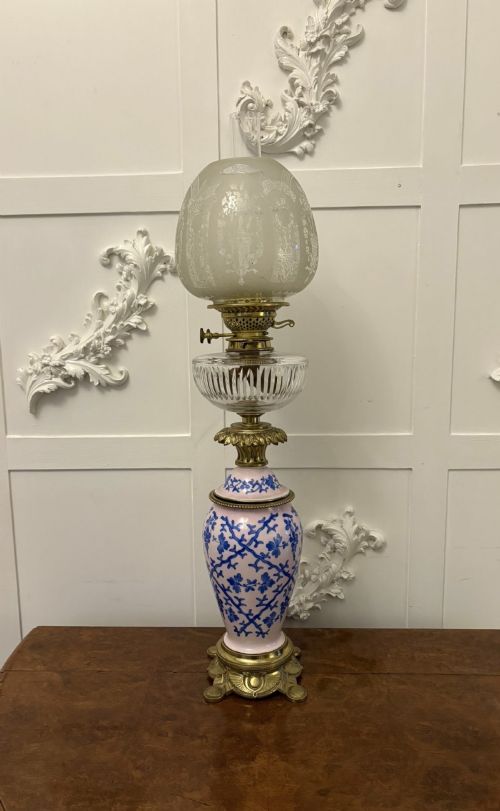
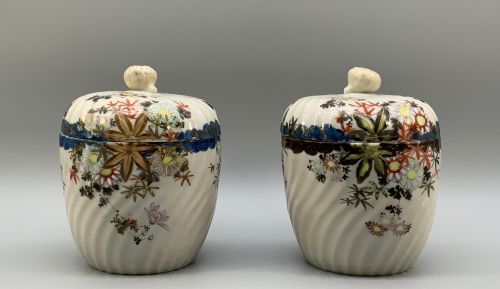
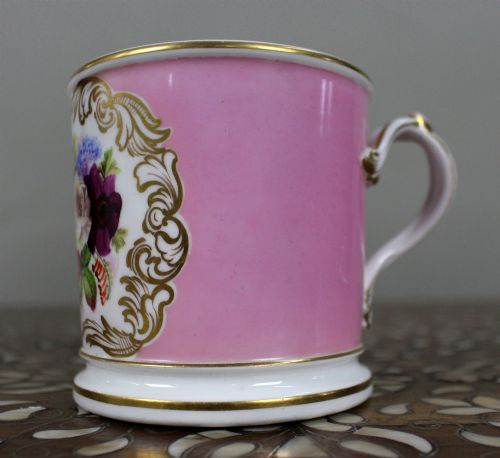
Victorian floral porcelain encompasses domestic and decorative items created throughout the nineteenth century, featuring botanical painting and floral relief work. A buyer searching this phrase encounters utilitarian tableware alongside ornamental mantel items such as urns, oil lamps, and pot-pourri jars.
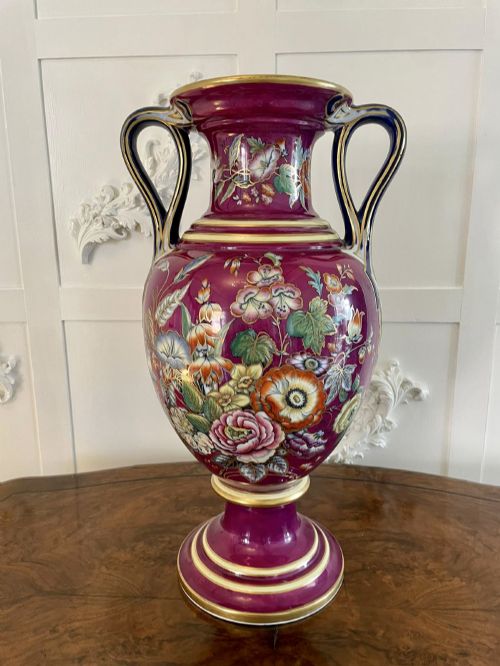
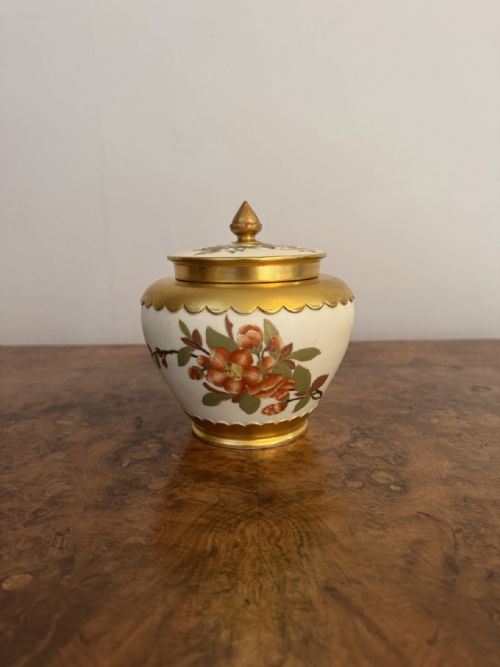
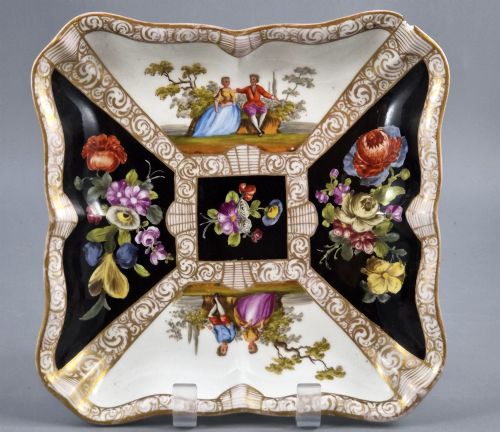
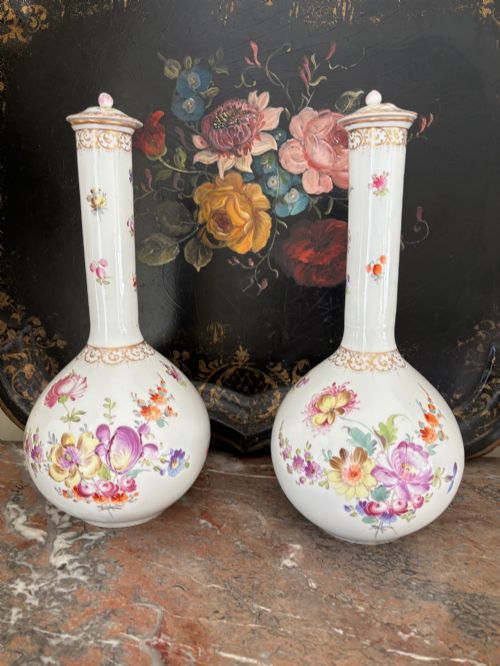
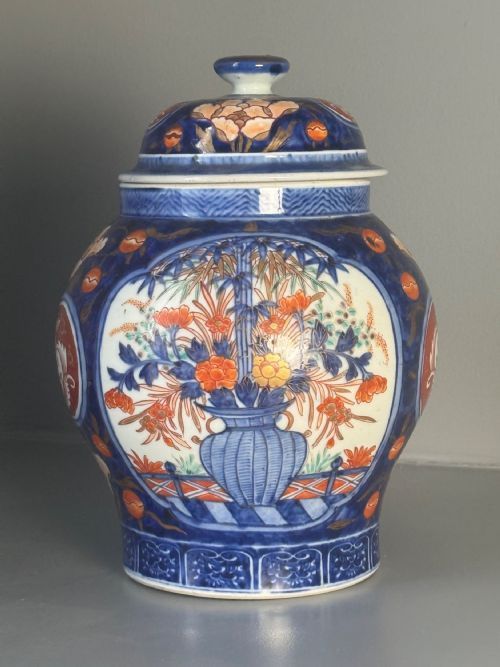
English manufactories including Royal Worcester, Royal Doulton, and Minton dominate the selections, alongside continental European factories and Japanese export wares like Imari. Vases and decorative plates with hand-painted garden flowers represent the most frequent iterations on this page.
Materials and Technique
The body material ranges from refined hard-paste and soft-paste porcelain to earthenwares and porcelaneous ceramic bodies. Artisans applied hand-painted overglaze enamels and underglaze blue decorations, frequently combining them with raised gold leaf, gilt bronze mounts, or gilding.
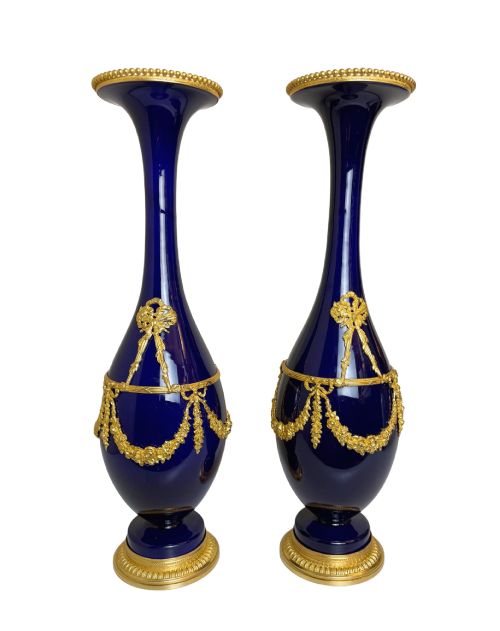
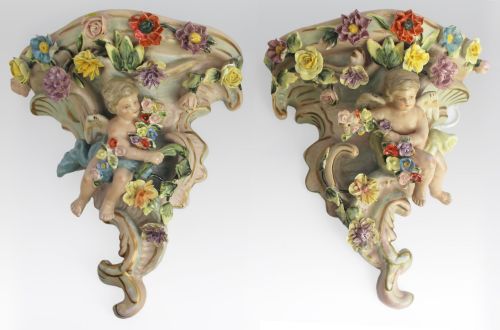
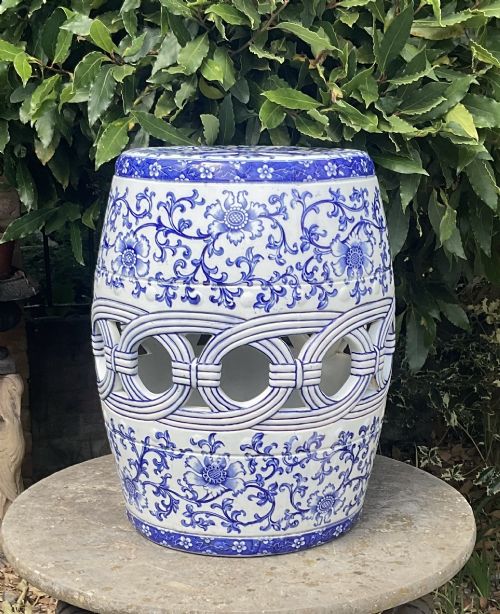
Many objects integrate moulded or modelled three-dimensional floral elements, such as applied porcelain petals and leaves framing hand-painted botanical scenes. Firing methods allowed for complex polychrome palettes, including blush ivory grounds and cobalt blue glazes.
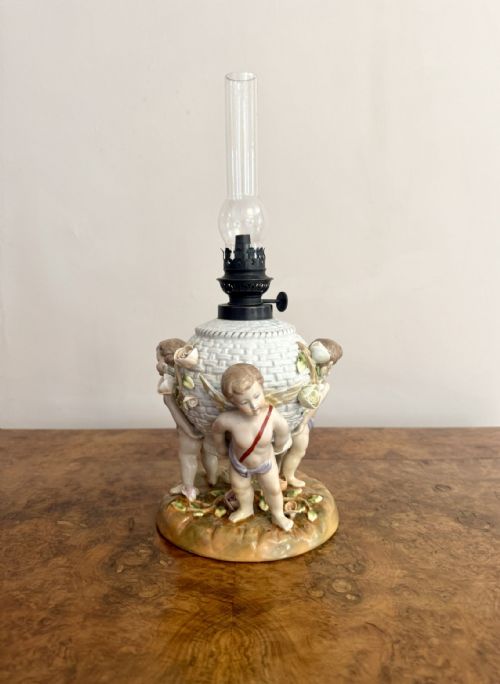
Cherubs frequently peer out from porcelain mirrors and wall corbels, keeping a watchful eye on nineteenth-century dressing tables.
Assessing Quality
The standard of a piece rests primarily on the fidelity and detail of the hand-painting, particularly in botanical subjects where individual species are rendered with botanical accuracy. Pieces bearing named artist signatures or attributed factory patterns display superior execution compared to generic transfer-printed wares.
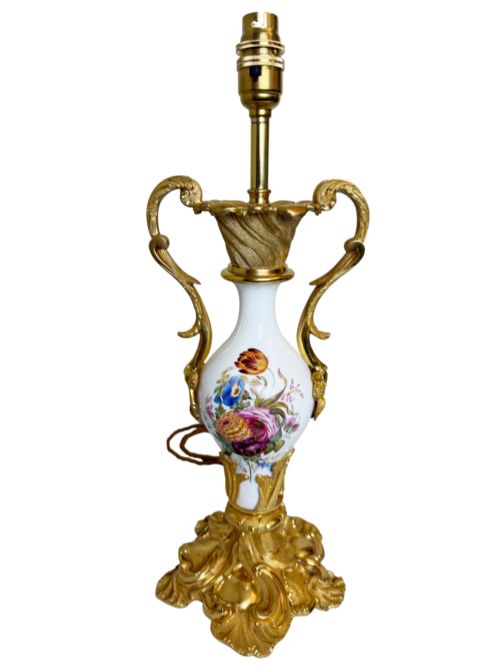
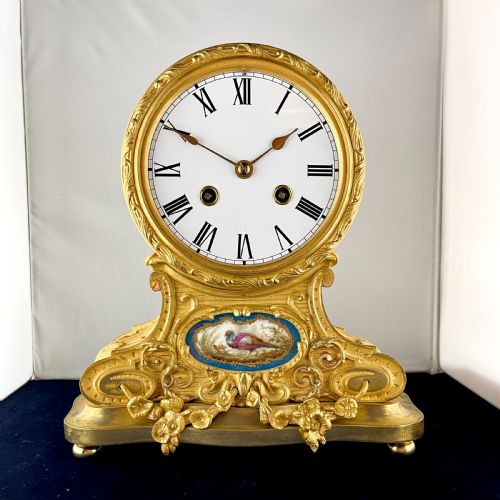
The integration of secondary materials, such as heavy gilt bronze mounts or finely cast handles, elevates an object's status. Crispness in moulded relief work and the preservation of delicate applied petals without loss distinguish finer domestic and ornamental items.
Royal Worcester·Royal Doulton·Minton·Meissen·Sitzendorf·Coalport·Doulton Burslem
The Victorian Floral Porcelain Glossary
- Porcelain
- A white vitrified translucent ceramic material made from china clay and petuntse. It provides a smooth ground suited to detailed botanical painting.
- Gilding
- The application of gold leaf or powdered gold suspended in a medium to ceramic surfaces. It highlights rims, handles, and painted panels.
- Imari
- A style of Japanese export porcelain characterised by underglaze blue, iron red, and gold. These pieces often feature dense floral and geometric compartments.
- Pot-pourri
- A jar or vessel with a pierced cover designed to hold dried scented plant material. Examples in this category often feature hand-painted floral panels.
Victorian Floral Porcelain: Frequently Asked Questions
Were these items used daily?
Many ceramic pieces, including tankards, dessert dishes, and tea sets, served practical functions in nineteenth-century dining rooms. Other objects like mantel clocks, wall corbels, and large decorative urns existed solely for interior ornamentation.
Tableware items frequently show signs of light historical handling, whereas cabinet dishes and decorative vases were preserved primarily for display.
How are periods identified?
Factory backstamps stamped or painted on the underside provide the most reliable indicator of date, often utilising specific cyphers or date codes. Stylistic indicators, such as the aesthetic movement blush ivory grounds or Rococo Revival scrolling, also help narrow the timeframe.
Comparing pattern numbers against factory archives confirms the exact decade of manufacture.
Can I use oil lamps safely?
Oil lamps from this era were originally designed to burn lamp oil through a wick housed in a brass burner mechanism. Most examples offered today are sold for decorative display rather than functional lighting.
Converting them for modern electrical use requires professional rewiring to preserve the original ceramic reservoir without causing structural damage.