
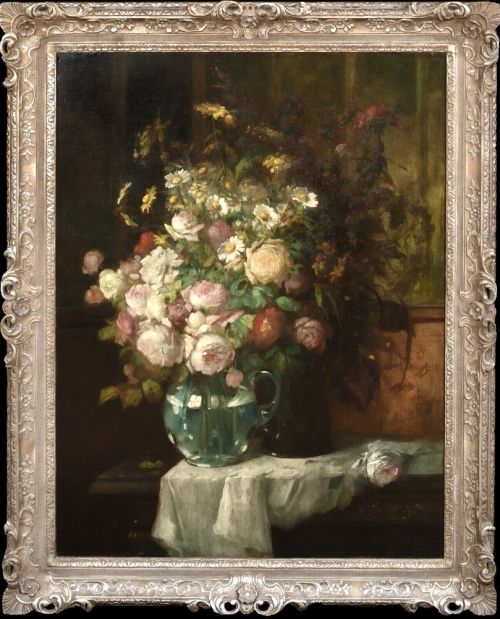
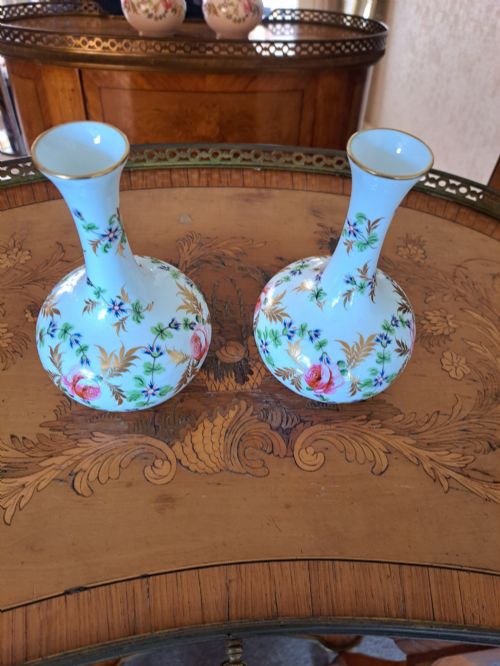
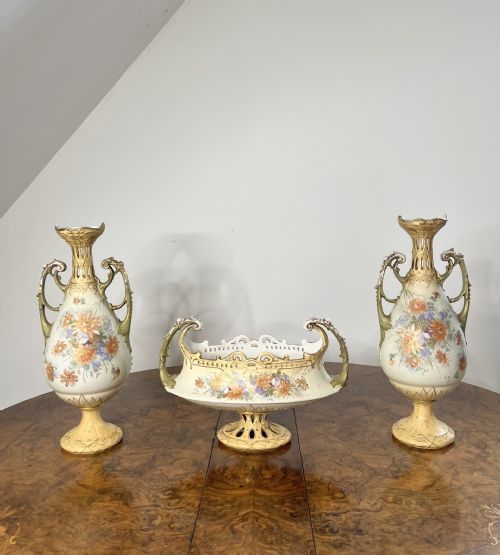
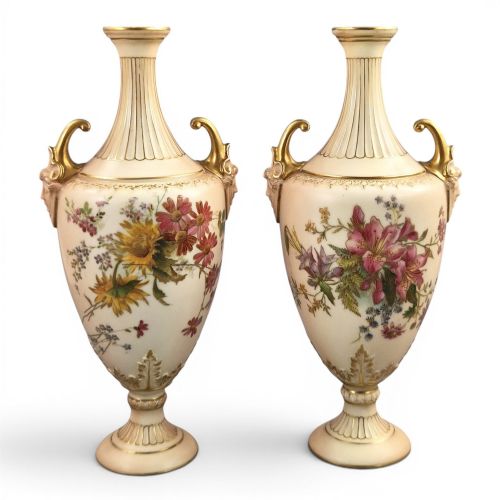


Victorian Floral Gilt Vase
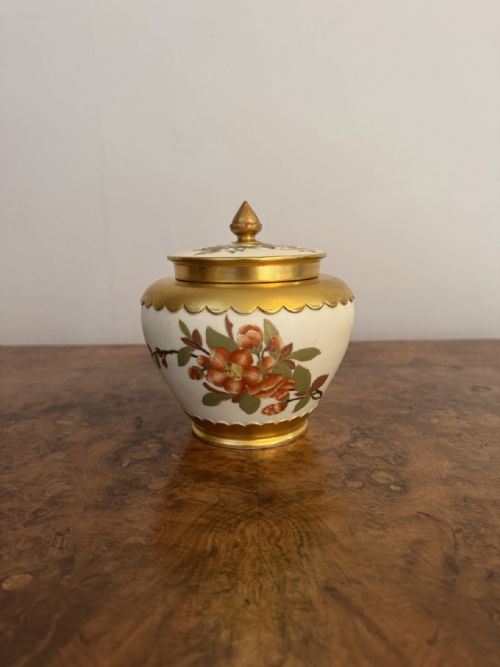
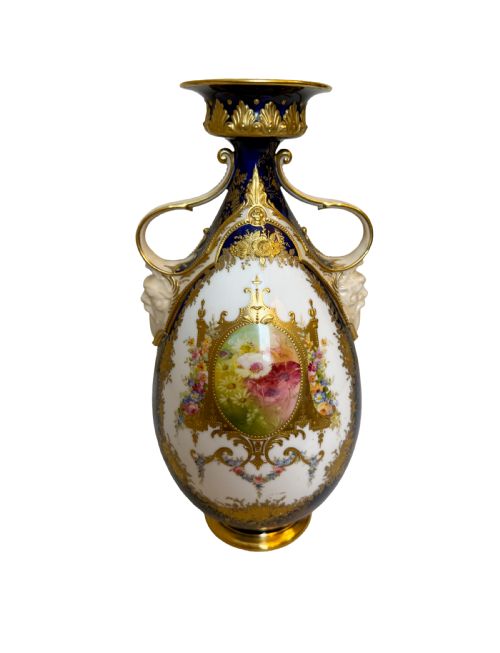
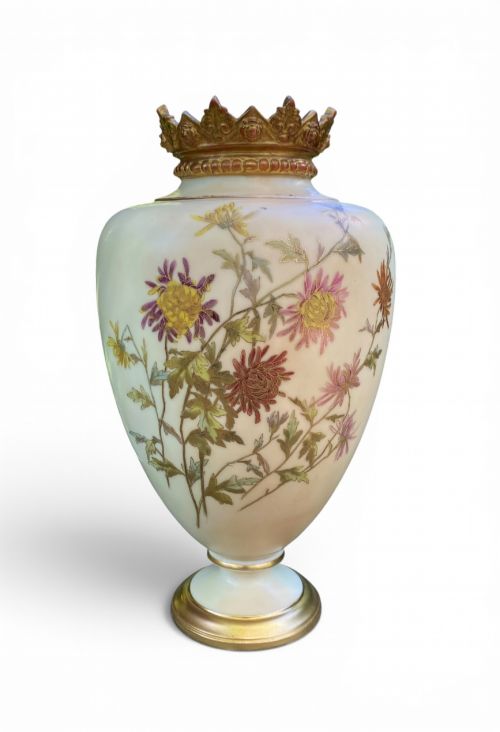
A victorian floral gilt vase brings together hand-painted botanical motifs and gleaming metallic enrichment on porcelain, ceramic or glass.
Victorian Floral Gilt Vase
A victorian floral gilt vase typically takes the form of a ceramic, porcelain, or glass vessel ornamented with painted flowers and gilded detailing. These pieces originate from renowned factories and domestic makers active during the nineteenth century and the early twentieth century.
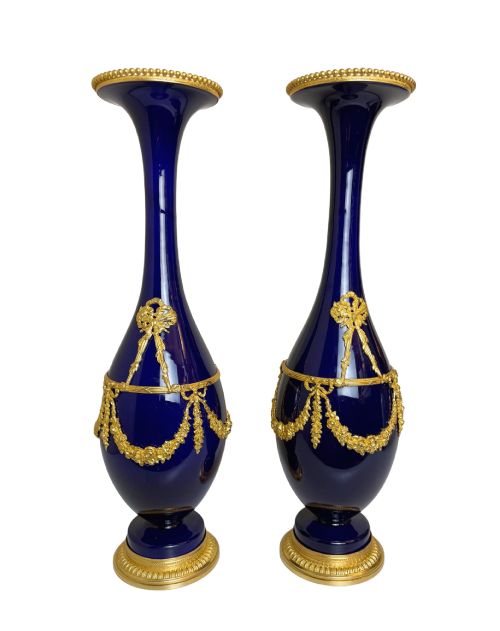
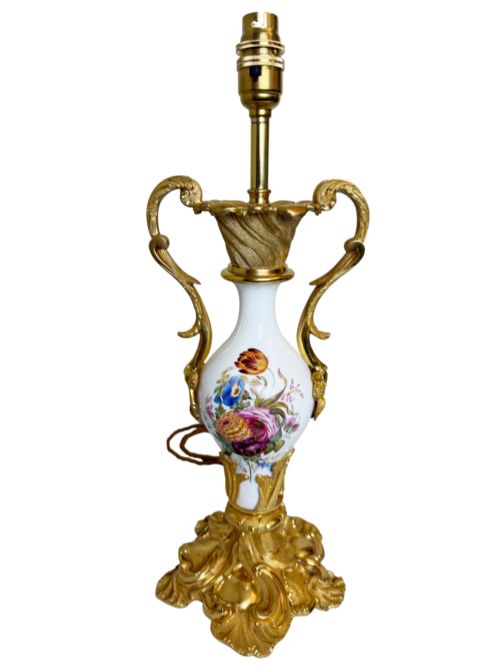
Buyers encountering this selection will find various vessel types ranging from lidded potpourri pots and table lamps to ewers and cabinet vases. Continental workshops and English potteries dominate the offerings, spanning decorative styles such as Rococo Revival, Aesthetic Movement, and Art Nouveau.
How They Were Made
Potters and glassmakers shaped porcelain, earthenware, or glass into traditional vessel forms before applying hand-painted floral decoration. Artisans then utilised gold leaf, gilt, or gilding to accent handles, rims, and botanical motifs.
Certain works incorporated engraved glass techniques or bronze mounts alongside ceramic bodies. Kiln firing fixed the mineral colours and metallic layers to the surface, creating durable decorative objects.
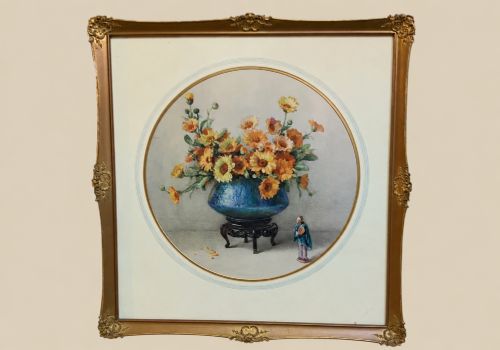
Some nineteenth-century decorators painted chrysanthemums and marigolds so meticulously that individual petals seem ready to drop onto the mantelpiece.
What Varies In Quality
The standard of painting on these vessels marks a primary distinction, separating mass-produced items from delicate, finely detailed hand-painted botanical studies. The crispness of the gilt work and the elegance of the porcelain body further define the grade of the piece.
The reputation of the pottery or maker also influences the standing of a vessel, alongside the complexity of supplementary elements such as pierced handles or bronze trim.
Royal Worcester·Royal Doulton·Samuel Alcock·Ernst Wahliss·Crown Derby·Moorcroft Macintyre
The Victorian Floral Gilt Vase Glossary
- Gilt
- A thin layer of gold applied to the surface of porcelain, glass, or bronze. This metallic enrichment highlights rims, handles, and painted floral details.
- Potpourri
- A mixture of dried plant material and spices kept in a pierced or lidded vessel to perfume a room. Such containers often feature elaborate floral painting.
- Garniture
- A set of ornamental vases designed to be displayed together on a mantelpiece or cabinet. These typically comprise a central centrepiece flanked by matching side pieces.
- Ewer
- A large jug with a wide spout and looped handle, frequently produced as an ornamental ceramic showpiece during the nineteenth century.
Victorian Floral Gilt Vase: Frequently Asked Questions
What distinguishes an aesthetic movement vase?
Aesthetic movement ceramics typically display stylised natural motifs, asymmetry, and influences from Japanese art. These pieces often feature muted background colours contrasted with bold gilding.
Makers such as Doulton produced earthenware and stoneware vessels that reflected this shift toward art for art's sake. Examine the form and ornamentation for signature design choices of the late nineteenth century.
Are these vessels intended for holding water?
Most antique decorative vases serve primarily as display pieces rather than functional flower holders. The internal glazing and historic materials may not withstand frequent exposure to moisture and damp stems.
Display them empty on mantelpieces, tables, or cabinets to protect the fragile porcelain and exterior gilding from damage. Using them for dry arrangements preserves the interior integrity safely.
How can I identify the maker?
Look on the underside of the base for printed factory marks, impressed stamps, or hand-written pattern numbers. Different potteries used specific ciphers, crowns, or monograms that changed across decades.
Matching the numeric pattern or painted style to known factory archives helps confirm the origin. Reference guides for British and continental ceramics provide detailed timelines for these marks.