



Victorian Floral Dining Chairs
Victorian floral dining chairs bring warmth and tactile pattern to a table through rich timber and patterned upholstery.
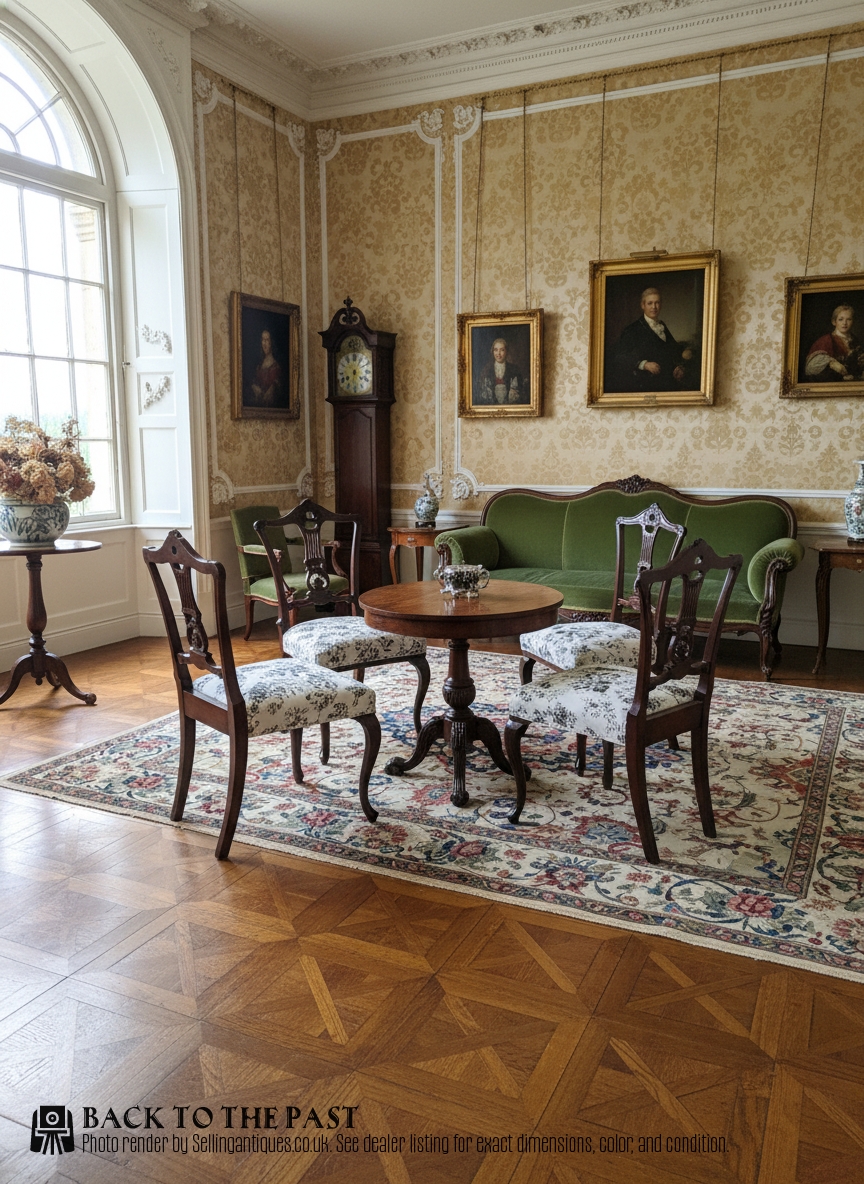
Victorian Floral Dining Chairs
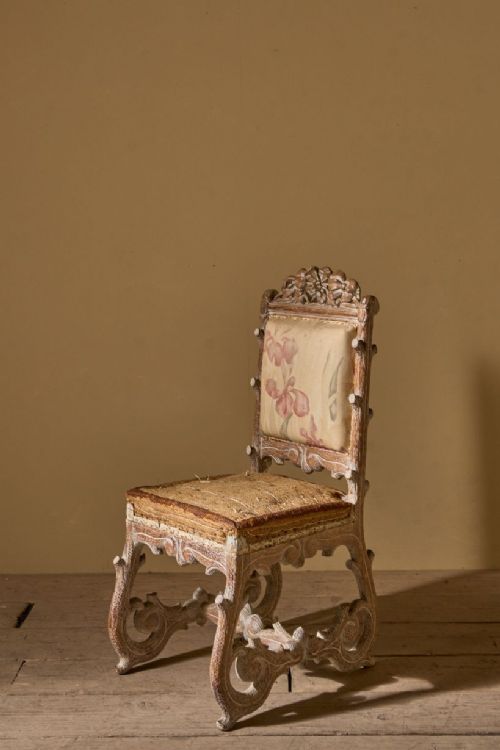
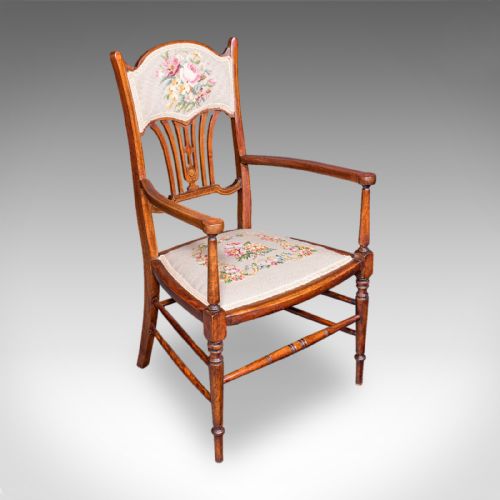
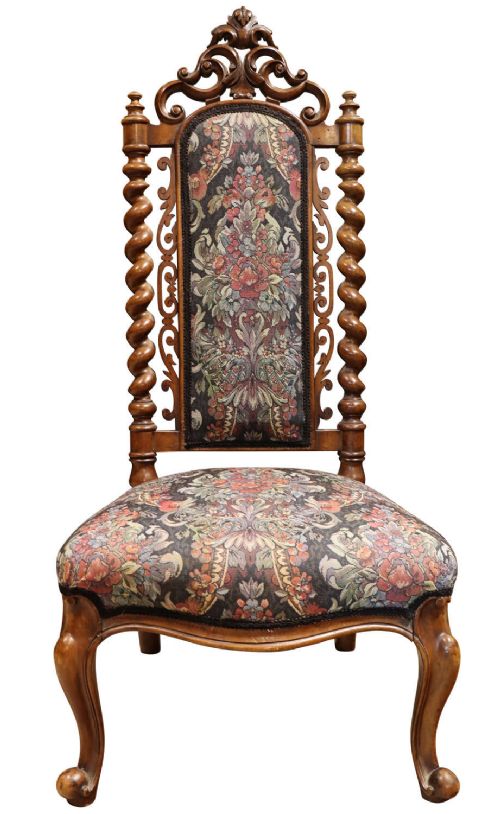
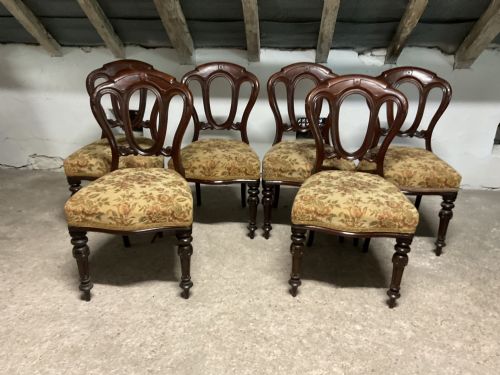
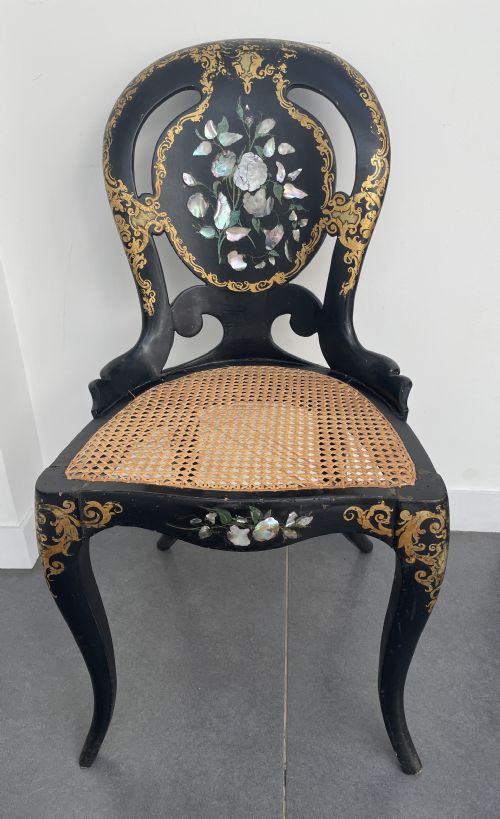
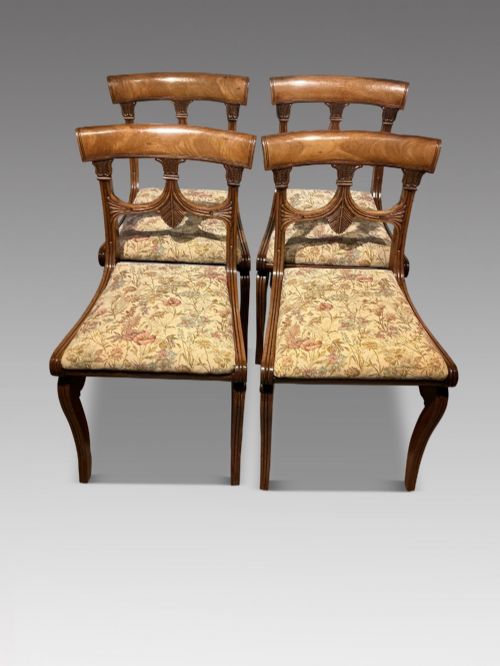
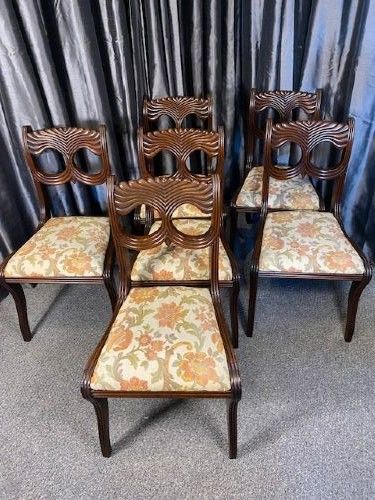
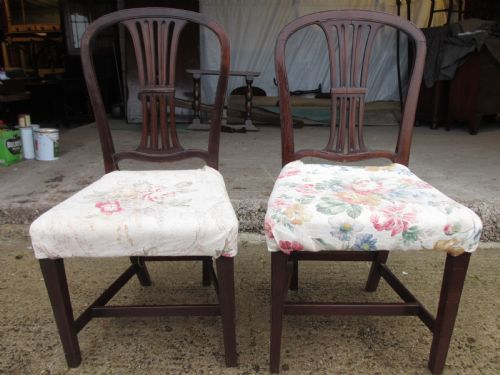
When searching for victorian floral dining chairs, buyers encounter sturdy seating built for nineteenth-century dining rooms, often featuring needlepoint or patterned fabric seats. The selections here span forms such as side chairs, balloon backs, and carvers executed in solid woods.
The materials and frames reflect mid-to-late nineteenth-century cabinetmaking traditions, ranging from simple mahogany sets to ornate walnut and rosewood iterations. Many examples pair classical wooden frames with decorative textile coverings that echo period tastes.
What varies in quality
The distinction between standard examples and finer pieces lies in the crispness of the timber carving and the integrity of the wood grain. Richer rosewood or figured mahogany frames with intricate decorative flourishes indicate higher workshop standards.
Another measure of quality is the originality and condition of the upholstery work, including hand-stitched needlepoint or period velvet. Matching sets of four or six chairs also command greater cohesion than assembled groups.
Victorian Floral Dining Chairs Retail Price Guide 2026
Typical asking prices for victorian floral dining chairs among the pieces listed under this phrase on Sellingantiques today, from the lower quarter to the upper quarter. They describe what is for sale here now, not the wider market.
Listings feature woods including mahogany, rosewood, walnut, and beech alongside textiles like tapestry, velvet, and needlepoint.
Jas Shoolbred
The Victorian Floral Dining Chairs Glossary
- Balloon back
- A rounded, oval-shaped wooden chair back popular during the mid-nineteenth century. This curved profile provides ergonomic support while showcasing the grain of woods like mahogany and walnut.
- Needlepoint
- A type of canvas embroidery used for durable furniture upholstery. It allows for intricate floral patterns created with wool or silk threads.
- Carver
- An armchair designed to sit at the head of a dining table. These pieces often feature matching side chair counterparts in a full dining set.
- Splati
- The vertical wooden strip down the centre of a chair back. Vase splats offer structural support while displaying decorative woodwork silhouettes.
- Padouk
- A heavy, durable tropical hardwood with reddish tones used in cabinetmaking. Its dense nature allows for deep, crisp carving work.
Victorian Floral Dining Chairs: Frequently Asked Questions
How do I clean antique upholstery fabric?
Surface dust can be removed gently with a soft brush attachment on a low suction vacuum. Professional textile cleaning is recommended for deeper stains to protect fragile period threads.
Avoid using harsh chemical sprays or excessive water on nineteenth-century fabrics, as moisture can weaken old fibres and underlying padding.
Are these chairs sturdy enough for daily use?
Solid hardwood frames built in the nineteenth century generally offer robust structural integrity for regular seating. Checking the joints for stability ensures safe everyday dining.
Heavily carved or delicate salon chairs may suit lighter seating duties rather than heavy daily service around a busy family table.
How do I identify a Victorian dining chair?
Key indicators include curved balloon backs, turned or fluted legs, and dark hardwoods like mahogany, walnut, and rosewood. Construction details often reveal nineteenth-century joinery techniques.
Stylistic flourishes such as Gothic Revival or Art Nouveau influences help narrow down the specific decade of production.
Can I mix different chair styles together?
Combining side chairs and carver armchairs from a similar period creates a traditional mismatched dining arrangement. Matching timber tones helps unify varied chair silhouettes around one table.
Keeping the wood finishes consistent prevents the seating collection from looking disjointed in a modern dining space.