

Victorian Floral Ceramic Jug
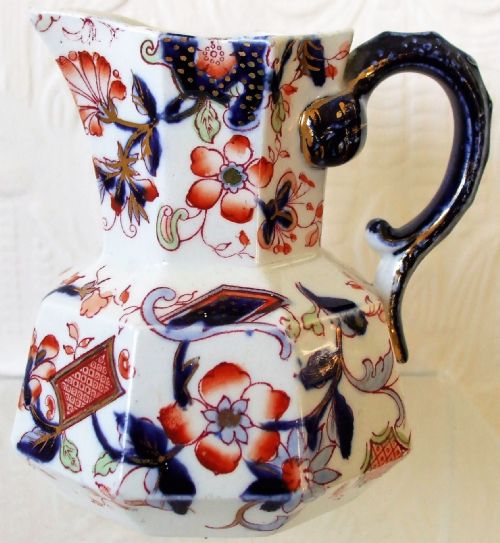
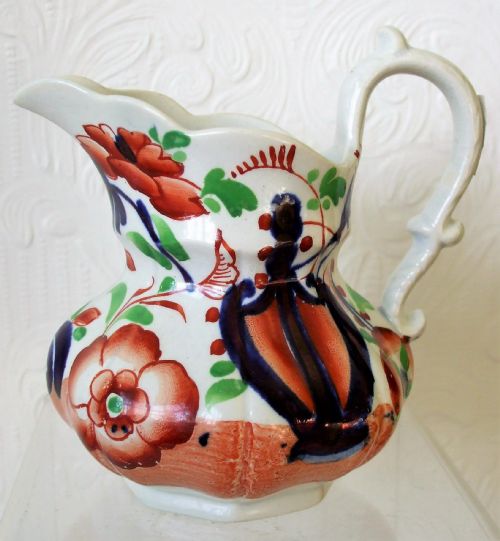
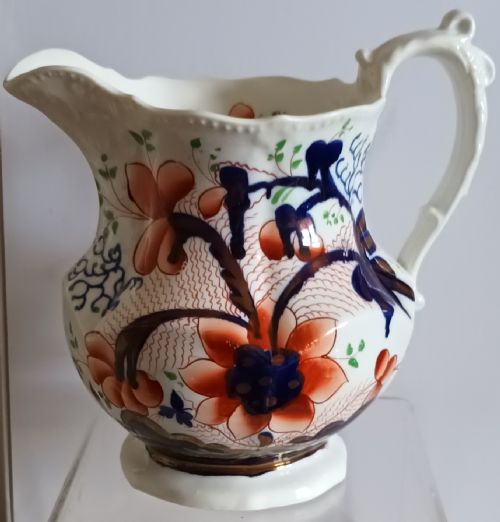
These victorian floral ceramic jug examples bring hand-decorated botanical motifs and varied earthenware or porcelain forms straight from nineteenth-century washstands and display cabinets into modern spaces.
Victorian Floral Ceramic Jug
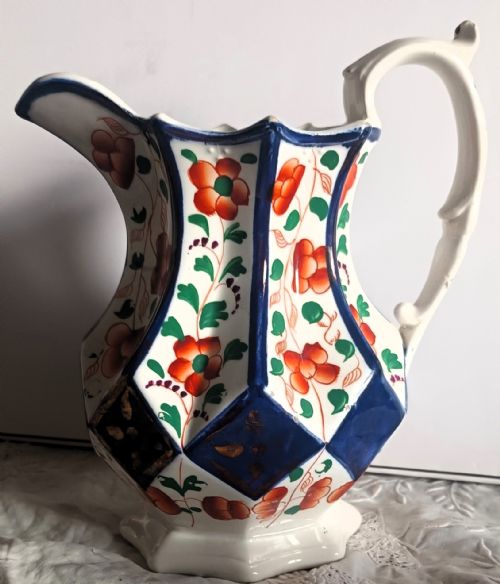
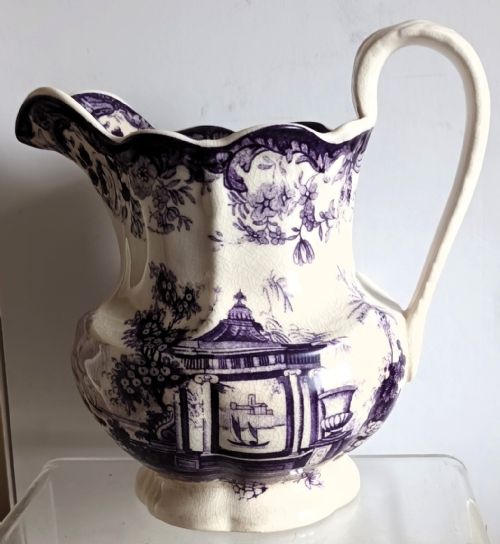
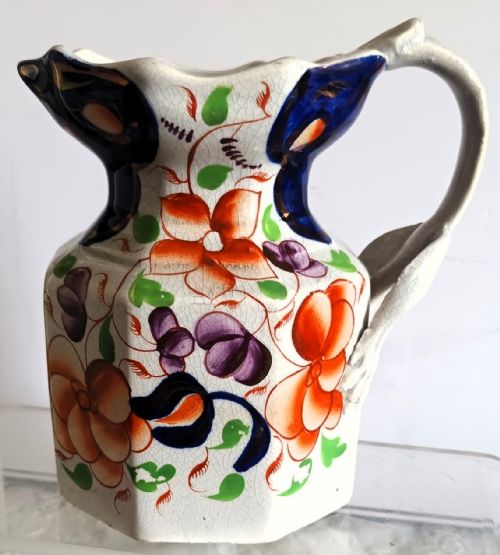
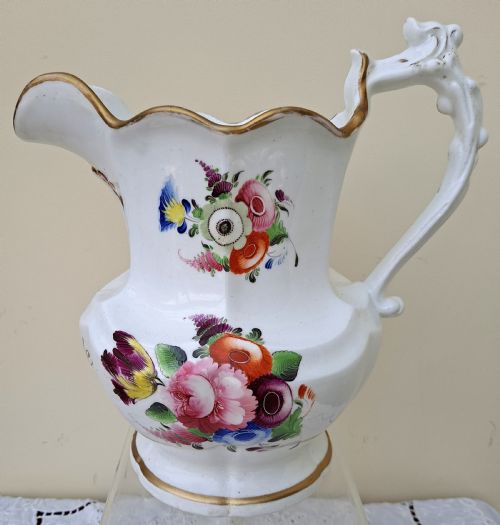
A victorian floral ceramic jug spans practical washstand pieces, milk jugs, and decorative ewers produced across the nineteenth century and into the early twentieth century. Buyers seeking this phrase encounter patterns featuring painted flowers, transfer printing, and named regional designs such as Gaudy Welsh alongside refined pieces from major potteries.
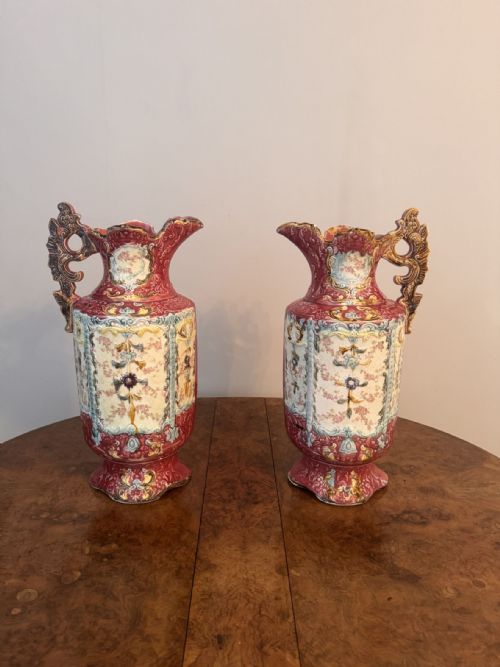
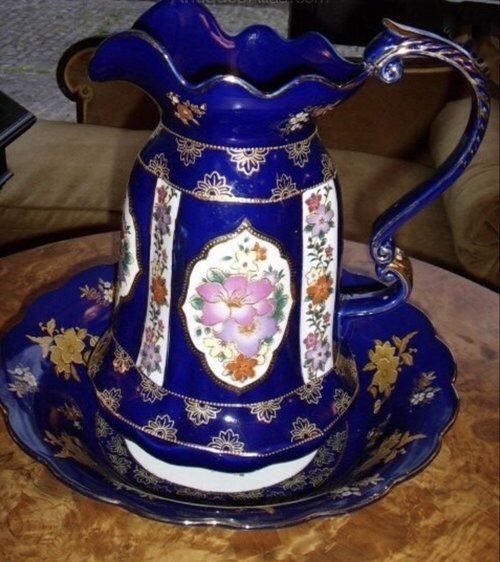
The selections range from miniature vessels and standard pitchers to large multi-piece wash basin sets designed for bedroom use. Forms vary from simple earthenware bodies to elaborate moulded ewers influenced by Aesthetic Movement, Rococo Revival, and Persian styles.
Materials and Production
Potters shaped these vessels using earthenware and porcelain bodies, applying liquid glazes to seal the porous clay before firing. Many pieces received hand-painted botanical decoration in enamel colours, sometimes supplemented by gold leaf or gilt highlights.
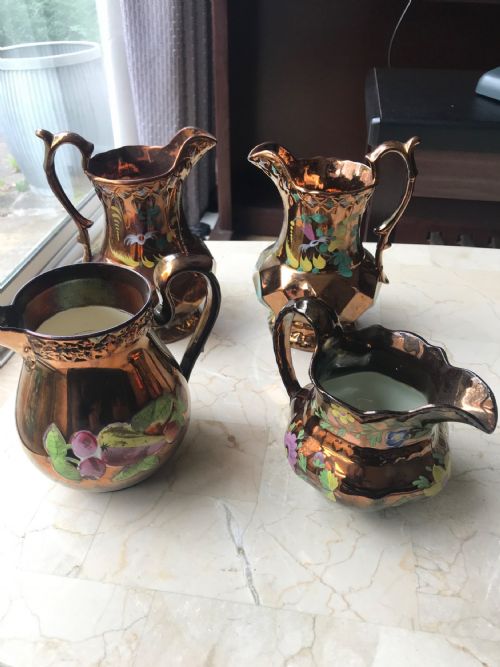
Transfer printing allowed workshops to apply complex repeating patterns onto the ceramic surface efficiently. Additional techniques included copper lustre finishes and raised moulded details like the characteristic cleft or hydra handles found on period ewers.
Listings feature earthenware and porcelain materials decorated with enamel, gold leaf, and copper lustre across the nineteenth and early twentieth centuries.
Evaluating Quality and Execution
The distinction between standard domestic items and finer display pieces rests in the execution of the hand decoration and the crispness of the moulded form. Superior examples show precise brushwork on floral motifs, smooth glaze distribution, and well-defined applied handles or spout details.
Maker attribution also influences the standing of a piece, with recognised potteries achieving greater refinement in their porcelain pastes and decorative colour palettes. The complexity of the vessel shape, such as an intricate ewer or a complete matching wash set, reflects the ambition of the original manufacture.
Keeling and Co.·Walker and Hall·Doulton Burslem·Royal Worcester·Mark Jones and Sons·Sir Edmund Elton
The Victorian Floral Ceramic Jug Glossary
- Ewer
- A large decorative jug with a flared spout and an ornate handle, often used for display rather than utility. These vessels frequently appear in Victorian and Aesthetic Movement designs.
- Copper Lustre
- A metallic pottery glaze containing copper that produces a reflective, iridescent copper-coloured sheen. This technique is often seen on nineteenth-century Staffordshire milk and water jugs.
- Hydra Jug
- A ceramic pitcher featuring a specific moulded handle design and a wide rim, produced by various English potteries during the Victorian period. The name derives from classical pottery shapes.
- Washstand Set
- A matching collection comprising a large jug and a basin used for personal washing before indoor plumbing became universal. These sets frequently incorporate transfer-printed floral patterns.
Victorian Floral Ceramic Jug: Frequently Asked Questions
How were these jugs originally used?
Many served practical household roles for carrying water, milk, or forming part of a bedroom wash set alongside a matching basin. Others functioned primarily as decorative ewers displayed on sideboards or mantelpieces.
Smaller vessels were integrated into daily dining or washstand arrangements, while larger pieces accommodated the water requirements of nineteenth-century bedrooms before modern plumbing.
What is Gaudy Welsh pottery?
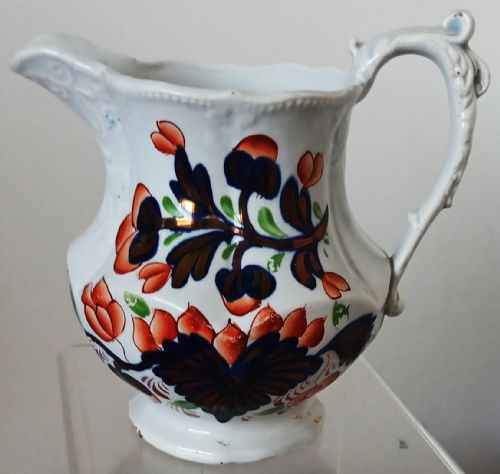
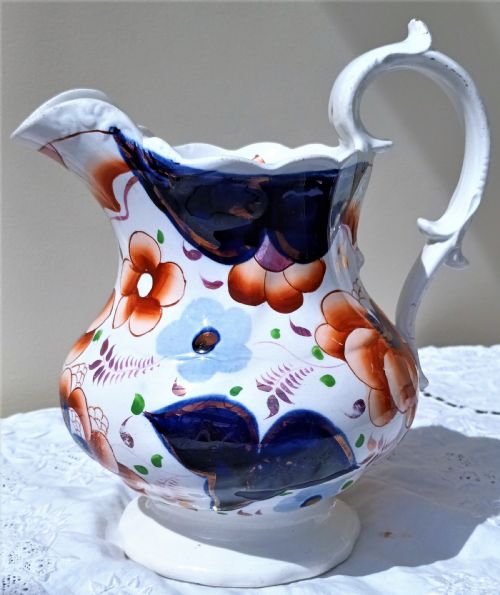
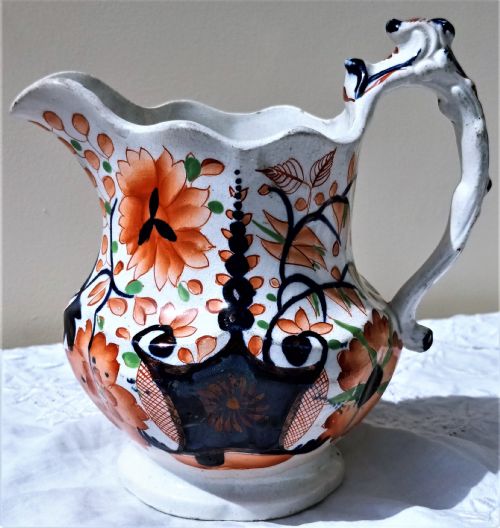
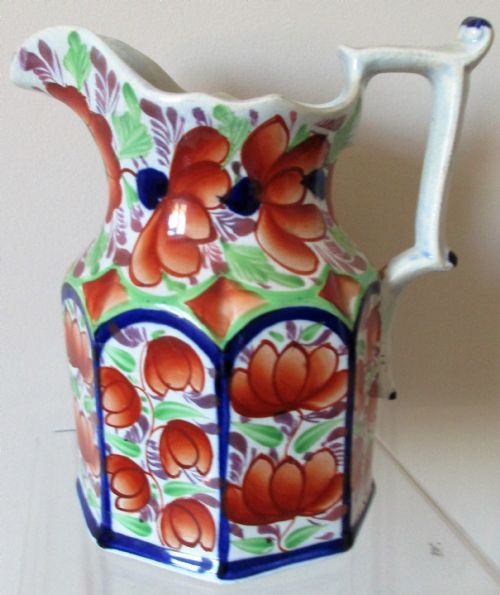
Gaudy Welsh refers to a distinctive type of nineteenth-century earthenware featuring bright, hand-painted underglaze designs often enhanced with copper lustre. Popular patterns included named motifs like Grape, Drape, Pagoda, and Harlech.
These brightly coloured pieces were widely exported and remain easily identifiable by their bold floral and geometric ornamentation.
How do you date a ceramic ewer?
Dating relies on maker marks, registration numbers, and stylistic clues such as the influence of the Aesthetic Movement or Rococo Revival. Potteries often stamped or printed specific puce or blue marks on the base.
Material composition, form variations, and documented patent dates also help narrow the period of manufacture between the early Victorian era and the early twentieth century.
Can these antique jugs still be used?
While durable enough for careful handling, most collectors display them as decorative objects rather than putting them to daily domestic use. Older earthenware bodies and delicate enamel or gilt decorations can be sensitive to thermal shock and frequent washing.
Gentle cleaning with a soft cloth preserves the original glaze and hand-painted floral surfaces without risking damage to the antique material.