


Victorian Floral Ceramic Basin
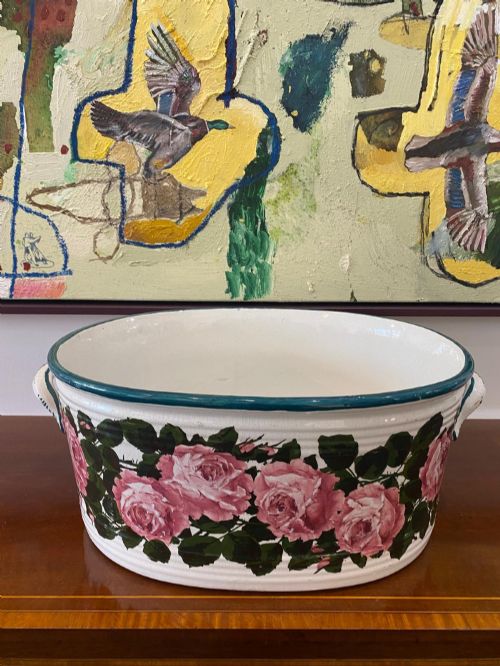
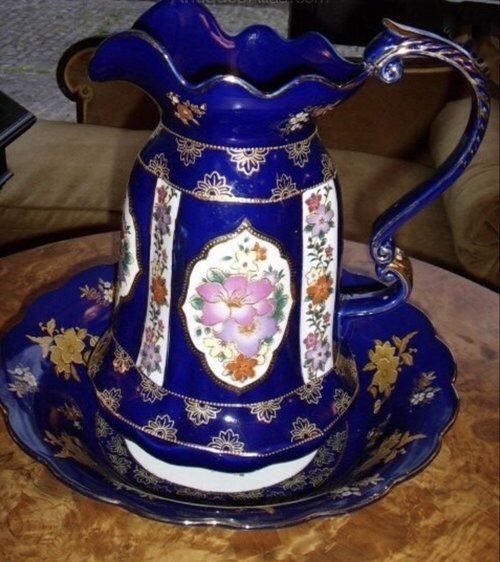
These victorian floral ceramic basin examples are washstand sets and footbaths crafted to bring functional charm to period interiors.
Victorian Floral Ceramic Basin
A victorian floral ceramic basin typically appears within larger washstand sets, footbaths, or decorative bowls. These vessels originate from periods including the nineteenth century, Victorian era, and Edwardian times, alongside pieces marked as Art Nouveau or Regency.
The most frequent forms met on this page are jug and bowl sets and footbaths. Makers often finished these ceramic and porcelain pieces with floral motifs, cobalt glaze, or blue and white transfer printing.
Materials and Techniques
Potters utilised earthenware and porcelain as the primary base materials for shaping basins and bowls. Artisans applied glazes, enamel, cobalt glaze, and occasional gold leaf or gilt highlights to decorate the surfaces.
Transfer printing and hand painting delivered the floral and blue and white patterns found across the earthenware and porcelain bodies. Firing techniques fixed these pigments beneath or above the glaze layers.
Markers of Quality
Quality rests upon the crispness of the floral transfer or hand-painted enamel and the preservation of the glaze. Pieces bearing distinct maker attributions from potteries like Doulton Burslem or Royal Worcester display finer baseline execution.
The complexity of the set, such as multi-piece washstand groupings or large footbaths with cobalt glaze and gold leaf, distinguishes standard production items from superior examples.
Wemyss·Mann And Co·Royal Doulton·Royal Worcester·Doulton Burslem·Mark Jones And Sons·Copeland
The Victorian Floral Ceramic Basin Glossary
- Earthenware
- A porous pottery body fired at lower temperatures, commonly used for nineteenth-century basins and bowls before being glazed. It forms the structural base for many transfer-printed domestic wares.
- Cobalt Glaze
- A deep blue metallic oxide glaze applied to ceramics before firing to create rich tonal backgrounds under clear transparent layers. This technique frequently defines nineteenth-century blue and white wash sets.
- Footbath
- A large ceramic vessel designed for soaking feet, often possessing substantial handles and decorative floral decoration. These deep basins date across Victorian and Regency periods.
- Jardiniere
- An ornamental ceramic pot intended to hold live plants rather than water for personal washing. They appear in Edwardian and late nineteenth-century styles with floral motifs.
- Spongeware
- Pottery decorated by dabbing pigment onto the biscuit or glaze using a sponge to create mottled patterns. This method produced rustic folk designs on nineteenth-century bowls.
Victorian Floral Ceramic Basin: Frequently Asked Questions
How were these basins used originally?
Victorian and Edwardian households utilised these ceramic basins on wooden washstands for morning ablutions and personal hygiene before plumbed bathrooms became standard. Large footbaths served a similar washing purpose in bedrooms.
Servants filled the matching jugs with warm water from kitchen boilers to replenish the basins during daily routines.
Are these basins watertight for daily use?
Most glazed earthenware and porcelain basins remain capable of holding water safely after more than a century. However, thermal shock from boiling water or rough handling can damage fragile antique glazes.
Collectors generally recommend displaying them as decorative objects rather than subjecting them to heavy modern bathroom use.
How do I date an antique ceramic basin?
Dating relies upon maker marks stamped into the base, style characteristics such as Art Nouveau curves, and the specific application of cobalt glaze or transfer printing. Victorian pieces often feature registration diamonds or printed factory ciphers.
Edwardian and later pieces display simplified floral transfer designs alongside lighter porcelain bodies.
Where should I display a footbath?
Footbaths suit placement on low tables, hearths, or floor stands where their wide floral bowls remain fully visible. Their generous proportions make them practical storage vessels for rolled blankets or magazines.
Placing them away from high-traffic areas protects the nineteenth-century glaze and painted enamel details from accidental knocks.