
Victorian Fitted Cupboard
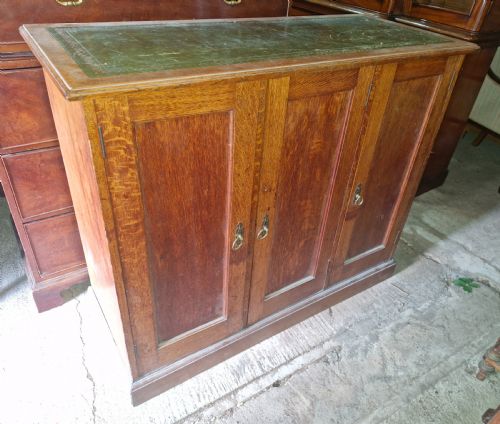
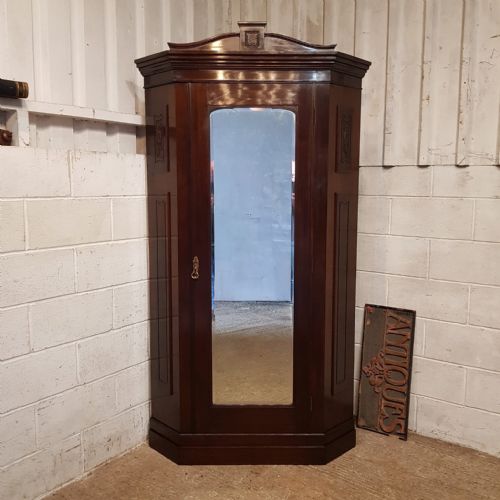
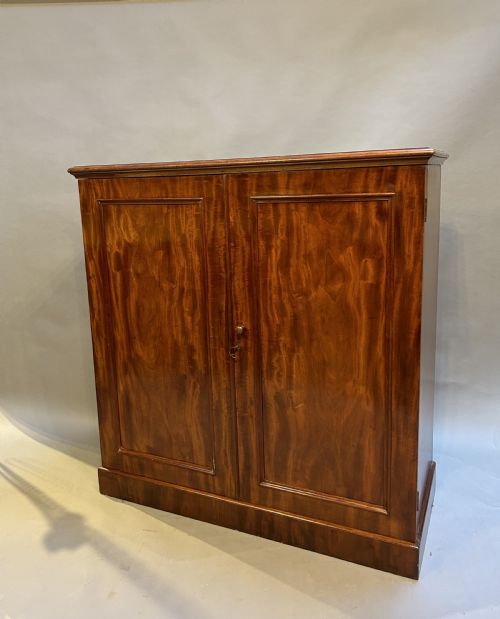
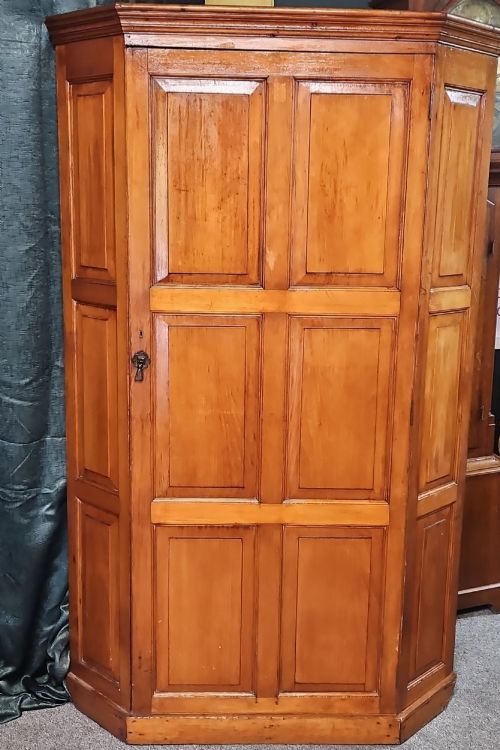
A victorian fitted cupboard brings practical storage and architectural presence into a room, coming in forms from wardrobe compactums to multi-drawer shop fittings.
Victorian Fitted Cupboard
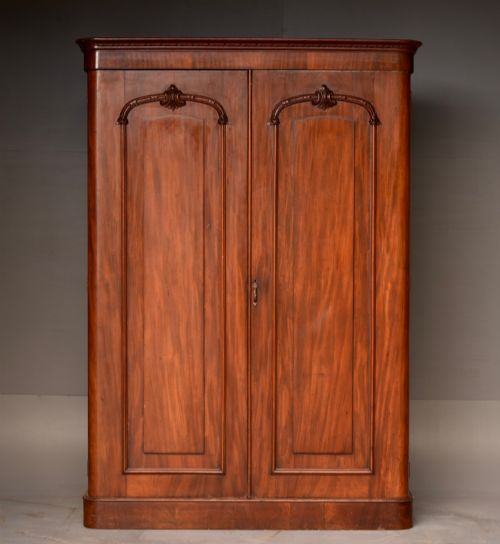
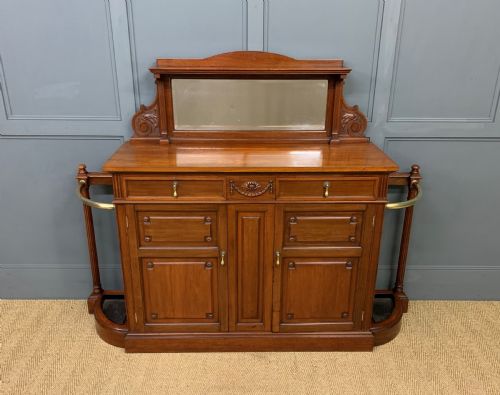
A victorian fitted cupboard serves as a substantial storage piece, encompassing wardrobes, linen presses, bookcases, and banks of drawers designed for specific domestic and commercial duties. The pieces span the nineteenth century, including Edwardian and William IV crossover periods, reflecting the heavy demand for fitted interior organisation.
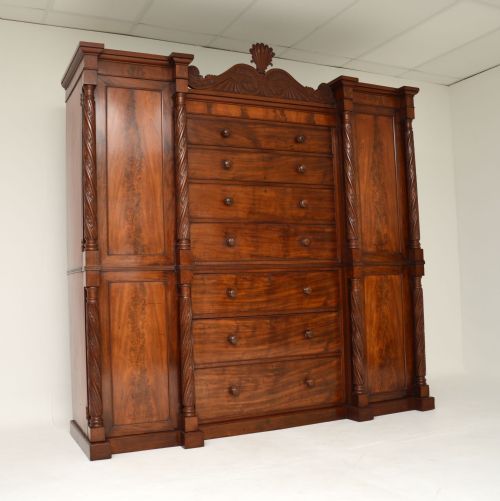
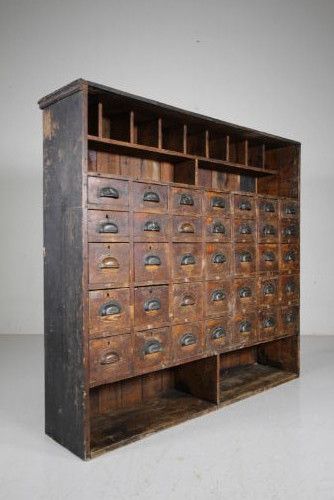
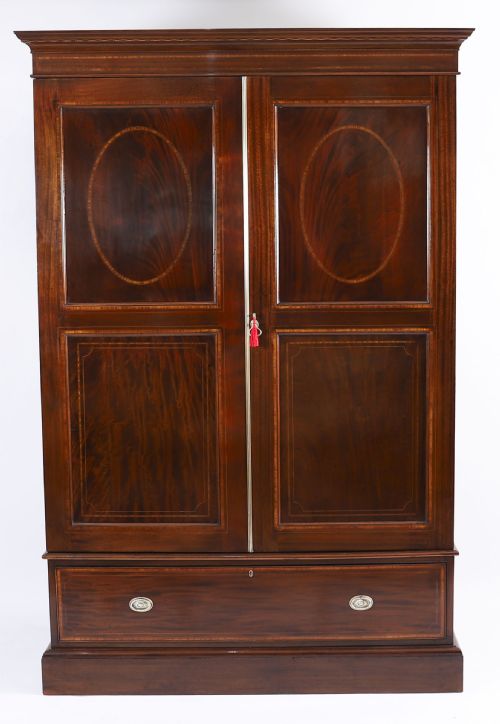
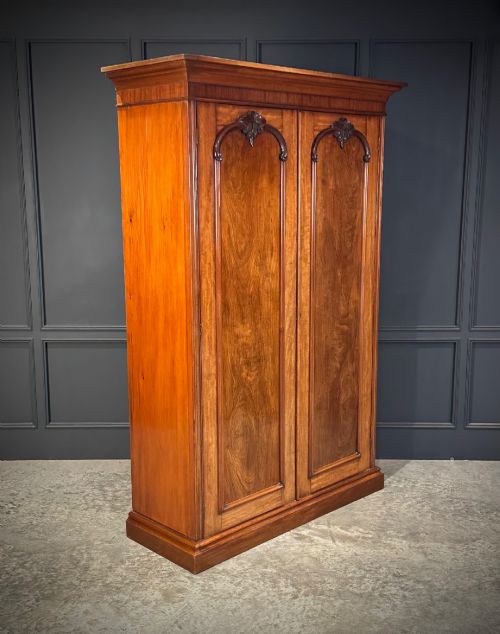
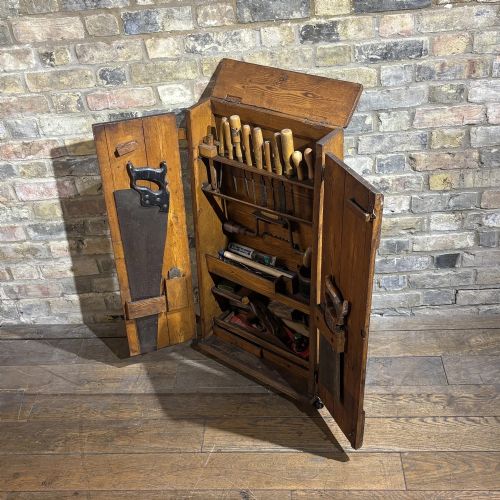
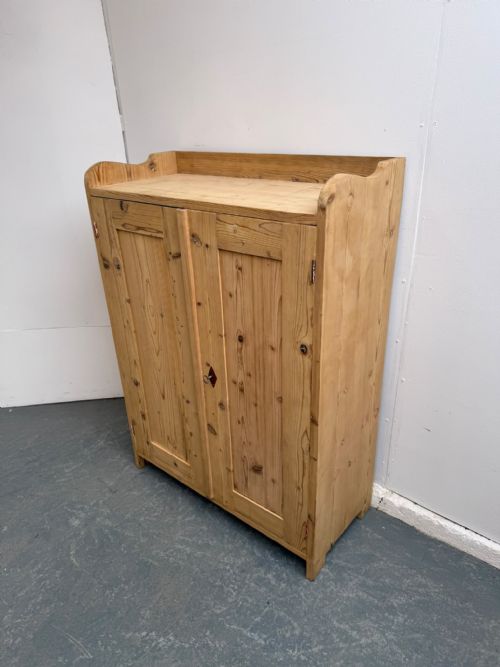
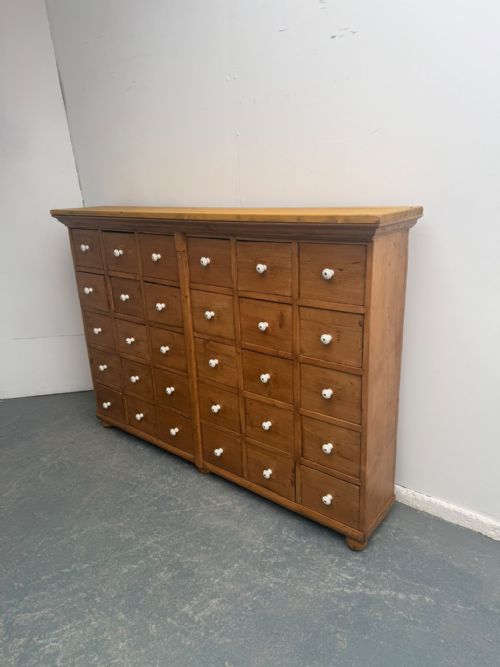
Buyers encounter numerous variations, ranging from large mahogany breakfront triple wardrobes to pitch pine tool cabinets and painted Hungarian shop fittings. These forms originate from diverse settings, including country estates, gamekeeper quarters, and draper shops, each shape dictated by its original utility.
How They Were Made
Construction relies heavily on timbers such as mahogany, burr walnut, oak, and pine, often finished with flame mahogany veneers or original paint layers. Brass hardware and glass panels frequently accent the primary woods, while structural joinery accommodates pieces that dismantle for transport.
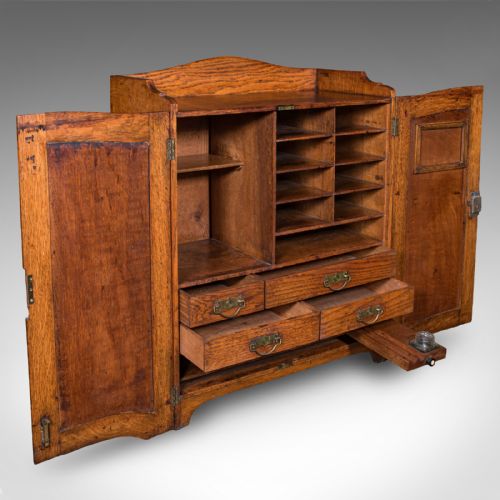
Cabinetmakers utilised specialised interior layouts like adjustable shelves, small drawers, and compartments, demonstrating advanced spatial planning within compact footprints. Surface treatments vary between waxed natural grains and historic painted finishes applied to pine and ash carcases.
Listings feature woods including mahogany, burr walnut, oak, satin birch, and pine alongside painted finishes.
What Varies in Quality
The standard of a victorian fitted cupboard depends on the selection of timber veneers, such as burr walnut or flame mahogany, and the integrity of internal fittings. Cabinets featuring complex configurations of drawers and shelves demonstrate superior cabinet-making ambition.
Originality of surface finish and hardware dictates distinction, with untouched painted pine shop fittings or factory-stamped maker details elevating the piece. The complexity of the internal architecture separates basic utility pieces from high-status commissions.
Shoolbred and Co·Heals·Howard and Sons·Goodhall Lamb and Heighway·Maple and Co·Holland and Sons
The Victorian Fitted Cupboard Glossary
- Compactum
- A fitted wardrobe combining hanging space, drawers, and shelving within a single unit. It provides comprehensive clothes storage.
- Linen Press
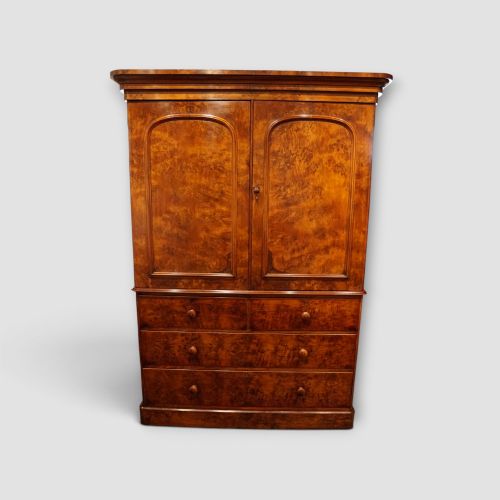
- A tall storage piece featuring upper sliding trays or shelves above a chest of base drawers. Originally designed for flat textiles.
- Shop Fitting
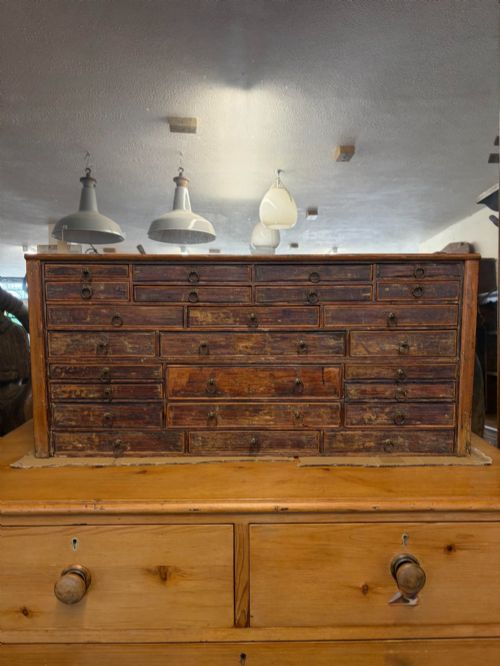
- Commercial cabinetry incorporating numerous small drawers or display compartments. These originate from nineteenth-century retail environments.
- Breakfront
- A cabinet design where the central section projects forward from the flanking wings. This creates visual depth and varied interior capacity.
Victorian Fitted Cupboard: Frequently Asked Questions
What is a compactum wardrobe?
A compactum is a specialised wardrobe designed to hold multiple types of clothing in one unified carcass.
It typically integrates hanging space alongside banks of internal drawers and linen slides.
How do I identify a linen press?
Linen presses feature upper cabinet doors enclosing sliding trays above a lower chest of drawers.
They were built to store folded textiles before modern hanging closets became standard.
Where were shop fittings used?
Shop fittings with numerous small drawers served merchants, drapers, and haberdashers for inventory organisation.
Their heavy bank construction allowed businesses to sort small goods efficiently.
Did nineteenth century cupboards dismantle?
Many large nineteenth century wardrobes and cupboards were constructed to partially dismantle for transit.
This engineering allowed monumental pieces to move through narrow domestic stairwells.