

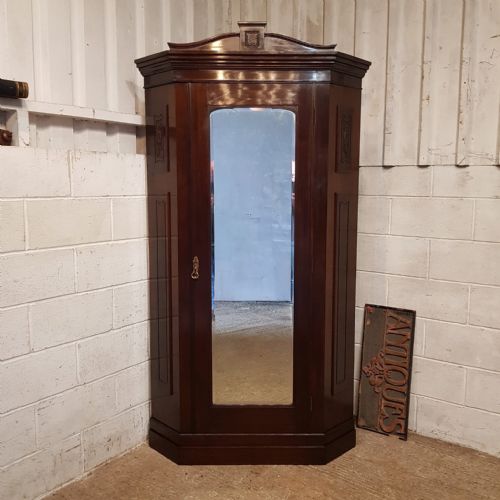

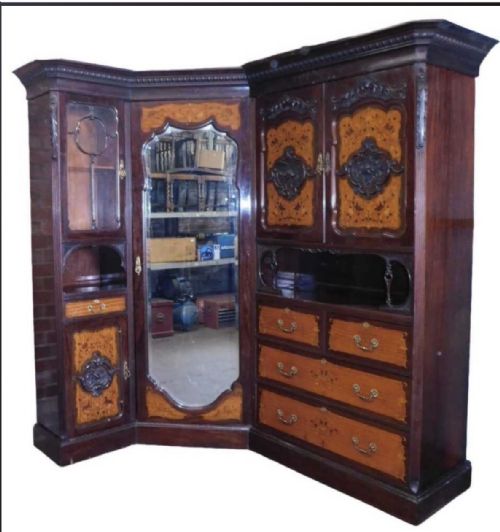
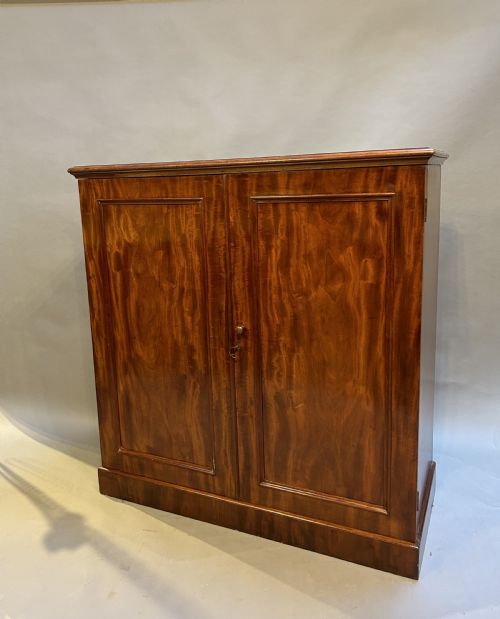
Victorian Fitted Armoire
A victorian fitted armoire brings substantial storage and timber presence to a bedroom, combining hanging space with internal drawers and compartments.
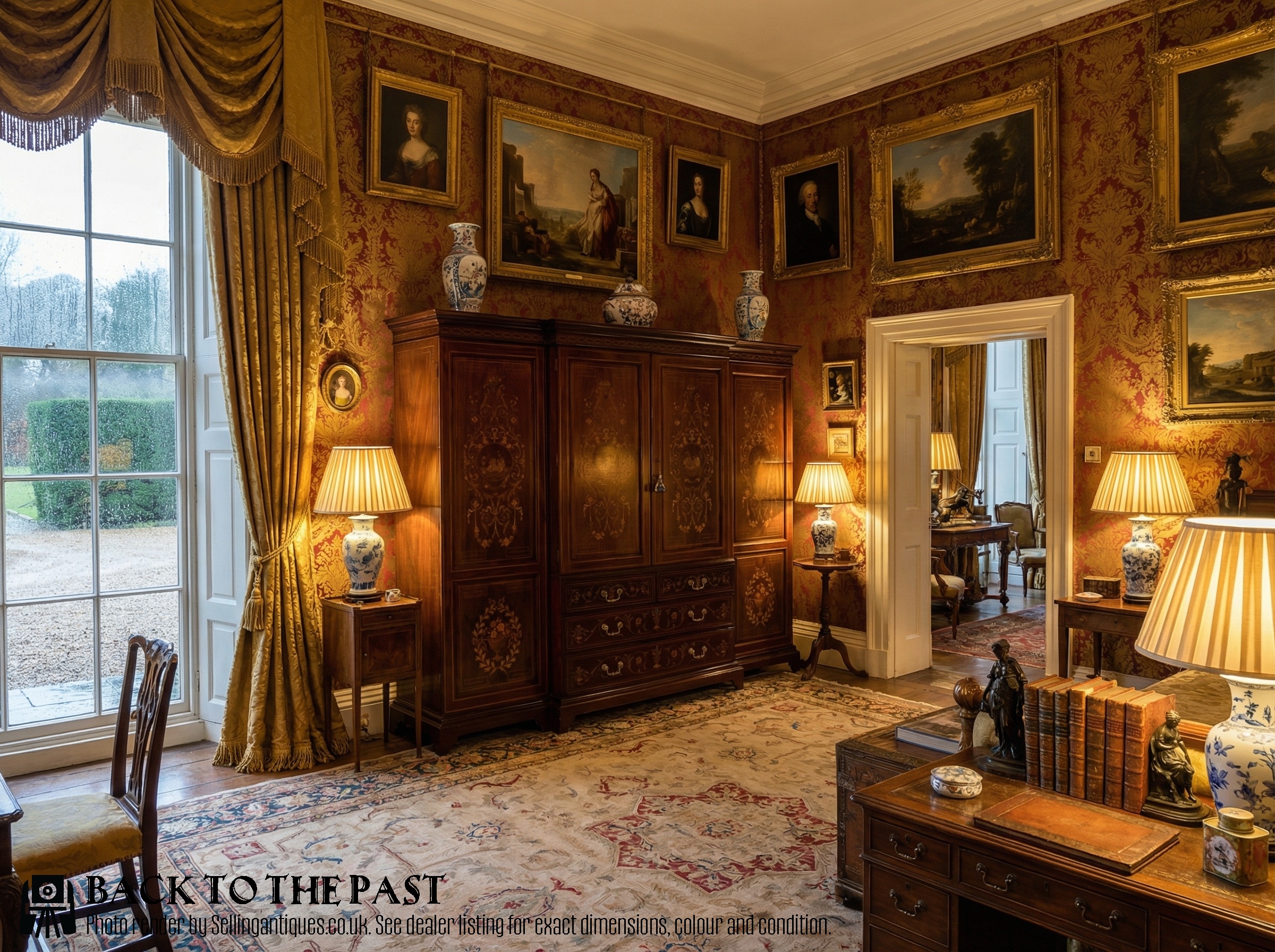
Victorian Fitted Armoire
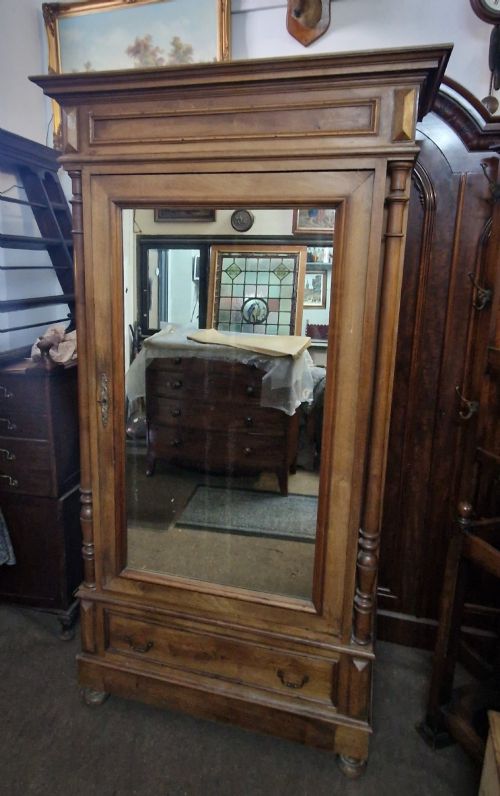
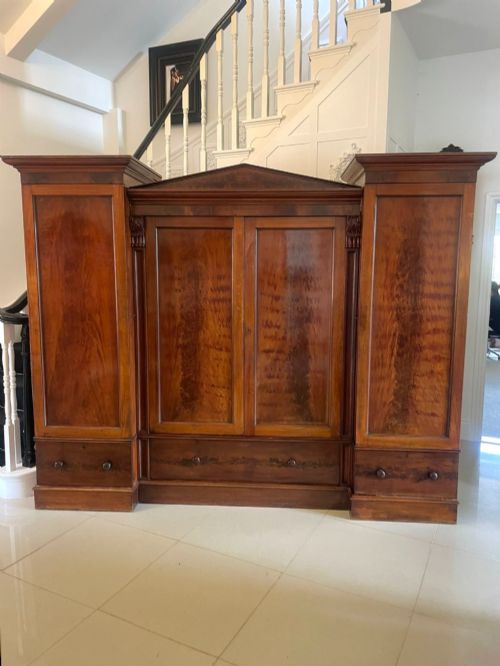
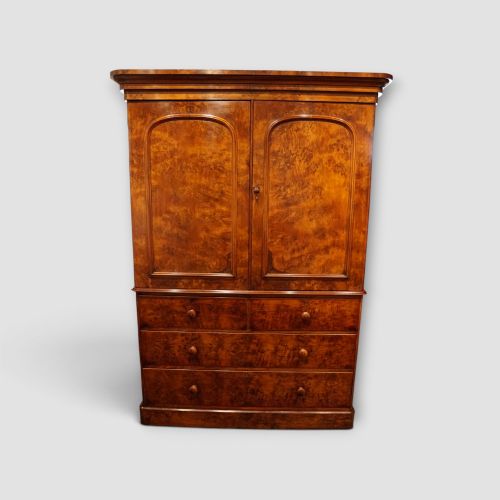
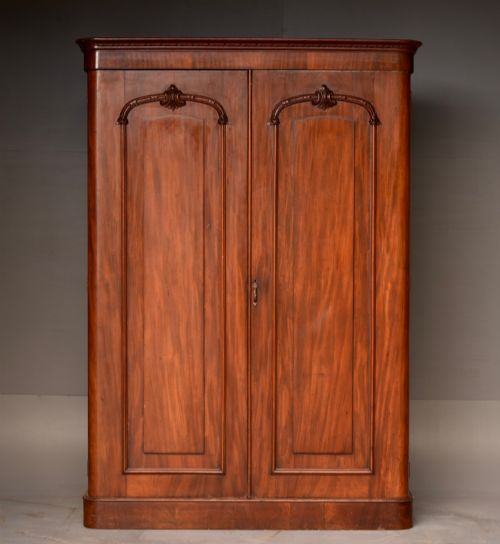
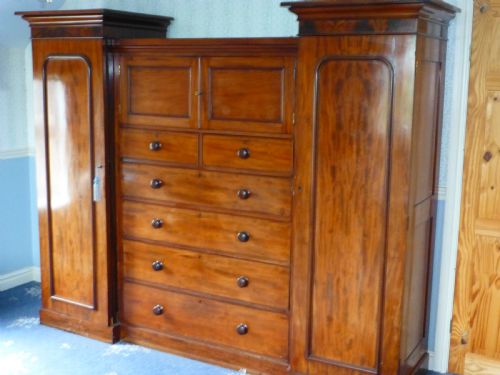
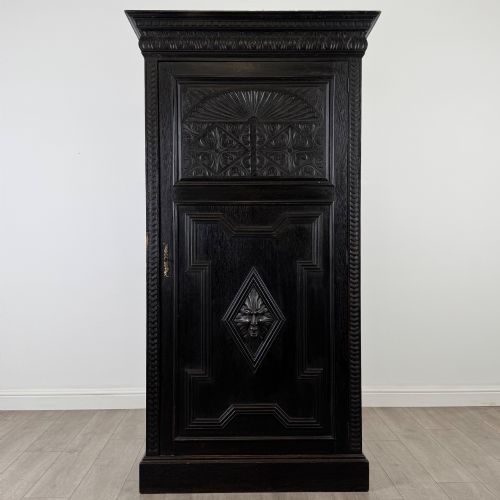
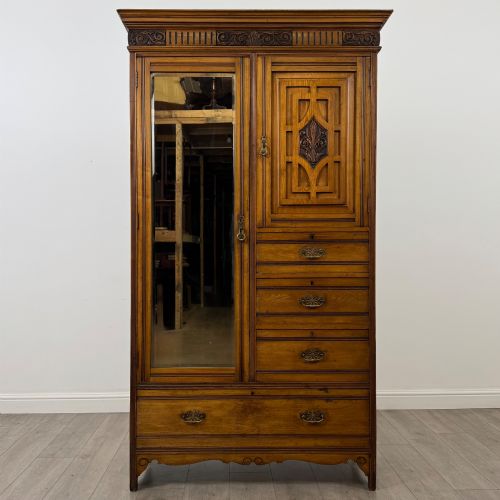
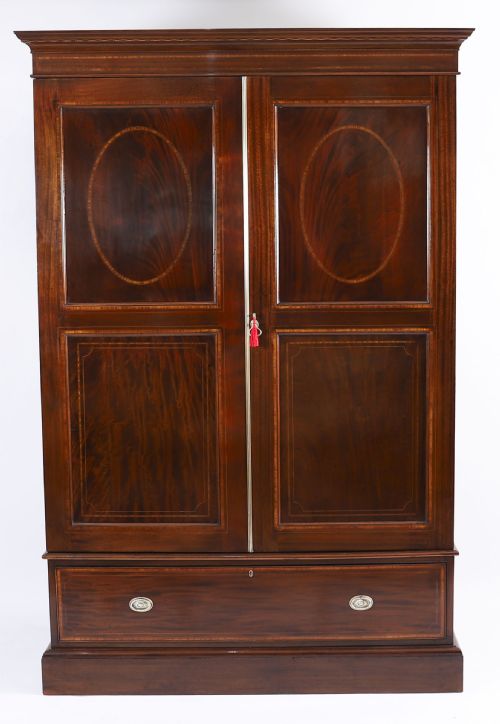
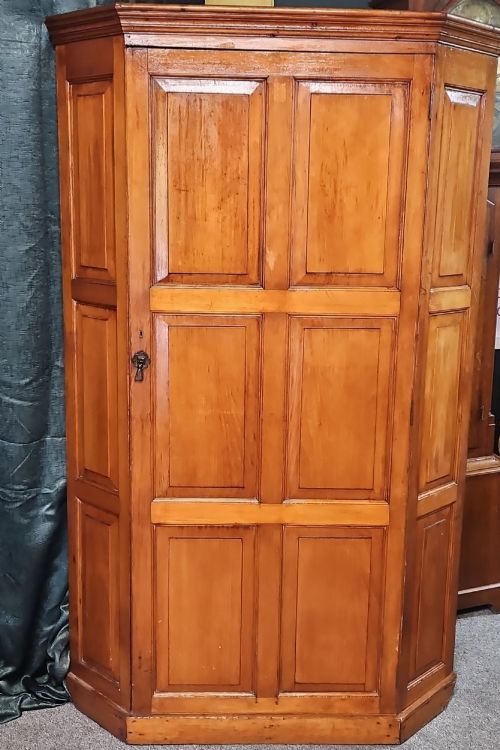
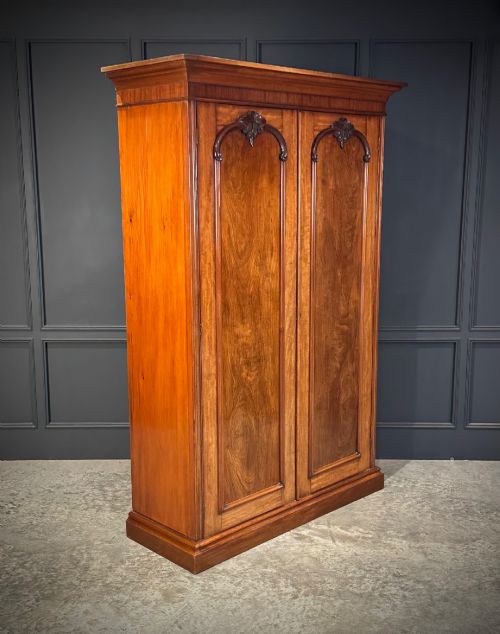
When you search for a victorian fitted armoire, you encounter large storage furniture designed for nineteenth-century bedrooms, including wardrobes, compactums, linen presses and housekeepers cupboards. These pieces provide extensive hanging capacity alongside fitted interior drawers, trays and shelving units.
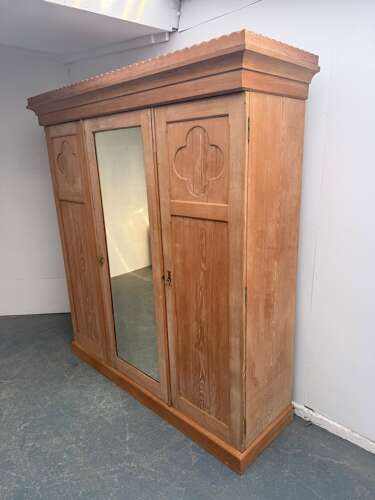
Origins span standard nineteenth-century production alongside revival styles such as George III, William IV and Gothic Revival, reflecting diverse domestic requirements across English, Irish and Channel Island workshops.
How they were made
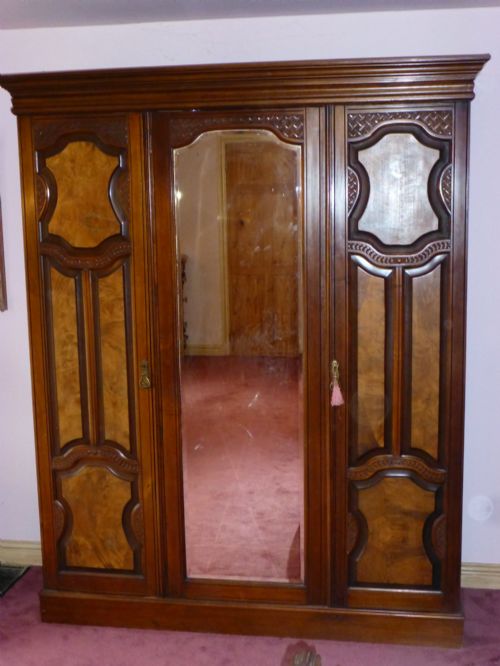
Construction relies primarily on solid foundational timbers like pine or oak, faced with figured veneers including flame mahogany, burr walnut and pollard oak to create striking exterior grain patterns. Brass hardware secures doors and internal fittings, while glass panels sometimes feature on central doors.
Joinery techniques accommodate the massive scale of these cabinets through sectional dismantling, allowing large breakfront and triple carcasses to be transported and reassembled on site using concealed bolts and slot-in cornices.
Victorian Fitted Armoire Retail Price Guide 2026
Typical asking prices for victorian fitted armoire among the pieces listed under this phrase on Sellingantiques today, from the lower quarter to the upper quarter. They describe what is for sale here now, not the wider market.
Listings feature extensive use of figured mahogany, burr walnut and flame mahogany veneers across Victorian wardrobes and linen presses.
What varies in quality
Quality reveals itself in the selection and bookmatching of timber veneers across large surface areas, where superior examples exhibit continuous grain flow across multiple doors and drawer fronts. The crispness of carved mouldings, inlay work involving satinwood or rosewood, and the integration of secondary internal compartments distinguish workshop output.
Structural integrity depends on the precision of original internal partitions, drawer dovetailing and the robustness of hanging mechanisms. Pieces attributed to documented makers display superior secondary wood selection and more complex internal configurations.
Holland and Sons·Gillows·Heals·Robert Strahan of Dublin·Edwards and Roberts
The Victorian Fitted Armoire Glossary
- Compactum
- A multi-compartment wardrobe featuring a combination of hanging space, sliding trays and internal drawer stacks within a single carcass.
- Breakfront
- A cabinet facade where the central section projects forward from the flanking outer wings, creating depth and architectural presence.
- Linen Press
- A storage piece featuring upper cabinet doors enclosing sliding wooden trays above a lower chest of drawers for folded textiles.
- Flame Mahogany
- Timber cut from the fork of the mahogany tree to produce a distinctive flickering flame-like grain pattern.
- Burr Walnut
- Wood harvested from walnut tree growths that yields an intricate, swirling cluster of small knots and rich figuring.
Victorian Fitted Armoire: Frequently Asked Questions
How do I dismantle a large wardrobe?
Most large wardrobes separate into distinct components including a heavy cornice, flanking side wardrobes, a central section and a base plinth, held together by internal bolts or wedges.
Marking each piece during disassembly ensures straightforward reassembly in a new room.
What is a compactum wardrobe?
A compactum combines hanging wardrobes with built-in drawers, shelves and linen slides in one comprehensive unit.
This layout allowed nineteenth-century users to store both full-length garments and folded items inside a single piece of furniture.
Will these wardrobes fit modern rooms?
These pieces were built on a grand domestic scale with significant height and depth, requiring careful ceiling height and floor space measurements.
Because many dismantle into sections, they can be maneuvered into rooms that would otherwise block a rigid, one-piece cabinet.
How do I care for polished mahogany?
Maintain polished mahogany surfaces by dusting with a soft cloth and applying traditional beeswax periodically to nourish the timber.
Avoid placing these cabinets near direct heat sources or strong sunlight to prevent the veneer from drying out or fading.