




Victorian Fireplace Panel
A victorian fireplace panel brings nineteenth-century warmth and craft into a room, serving as both a functional hearth guard and a focal point.
Victorian Fireplace Panel
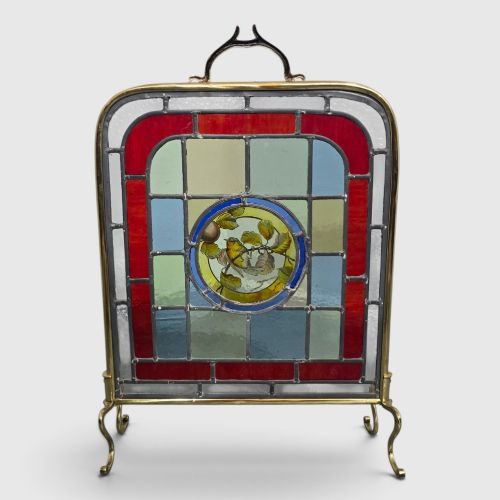
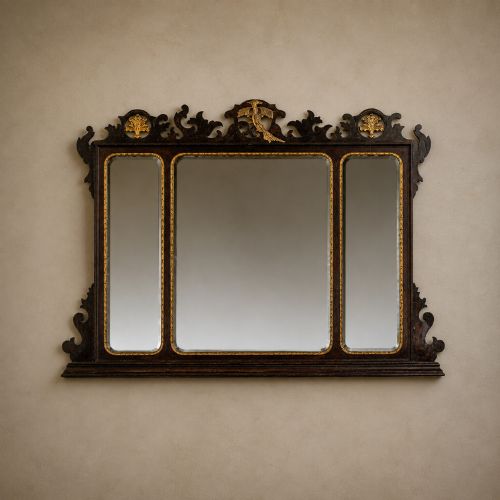
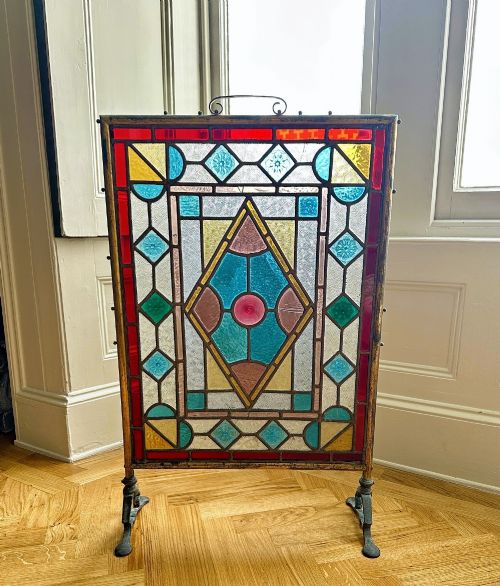
When you search for a victorian fireplace panel, you encounter a diverse group of nineteenth-century hearth furnishings designed to manage heat or adorn the wall above the mantelpiece. The selection bridges two distinct domestic objects: freestanding firescreens intended to shield occupants from the blaze and architectural overmantel mirrors fitted with wooden or gilt frames.
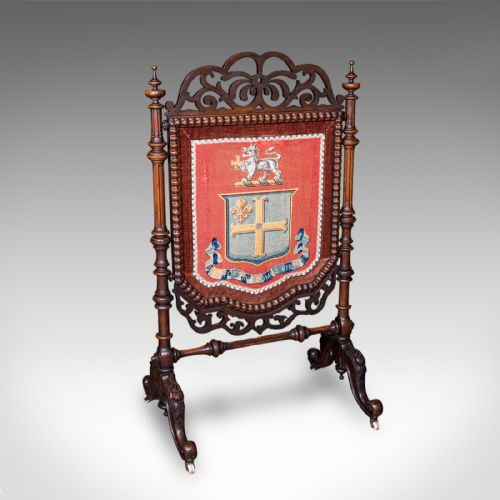
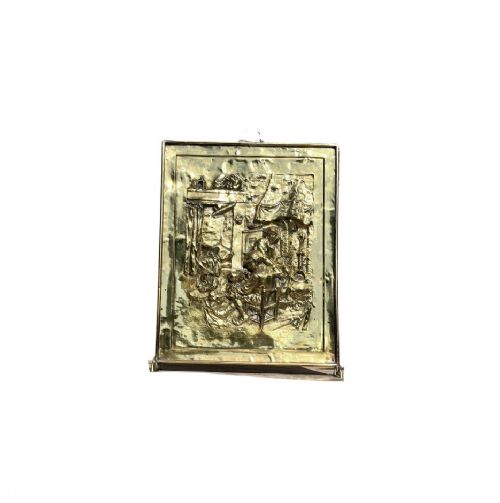
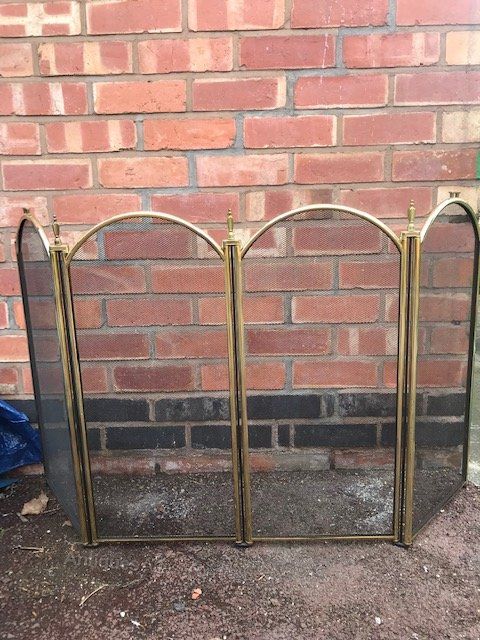
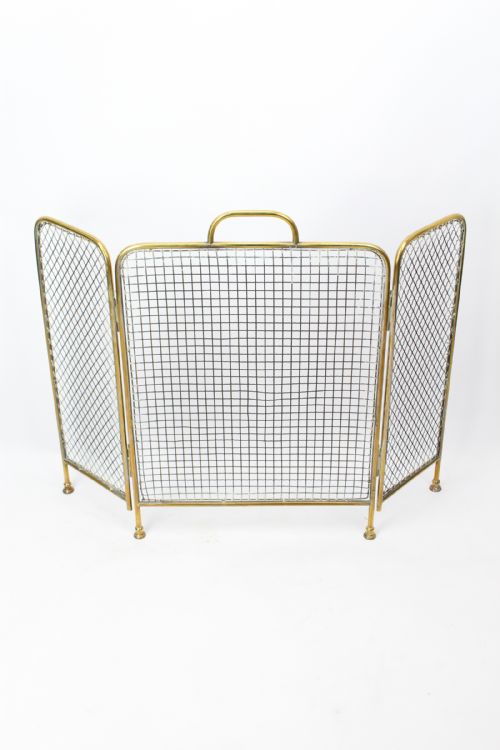
The most frequent examples on this page combine timber frames with textile inserts, such as needlepoint, woolwork, or silk embroidery depicting pastoral scenes and armorial crests. Alongside these textile screens, the inventory includes folding brass spark guards, copper panels, and heavy carved oak or walnut overmantels spanning the Victorian, Arts and Crafts, and Aesthetic periods.
How they were made
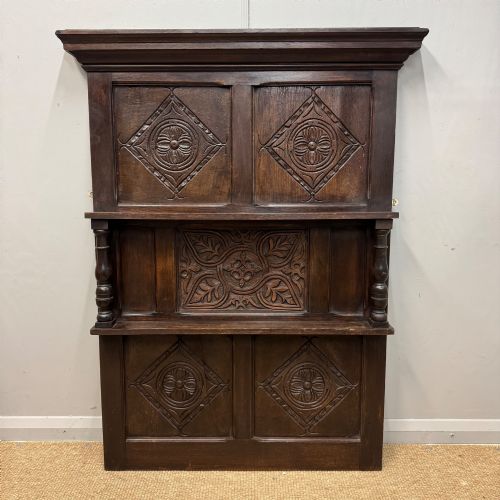
Maker workshops utilised traditional cabinet-making timbers including mahogany, walnut, oak, and rosewood to construct the structural frames, often enriching the surfaces with ebonising, parcel-gilt, or intricate carvings in styles ranging from Rococo Revival to Gothic. Metalwork items relied on hand-beaten copper, forged iron, and cast brass, sometimes incorporating folding sections or adjustable poles for versatility.
Textile panels demanded hours of domestic or professional needlework, employing wool, silk, and canvas to stitch intricate tapestries and needlepoint designs that were then secured within wooden mounts. Glass production for the mirror variants involved heavy plate glass, occasionally divided into triple plates and framed by giltwood mouldings or crestings.
Listings feature periods spanning from the early Victorian era through the Arts and Crafts and Aesthetic movements, utilising brass, wrought iron, walnut, and oak.
What varies in quality
Quality rests in the harmony between the structural woodwork and the decorative infill, where crisp hand-carving and securely mounted textiles distinguish finer examples from standard production pieces. The calibre of the needlework panel, particularly the tightness of the stitch and the complexity of the pictorial subject, dictates the visual weight of a firescreen.
In overmantel mirrors and metal guards, the integrity of the original gilding, the absence of heavy silver loss on the glass plate, and the robustness of the ironwork hinges reveal the original workshop standard. Pieces retaining uncompromised heraldic embroidery or specialised framing details such as Ho-Ho bird crestings represent the upper tier of the survivals.
The Victorian Fireplace Panel Glossary
- Firescreen
- A portable panel placed before a fireplace to shield occupants from radiant heat when the hearth is not fully ablaze.
- Overmantel
- A large mirror or decorative panel designed to be hung specifically on the wall directly above a fireplace mantelpiece.
- Needlepoint
- Embroidery stitched onto a canvas mesh ground, frequently employed for the decorative central panels of nineteenth-century screens.
- Pole screen
- A type of firescreen featuring a vertical wooden shaft on a weighted base, allowing the embroidered panel to slide vertically to adjust for heat.
- Spark guard
- A metal mesh or folding brass screen intended primarily to catch stray embers leaping from an active fire.
- Aesthetic Movement
- A late nineteenth-century design style emphasising visual beauty and artistic expression over traditional moral narratives.
Victorian Fireplace Panel: Frequently Asked Questions
What is a victorian fireplace panel used for?
These panels served practical and decorative functions in nineteenth-century homes, either blocking excessive heat from the fire or protecting the room from stray sparks.
Overmantel versions were mounted above the fireplace to reflect candlelight and amplify the sense of light and space within the room.
How do I distinguish an overmantel from a firescreen?
An overmantel is a wall-mounted mirror or architectural wood panel designed to sit permanently above the mantelpiece shelf.
A firescreen is a freestanding piece of furniture equipped with feet, legs, or an iron stand so it can stand directly on the hearth floor.
Are the textile panels original to the frames?
Many screens retain their original hand-stitched needlework, woolwork, or silk embroidery, which often depicts pastoral scenes or family crests.
Because textiles were susceptible to wear and fading, some pieces show evidence of period repair or later sympathetic restitching.
How do I care for antique brass and wood?
Maintain wooden frames with gentle dusting and occasional appropriate wax application to nourish the antique timber surface.
Brass spark guards and metal panels respond best to light cleaning without abrasive chemicals to preserve their aged finish.