
Victorian Fine Art Picture
When you search for a victorian fine art picture, you uncover 19th-century oil paintings, watercolours, and needlework that capture the artistic ambitions of the period.
Victorian Fine Art Picture
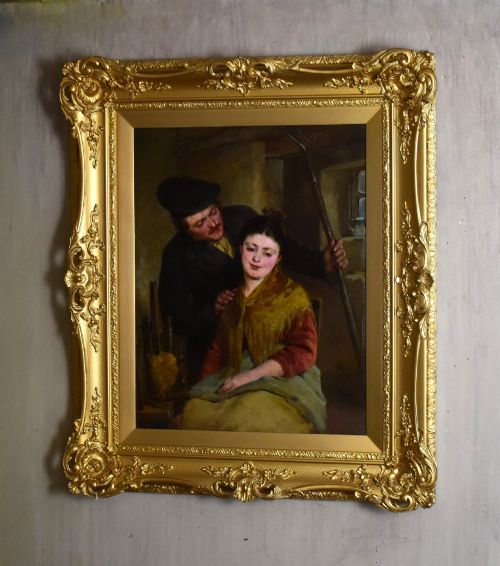
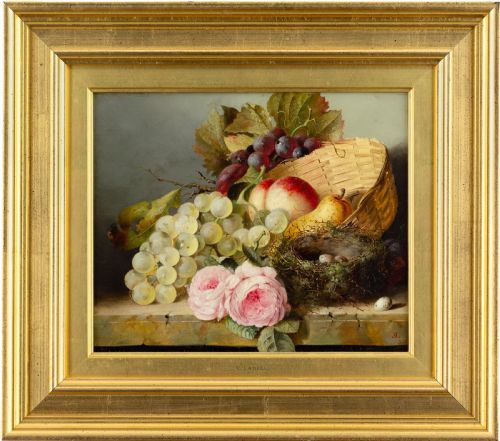
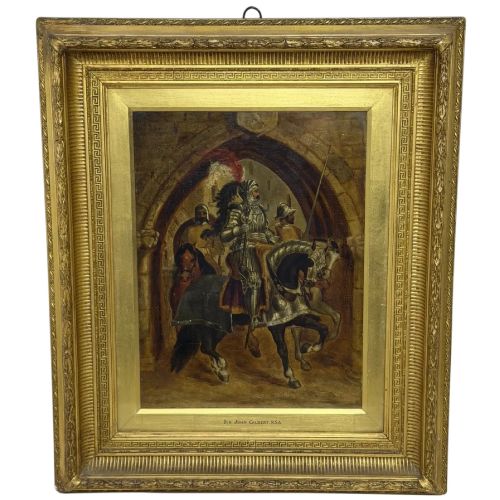
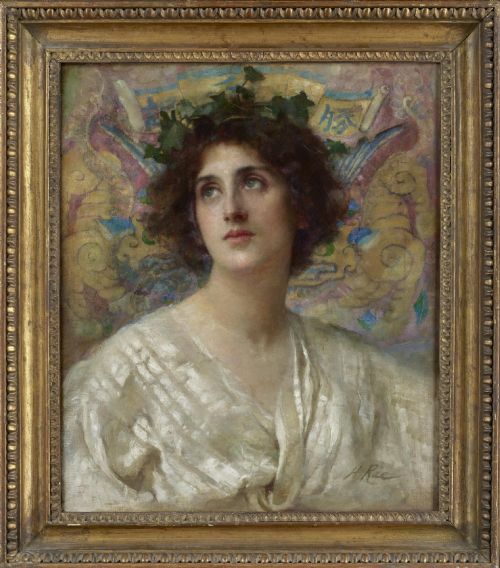
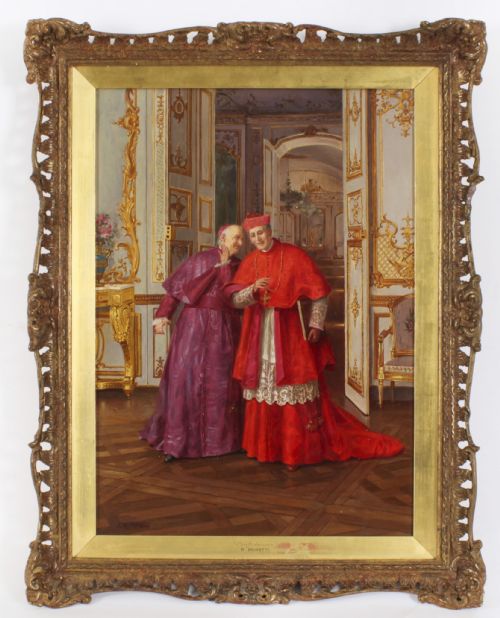
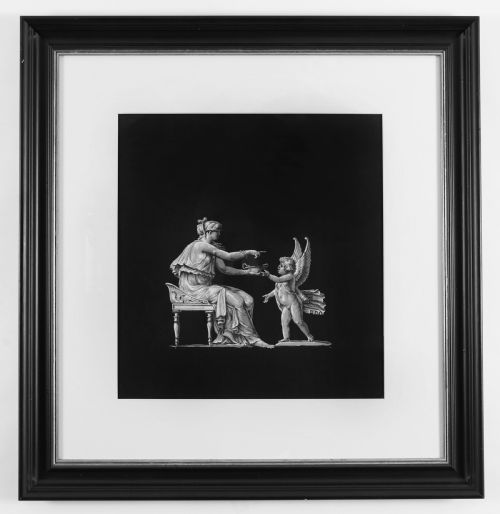
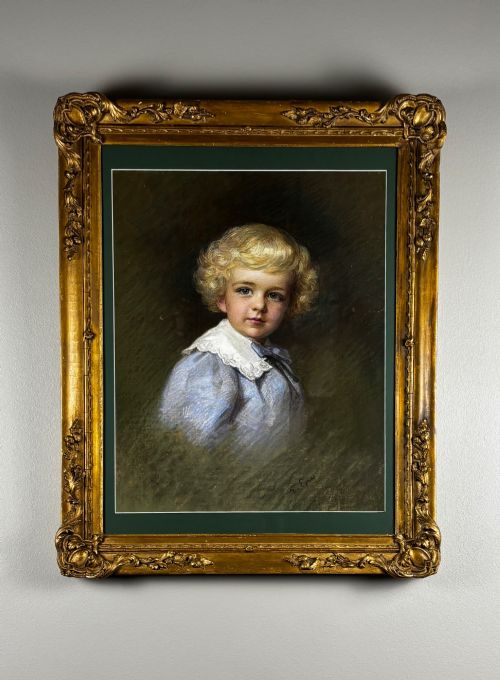
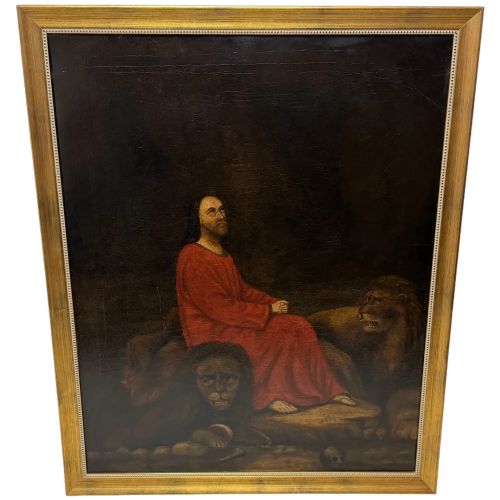
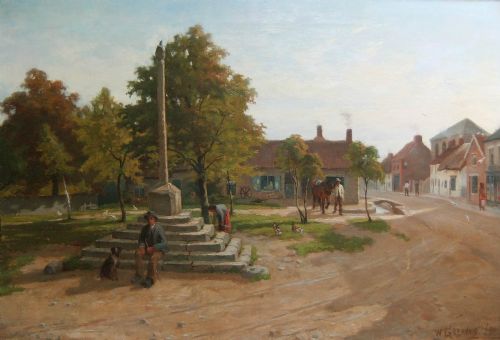
A victorian fine art picture spans oil paintings on canvas or panel, detailed watercolours, pastels, and silk needleworks produced across the nineteenth century and into the early twentieth century. These works range from grand historical narratives and portraits to pastoral landscapes, still lifes, and domestic genre scenes.
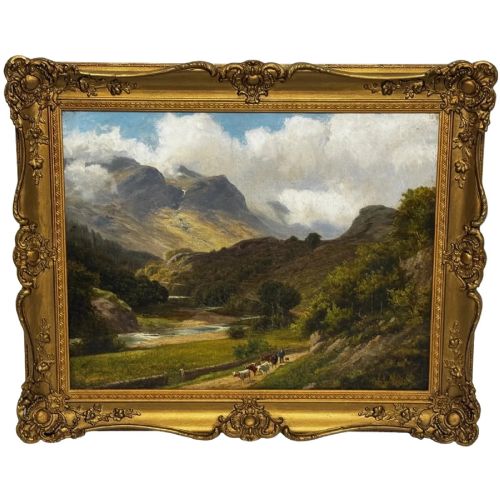
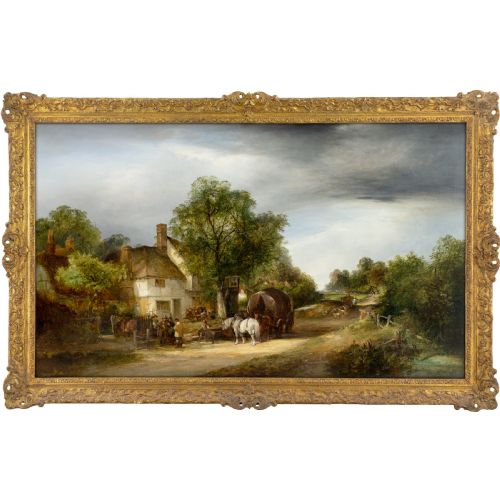
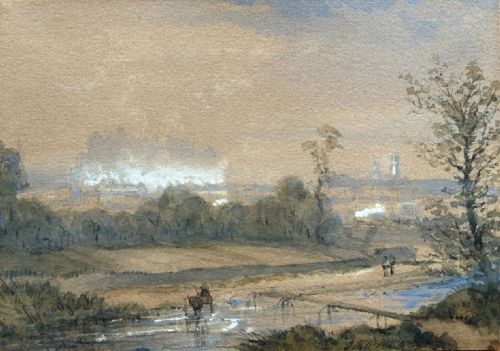
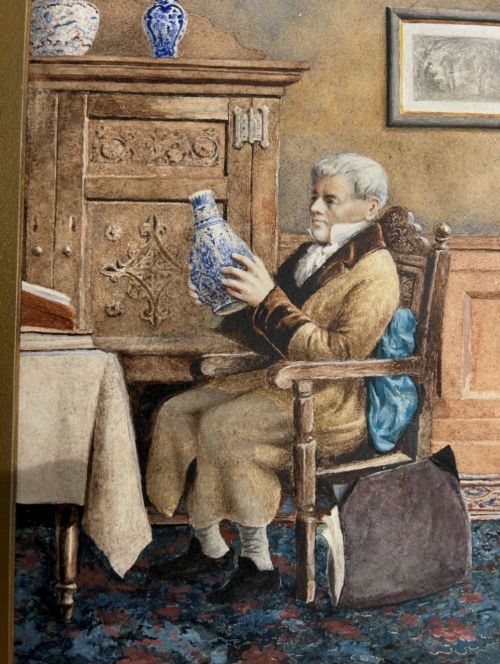
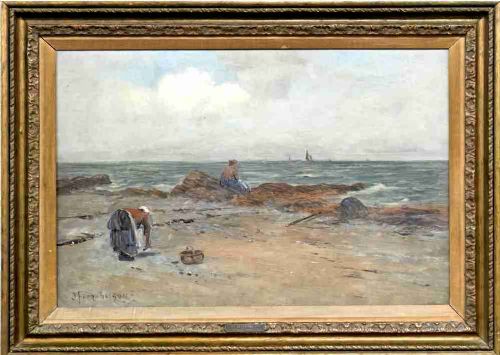
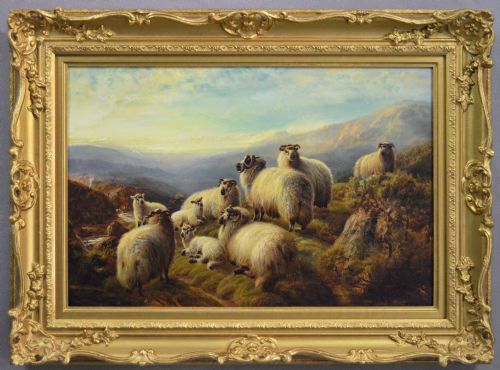
You are most likely to encounter framed landscape and genre watercolours alongside oil paintings depicting sheep, cattle, and rural British or European views. The works reflect distinct regional schools and popular aesthetic movements, including realism and pastoralism.
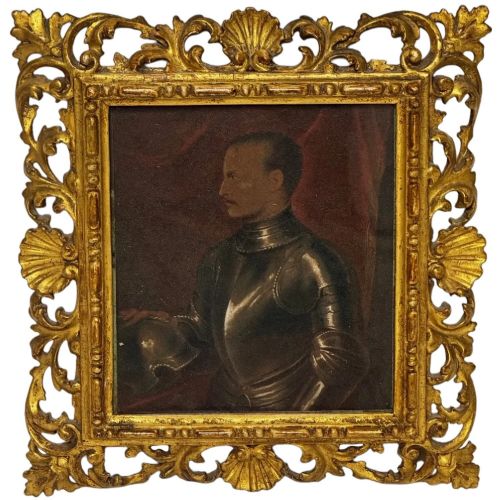
The objects frequently retain their original housing, which includes heavy wood frames enriched with gesso and gilt. This combination of painting and period frame defines the typical presentation found within these listings.
How they were made
Artists painted primarily with oil or watercolour pigments on prepared canvas, wood panel, or heavy paper supports. Canvas was stretched over wooden frames, while panels offered a rigid surface for detailed brushwork.
Frames were constructed from wood and frequently ornamented with moulded gesso before being gilded or painted. These surrounds protected the picture surface and completed the decorative presentation of the artwork.
Some pastoral scenes hide remarkably detailed flocks of sheep painted with individual expressions.
What varies in quality
The strength of draftsmanship, anatomical accuracy, and composition separates individual works. Skilled artists handled light, shadow, and texture with precision, creating depth and realism within landscapes and figure studies.
The integrity of the original materials also differentiates pieces. Works that retain stable paint layers, vibrant pigments, and untouched original giltwood frames demonstrate superior preservation.
John R Prentice·Henry Stacy Marks·Howard Helmick·Edward Ladell·Sir John Gilbert·Henrietta Rae·Joseph Farquharson·Renato Moretti·Emily Eyres·Robert Watson·Thomas Kent Pelham·Henry Schouten·Harry Brooker·Bertram Priestman·Cornelius Pearson·Charles Gregory·William Etty·Thomas Sidney Cooper·Arthur Herbert Rigg·Charles Burton Barber·Arthur Tucker·Eugene Verboeckhoven·George Vicat Cole·William Duffield·Frederick Tully Lott
The Victorian Fine Art Picture Glossary
- Oil on canvas
- A painting technique where pigment suspended in drying oil is applied to a stretched woven fabric support. This method allows for rich colour blending and textured brushwork.
- Watercolour
- A paint consisting of colourants suspended in a water-soluble vehicle, typically applied to paper. It produces translucent washes of colour.
- Gesso
- A plaster-like mixture applied to wood frames to create a smooth surface for gilding. It is often moulded into decorative relief patterns.
- Genre painting
- The pictorial representation of scenes from everyday life, involving ordinary people engaged in common activities. These works often carry narrative or moral themes.
- Provenance
- The documented history of ownership of an artwork, establishing its authenticity and origin. A clear record adds historical context to the piece.
Victorian Fine Art Picture: Frequently Asked Questions
How do I identify the period of a painting?
Examine the materials, stretcher construction, and framing style alongside any signatures or exhibition labels. Nineteenth-century works often use specific canvas stamps and hand-carved gesso frames characteristic of the era.
Subject matter and costume also offer clues to the decade of creation. Comparing the technique to documented works by the artist helps narrow the date further.
Are watercolours as valuable as oil paintings?
Value depends on the artist, condition, and quality of execution rather than the medium alone. Highly finished watercolours by listed Victorian painters often command strong interest from collectors.
Works on paper require careful framing behind glass to protect them from light and moisture damage. This preservation dictates their long-term stability and market presence.
Should I reframe an antique artwork?
Original frames provide historical context and contribute to the piece's character. Retaining the period housing is generally preferred by collectors, even when minor wear is present.
If a frame is structurally unstable or entirely incorrect for the period, conservation or replacement with a period-appropriate alternative may be considered.
How should I display oil paintings at home?
Position paintings away from direct sunlight, heat sources, and damp environments to protect the canvas and paint layers. Stable indoor temperatures prevent warping of wooden panels and stretcher bars.
Ensure the wall fixings match the weight of the heavy timber and gesso frames. Proper hardware keeps the artwork secure without straining the original structure.