

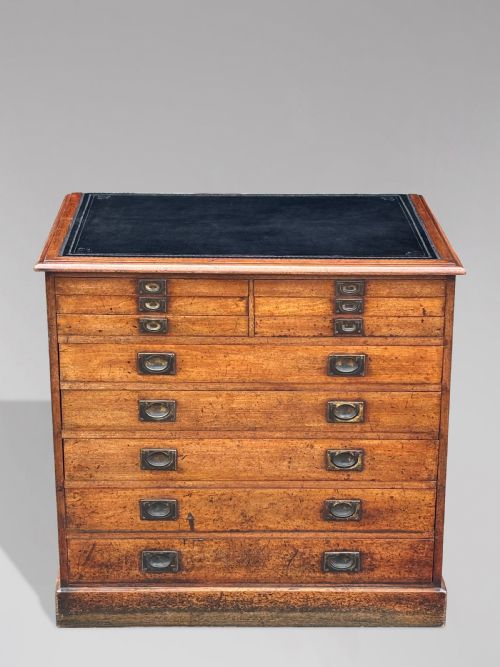
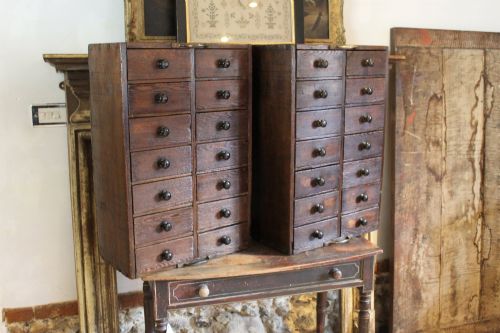


Victorian Filing Chest
A victorian filing chest organises paperwork and specimens efficiently, bringing robust nineteenth-century carpentry into a modern study or office.
Victorian Filing Chest
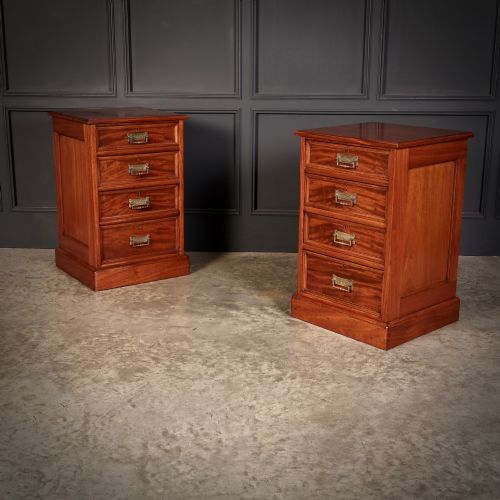
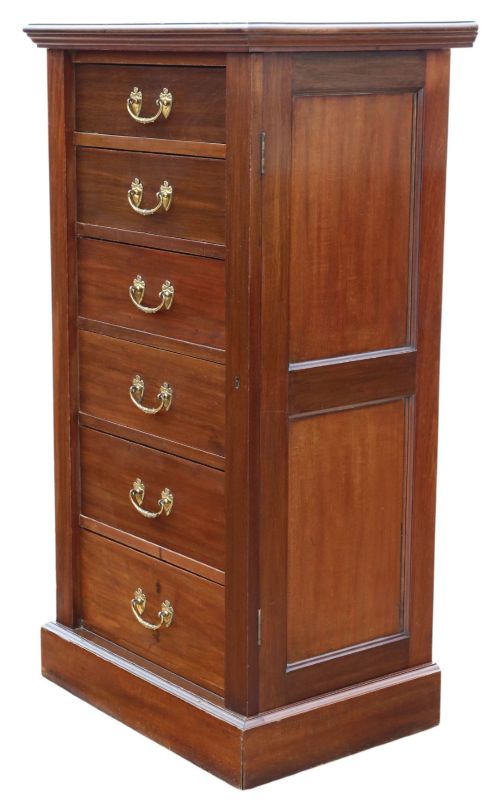
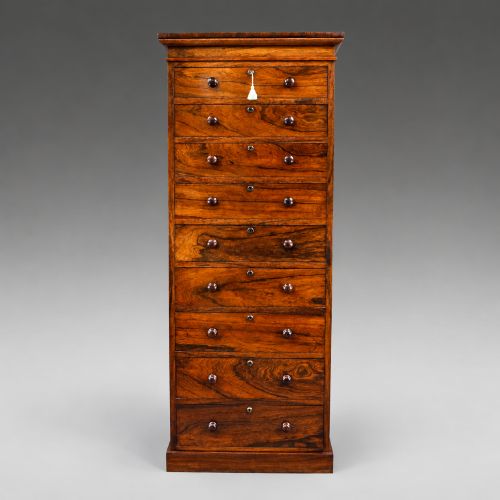
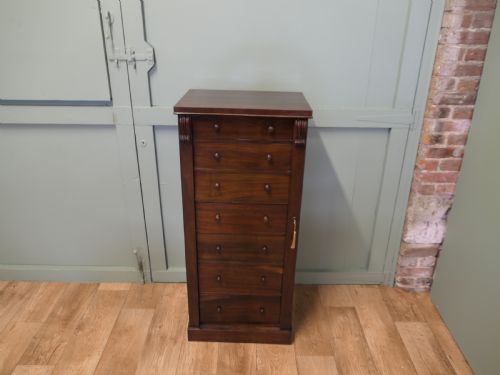
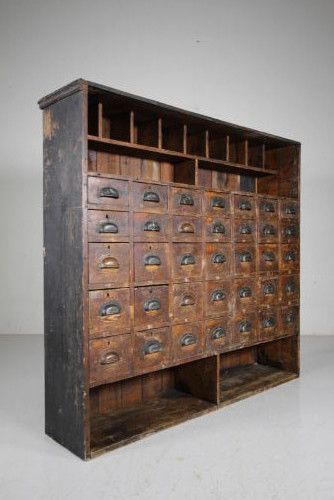
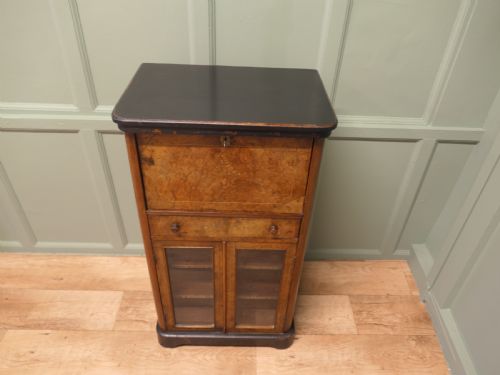
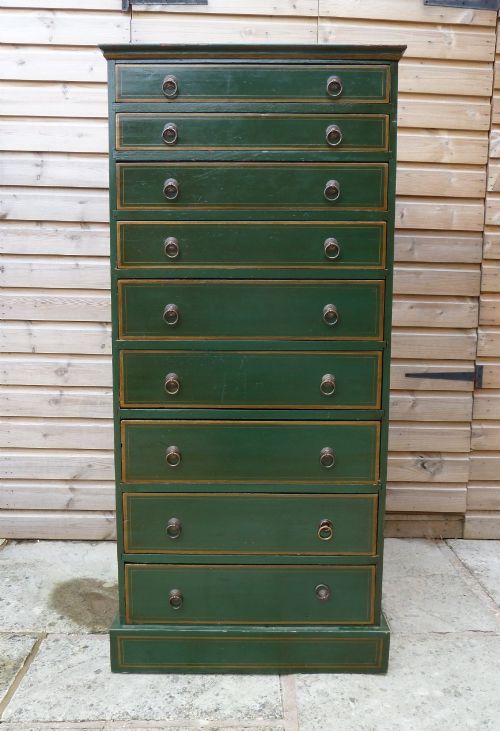
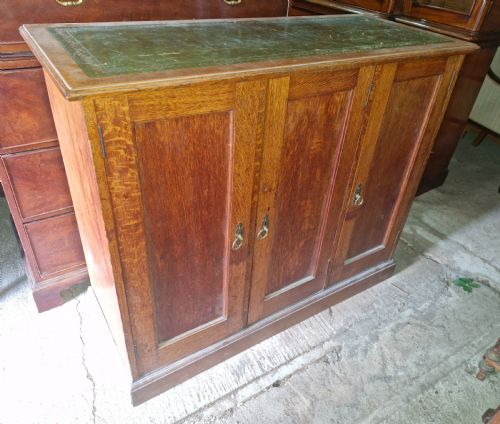
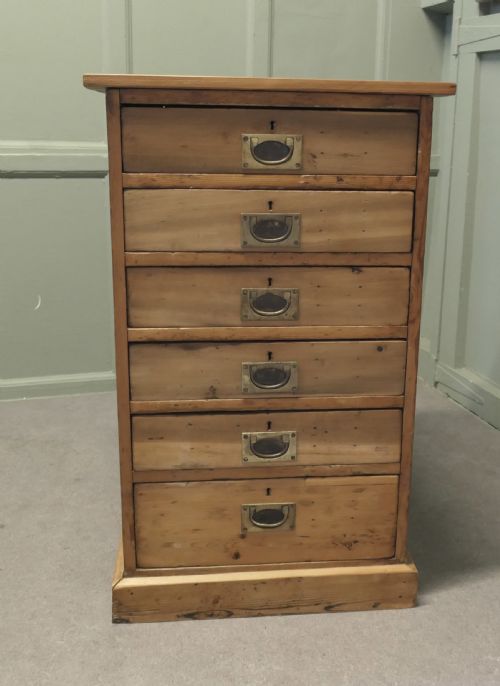
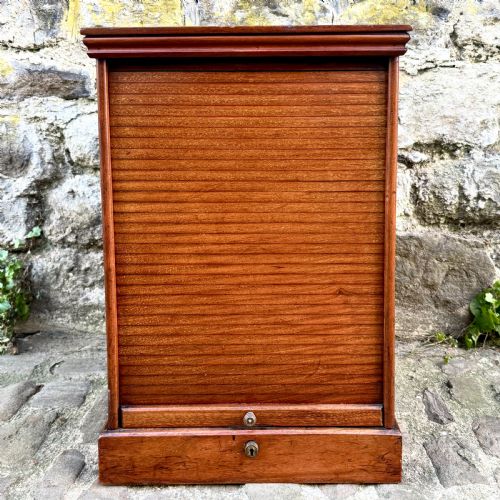
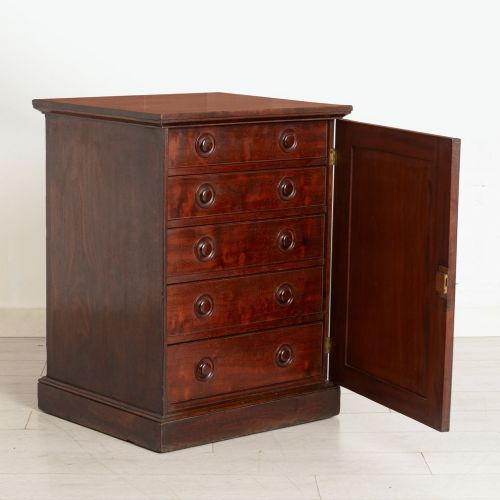
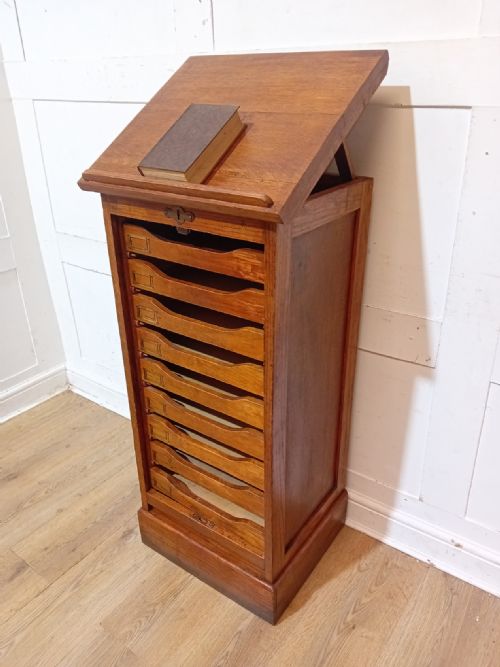
A victorian filing chest encompasses tall banks of drawers, narrow Wellington chests, and modular office cabinets designed for systematic sorting. These pieces originate primarily from the nineteenth century, spanning various utilitarian and domestic iterations.
Buyers most frequently encounter tall walnut and mahogany drawer stacks alongside pine and oak office units. Many examples adapt architectural, musical, or collector storage functions for modern document organisation.
Materials and Construction
Cabinetmakers constructed these filing units using dense hardwoods like mahogany, walnut, and rosewood, alongside durable utilitarian softwoods such as pine and oak. Brass hardware frequently secures drawers and locking stiles.
Joinery methods prioritise structural integrity, utilising dovetailed drawer boxes and robust carcase frames to support heavy loads of paper, plans, or specimens over decades of daily use.
Victorian Filing Chest Retail Price Guide 2026
Typical asking prices for victorian filing chest among the pieces listed under this phrase on Sellingantiques today, from the lower quarter to the upper quarter. They describe what is for sale here now, not the wider market.
Listings demonstrate timber variety including mahogany, walnut, rosewood, oak, and pine across nineteenth-century cabinet forms.
Craftsmanship and Timber Selection
Superior examples distinguish themselves through highly figured timber veneers, such as burr walnut and flame mahogany, matched carefully across multiple drawer fronts. Secondary woods like oak and pine remain sound and thick in better workshops.
Mechanisms also divide the grades, seen in smoothly operating locking security bars on Wellington chests and finely turned brass pulls. Heavy carcase construction without sagging partitions indicates higher original status.
Maple and Co·D Napier and Sons·Amberg
The Victorian Filing Chest Glossary
- Wellington Chest
- A tall, narrow chest of drawers secured by a hinged locking stile that fastens over the drawer edges with a padlock or key. This locking mechanism prevents unauthorized access to all drawers simultaneously.
- Bank of Drawers
- A large, multi-drawer cabinet designed for commercial, trade, or institutional sorting. These units typically feature numerous shallow compartments.
- Campaign Chest
- Modular furniture built in sections with recessed brass handles and corner brackets for easy transport during travel. They separate into distinct modular boxes.
- Collector Cabinet
- Specialist storage with shallow drawers intended for specimens, coins, or documents. These interiors sometimes retain original baize or fitted partitions.
- Graduated Drawers
- A series of drawers increasing in depth from top to bottom within the same carcase. This arrangement balances the visual weight of the chest.
Victorian Filing Chest: Frequently Asked Questions
What were bank of drawers used for?
Banks of drawers served in trade, banking, and institutional settings for sorting paperwork, ledgers, or small inventory items. Their numerous shallow compartments kept documents flat and ordered.
Today, buyers repurpose these substantial timber units for home office organisation and studio storage.
Are campaign filing chests portable?
Campaign furniture is constructed in separate stacked sections with inset brass carrying handles and corner reinforcement. This modular build allowed military officers and travellers to pack and move heavy storage units easily.
Most surviving pieces remain heavy despite their modular design due to solid mahogany or pine construction.
How to identify period timber?
Nineteenth-century pieces typically display dense grains in timbers like mahogany, walnut, and rosewood, often complemented by hand-cut dovetails on drawer interiors. Secondary woods like pine or oak appear inside and at the back.
Patina develops naturally through handling and age, showing depth rather than uniform modern finishes.