





Victorian Figure Studies
Victorian figure studies capture the human form and character through the meticulous hand of nineteenth-century artists and makers.
Victorian Figure Studies
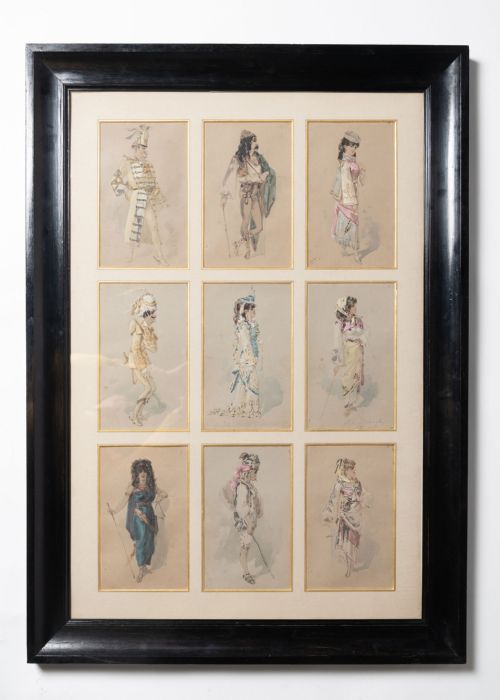
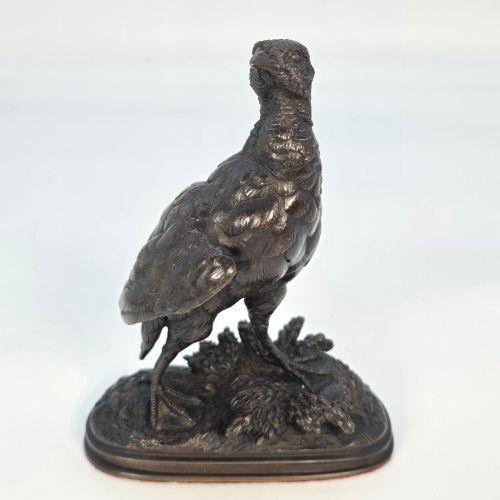
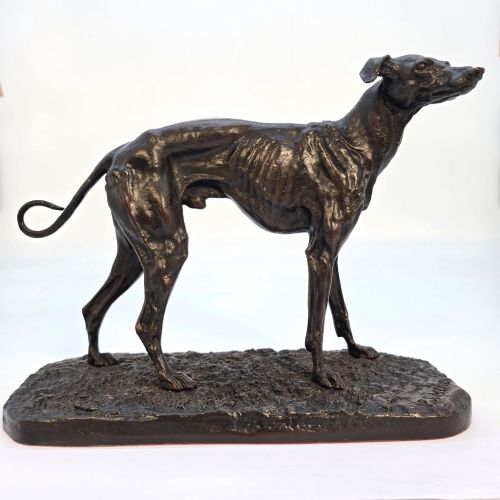
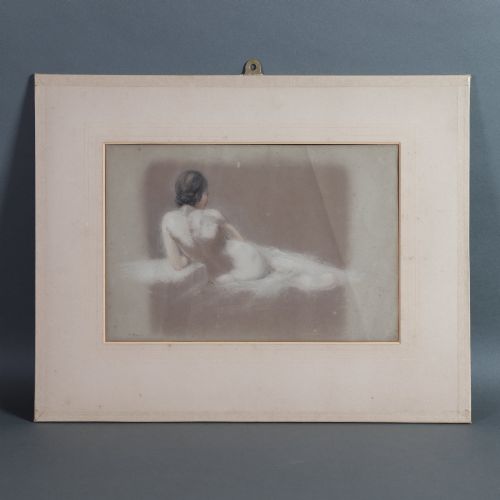
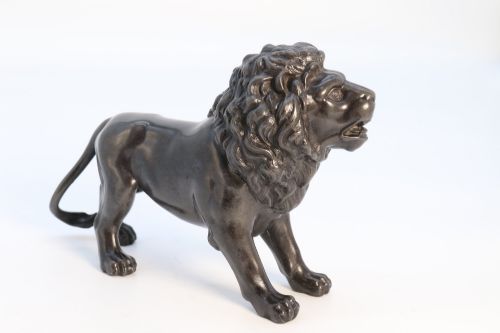
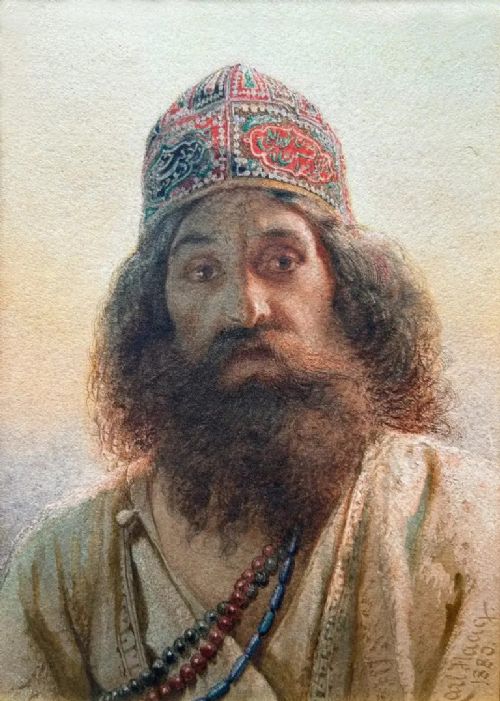
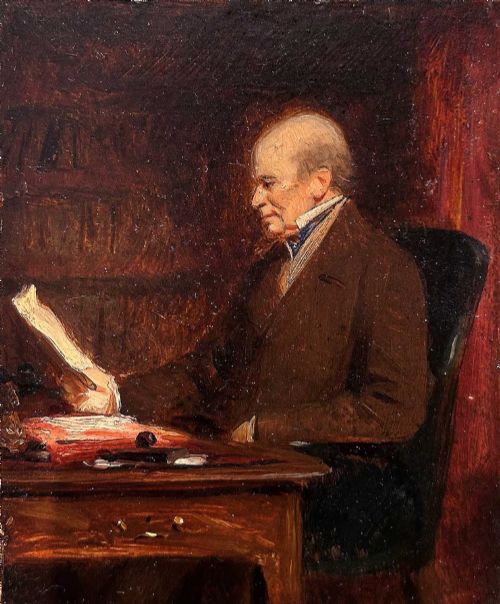
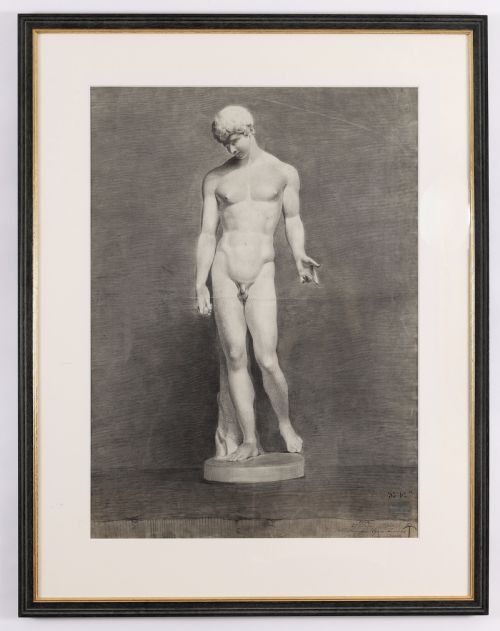
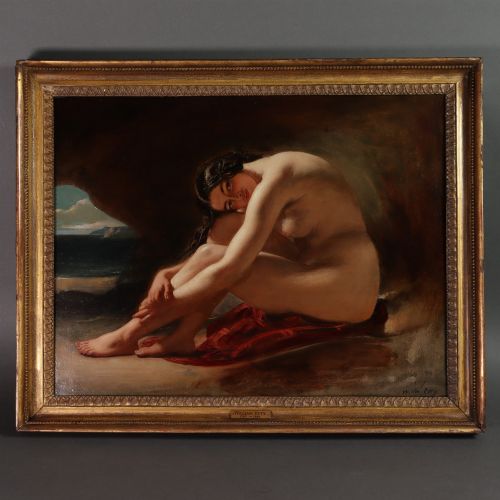
Victorian figure studies encompass a diverse array of artworks and sculptural objects focused on human and animal subjects, created during the nineteenth century. These pieces range from intimate academic life drawings and watercolours to detailed bronze and pewter sculptures.
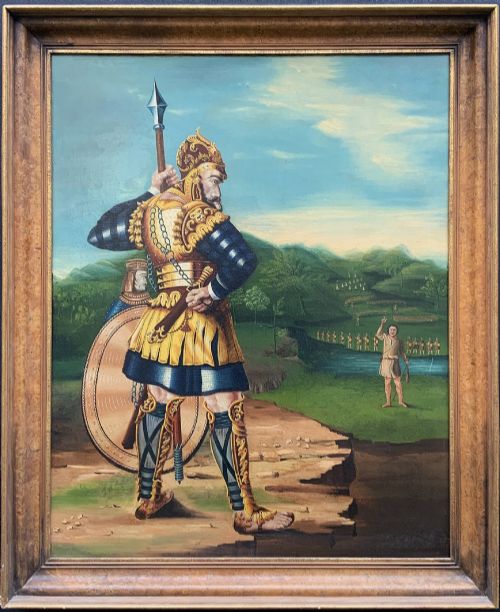
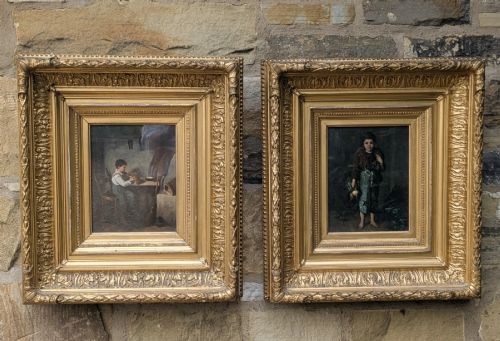
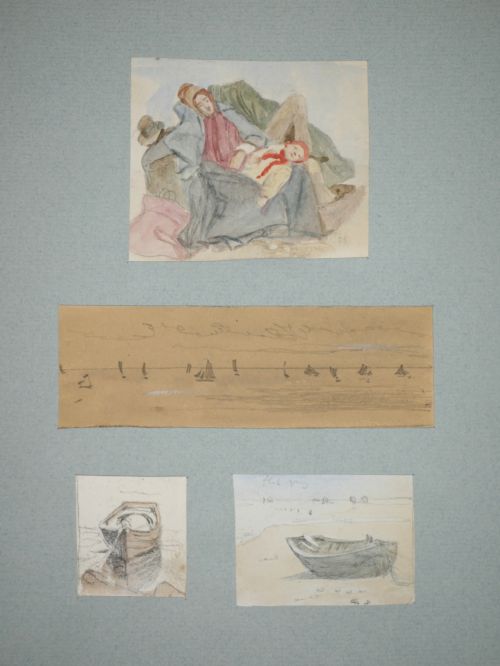
The selection on this page leans heavily into framed works on paper, oil paintings, and sculptural studies in bronze and parian porcelain. Buyers encounter both rapid preparatory sketches and finished portraits reflecting academic realism, romanticism, and neoclassical influences.
How they were made
Makers utilised traditional mediums such as watercolour, charcoal, graphite, and oil paint on paper, panel, or canvas to render form and tone. Sculptural studies relied on casting bronze, pewter, and ormolu, alongside carving in oak and walnut for three-dimensional figures.
Draftsmanship and modelling followed rigorous academic standards of the period, often capturing gesture and anatomy through careful hatching, shading, and patination.
Victorian Figure Studies Retail Price Guide 2026
Typical asking prices for victorian figure studies among the pieces listed under this phrase on Sellingantiques today, from the lower quarter to the upper quarter. They describe what is for sale here now, not the wider market.
Even a stern nineteenth-century monk carved in walnut occasionally shares space with a cheerful bronze putto hunting with a bow.
What varies in quality
Quality rests in the precision of the line, the accuracy of anatomical proportion, and the expressiveness captured in the subject's posture or expression. Finer works display confident handling of medium, whether through the fluid wash of a watercolour or the crisp chisel work on a carved wooden figure.
The choice of materials also dictates standing, with finely cast bronzes sporting detailed patination and hand-selected burr walnut furniture pieces standing apart from simpler productions.
James Smetham·William Etty·Stephen Pearce·Honore Cavaroc·Henry Arthur Roberts·Jean Jules Salmson·William Edward Frost·Robert Richard Scanlan·Jennings Brothers·Francis William Topham
The Victorian Figure Studies Glossary
- Academic realism
- A style of painting and sculpture produced under the influence of European academies of art, prioritising accurate anatomy and classical subjects.
- Parian porcelain
- A fine-grained biscuit porcelain resembling marble, frequently utilised in the nineteenth century for statuary and classical figures.
- Patination
- The surface finish or colour developed on bronze, metal, or wood over time through age and chemical treatment.
- Davenport desk
- A compact Victorian writing desk featuring a sloping lid and drawers accessed from the side.
- Ormolu
- Gilded bronze mounts applied to furniture and decorative objects during the nineteenth century.
Victorian Figure Studies: Frequently Asked Questions
What is a figure study?
A figure study is an artwork or sculpture created to examine the anatomy, posture, and expression of a human or animal subject. These pieces often served as preparatory works for larger compositions or stood as finished academic pieces.
Artists utilised mediums like charcoal, graphite, watercolour, and bronze to capture the nuances of the living form.
How do I display a drawing?
Drawings and watercolours on paper require careful framing behind conservation-grade glass to protect them from ultraviolet light and moisture. Hang them away from direct sunlight in stable environmental conditions to preserve the integrity of the paper and pigments.
Rotating pieces periodically helps prevent fading over time.
Are bronze sculptures original period pieces?
Nineteenth-century bronze studies were cast using traditional lost-wax or sand-casting methods, often bearing foundry marks or artist signatures. Examining the quality of the chasing, the depth of the patination, and the weight helps confirm period authenticity.
Many figures depict classical, mythological, or genre scenes popular during the Victorian era.