

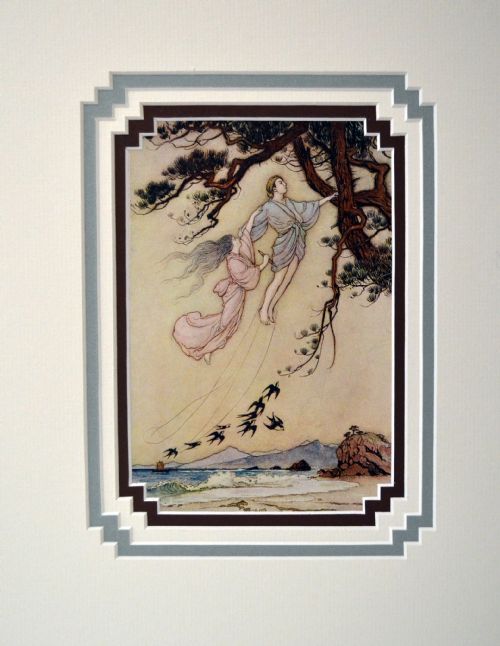
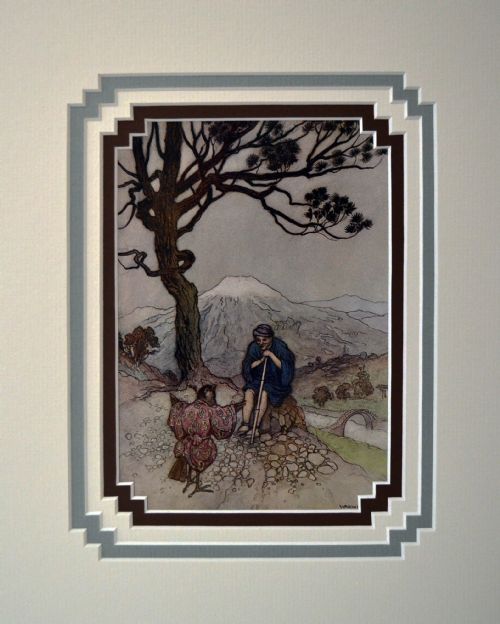
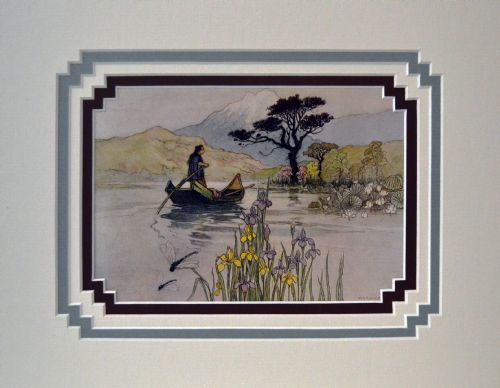
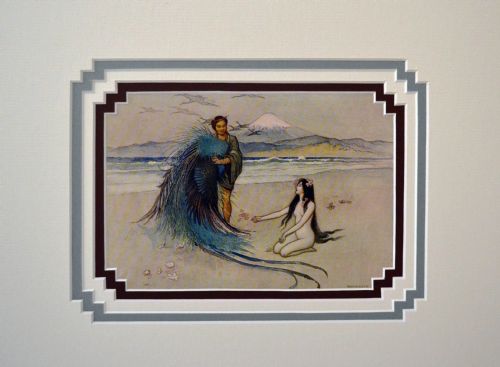
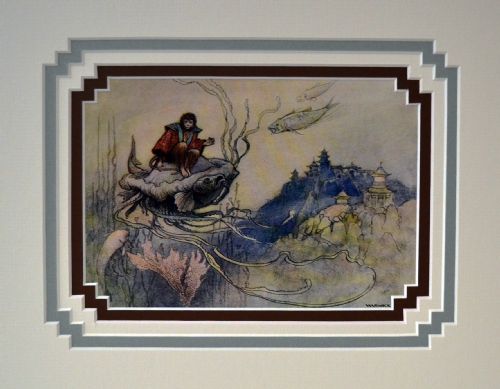


Blue Paper Mounted Art
Blue paper mounted art brings together works on paper where the backing or mount plays a distinct visual role.
Blue Paper Mounted Art
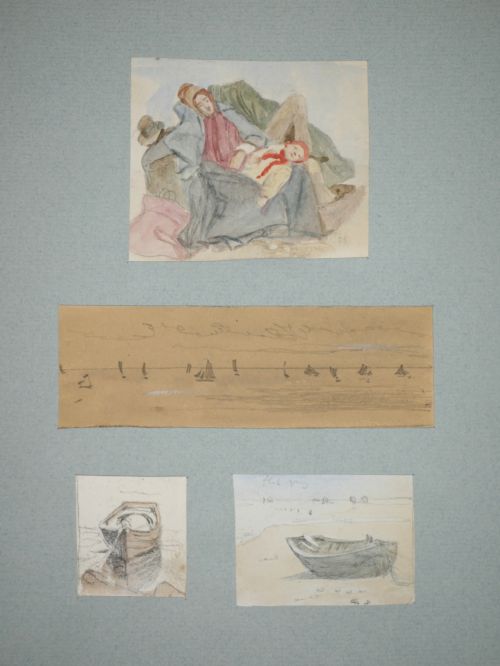
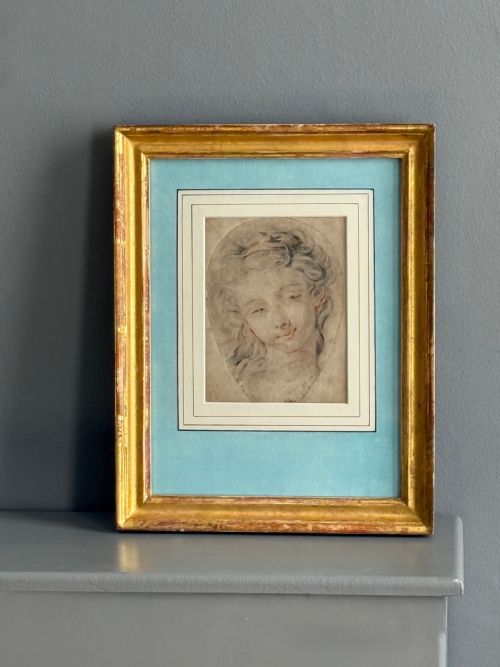
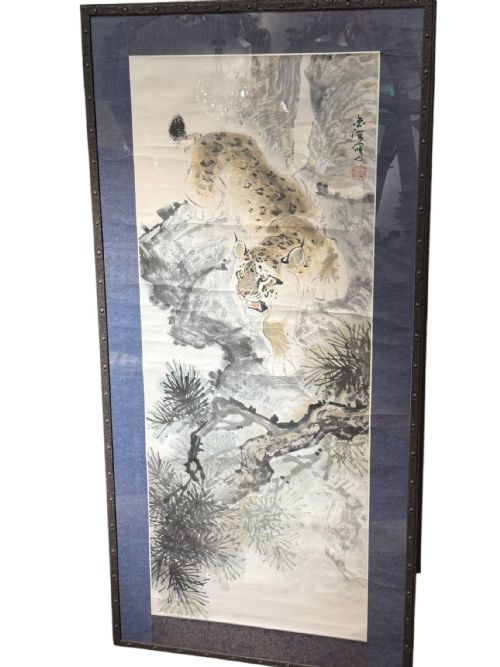
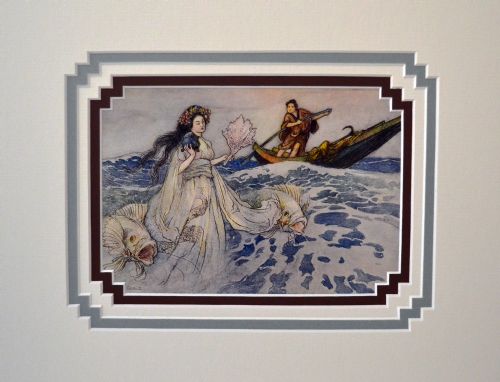
Blue paper mounted art comprises works on paper, ranging from watercolour paintings and antique prints to framed scrolls and illustrations, created across the nineteenth and twentieth centuries. These pieces cross various cultural traditions, including British Impressionism, Traditional Chinese works, and Japanese illustration.
The most common examples encountered here are Edwardian prints and nineteenth-century watercolours and gouache paintings. These works utilise paper, cardboard, and ink, frequently presented behind glass within wooden frames.
How they were made
These works rely on traditional media such as watercolour paint, gouache, ink, and pastel applied to paper and card supports. Artists often mounted or set these works against blue paper backgrounds to enhance the visual depth and tone of the composition.
Framing typically involves wood and glass to protect the delicate paper surfaces from atmospheric damage. Craftsmanship focuses on the precise application of pigment and the careful alignment of the mount.
Blue Paper Mounted Art Retail Price Guide 2026
Typical asking prices for blue paper mounted art among the pieces listed under this phrase on Sellingantiques today, from the lower quarter to the upper quarter. They describe what is for sale here now, not the wider market.
Periods represented span from the 19th century through the 1950s, encompassing Victorian and Edwardian eras.
What varies in quality
Quality rests in the precision of the brushwork and the preservation of the delicate pigments used in watercolour, gouache, and pastel. The condition of the paper support and the harmony between the artwork and its blue mount dictate the visual success of the piece.
The integrity of the framing materials, including the condition of the wood and glass, influences the longevity and presentation of works spanning the Victorian, Edwardian, and mid-century periods.
James Smetham·Warwick Goble·Rowland Henry Hill·Stanley Orchart
The Blue Paper Mounted Art Glossary
- Gouache
- An opaque watercolour paint that dries to a matte finish. It allows for vibrant colour application and strong tonal contrast on paper supports.
- Mount
- A piece of card or paper placed around or behind an artwork within a frame. It visually separates the image from the edge of the glass.
- Watercolour
- A painting method where natural pigments are suspended in a water-based solution. The technique relies on translucent washes applied to paper.
- Impressionism
- An art style focused on capturing light and ordinary subject matter with visible brushstrokes. British variants appear within nineteenth and twentieth-century works.
Blue Paper Mounted Art: Frequently Asked Questions
What periods do these pieces span?
The selection covers works created from the nineteenth century through the mid-twentieth century, including Victorian, Edwardian, and later periods.
Specific dates within the listings range across the 1900s, 1910s, 1930s, and 1950s.
How are these artworks framed?
Many examples are preserved behind glass within wooden frames designed to protect the paper supports.
Mounts made from cardboard and paper are frequently utilised to display the watercolours and prints safely.
What materials were used?
The primary components include paper, card, watercolour paint, gouache, and ink. Wood and glass are standard for the protective frames.
Artists selected these mediums to achieve both translucent washes and opaque colour effects.
Where do these styles originate?
The works reflect diverse stylistic traditions, ranging from British landscape painting to Traditional Chinese and Japanese illustrations.
Export pieces and domestic watercolours share space across the various historical periods represented.