



Victorian Equestrian Silver
Victorian equestrian silver brings together the sporting passions of the nineteenth century in sterling silver, hoof, leather and horn.
Victorian Equestrian Silver
Victorian equestrian silver encompasses objects made for the hunting field, the stable and the gentleman's desk during the nineteenth century. These pieces reflect a society deeply engaged in horse-riding, hunting and racing, translating those pursuits into functional domestic items.
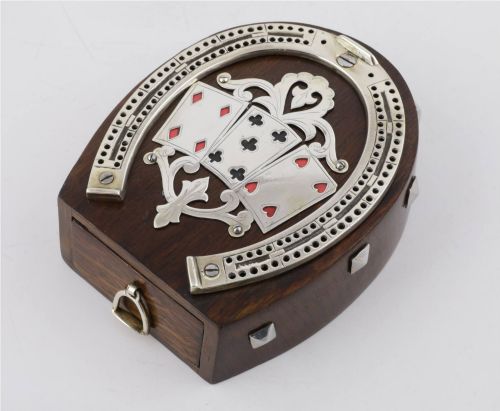
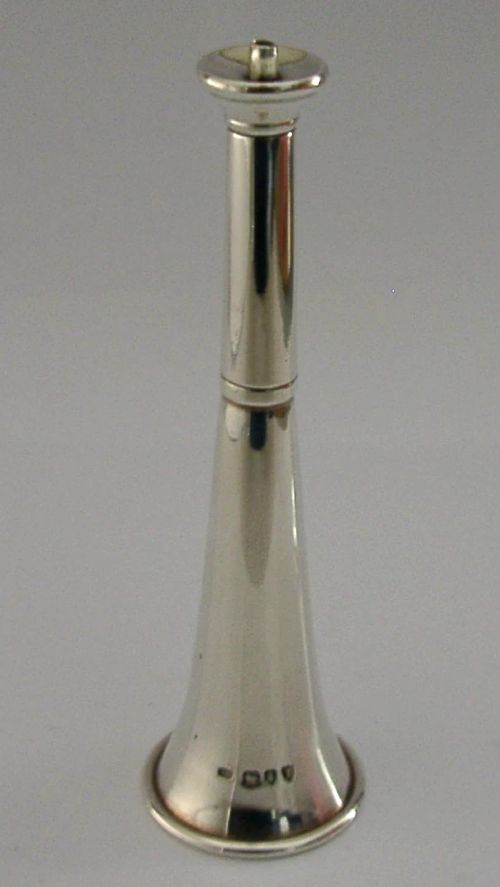
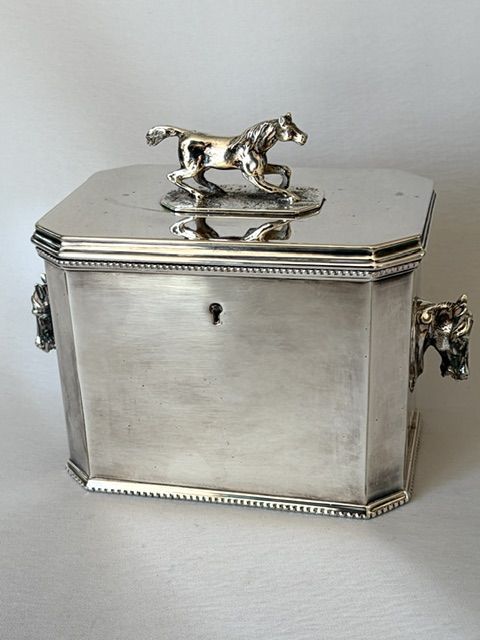
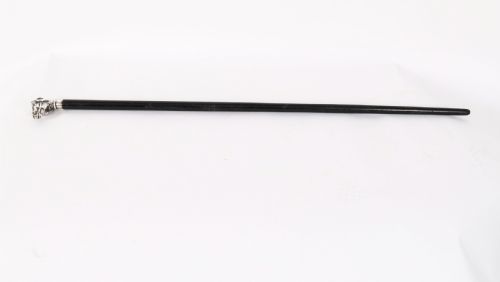
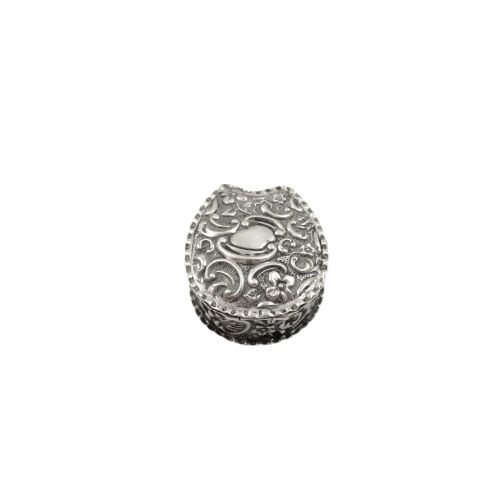
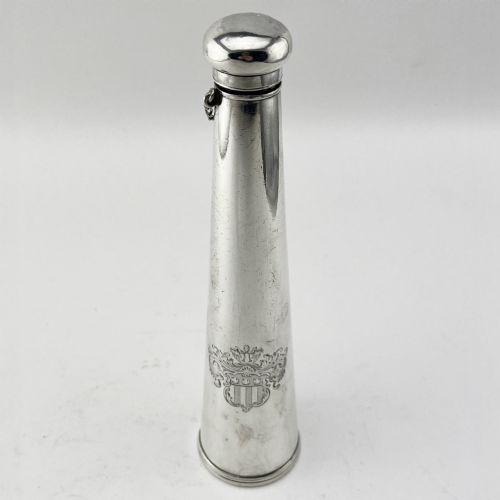
Buyers encountering this group will frequently find novelty pieces such as vesta cases shaped like jockey caps, horseshoe pill boxes and desk accessories incorporating actual horse hooves. Walking sticks and hunting whips with silver collars or handles carved as horse heads also appear regularly alongside table lighters formed as hunting horns.
The materials range from sterling silver and silver plate to natural media including leather, wood, staghorn and taxidermy hooves. Many items date from the Victorian period, though Edwardian and slightly earlier pieces associated with the same sporting tradition also feature.
Materials and Technique
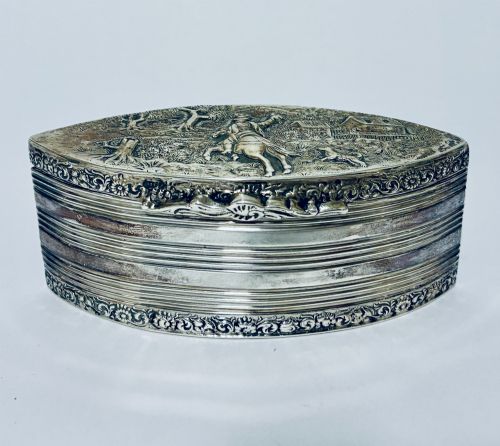
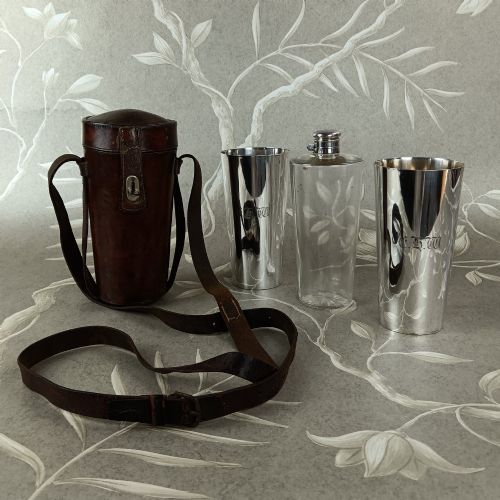
Silversmiths utilised sterling silver and silver plate to shape functional objects like hip flasks, vesta cases, toast racks and tobacco boxes, often employing repoussé or chasing to achieve detailed equestrian motifs. Enamel work added vibrant colour to pieces such as jockey vesta cases and card cases.
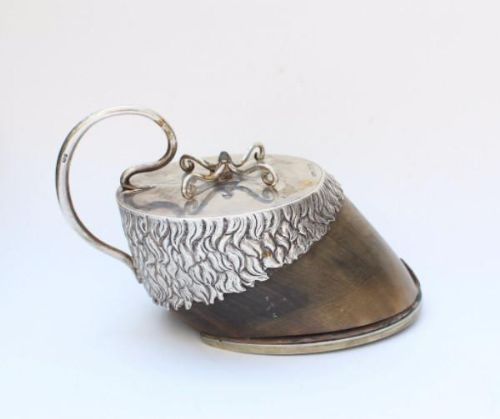
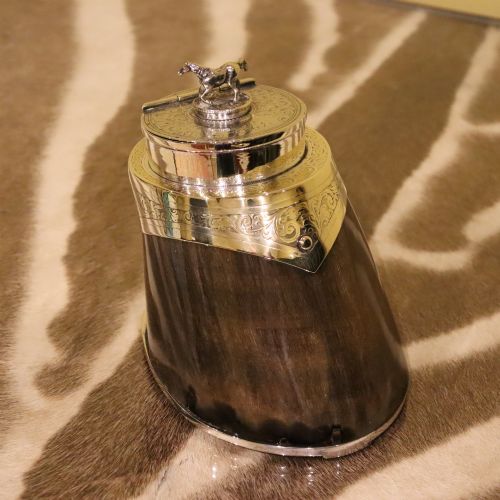
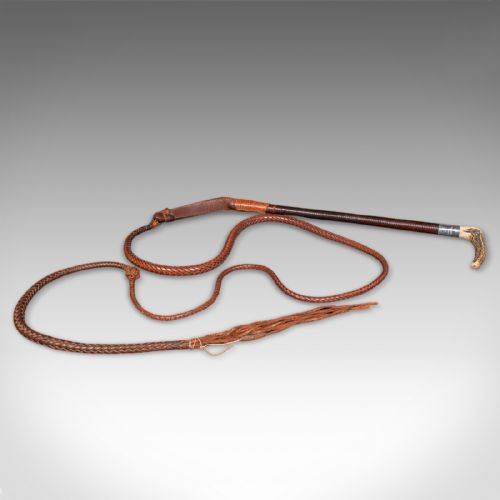
Natural materials were worked alongside metal, combining silver mounts with English leather for riding crops and whips, or mounting polished horse hooves with silver collars for desk tidies, inkwells and paperweights. Staghorn and horn formed handles for hunting bugles and walking sticks, secured with hallmarked silver fittings.
A gentleman could light his cigar with a silver hunting horn while checking his horse-hoof pocket watch.
Judging Quality
Quality rests upon the crispness of the modelling and the precision of the silversmith's detail, particularly in novelty forms such as horse heads, horseshoe boxes and jockey caps. Pieces that capture realistic anatomical proportions and accurate tack show superior craftsmanship compared to simpler, mass-produced items.
The integration of mixed media defines the better examples, where silver mounts fit seamlessly onto natural substances like hoof, horn and leather without compromising structural integrity. Maker marks and clear hallmarks also elevate a piece, confirming the provenance and standard of the metal.
James Dixon & Sons·Edward Smith·John Meek·Swaine Adeney
The Victorian Equestrian Silver Glossary
- Vesta case
- A small pocket container designed to hold matches, frequently fashioned in novelty shapes such as jockey caps or horseshoes during the nineteenth century.
- Hallmark
- An official stamp applied by an assay office to indicate the purity of silver, the maker and the year of production.
- Silver gilt
- Sterling silver that has been coated with a thin layer of gold on its surface, creating a two-tone decorative effect.
- Repoussé
- A metalworking technique where the silversmith hammers the metal from the reverse side to form a raised design on the front.
- Taxidermy
- The art of preserving and mounting animal specimens, utilised in this category for items incorporating actual horse hooves.
Victorian Equestrian Silver: Frequently Asked Questions
What is Victorian equestrian silver?
These items are silver and silver-mounted accessories celebrating nineteenth-century horse culture, including hunting, racing and riding.
They encompass practical gear like riding crops and hip flasks alongside novelty desk items, snuff boxes and vesta cases shaped like horseshoes or jockey caps.
How were horse hooves used in these pieces?
Taxidermy horse hooves were mounted in sterling silver or brass to create desk accessories, inkwells, paperweights and tobacco boxes.
Victorian craftsmen polished the natural hoof and fitted hinged silver lids or collars to transform them into functional ornaments for the country house study.
How do I care for silver and leather items?
Sterling silver components require gentle cleaning with a soft cloth and proprietary polish, avoiding abrasive contact with mounted leather or horn.
Leather hunting whips and crop shafts benefit from occasional neutral leather dressings to keep the material supple and prevent cracking over time.
Are these pieces marked with hallmarks?
Many sterling silver items carry clear hallmarks indicating the assay office, date letter and maker's mark, though smaller novelty pieces may only bear partial marks or stamps like ninety-two-five.
Silver-plated pieces generally feature maker-specific marks rather than standard government silver hallmarks.