



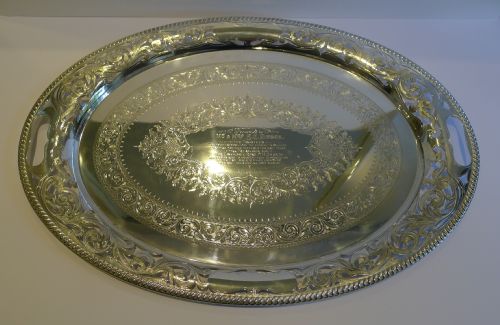


Victorian Epns Serving Tray
These Victorian epns serving tray pieces bring silver elegance to the table through electroplated nickel silver craftsmanship.
Victorian Epns Serving Tray
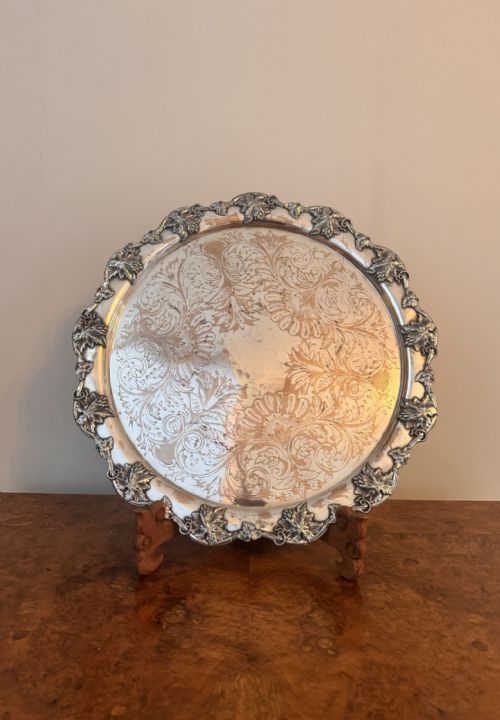
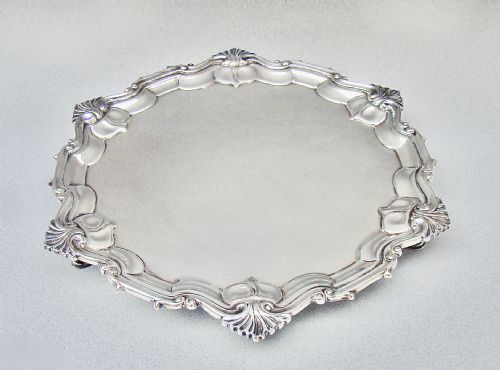
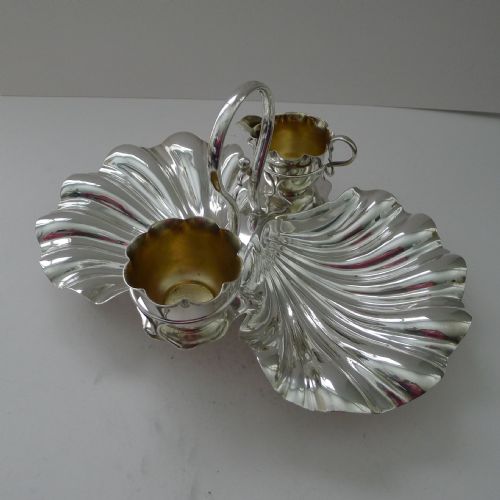
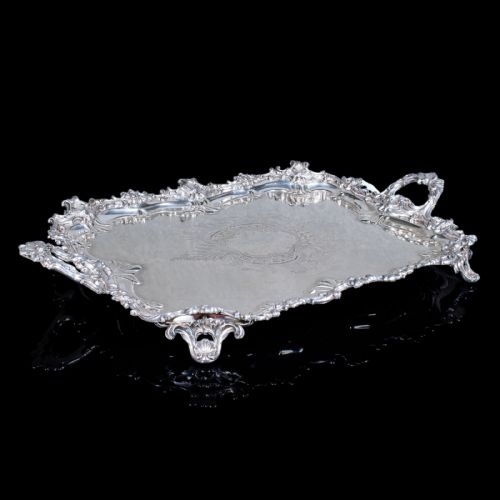
A victorian epns serving tray provides a practical surface for afternoon tea and formal dining while displaying mid to late nineteenth century design. Collectors encounter circular salvers, twin handled trays, and specialised serving dishes designed for asparagus or strawberries.
The objects stem predominantly from the Victorian and Edwardian eras, with dates spanning the mid nineteenth century up to nineteen hundred. English workshops produced these pieces to replicate solid silver appearance at a fraction of the cost.
Forms vary from large presentation trays to smaller reticulated serving pieces featuring pierced borders. Most items function as serving trays, salvers, or serveware intended for display and active use.
How they were made
Manufacturers utilised nickel silver as the base metal before applying a silver plate layer through electroplating techniques. This chemical deposition method created a durable and uniform metallic finish across intricate surfaces.
Makers embellished the metal bodies with floral engraving, pierced reticulation, and occasional gold wash interiors for specialised dishes. Skilled artisans worked the silver plate to achieve substantial weight and decorative borders.
Victorian Epns Serving Tray Retail Price Guide 2026
Typical asking prices for victorian epns serving tray among the pieces listed under this phrase on Sellingantiques today, from the lower quarter to the upper quarter. They describe what is for sale here now, not the wider market.
Object forms include circular trays, twin handled serving dishes, and pierced salvers.
What varies in quality
The depth and clarity of the engraved floral patterns dictate the artistic merit of each piece. Crisp detailing on pierced or reticulated borders separates standard production items from superior workshop output.
The preservation of the original silver plate over the underlying nickel silver determines the structural integrity. Heavier gauge metal foundations provide better durability and resistance to bending during service.
William Hutton & Sons·Daniel Arter·Walker & Hall·Lee & Wigfull·J.H. Potter
The Victorian Epns Serving Tray Glossary
- EPNS
- Electroplated Nickel Silver. This acronym denotes a base metal of nickel silver coated with a thin layer of pure silver through electrolysis.
- Salver
- A flat tray typically used for serving drinks or presenting items. These circular pieces often stand on small feet.
- Reticulated
- Pierced or openwork decoration. This technique creates a net like pattern along the rim or border of the tray.
- Gold wash
- A thin layer of gold applied to the interior of a silver plated dish. This treatment prevents food acids from tarnishing the metal.
- Serveware
- Tableware used for serving food. The category includes specialised dishes alongside traditional trays.
Victorian Epns Serving Tray: Frequently Asked Questions
What is EPNS?
Electroplated nickel silver serves as the foundational metal alloy for these items. An electrical current bonds a layer of pure silver to the nickel silver base.
This method allowed nineteenth century workshops to produce durable tableware with the visual appeal of solid silver. It remains the standard material composition for these pieces.
How were these trays used?
Victorians utilised these trays during afternoon tea service and formal dining occasions. They carried teapots, cups, and specialised dishes such as asparagus sets.
Larger presentation pieces also functioned as decorative display objects in the home. Their sturdy construction supported heavy silver and ceramic vessels.
How do I clean a silver plated tray?
Gentle washing with warm water and mild soap removes daily dust and finger marks. Soft cloths prevent scratching the delicate silver plate surface.
Harsh chemical dips strip away the historic plating and damage the underlying metal. Regular dusting keeps the electroplated finish bright without aggressive polishing.
How do I date these pieces?
Maker marks and registration numbers stamped into the base provide the most reliable chronological markers. Stylistic clues such as floral engraving and reticulated borders also point to specific decades.
Pieces originating from the Victorian era typically display distinct aesthetic traits associated with nineteenth century design. Comparing maker output helps narrow down the production year.