

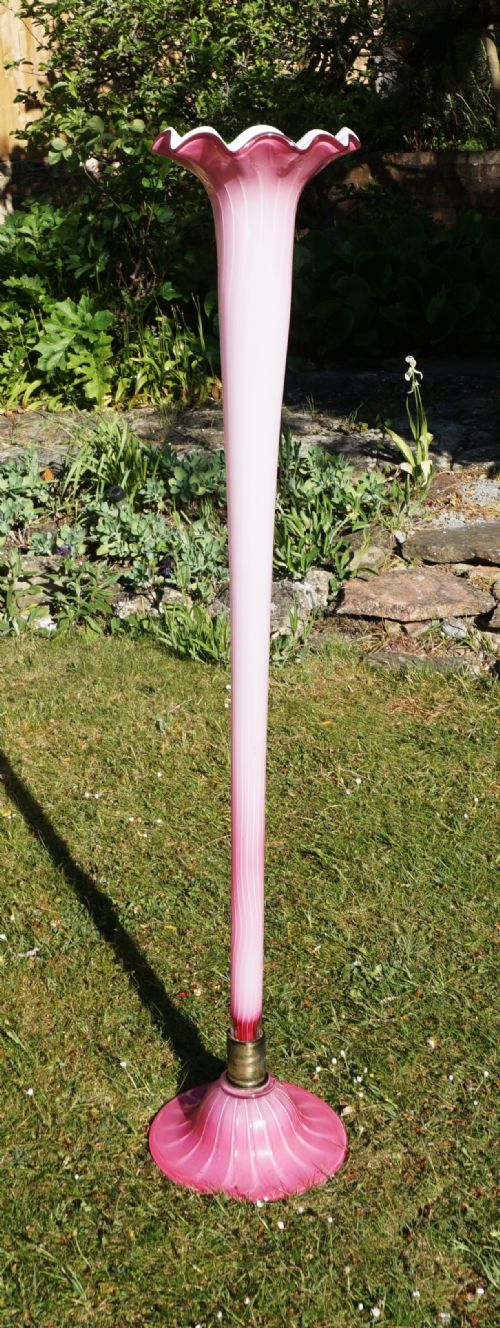


Victorian Epergne
A victorian epergne is a striking multi-trumpet table centrepiece designed to hold fruit and flowers for formal dining tables.
Victorian Epergne
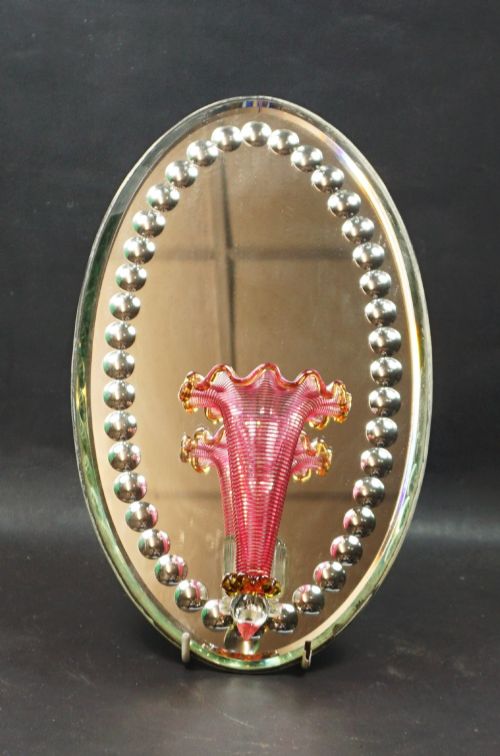
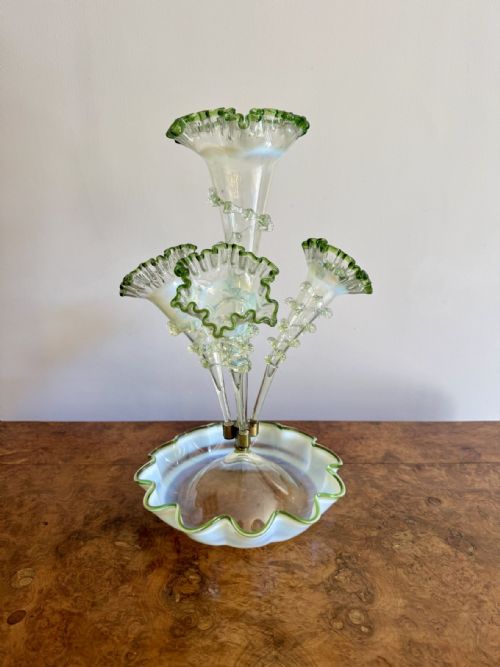
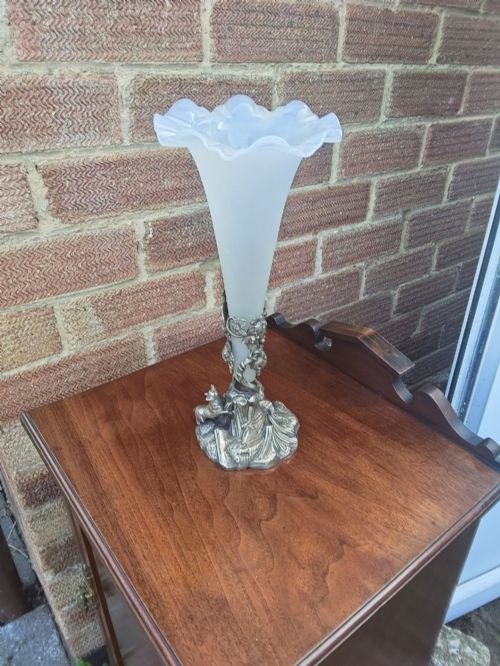
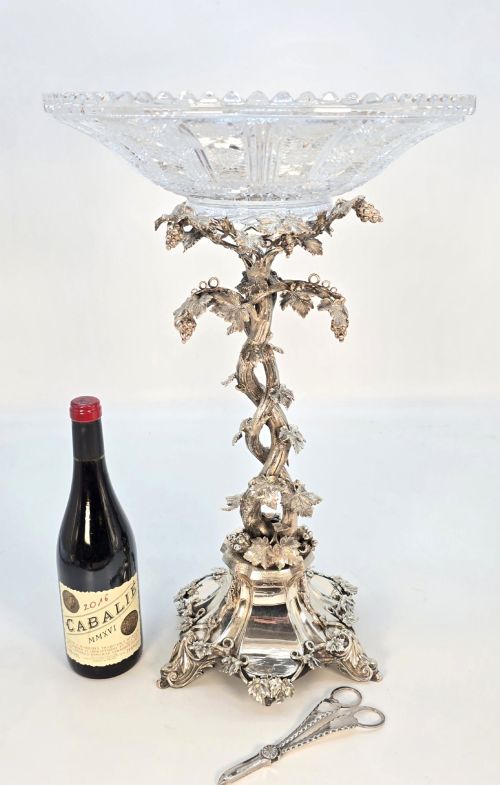
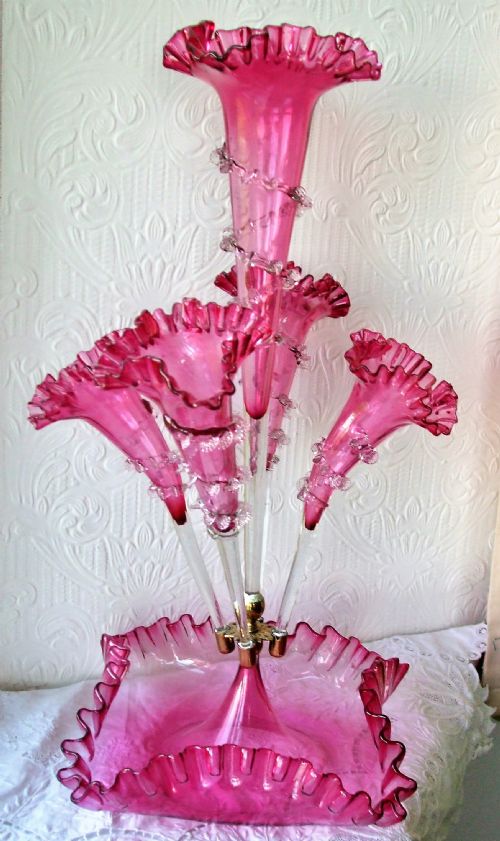
A victorian epergne is a tiered table centrepiece or epergnes form that dominates the middle of a dining table, combining a central dish or base with multiple detachable trumpet vases. These pieces date primarily from the 19th century and Victorian periods, often taking the form of dramatic centrepieces, candelabras, and posy vases.
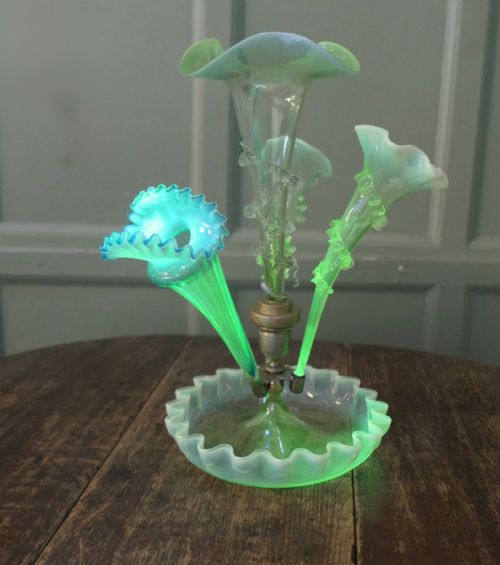
The most common examples encountered on this page feature vibrant cranberry glass, vaseline glass, or uranium glass trumpets mounted in silver plate, EPNS, or brass stands. Makers and workshops also utilised carved wood such as Black Forest styles alongside cut glass and crystal components like Baccarat crystal.
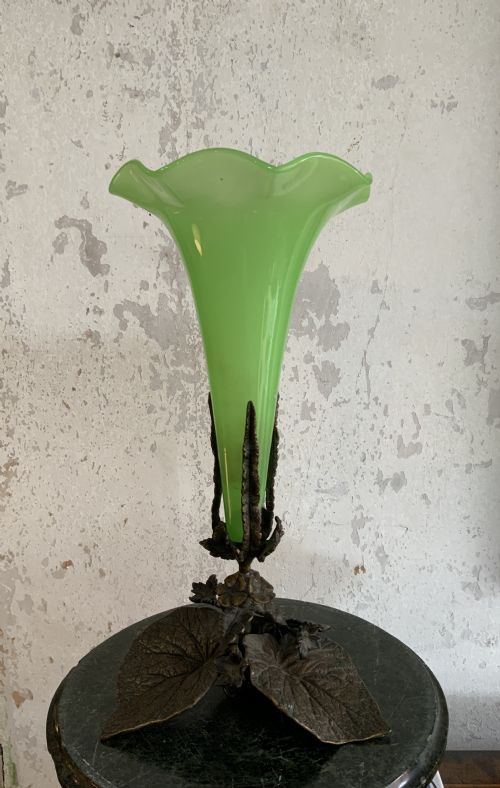
Buyers will find variations ranging from single trumpet posy vases to grand five-trumpet configurations and tall lily vases. Styles stretch from Victorian Naturalism and Neoclassical designs into early Art Nouveau and Edwardian expressions.
Materials and construction
Makers formed the colourful glass components through hand-blowing and cased glass techniques, incorporating metallic oxides into the molten batch to achieve cranberry, pink, vaseline, and uranium green hues. These delicate trumpets and bowls were then fire-polished or etched before fitting.
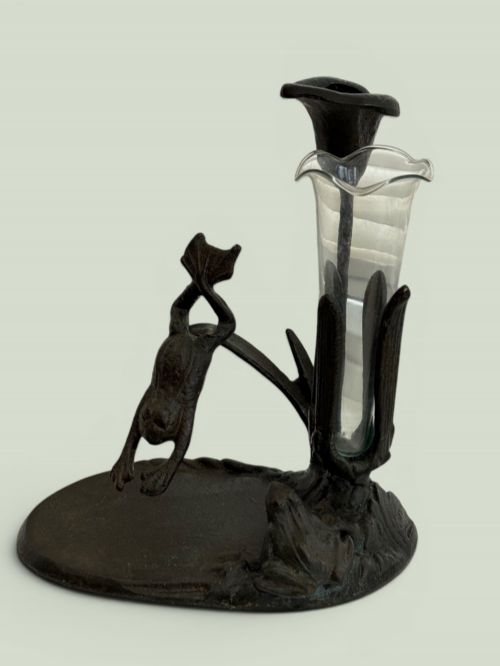
The supportive frames and bases rely on silver plate, EPNS, white metal, bronze, and gilt bronze, often cast with detailed motifs like palm trees, nautical themes, or botanical shapes. Carved Black Forest timber and heavy cut crystal or opaline glass form alternative bases for the towering glass inserts.
Victorian Epergne Retail Price Guide 2026
Typical asking prices for victorian epergne among the pieces listed under this phrase on Sellingantiques today, from the lower quarter to the upper quarter. They describe what is for sale here now, not the wider market.
Some elaborate Victorian centrepieces incorporated nautical sailors and palm trees to turn the dining table into a tropical sea voyage.
Judging quality in these centrepieces
Quality rests in the harmony between the metal mount and the glass inserts, where heavy gauge silver plate or cast bronze securely holds substantial, deeply coloured hand-blown glass without wobble. Superior pieces maintain matching sets of original trumpets and hanging baskets with crisp etching or flawless cased glass colour layers.
The refinement of the casting in the base separates standard examples from exceptional ones, particularly in sculptural details like foliage, animal figures, or nautical elements. Maker attributions to established firms add demonstrable weight to the execution of both the metalwork and the crystal components.
Walker & Hall·James Dixon·James Deakin·Royal Worcester·Baccarat
The Victorian Epergne Glossary
- Cranberry glass
- Transparent red-pink glass coloured with gold chloride during the manufacturing process. It was exceptionally popular for Victorian tablewares and decorative ornaments.
- Vaseline glass
- Transparent yellow-green glass containing uranium dioxide that glows brightly under ultraviolet light. The colour resembles petroleum jelly, hence the common trade name.
- Silver plate
- A layer of silver fused or electroplated onto a base metal such as copper, brass, or white metal. Sheffield and various British firms specialised in this technique.
- Trumpet vase
- A flared, funnel-shaped vessel resembling a musical horn. These form the detachable upper stems of multi-tier table centrepieces.
- EPNS
- Electroplated nickel silver, a common base metal alloy used for plated wares from the mid-nineteenth century onward. It provided a durable foundation for silver plating.
Victorian Epergne: Frequently Asked Questions
What was a victorian epergne used for?
These elaborate vessels served as the focal point of formal dining tables during the nineteenth century. Hosts filled the central bowls with fruit and sweets while placing fresh flowers in the surrounding trumpet vases.
They demonstrated the household's wealth and taste during multi-course dinner parties. The elevated design allowed guests to converse across the table beneath the branching glass.
Are the trumpet vases removable?
Most trumpet vases and hanging baskets lift out from their sockets in the metal frame or central glass bowl. This modular construction made cleaning and storage manageable for Victorian households.
Buyers should handle each piece individually when dismantling the structure. Replacement trumpets are often assembled to match original frames, so checking the fit within the collars is standard practice.
How do I tell uranium glass from standard glass?
Uranium glass displays a distinctive transparent yellow or yellowish-green tone in natural light. When exposed to ultraviolet or black light, it emits a vivid neon green glow due to the uranium content.
This material was widely used in Victorian decorative glassware for its striking optical properties. It remains stable and safe for display purposes under normal household conditions.