

Victorian Entryway Coat Stand
A victorian entryway coat stand organises daily comings and goings with substantial presence and practical utility.
Victorian Entryway Coat Stand
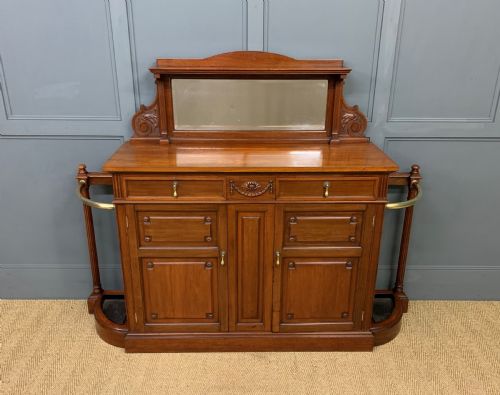
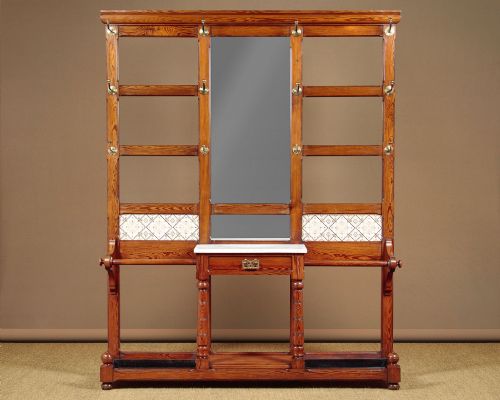
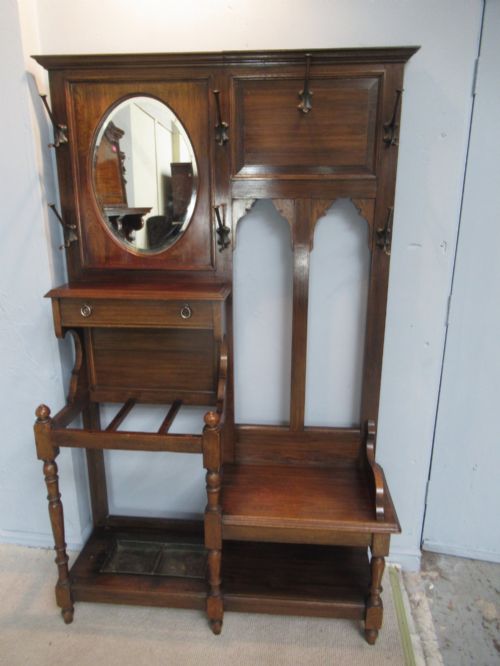
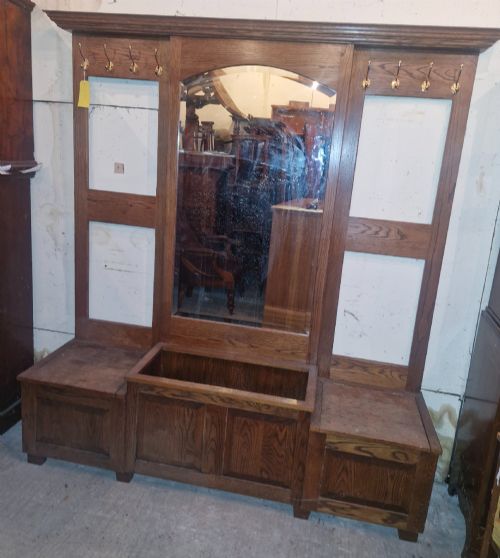
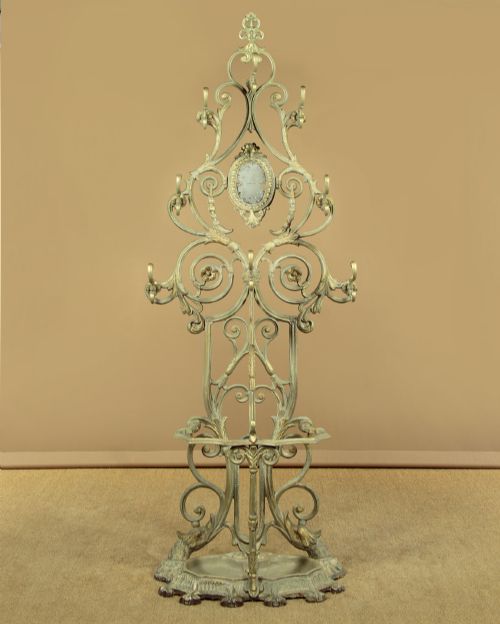
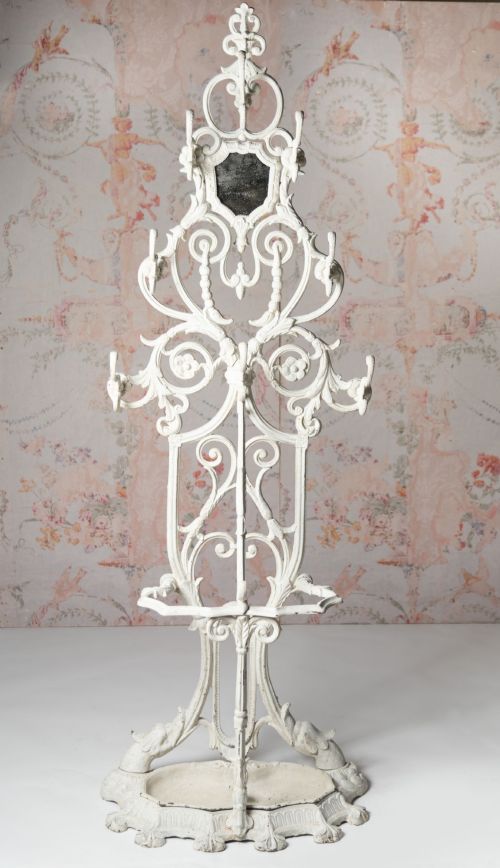
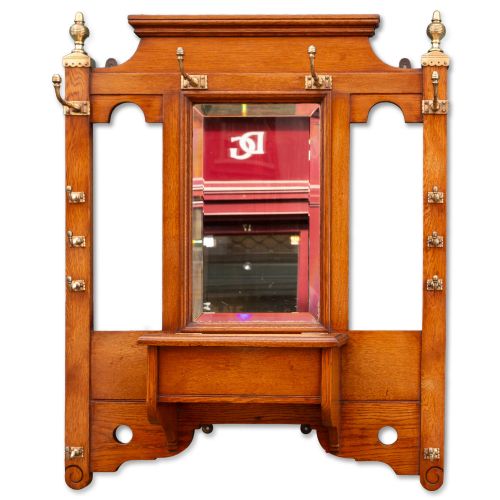
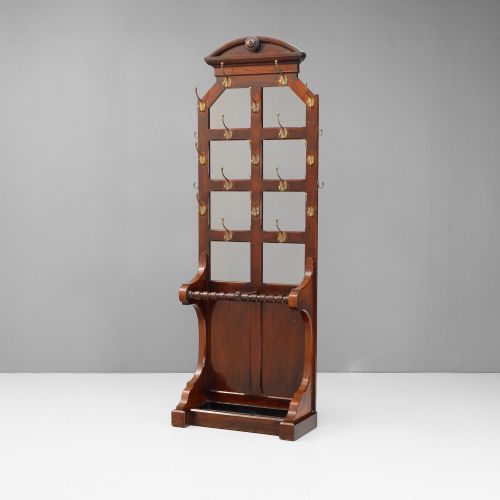
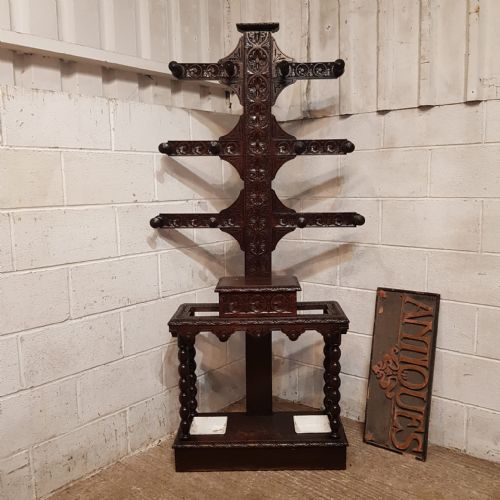
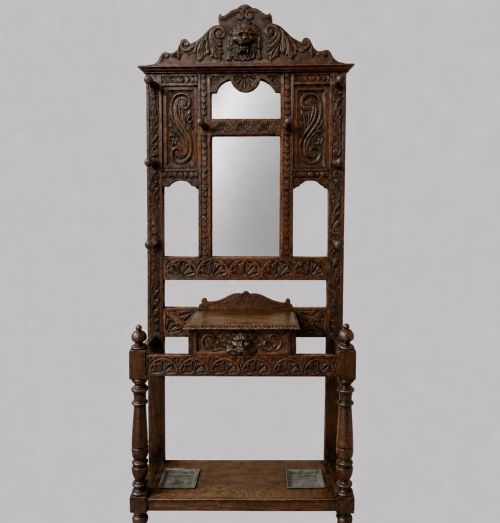
A victorian entryway coat stand brings order to halls through tall vertical timber or metal frames fitted with multiple hanging hooks. These pieces appear frequently as heavy oak or mahogany hall stands, often incorporating integrated umbrella wells and central mirror panels.
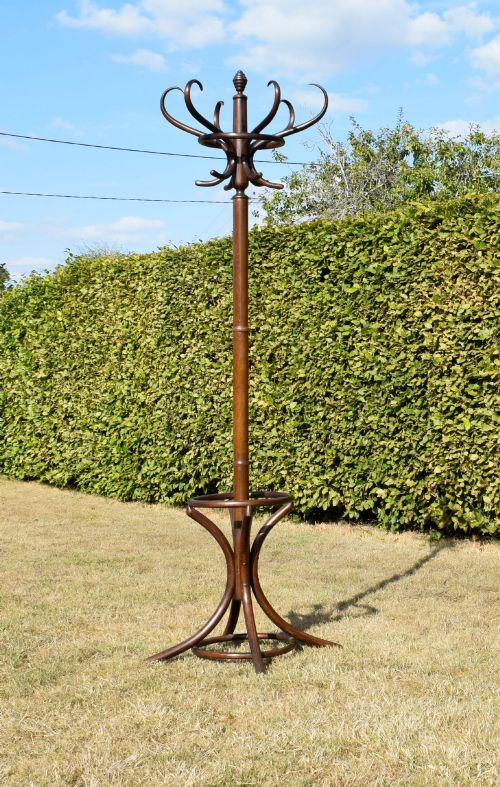
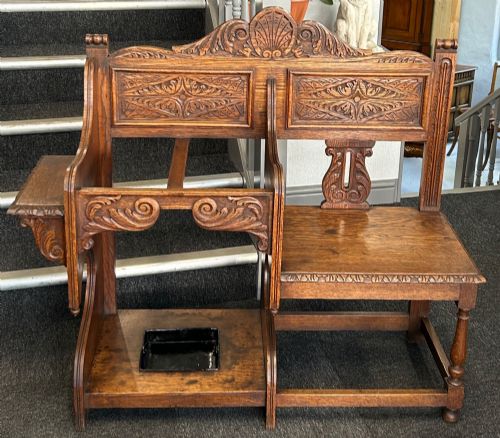
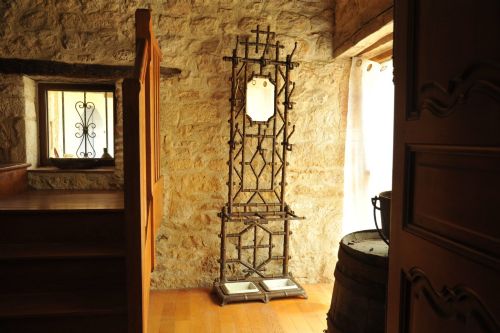
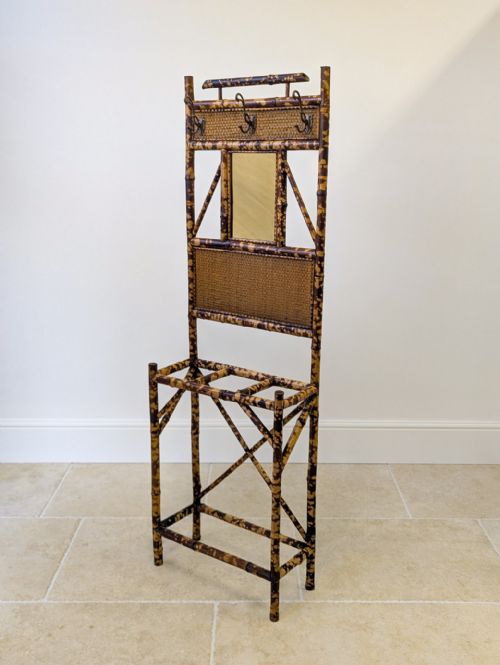
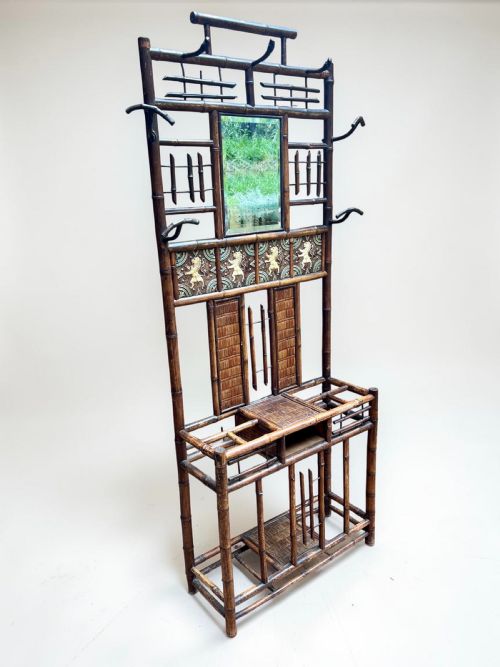
Makers of the period also utilised bamboo, cast iron, and bentwood to construct hat and coat stands spanning the Victorian and Edwardian eras. Many examples combine seating with storage, functioning as multi-functional hall seats.
Regional and stylistic variations span from austere industrial cast iron to elaborate Black Forest carvings and Aesthetic Movement bamboo frames. The overarching design prioritises immediate hospitality and organisation near the front door.
Standards of Craftsmanship
Execution of carved detail and the weight of timber separate standard joinery from exceptional workshop production. Superior examples integrate bevelled mirror glass, heavy brass hardware, and original cast iron drip trays without later replacements.
Proportion and stability determine the success of taller vertical designs. Pieces featuring secondary woods and robust internal bracing maintain better structural integrity under heavy winter garments.
Current listings feature oak, mahogany, walnut, pine, cast iron, brass, and bamboo across Victorian and Edwardian periods.
Shoolbred and Co·Falkirk Foundry
The Victorian Entryway Coat Stand Glossary
- Hall stand
- A large furniture piece combining coat hooks, a hat shelf, a mirror, and umbrella holders for an entranceway.
- Bentwood
- Wood softened by steam and bent into curved structural forms, popular in lightweight stands.
- Faux bamboo
- Wood or metal carved and painted to imitate natural bamboo stalks.
- Drip tray
- A metal base insert designed to catch moisture from wet umbrellas and walking sticks.
- Aesthetic Movement
- A late nineteenth century design style emphasising simplicity, nature, and Japanese artistic influences.
Victorian Entryway Coat Stand: Frequently Asked Questions
How do I secure a heavy hall stand?
Most tall wooden hall stands require anchoring to the wall to prevent tipping under heavy coats and umbrellas.
Utilising discreet metal brackets attached to the upper rear framework ensures stability on uneven floors.
What is the difference between a hall tree and a coat stand?
A hall tree typically refers to a vertical post with branching hooks, whereas a hall stand is a larger cabinet-like piece.
Larger hall stands usually incorporate mirrors, benches, and enclosed storage compartments alongside hanging space.
How do I clean cast iron coat stands?
Cast iron surfaces benefit from dusting with a dry cloth and occasional treatment with neutral wax.
Avoiding moisture prevents rust formation on vulnerable metal surfaces and antique iron hooks.
Where should I place a hall stand?
Entrance hallways and spacious corridors provide the ideal structural support and practical location for daily use.
Sufficient clearance allows coats and umbrellas to hang freely without blocking doorways.