

Victorian Entry Seat
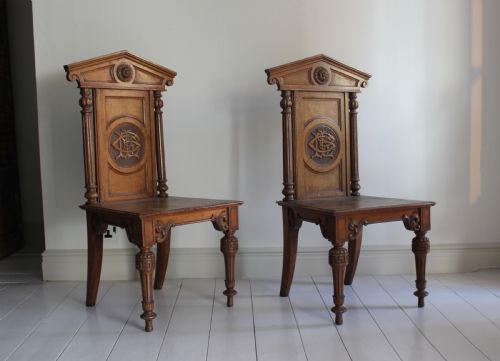
These Victorian entry seat examples bring practical timber seating into halls and passages with solid nineteenth-century character.
Victorian Entry Seat
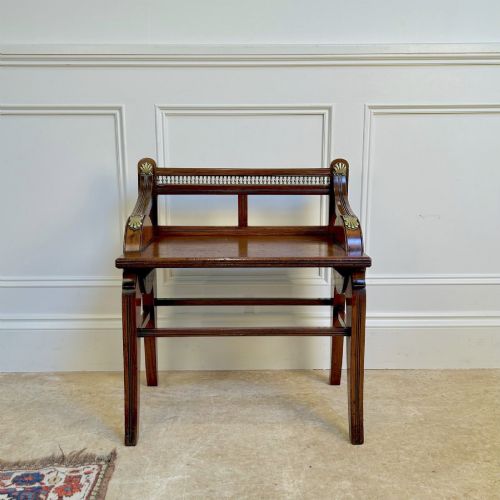
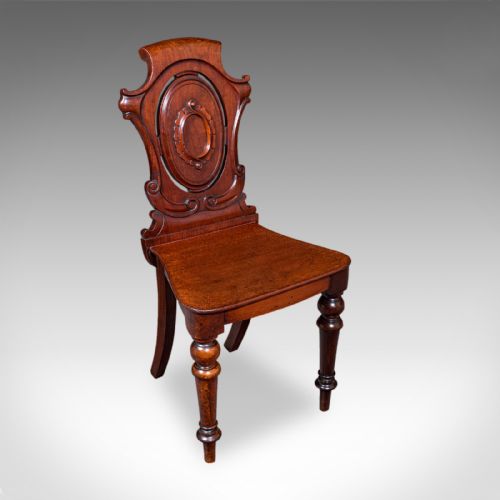
A victorian entry seat serves as a functional stopping point near the doorway, encompassing varied timber forms such as hall chairs, benches, settles, and hall stands. These pieces accommodate coats, hats, and short rests upon entering a house.
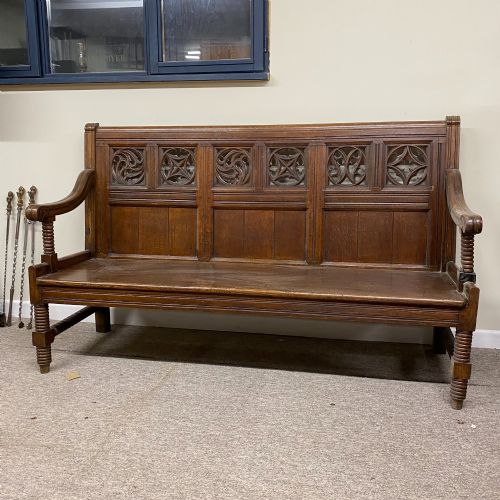
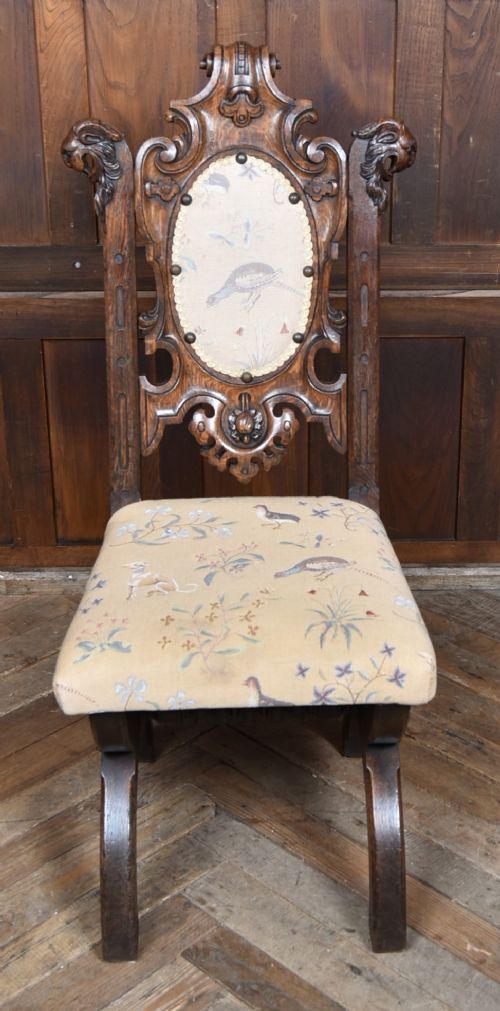
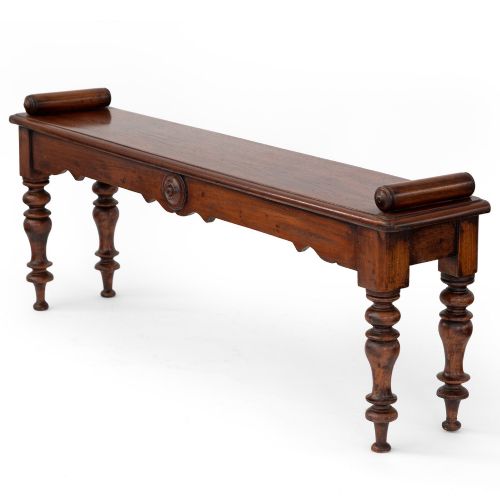
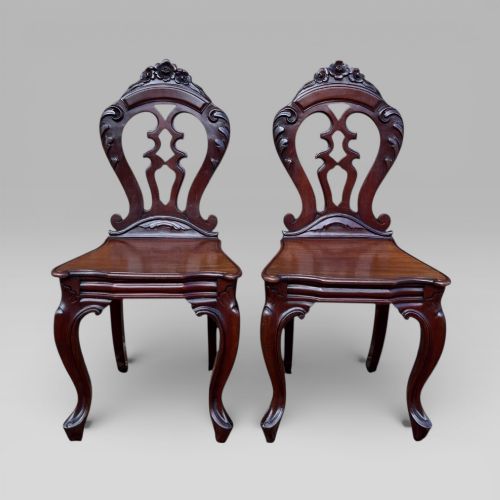
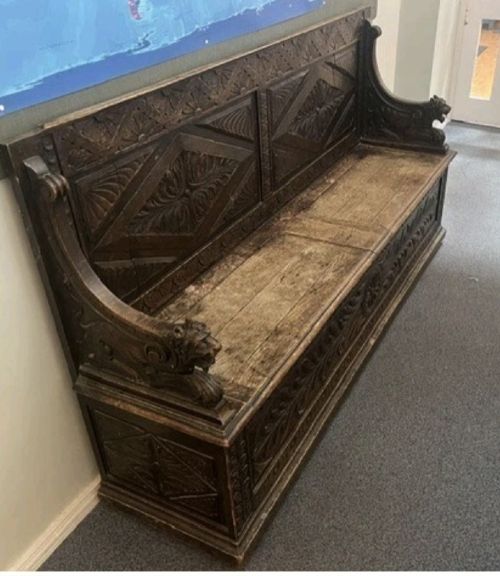
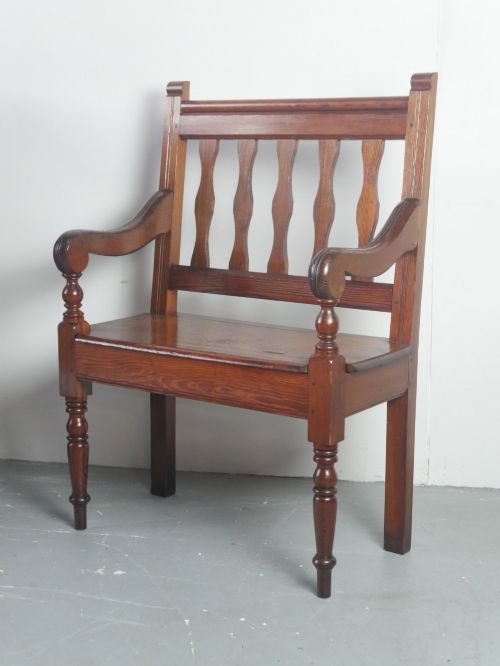
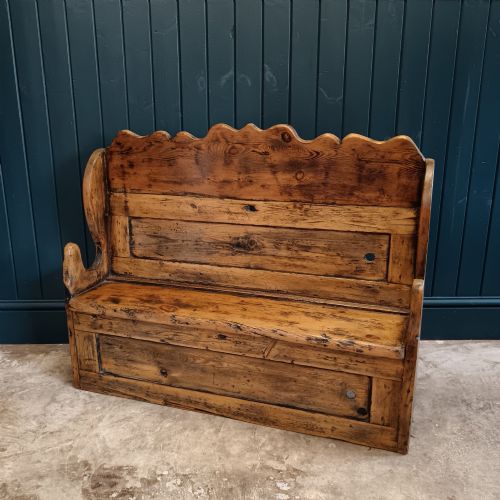
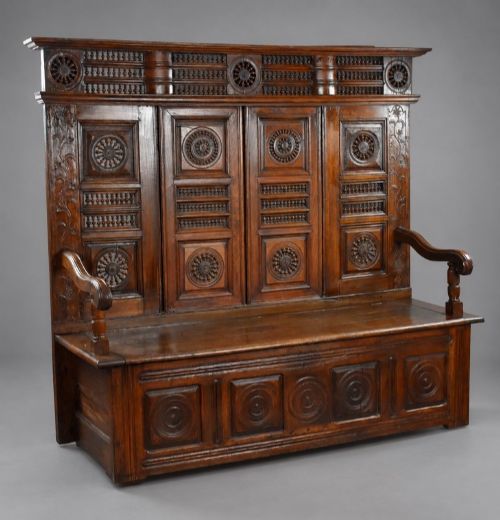
The selections span distinct configurations, from single hall chairs to long pews, box settles with lift-up lids, and multi-seater benches. Oak and mahogany appear alongside pine, pitch pine, elm, and walnut.
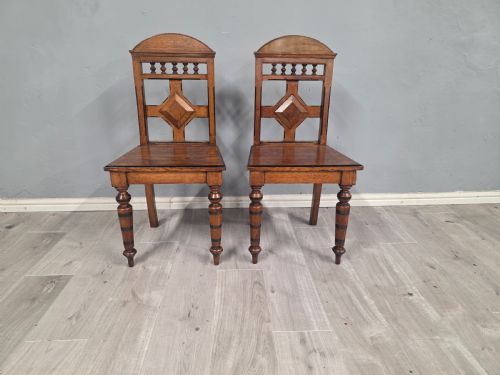
Makers and regional makers worked within styles including Gothic Revival, Jacobean Revival, and country vernacular. Pieces emerge from English, Scottish, Irish, and continental workshops.
Materials and construction
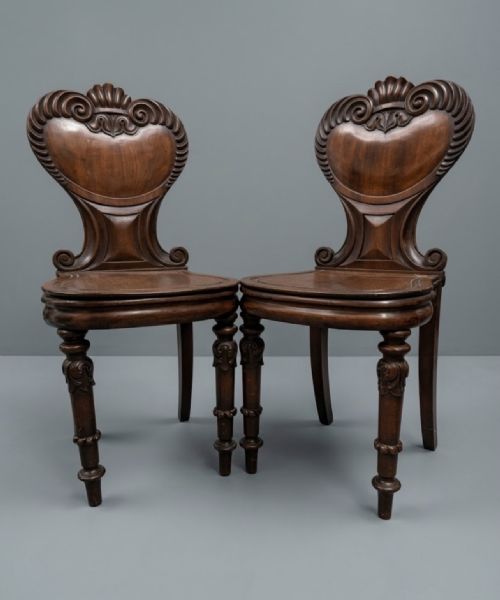
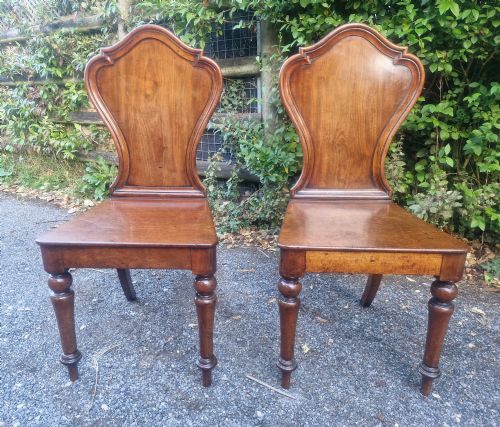
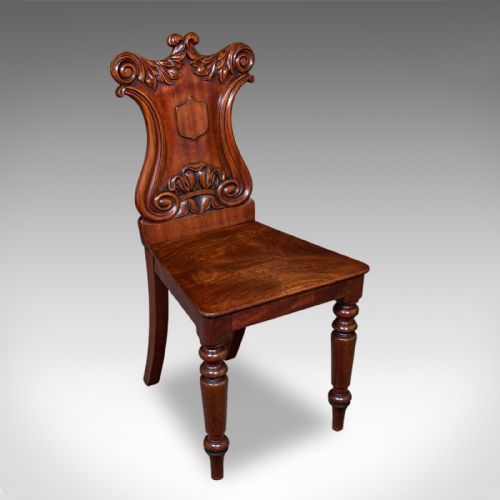
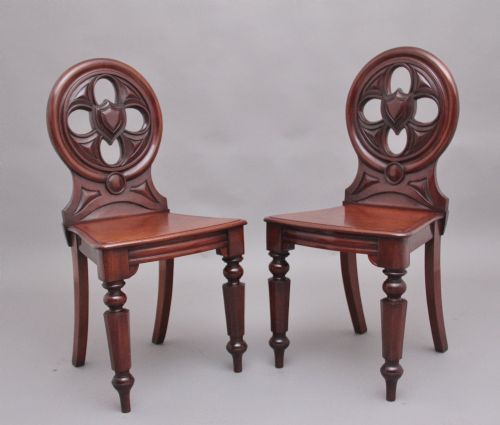
Cabinet makers built these items using dense hardwoods like oak, mahogany, and walnut, alongside softer timbers including pine, pitch pine, and elm. Surfaces display carved panels, shield backs, shell backs, and turned or fluted legs.
Many items incorporate storage via hinged lift-up seats on box settles and benches. Paint finishes, such as grey, cream, and green layers, survive on continental pine examples alongside polished hardwood grains.
Victorian Entry Seat Retail Price Guide 2026
Typical asking prices for victorian entry seat among the pieces listed under this phrase on Sellingantiques today, from the lower quarter to the upper quarter. They describe what is for sale here now, not the wider market.
Several box settles preserve decades of hidden dust and stray bootlaces trapped safely beneath their heavy pine lids.
Assessing quality and finish
Superior examples show crisp, deep carving on backrests and stiles rather than shallow or mechanical stamping. The choice of timber grain and the integrity of joints dictate the longevity of each chair or bench.
Original surface patination, untouched finishes, and matching pairs elevate certain pieces above standard single items or heavily altered furniture.
James Shoolbred·Guillows
The Victorian Entry Seat Glossary
- Settle
- A wooden bench with a high back and arms, often featuring a box seat for storage underneath. This form kept draughts away from people sitting near entryways.
- Hall Chair
- A rigid wooden seat placed in a hallway or reception room, typically featuring a solid timber seat and a carved backrest. These items were designed for brief seating rather than long lounging.
- Box Settle
- A bench containing a lidded compartment beneath the seat boards. This cavity stored boots, blankets, and household items.
- Gothic Revival
- An architectural and decorative style drawing on medieval forms, featuring pointed arches and heavy tracery. This design language appears frequently on nineteenth-century oak seating.
- Shield Back
- A chair back shaped like a heraldic shield, popular in mahogany seating designs. Cabinet makers carved or pierced the timber within this outline.
Victorian Entry Seat: Frequently Asked Questions
Where did people place these seats?
Households positioned these benches and chairs in hallways, corridors, and entrance lobbies. They provided a firm spot to sit while putting on boots or waiting to be greeted.
Larger halls accommodated long settles and multiple chairs, while narrow passages utilised slim benches and wall-mounted hall stands.
How do box settles function?
Box settles combine a high-backed wooden bench with a built-in storage chest beneath the seat. Lifting the hinged seat board reveals a deep compartment for household goods.
This dual purpose made them practical for busy domestic entryways throughout the nineteenth century.
What woods were used most?
Cabinet makers utilised native hardwoods such as oak, mahogany, and walnut for formal reception pieces. Softer timbers like pine, pitch pine, and elm served country workshops and utilitarian furniture.
Painted finishes also appeared on continental pine seating, adding colour to functional domestic spaces.
How are different periods identified?
Construction methods, timber selection, and decorative motifs help determine the age of a piece. Earlier nineteenth-century items often display hand-cut joints and restrained carving, while later Victorian pieces frequently embrace revival styles.
Matching the overall design vocabulary to documented workshop practices clarifies the timeline.