

Victorian Engraved Metal
Victorian engraved metal brings together brass, silver, copper and bronze pieces decorated with fine surface work, offering both practical utility and decorative character for the home.
Victorian Engraved Metal
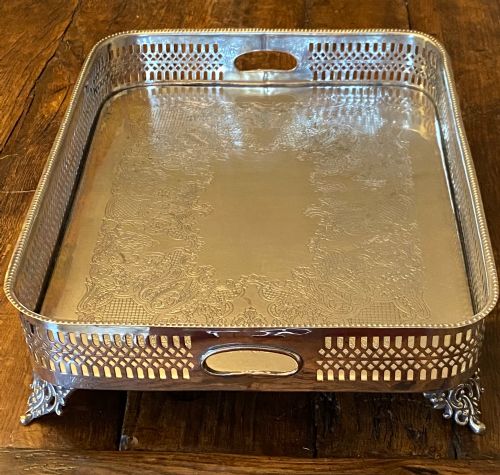
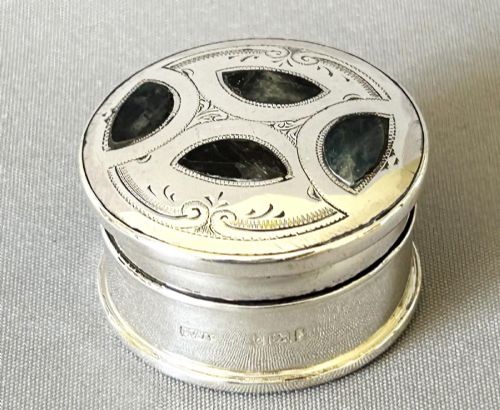
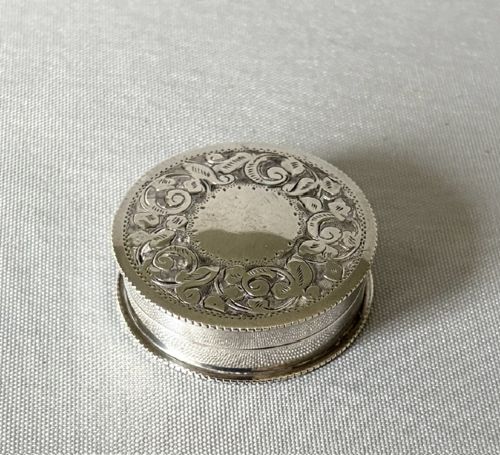
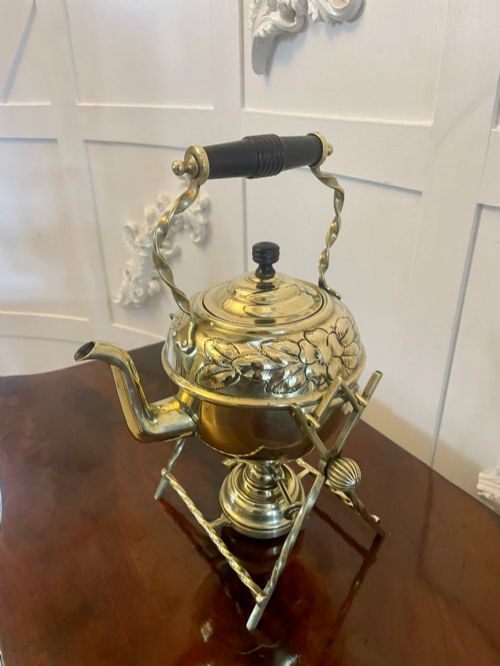
Victorian engraved metal encompasses a diverse array of domestic objects, ranging from small personal accessories like pillboxes and snuff boxes to larger serving vessels such as tea urns, samovars, trays and chargers. These items reflect the broad material culture of the nineteenth century, utilising brass, silver plate, pewter, bronze and gold.
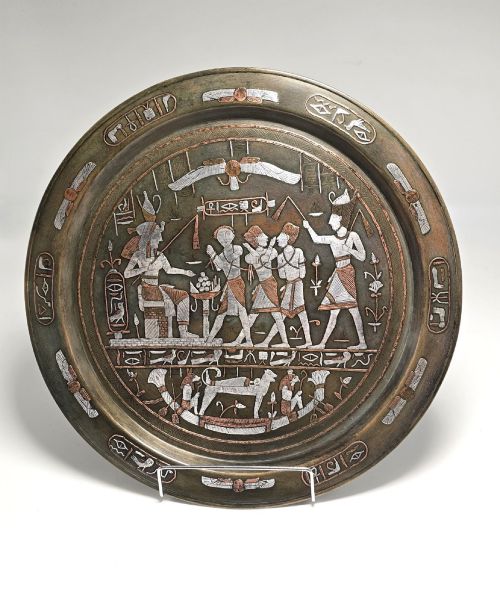
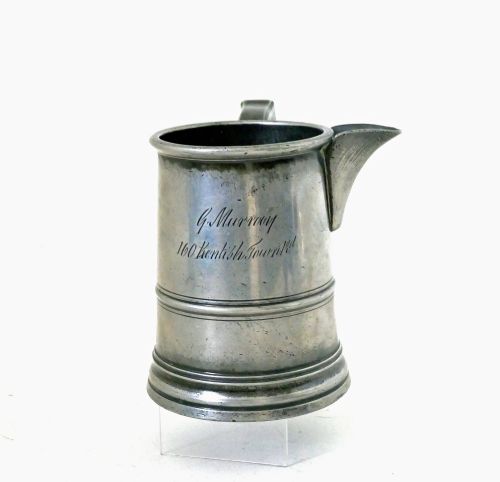
The objects frequently display stylistic influences beyond standard British design, including Anglo-Indian, Egyptian Revival and Gothic Revival motifs. Buyers encounter both utilitarian household metalware, such as ale jugs and coal buckets, and decorative display items like jardinières and bronze chargers.
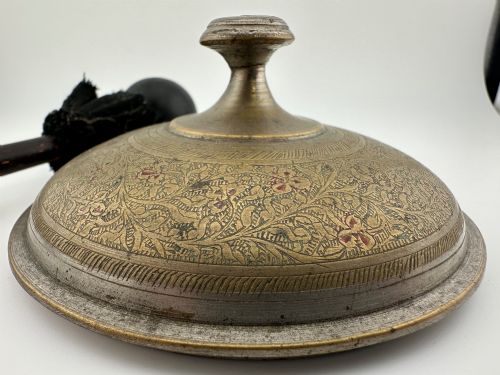
Small personal items dominate the refined end of the selection, while substantial brass and copper vessels provide decorative presence for larger rooms. Every piece carries the distinctive mark of period hand-workmanship, whether executed in domestic workshops or overseas during the Raj period.
Materials and Techniques
Makers utilised a variety of metallic substrates, casting or hammering brass, copper, bronze, pewter and silver plate into complex utilitarian and decorative forms. Surfaces were then ornamented through hand-engraving, embossing or mixed metal inlay, creating contrasting textures and tones across chargers, trays and boxes.
Specialised techniques such as Old Sheffield plating fused silver to copper bases, while specialised regional methods produced distinctive brass Cairo ware with inlaid details. These laborious processes required skilled artisans to cut precise lines and patterns directly into the metal body.
Victorian Engraved Metal Retail Price Guide 2026
Typical asking prices for victorian engraved metal among the pieces listed under this phrase on Sellingantiques today, from the lower quarter to the upper quarter. They describe what is for sale here now, not the wider market.
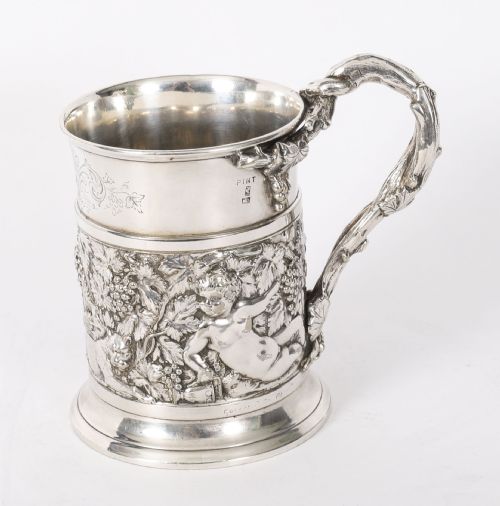
Some nineteenth-century silver-plated tankards feature mischievous owls serving as handles, watching over the table with glassy stillness.
Assessing Quality in Metalware
Quality rests upon the crispness and depth of the hand-engraving, distinguishing fluid, confident artisan execution from repetitive, shallow machine work. The weight and gauge of the underlying metal also dictate durability and presence, with heavier brass, bronze and silver plate demonstrating superior construction.
The integrity of applied details, such as mixed metal inlay, cast handles and fitted hinges on small boxes, reveals the standard of workshop assembly. Patina and original surface preservation further separate exceptional survivals from pieces that have suffered aggressive modern cleaning.
G R Collis·Walker And Hall·Mabie Todd And Co·Padley Parkin·David McDonald
The Victorian Engraved Metal Glossary
- Cairo Ware
- Nineteenth-century brass and mixed metal wares produced in Egypt, often featuring intricate silver and copper inlay in Islamic geometric designs.
- Old Sheffield Plated
- An early plating technique fusing a thin sheet of silver to a thicker copper core, visible where the base metal shows through wear.
- Charger
- A large ornamental decorative plate or shallow bowl designed for display on a wall or sideboard rather than for dining use.
- Pewter
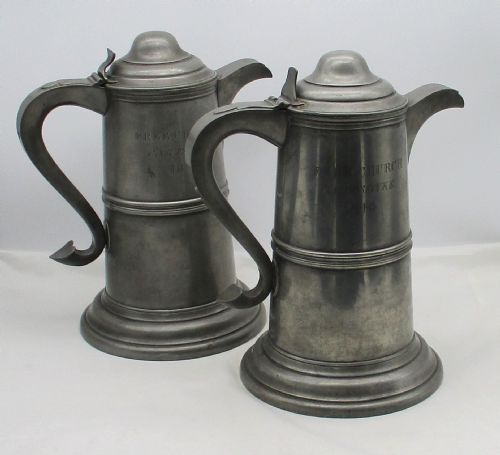
- A malleable tin alloy utilised historically for utilitarian vessels such as tankards, flagons and ale jugs.
- Propelling Pencil
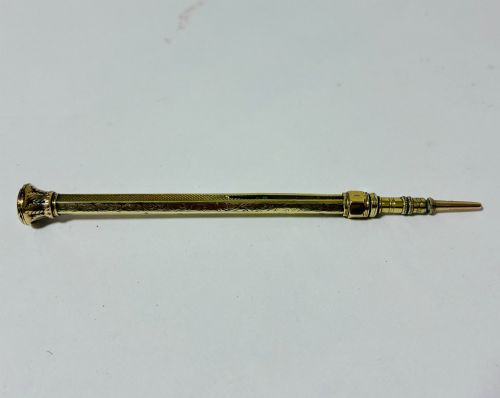
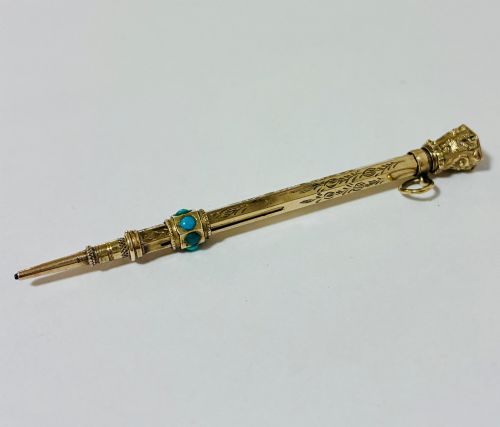
- A mechanical writing instrument featuring a sliding mechanism to advance lead, often fashioned from precious metals and decorated with engraving.
Victorian Engraved Metal: Frequently Asked Questions
How do I clean antique engraved metal?
Maintenance requires gentle dusting and minimal interference to preserve the historic surface and dark recessed details within the engraving. Aggressive modern metal polishes strip away the aged patina that collectors value.
Use a soft cloth and avoid chemical dips entirely, especially on silver-plated or mixed-metal pieces where the underlying base metal might become exposed through over-cleaning.
Are brass tea urns still usable?
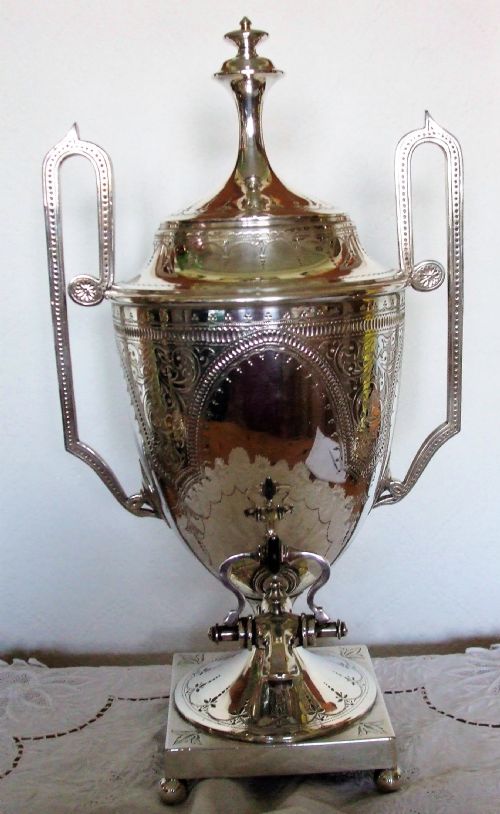
Most antique tea urns and samovars function primarily as decorative decorative objects rather than working kitchen appliances. Their internal taps and soldered joints often require professional restoration before holding hot water safely.
Displaying them on a sideboard or table lets the polished brass and copper catch the light without risking leaks or damage to internal components.
What is mixed metal in Victorian pieces?
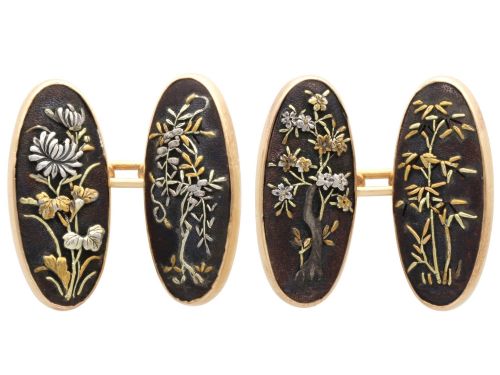
Mixed metal describes decorative items combining contrasting metallic elements, such as brass inlaid with copper and silver, inspired by Japanese and Middle Eastern aesthetics. This technique created rich visual variety across surfaces like trays, chargers and decorative bowls.
Artisans deliberately played different metal tones against each other to highlight engraved patterns and geometric borders.
How can I tell the period of metalware?
Dating relies on a combination of manufacturing marks, stylistic revivals, fastening methods and material composition. Victorian and nineteenth-century pieces often display specific maker marks, registered design lozenges or characteristic Gothic and Egyptian revival motifs.
Examining the construction of hinges, seams and tool marks helps differentiate mid-nineteenth-century hand production from later reproductions.