



Victorian Enamelled Glassware
Victorian enamelled glassware brings together vibrant glass bodies and meticulous painted decoration, capturing the ornate tastes of the nineteenth century.
Victorian Enamelled Glassware
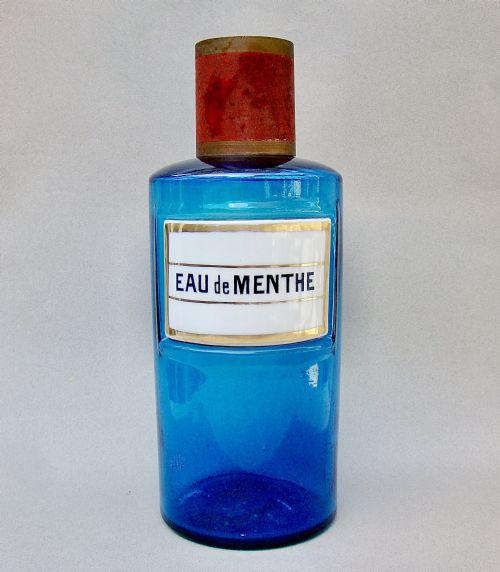
Victorian enamelled glassware encompasses a variety of decorative and functional vessels, from vases and decanters to complete liqueur sets and apothecary jars. These pieces showcase the intersection of rich coloured glass grounds and detailed surface painting that defined the period.
The selection on this page relies heavily on nineteenth-century European production, featuring notable contributions from Bohemian workshops alongside British and French examples. Vases and ewers dominate the forms, frequently decorated with hand-painted scenes or applied gilding.
Materials and methods
Makers utilised blown glass in shades of cranberry, green, blue, and opaque white, often shaping the molten material into ewers, goblets, and decanters. These coloured glass grounds provided a rich contrast for the opaque and translucent enamels applied to the surface.
Decoration involved hand painting using finely ground glass enamels fused to the vessel through firing, frequently augmented with gold leaf highlights and gilding. Artisans executed intricate figurative scenes, armorial motifs, and botanical patterns directly onto the cooled glass.
Victorian Enamelled Glassware Retail Price Guide 2026
Typical asking prices for victorian enamelled glassware among the pieces listed under this phrase on Sellingantiques today, from the lower quarter to the upper quarter. They describe what is for sale here now, not the wider market.
Judging quality
Quality rests in the precision of the hand-painted enamel work and the crispness of the applied gilding, where refined brushwork separates standard production from finer output. Pieces attributed to specific known makers demonstrate superior mastery in balancing colour palettes and executing complex figurative scenes.
The physical weight and clarity of the blown glass body also dictate standard, alongside the complexity of the form itself, such as multi-piece sets and overlaid portraits.
Mary Gregory·Lobmeyer·Fritz Heckert·Moser
The Victorian Enamelled Glassware Glossary
- Enamel
- A powdered glass mixture fused to the surface of a glass vessel through heat. This technique creates raised, opaque designs in various colours.
- Cranberry glass
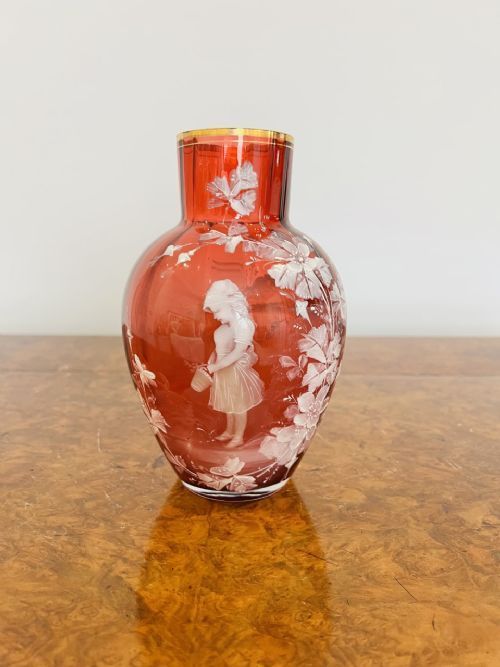
- A rich red glass produced by adding gold chloride to the molten batch. It became a hallmark of Victorian decorative tableware.
- Gilding
- The application of gold leaf or gold paint to accent the rims, handles, and painted scenes of glassware.
- Epergne
- A large table centrepiece featuring multiple branching holders or receptacles for fruit and flowers. These are frequently fashioned from coloured glass.
Victorian Enamelled Glassware: Frequently Asked Questions
How do I identify Mary Gregory glass?
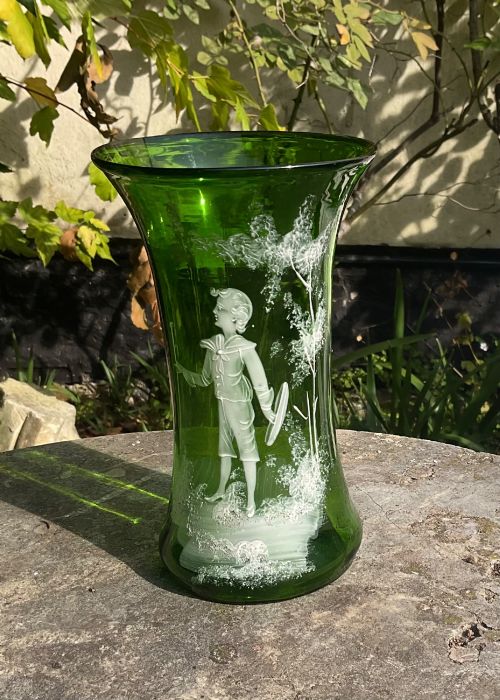
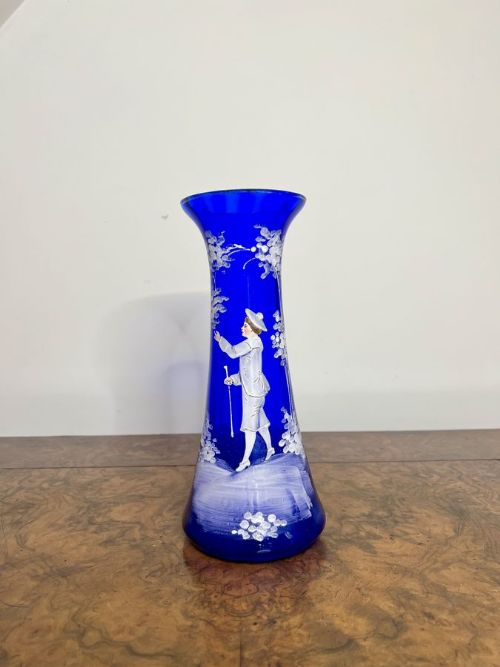
Mary Gregory pieces typically feature white enamel silhouettes of children playing in garden settings against coloured glass grounds like green, blue, or cranberry.
While named after a specific American artist, the vast majority of these items were actually produced in Bohemian and Victorian factories during the late nineteenth century.
What is Bohemian glass?
Bohemian glass originates from the historic regions of Bohemia, now part of the Czech Republic, renowned for centuries of glassmaking expertise.
Pieces from this region often combine heavy coloured glass with intricate enamelling, gilding, and overlaid portraits characteristic of the Victorian era.
How should I clean enamelled glassware?
Clean these delicate pieces gently using warm water and a mild detergent, avoiding harsh scrubbing or soaking that might damage the enamel.
Enamelled and gilded decoration sits on the surface of the glass and can wear away over time if subjected to abrasive cleaning methods or dishwashers.
Were these items used daily?
Many of these objects served functional purposes in nineteenth-century homes, functioning as decanters, liqueur sets, wine glasses, and apothecary jars.
Others were strictly decorative garniture sets and vases meant to display the wealth and refined tastes of the household during social gatherings.