



Victorian Eight Day Clock
A victorian eight day clock brings steady timekeeping into a room through heavy brass movements that need winding just once a week.
Victorian Eight Day Clock
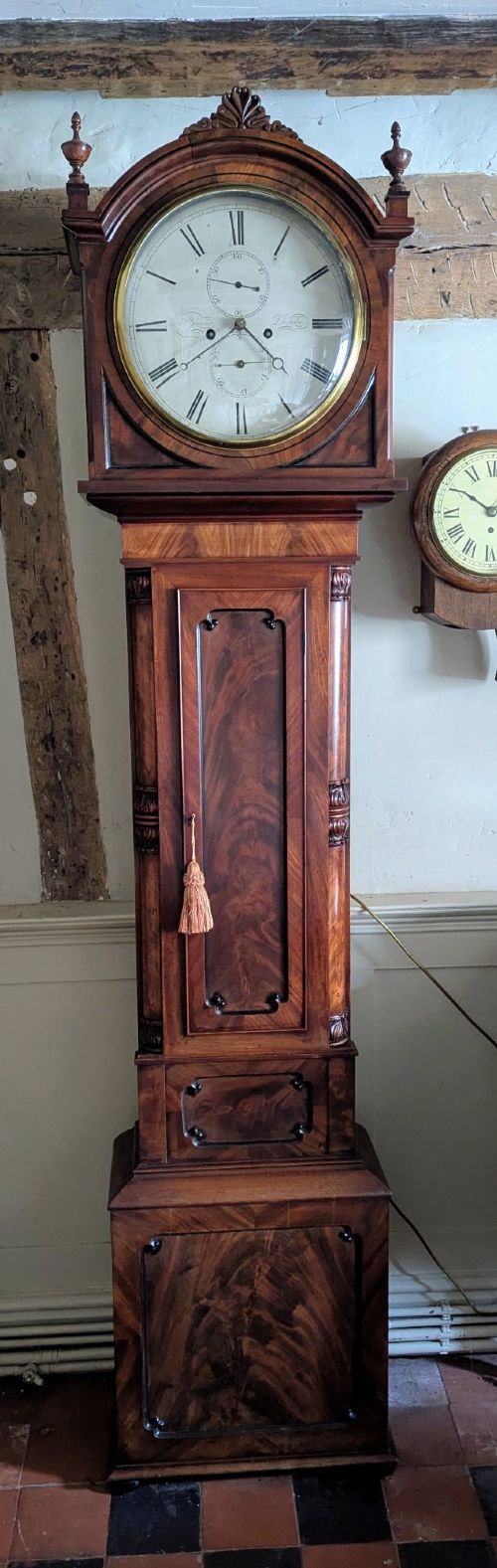
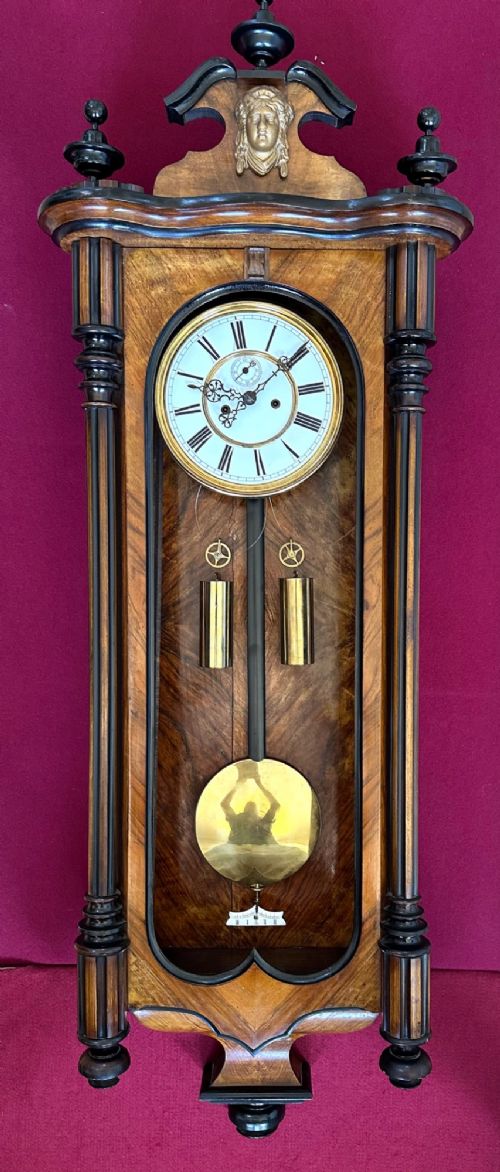
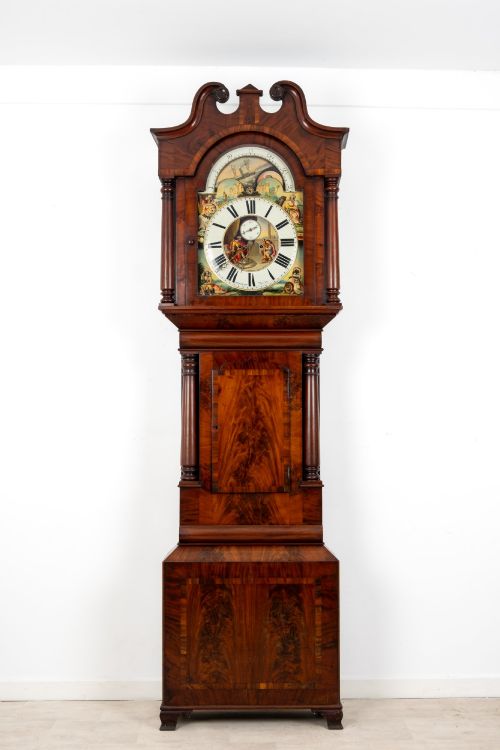
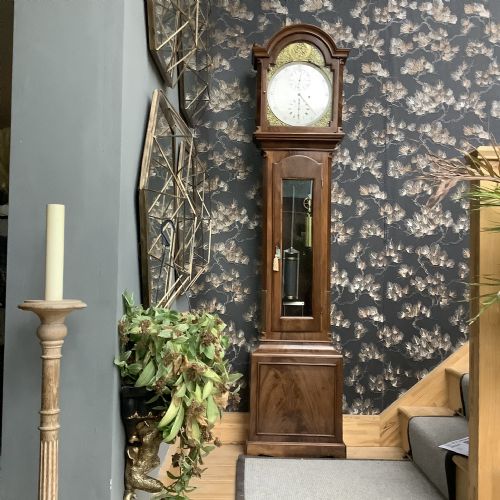
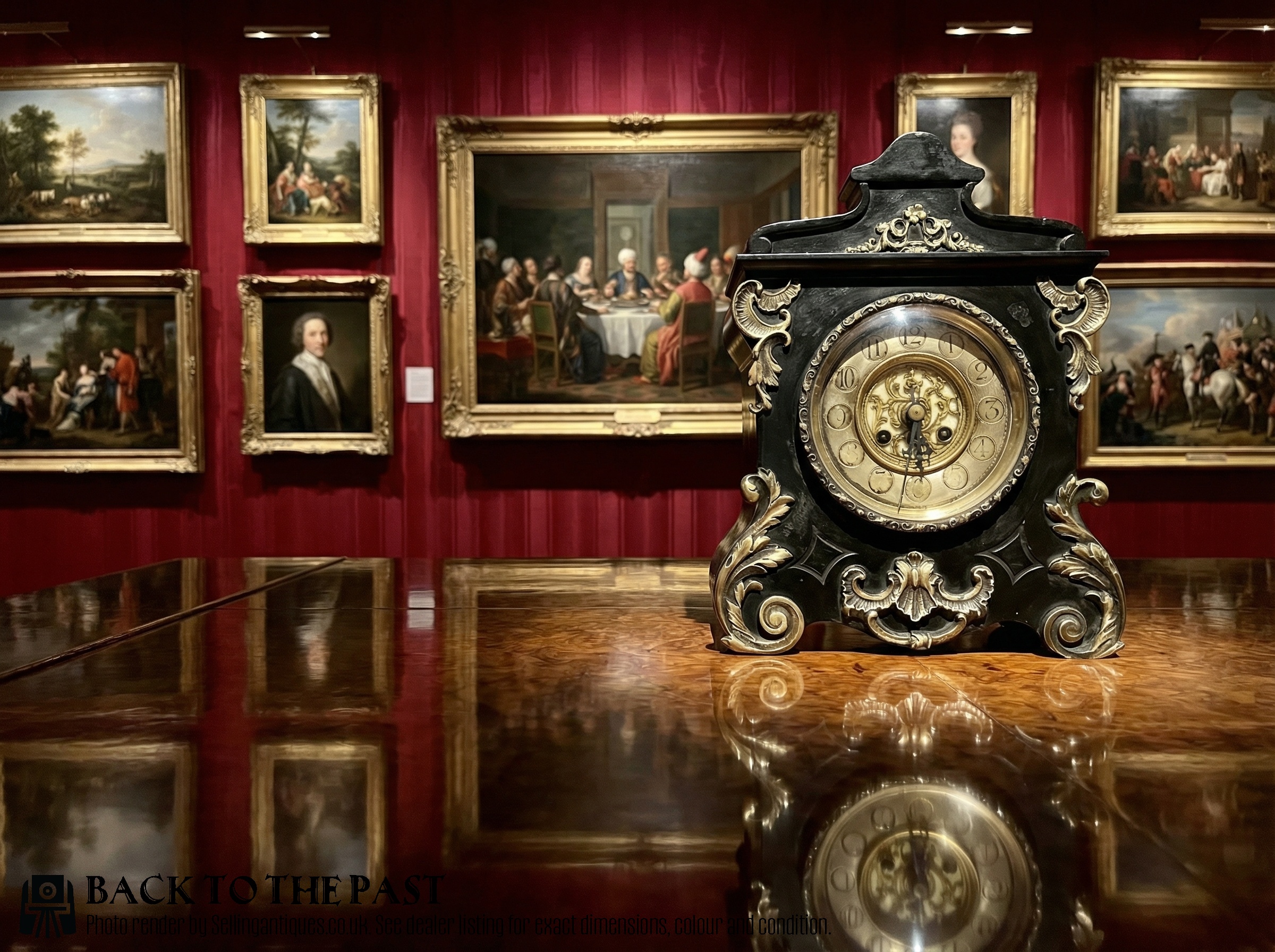
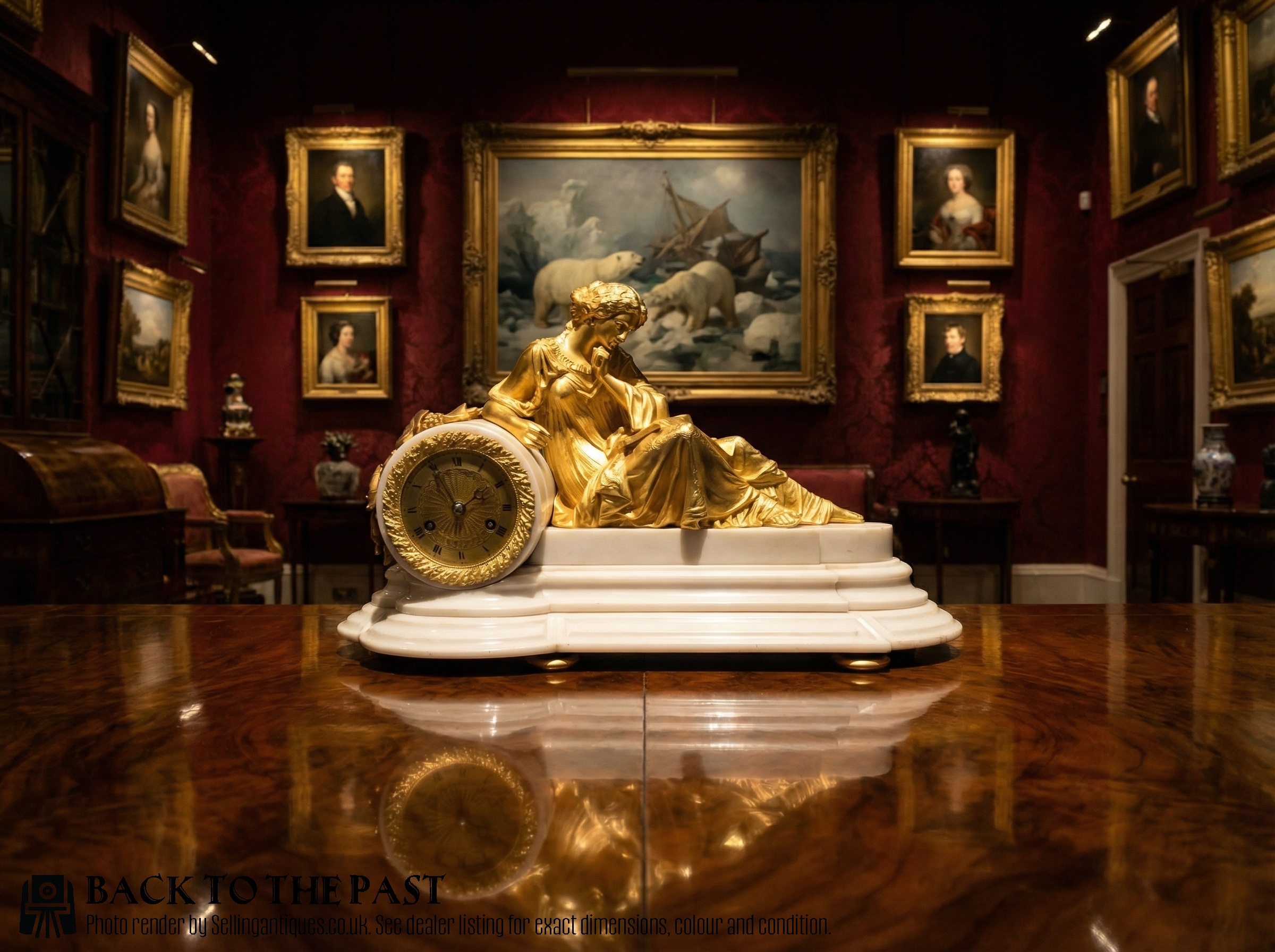
A victorian eight day clock encompasses towering grandfather cases, small mantel pieces, and wall-hung dials designed to run for a full week between windings. Most examples meet the eye as mahogany longcase clocks with painted faces or heavy marble and ormolu mantel clocks sitting upon nineteenth-century shelves.
Makers housed these mechanical movements inside diverse architectural styles ranging from plain Scottish oak boxes to ornate French Louis XVI revival cases with gilt bronze mounts and glass panels.
Materials and Mechanical Construction
Clockmakers relied on heavy brass and steel for the wheel trains, escapements, and pendulum rods that regulated the passing hours. Dials combined white enamel segments with delicate hand-painted numerals or engraved brass chapter rings.
Casework demanded seasoned hardwoods like mahogany and oak alongside decorative veneers of walnut and rosewood, while heavier domestic models utilised black slate and polished marble for architectural presence.
Distinctions in Execution and Finish
Quality reveals itself in the crispness of the brass casting and the depth of hand-carved details upon the wooden or stone cases. Superior movements feature clean-cut wheel teeth and well-finished plates that run true without excessive wear.
Dial work separates standard production from finer pieces through careful enamel painting, polished steel hands, and signed movements from known makers rather than anonymous mass-market workshops.
Tait Peebles·Parkinson Bros Batley·Thwaites of London·Dent of London·Henri Jacot Paris·Winterhalder W H·Winterhalder Hofmeier·L Donne Birchin Lane·David Griffith Carnarvon·P L Hausburg Paris·W B Headlam
The Victorian Eight Day Clock Glossary
- Fusee
- A conical pulley connected to the mainspring by a cord or chain that equalises the driving force as the spring unwinds. This mechanism helps maintain steady timekeeping throughout the week.
- Striking
- A secondary gear train that sounds the hours or quarters on a bell, gong, or chime rod. It requires an additional winding arbor in many domestic clocks.
- Bracket clock
- A portable spring-driven clock originally designed to sit on a wall bracket but later placed directly on tables and mantelpieces. Many include carrying handles on top.
- Skeleton clock
- An unencased clock with open brass plates and bridges that expose the entire gear train to view beneath a glass dome. This style highlights the mechanical complexity of the movement.
- Longcase clock
- A tall pendulum clock housed in a wooden trunk that protects the weights and swinging rod. They are frequently referred to as grandfather clocks by modern collectors.
Victorian Eight Day Clock: Frequently Asked Questions
How often should I wind my clock?
An eight day movement requires winding once every week using a matching key on the dial face. Consistent timing prevents the mainspring from binding.
Keeping to a regular weekly schedule helps preserve the tension on the brass gear trains and ensures accurate timekeeping.
Where should I place a heavy marble clock?
Heavy marble and slate clocks need a sturdy mantelpiece or sideboard capable of supporting substantial stone weight. Placing them on a level surface is essential for the pendulum to beat evenly.
Avoid areas exposed to direct sunlight or damp walls, as extreme temperature changes affect both the stone case and the metal movement.
How do I tell a longcase from a bracket clock?
Longcases are tall floor-standing clocks that use hanging weights inside a trunk, whereas bracket clocks are smaller spring-driven pieces designed for furniture tops. Longcases rely on a long swinging pendulum for regulation.
Bracket clocks use a shorter pendulum or balance wheel inside a compact wooden or ormolu case that can be easily moved between rooms.
Why does my clock strike the wrong hour?
Striking trains can fall out of synchronization if the minute hand is forced backward during setting or if the movement was stopped mid-strike. Many rack-controlled systems correct themselves after a full cycle.
Allowing the strike train to run down completely before advancing the hands forward usually resets the count wheel to the correct hour.