
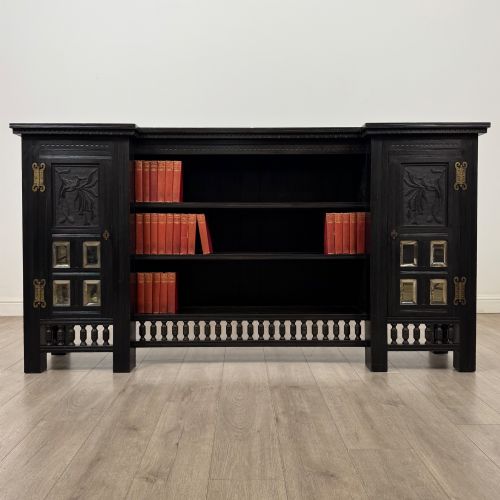
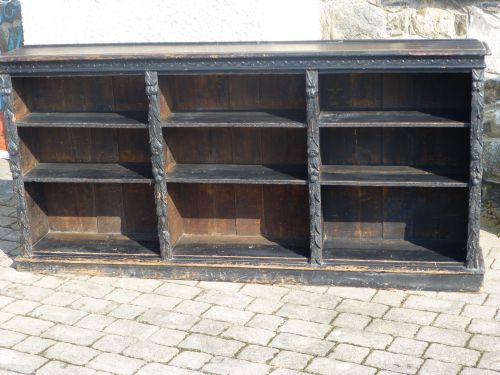
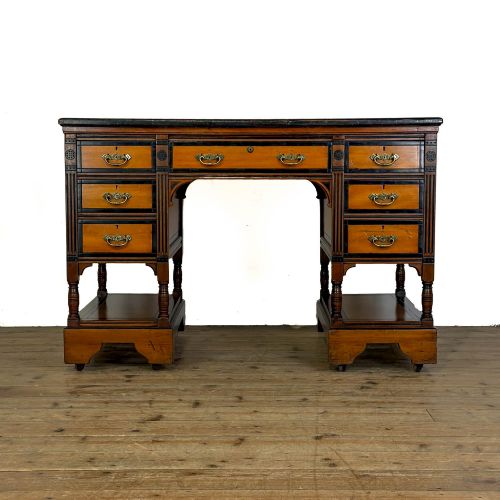
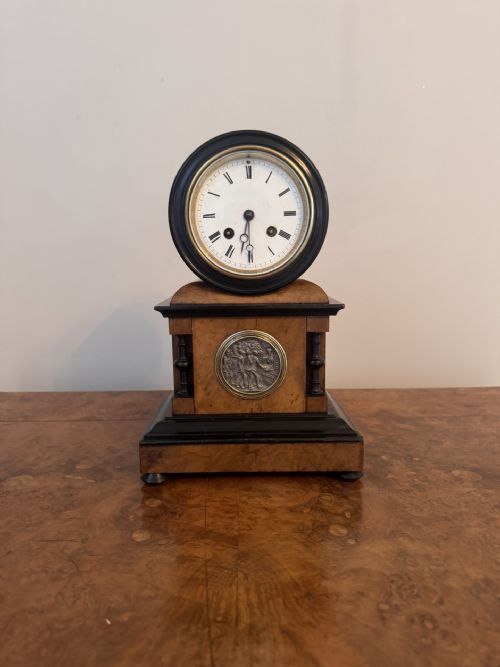


Victorian Ebonised Shelves
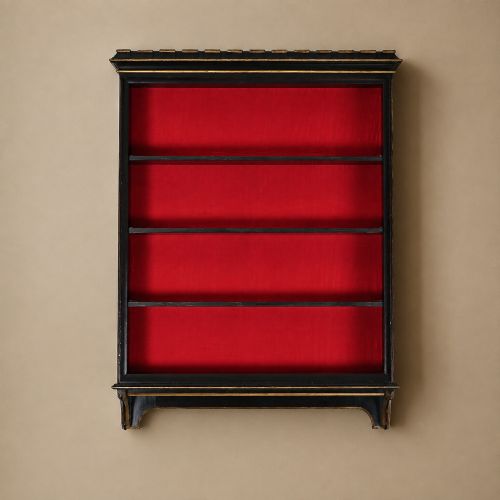
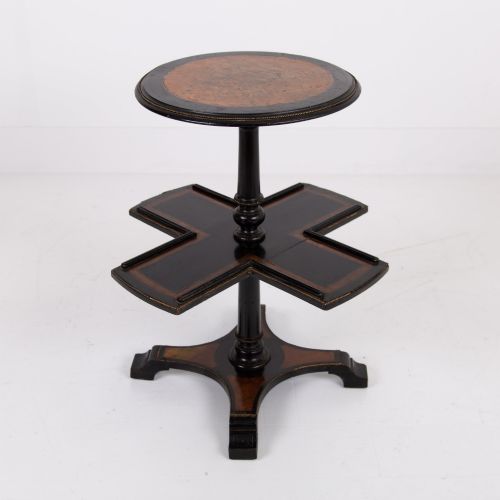
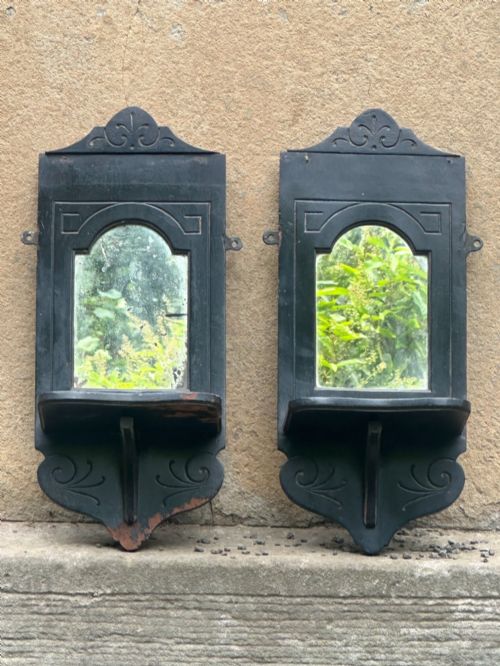
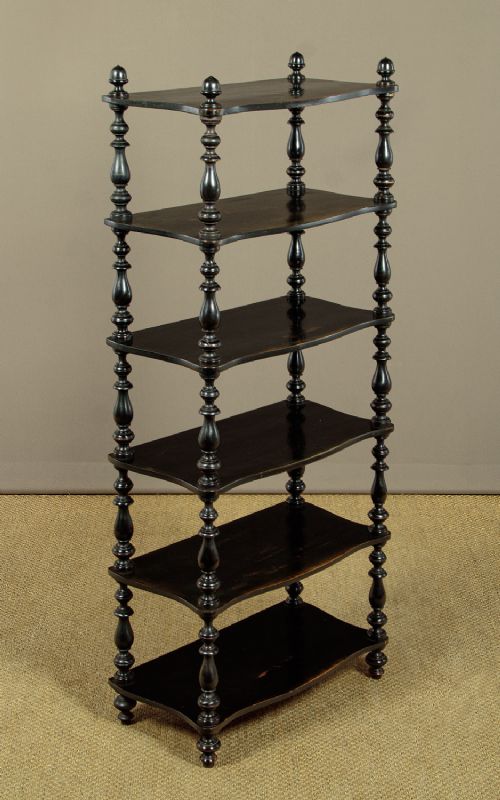
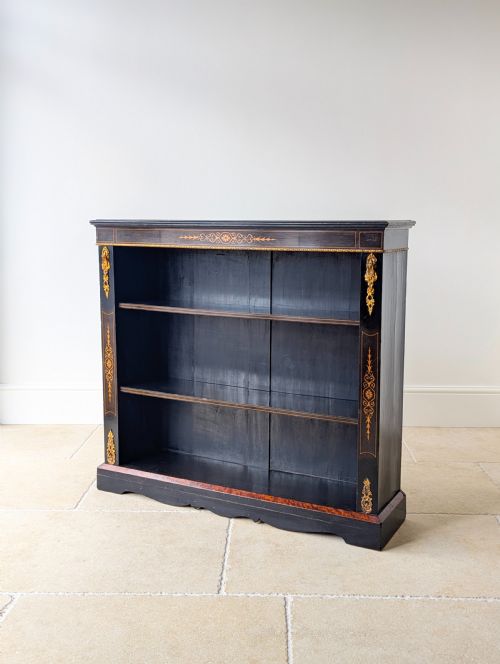
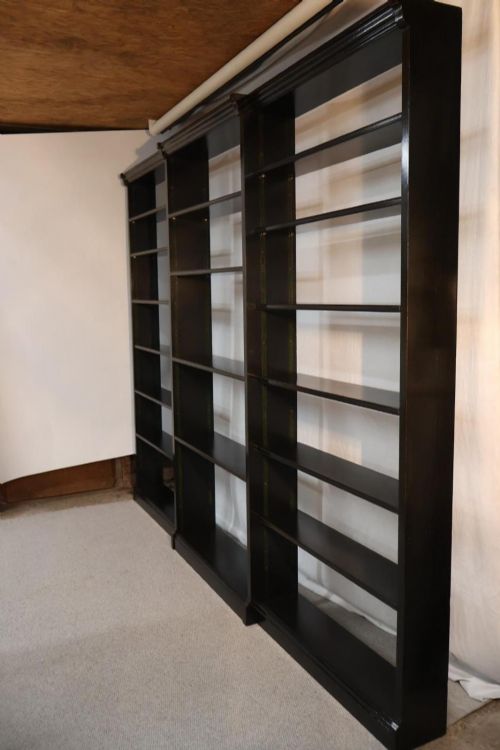
These Victorian ebonised shelves bring dark, striking surfaces and precise display space into a room.
Victorian Ebonised Shelves
When searching for victorian ebonised shelves, buyers encounter a specialised selection of nineteenth-century wall furniture designed to display ceramics, books and ornaments against dark, polished timber. The pieces appearing here span from eighteen-fifty to nineteen-hundred, capturing the shift toward dark wood surfaces that defined the later nineteenth century.
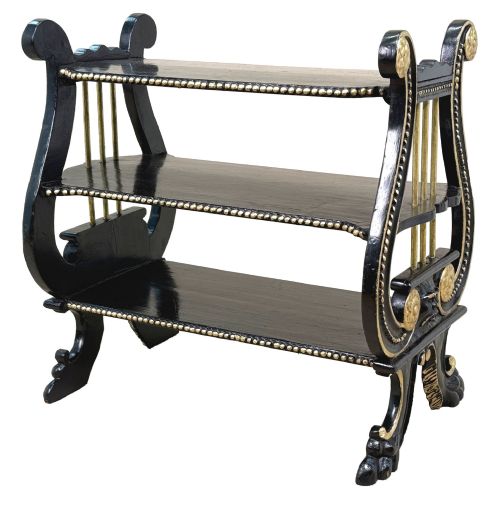
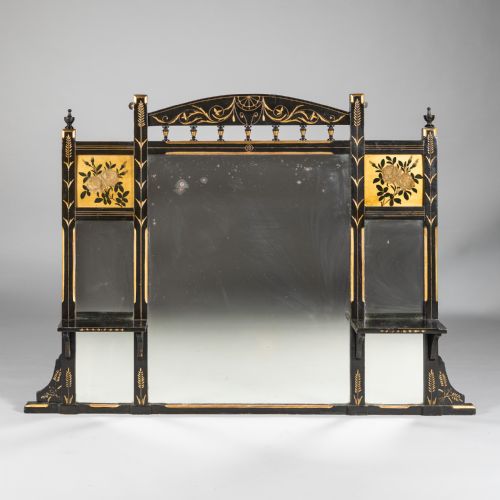
The selections range from open bookcases and corner units to multi-tiered stands and wall-hanging shelves. Aesthetic Movement and Gothic Revival styles heavily influence these forms, often incorporating parcel-gilding or contrasting inlays that break up the deep black finish.
Materials and Construction
Makers typically constructed these shelves from standard cabinet timbers such as oak, cherry, or walnut, before applying a dark staining process to imitate costly ebony wood. Parcel-gilding and brass mounts frequently accent the dark surfaces, adding metallic contrast to the finished pieces.
Surface treatments involved careful polishing to produce a smooth, dark finish that absorbed light while highlighting carved details or inlaid elements. Structural integrity relied on traditional joinery suited to supporting stacked books and heavy decorative objects.
Listings feature pieces from the 1850s to the 1900s, utilising materials such as ebonised wood, brass, glass, and burr walnut.
Markers of Quality
Quality in these pieces rests on the depth and durability of the ebonised finish, alongside the crispness of any carved decoration or parcel-gilding. Superior examples maintain their smooth, dark sheen across complex mouldings without flaking or uneven wear.
The precision of the joinery and the selection of secondary woods dictate the longevity of wall shelves and bookcases. Pieces featuring intricate Aesthetic Movement detailing or contrasting wood inlays generally reflect a higher standard of workshop production.
George Edmund Street·Cottier & Co.·Thomas A Paris·D Robertson of Perth·Wm. Gilbert U.S.A.
The Victorian Ebonised Shelves Glossary
- Ebonised Wood
- Timber treated with a black stain or polish to resemble genuine ebony wood. This finish gained popularity during the nineteenth century for furniture mimicking Asian design aesthetics.
- Parcel Gilt
- A decorative technique where specific carved areas or details receive a thin application of gold leaf. It creates a bright contrast against the surrounding dark ebonised surface.
- Aesthetic Movement
- A late nineteenth-century design style focusing on visual beauty over narrative meaning. It drew heavy inspiration from Japanese art and featured clean lines paired with dark wood finishes.
- Gothic Revival
- An architectural and decorative style drawing on medieval forms, pointed arches, and heavy ornamentation. Pieces in this style often display robust construction and ecclesiastical motifs.
- Étagère
- A piece of furniture consisting of multiple open shelves used for displaying ornaments. These tiers graduate in size or remain uniform depending on the specific nineteenth-century design.
Victorian Ebonised Shelves: Frequently Asked Questions
How do I clean ebonised surfaces?
Dust these shelves gently with a dry, soft cloth to prevent scratching the dark finish. Avoid using harsh chemical sprays or abrasive polishes that can dull the ebonised coating over time.
For stubborn marks, use a barely damp cloth followed immediately by a dry one. Maintaining stable room humidity protects the underlying timber from warping.
Can these wall shelves hold heavy books?
Wall-mounted shelves require secure fixing to solid wall studs or masonry to support heavy loads safely. Inspect the original hanging brackets to ensure they remain structurally sound before mounting.
Lighter display items and small collections place less strain on antique fixings. Distributing weight evenly across the tiers prevents long-term sagging.
What styles accompany ebonised furniture?
Aesthetic Movement and Gothic Revival designs dominate nineteenth-century ebonised furniture. These styles pair well with both period interiors and modern minimalist spaces seeking dark architectural accents.
Anglo-Japanese influences also appear frequently, characterised by clean geometric lines and gilded highlights. This versatility allows the pieces to blend easily into various decorative schemes.
How do I date these Victorian pieces?
Examine the construction methods, secondary woods, and hardware styles to determine the approximate decade of manufacture. Nineteenth-century pieces often display hand-cut joinery and characteristic wear patterns on the finish.
Design motifs such as parcel-gilding or specific stylistic markers like Aesthetic Movement framing help narrow down the period. Comparing construction details with dated examples provides a reliable timeline.