



Wall Mounted Open Shelves
Wall mounted open shelves bring practical storage and display to tight spaces, offering immediate access to books, ceramics and decorative objects.
Wall Mounted Open Shelves
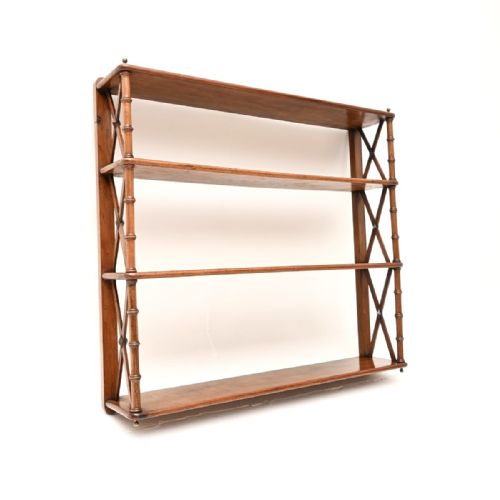
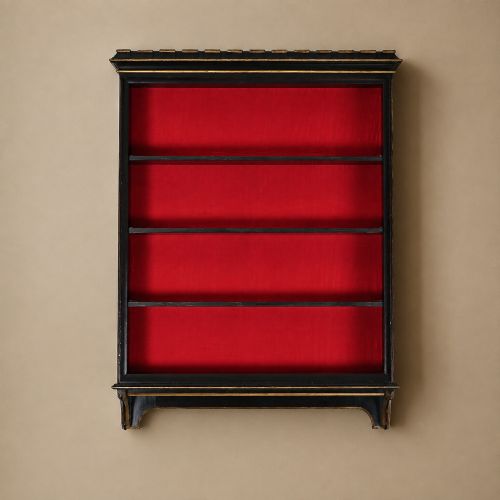
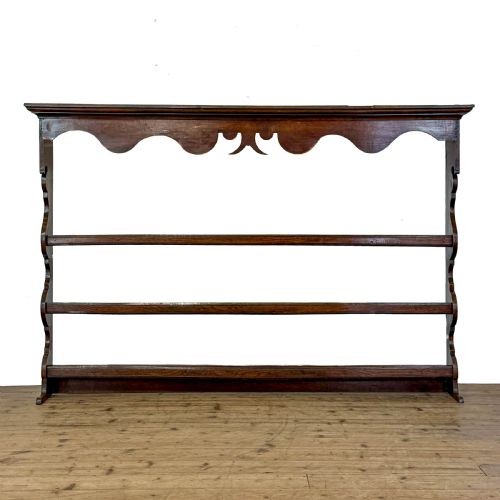
Wall mounted open shelves span several eras and styles, including Georgian, Victorian, and Edwardian examples alongside specific forms like corner shelves, plate racks, and hanging bookcases. When buyers search for wall mounted open shelves, they encounter functional pieces designed to save floor space while displaying books, collectibles, and household items. The selection ranges from simple hanging boards in pine or painted wood to elaborate architectural designs in mahogany, walnut, and ebonised timber.
The architectural presence of these pieces varies considerably between country houses and urban interiors. Early examples often utilise dense timbers like mahogany and walnut with subtle mouldings, while later pieces embrace the decorative aspirations of the Gothic Revival or Arts and Crafts movements. Many forms double as display cabinets or whatnots, incorporating small cupboards or tiered platforms intended to showcase prized possessions.
How wall mounted open shelves were made
Makers constructed these hanging units using traditional timber framing techniques suited to supporting weight from vertical surfaces. Cabinetmakers selected sturdy domestic and imported woods such as mahogany, oak, walnut, pine, and cherry, often pairing them with brass hanging brackets, hinges, or decorative mounts. Timber selection dictated the structural integrity of the shelves, with dense hardwoods providing robust support for heavy book collections.
Surface treatments ranged from clear polishing that highlighted natural grain patterns to painted finishes and ebonising. Artisans applied dark stains or black finishes to mimic more expensive exotic materials during the Victorian period, while earlier Georgian items relied on the rich patina of untreated or wax-polished mahogany. Fabric linings occasionally appeared inside enclosed sections of whatnot cabinets, adding textural contrast to open display tiers.
Listings feature mahogany, walnut, oak, pine, and ebonised timber across Georgian, Victorian, and Edwardian periods.
What varies in quality in wall mounted open shelves
Quality rests in the precision of the joinery and the selection of timber used for structural uprights and shelf boards. Finer pieces demonstrate careful attention to dovetail joints, secure wall-fixing points, and harmonious proportions that balance utility with visual elegance. Lesser items often rely on simpler butt joints and thinner boards that lack the rigidity required for holding heavy volumes.
The sophistication of decorative carving and applied mouldings also distinguishes standard utility pieces from exceptional commissions. Master craftsmen integrated subtle turned supports, shaped frets, and polished brass hardware that elevate a simple hanging shelf into a refined item of furniture. The integrity of the original surface finish, whether aged polish, paint, or ebonisation, further influences the character and retention of period detail.
George Edmund Street
The Wall Mounted Open Shelves Glossary
- Whatnot
- A set of open shelves standing on legs or mounted to a wall, designed for displaying ornaments and small objects. These tiered structures became particularly popular during the Victorian period for parlour and drawing room display.
- Ebonised timber
- Wood treated with a dark stain or finish to simulate expensive ebony. This technique was frequently utilised during the Gothic Revival and nineteenth century to create stark, dramatic furniture silhouettes.
- Hanging cupboard
- A wall-mounted storage unit featuring enclosed doors alongside or above open display space. These pieces kept domestic provisions or valuable items secure while remaining off the floor.
- Gothic Revival
- An architectural and decorative style drawing inspiration from medieval forms. Pieces from this movement often display pointed arches, tracery, and robust ebonised or carved wooden elements.
Wall Mounted Open Shelves: Frequently Asked Questions
How do I hang antique wall shelves securely?
Antique wall mounted open shelves require proper weight distribution and secure fixings into wall studs or solid masonry. Because these pieces were originally designed for domestic settings with different wall structures, modern brass brackets or hidden fixings placed through the original mounting points ensure safety.
Weight considerations matter greatly when loading timber shelves with books or heavy ceramics. Distributing heavier items on the lower tiers prevents strain on the upper wall fixings and maintains the structural balance of the hanging unit.
Were wall shelves used in specific rooms?
These versatile pieces appeared throughout historic homes, functioning as kitchen plate racks, parlour display units, and library bookshelves. Smaller corner shelves and hanging cupboards maximised vertical storage in compact domestic spaces.
Bedrooms and studies frequently utilised smaller hanging bookshelves to keep frequently read volumes close at hand. The choice of timber and decorative style often reflected the formal or casual nature of the room it inhabited.
How do I distinguish Georgian from Victorian shelves?
Georgian wall shelves tend to feature restrained classical proportions, simple mahogany or walnut boards, and minimal decoration. Their construction prioritises functional utility and clean lines that complement traditional panelled rooms.
Victorian examples frequently incorporate heavier mouldings, ebonised timber, Gothic Revival motifs, or elaborate display platforms. The introduction of mixed woods and varied display compartments points toward the later nineteenth-century interest in eclectic interior decoration.
Can these shelves hold heavy books?
Solid hardwood shelves in mahogany or oak generally support substantial book collections without bowing. The thickness of the timber and the strength of the side uprights determine how much weight the structure can safely bear over time.
Pine or lighter painted shelves suit lighter decorative objects, small paperbacks, or display ceramics better than dense rows of heavy volumes. Assessing the depth and board thickness helps determine the appropriate everyday use for each piece.