




Victorian Earthenware Pedestal
These Victorian earthenware pedestal pieces are grand plant stands and jardinières designed to bring botanical life into nineteenth-century interiors.
Victorian Earthenware Pedestal
A victorian earthenware pedestal brings height and architectural presence to conservatories and drawing rooms through combined plant stands and jardinières.
Makers shaped these tall ceramic supports during the nineteenth century, often pairing a matching basin with a column or figural base.
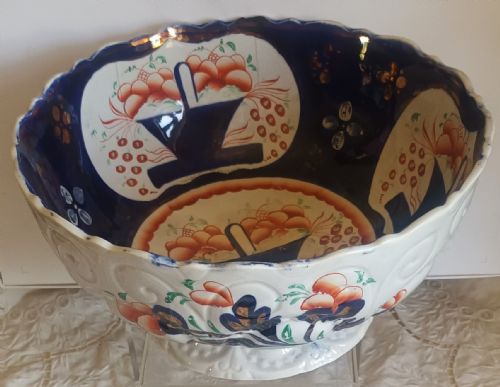
Plant stands and jardinieres dominate this selection, accompanied by occasional comports, tureens, and decorative bowls in earthenware and ironstone.
Assessing quality and manufacture
Finer examples display crisp moulding in complex naturalistic motifs such as begonia leaves, griffins, or figures without loss of surface detail.
The sophistication of the glaze application, from lustres to slip finishes, separates standard production wares from ambitious studio pottery.
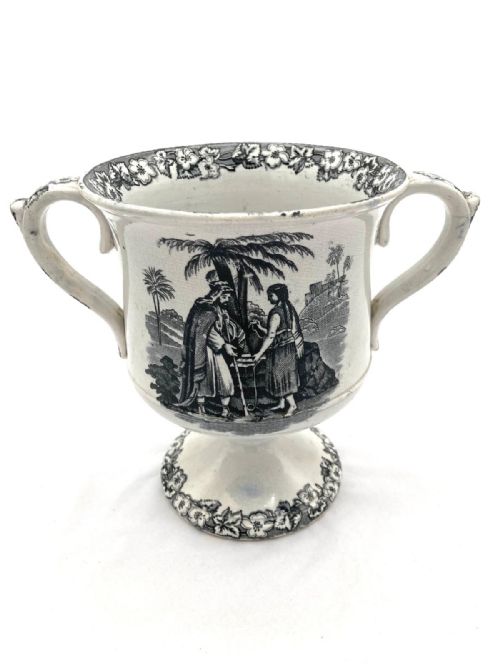
A black transfer-printed loving mug featuring a hidden ceramic frog waits inside the bowl to surprise drinkers.
Burmantofts Art Pottery·Clement Massier·Minton·Julius Dressler·Woodlesford Art Pottery·Davenport·Copeland & Garrett
The Victorian Earthenware Pedestal Glossary
- Jardinière
- A large decorative pot or stand for holding plants or flowers, usually placed directly on the floor or a matching pedestal.
- Majolica
- A type of earthenware covered with an opaque tin glaze and painted with brightly coloured metallic oxides.
- Comport
- A shallow footed bowl or dish used for serving fruit or sweetmeats at the table.
- Tureen
- A deep covered bowl used for serving soups, stews, or sauces during formal nineteenth-century meals.
Victorian Earthenware Pedestal: Frequently Asked Questions
What is a Victorian earthenware pedestal?
It is a tall ceramic plant stand or jardinière base produced during the nineteenth century to elevate greenery and decorative bowls.
These pieces combine functional support with sculptural moulded ornament suited to period interiors.
How were these stands used originally?
Victorians placed large potted palms and flowering plants upon them in conservatories, halls, and withdrawing rooms.
The elevated design protected expensive carpets from moisture and displayed botanical specimens at eye level.
Can I use these plant stands outdoors?
These historical earthenware pieces suit indoor environments and conservatory settings rather than exposed garden use.
Frost and harsh weather can damage nineteenth-century ceramic bodies and historical glazes.