


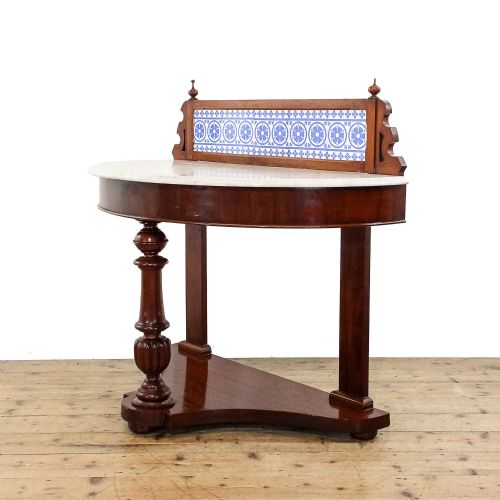
Victorian Duchess Vanity
These Victorian duchess vanity tables offer graceful dressing surfaces with mounted mirrors, combining functional storage with period elegance for the bedroom.
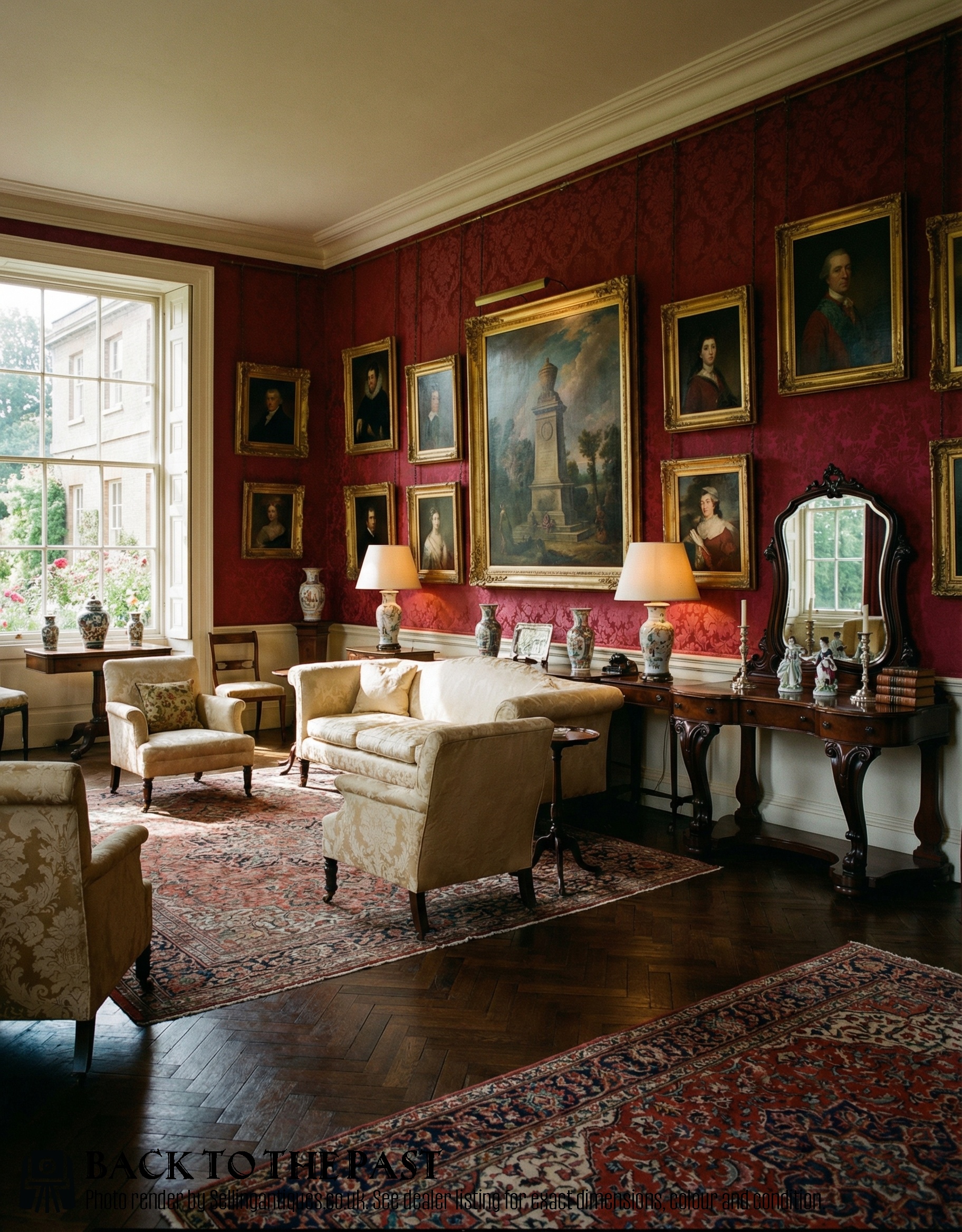
Victorian Duchess Vanity
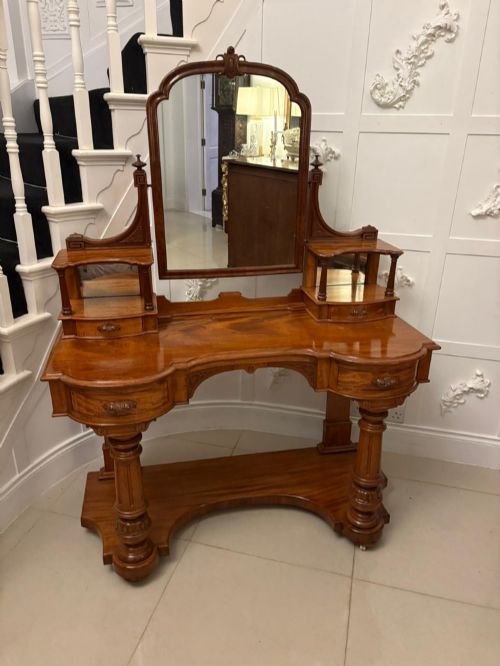
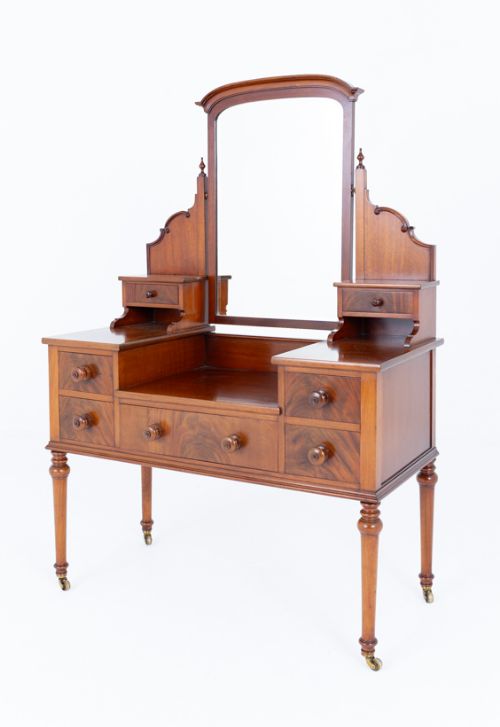
When searching for a Victorian duchess vanity, a buyer encounters pieces primarily spanning the nineteenth century, including specific decades from the 1850s through the 1890s and into the Edwardian era. These items take the form of dressing tables, dressing chests, toilet mirrors, and washstands designed for the Victorian bedroom.
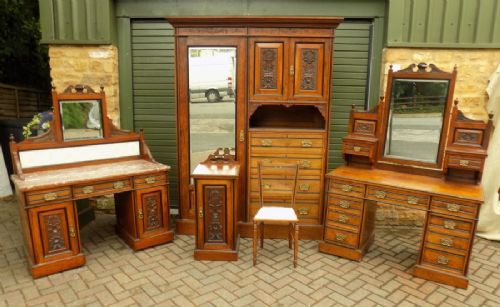
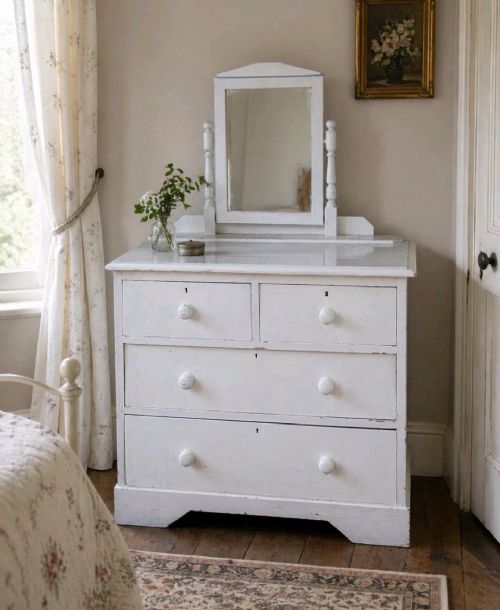
The versions met most frequently on this page include mahogany and burr walnut dressing tables, often featuring carved woodwork and integrated mirrors. Alongside these grander examples appear painted and stencilled pine pieces, as well as occasional oak and satinwood variations.
Origins range across regional British workshops, with specific pieces noting Scottish manufacture alongside standard Victorian stylistic revivals. The overarching category encompasses both elaborate duchess forms and related pedestal or kneehole dressing tables.
Materials and construction methods
Makers utilised timber varieties such as solid mahogany, burr walnut, pine, and satinwood, frequently pairing them with mirror glass, brass hardware, and occasional marble inserts. Burr walnut veneer provides distinct decorative grain patterns across table surfaces and drawer fronts.
Carpentry techniques involve frame and panel construction for casework, alongside hand-cut dovetails on drawer construction. Carved ornamentation, marquetry inlay, and stencilled decoration appear across various styles from Gothic Revival to Aesthetic Movement.
Scottish cabinetmakers occasionally added extra secret compartments for midnight chocolates.
Distinctions in craftsmanship and materials
Quality rests upon the selection of timbers, where highly figured burr walnut or select satinwood elevates a piece above standard mahogany or painted pine. The depth and precision of hand-carved details and inlaid marquetry further distinguish finer examples.
Structural integrity depends on the preservation of original mirror glass, brass fittings, and stencilled decoration. Superior execution is visible in the neatness of dovetail joints and the balance of proportions within the overall dressing table design.
John Taylor of Edinburgh
The Victorian Duchess Vanity Glossary
- Duchess dressing table
- A grand nineteenth-century dressing table featuring a large central mirror, often flanked by smaller drawers or trinket boxes above a main drawer.
- Burr walnut
- A veneer sliced from walnut tree growths, prized by cabinetmakers for its swirling, highly decorative grain patterns.
- Washstand
- A bedroom piece designed to hold a basin and jug, sometimes incorporating marble tops and tile splashbacks.
- Pedestal dressing table
- A form featuring banks of small drawers supporting the main writing or dressing surface on either side of a central kneehole.
- Marquetry
- Decorative woodwork where thin pieces of veneer are fitted together to form pictorial designs or geometric patterns on furniture surfaces.
Victorian Duchess Vanity: Frequently Asked Questions
What is a duchess dressing table?
A duchess dressing table is a specific nineteenth-century vanity form distinguished by a large, upright mirror mounted on scrolling supports above small trinket drawers.
These pieces served as the primary station for grooming in the Victorian bedroom, combining surface space with tiered storage compartments.
How do I date a Victorian vanity?
Dating relies on observing a combination of timber choices, decorative styles, and construction markers recorded in nineteenth-century cabinetmaking. Pieces from the 1850s often display robust mahogany forms, whereas burr walnut and specific revival styles became prominent toward the 1870s and 1880s.
Later Edwardian examples introduce lighter satinwood or painted pine finishes alongside simplified drawer configurations.
Are mirrors original to these tables?
Many surviving dressing tables retain their original mirror glass and supporting wooden frames, though replacement glass occurs due to the fragile nature of nineteenth-century silvering.
Original mirrors often show subtle signs of age within the glass while matching the exact timber and patina of the base table.
Where were these pieces used?
These dressing tables and vanity stands furnished the principal bedrooms and dressing rooms of Victorian and Edwardian homes.
They stood against bedroom walls, often accompanied by matching washstands, bedside cabinets, or complete burr walnut bedroom suites.