

Victorian Drop Leaf
Victorian drop leaf tables and occasional pieces offer folding mobility and rich timber surfaces designed to adapt seamlessly to compact or grand rooms.
Victorian Drop Leaf
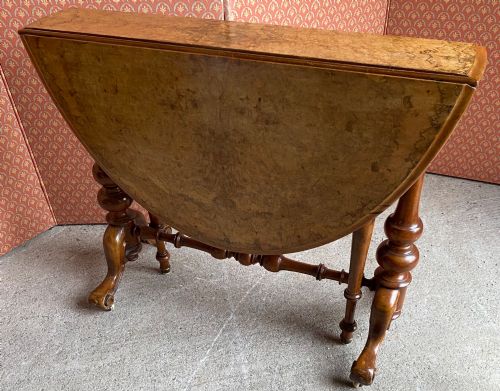
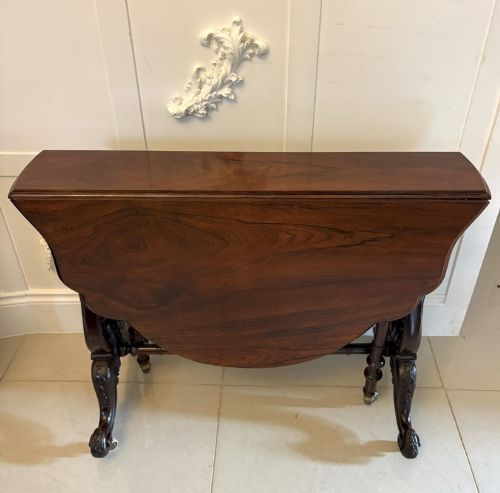
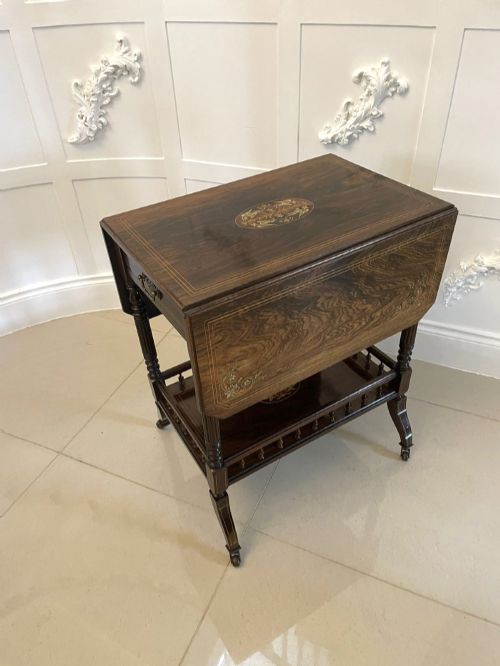
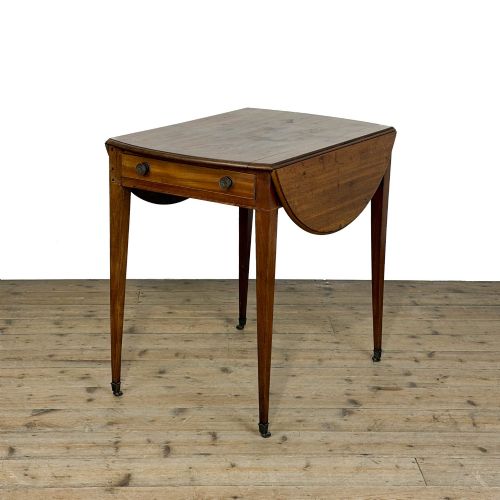
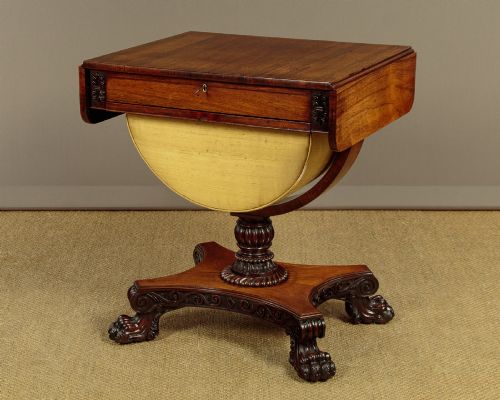
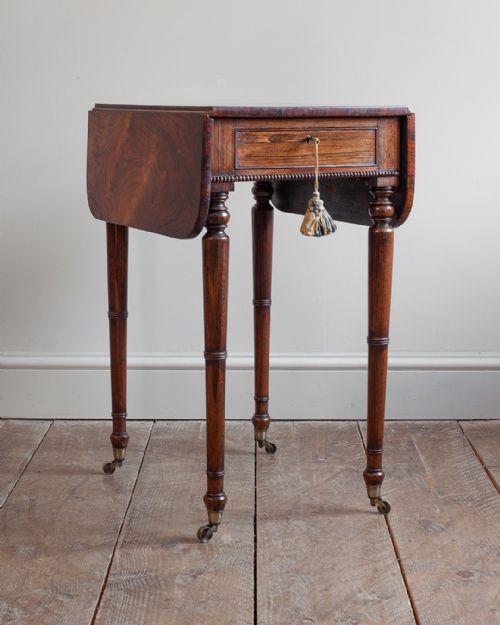
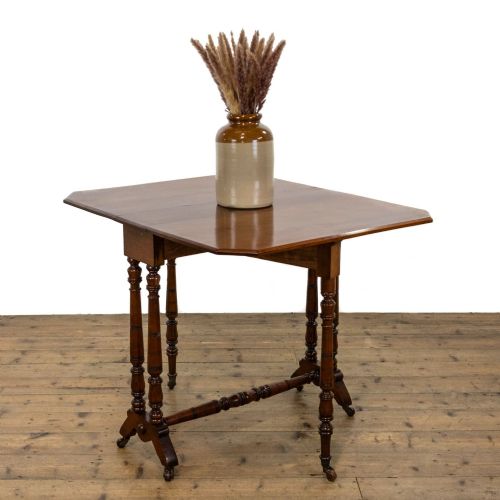
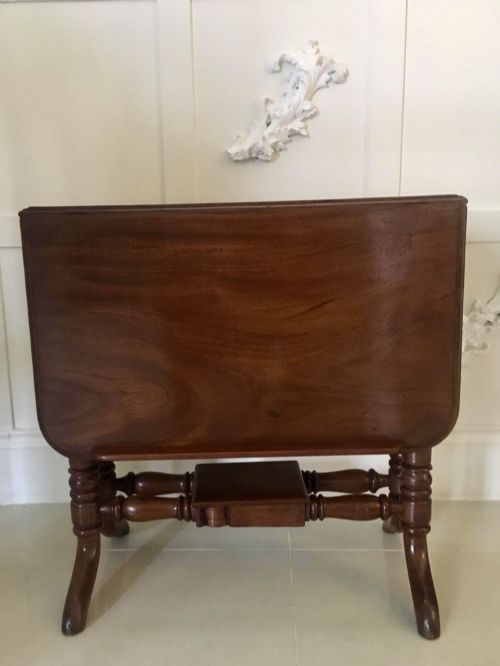
When you search for a Victorian drop leaf, you encounter tables designed with folding flaps that expand or contract surfaces according to immediate domestic needs. The selections span occasional tables, Sutherland tables, Pembroke tables, and compact kitchen work tables.
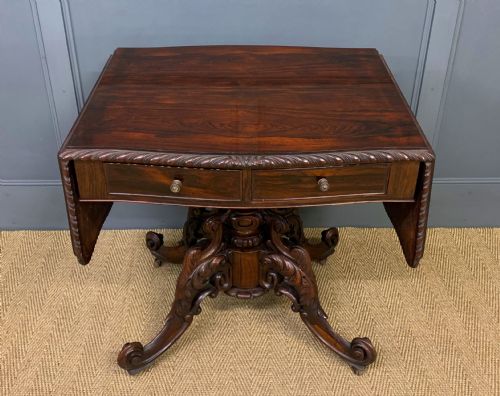
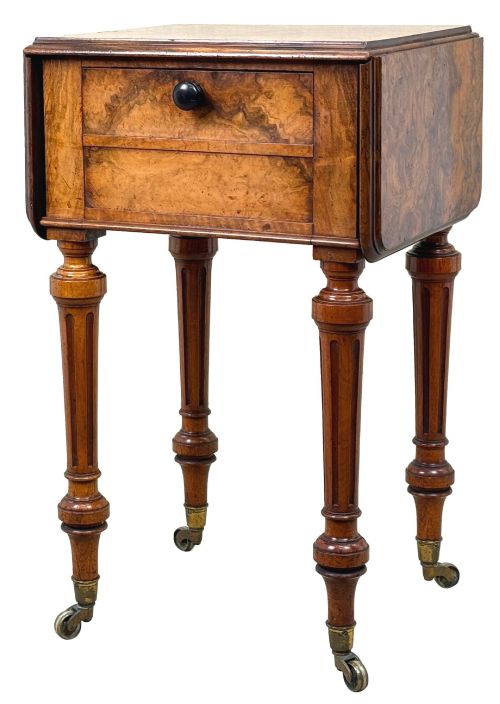
The prevailing examples originate in the nineteenth century, utilising mahogany, rosewood, walnut, and burr walnut. These pieces frequently incorporate drawers, pedestals, or gateleg supports characteristic of the period.
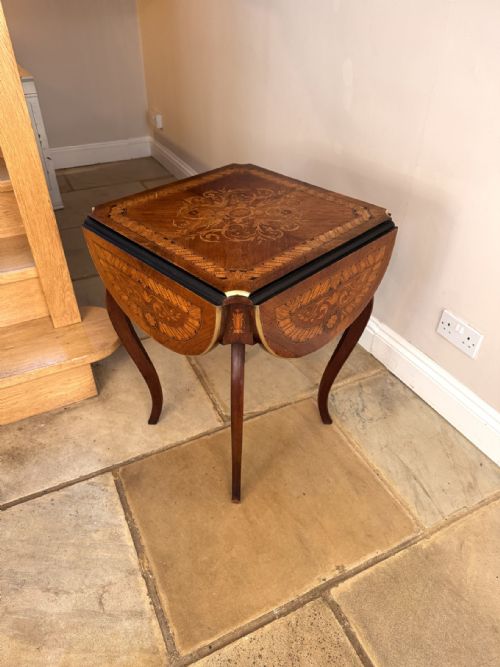
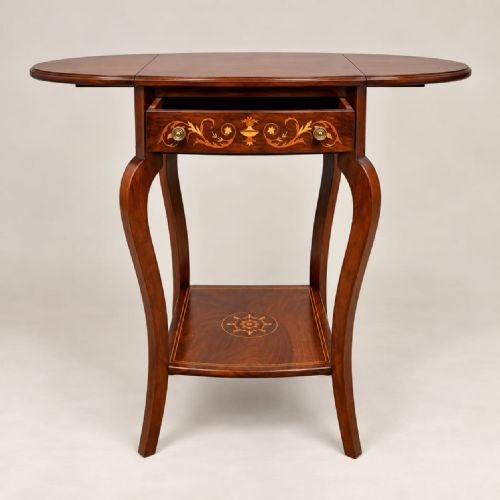
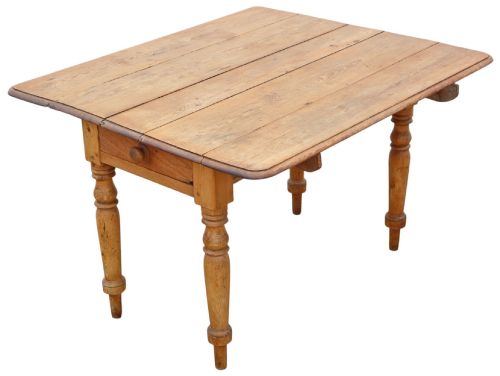
Makers adapted the drop leaf mechanism across diverse forms, ranging from elaborate marquetry occasional tables to practical pine kitchen tables. This variety ensures an item fits settings from formal drawing rooms to rustic interiors.
Materials and Construction
Cabinet makers utilised dense hardwoods such as mahogany and rosewood alongside richly figured burr walnut for primary surfaces. Inlays of satinwood and marquetry ornamentation decorated finer parlour examples, while sturdy pine and fruitwood served utility tables.
Hinges and folding mechanisms relied on brass hardware to secure drop flaps and leaves reliably. Turning, carving, and bobbin leg constructions provided structural stability for gatelegs and Pembroke supports.
Victorian Drop Leaf Retail Price Guide 2026
Typical asking prices for victorian drop leaf among the pieces listed under this phrase on Sellingantiques today, from the lower quarter to the upper quarter. They describe what is for sale here now, not the wider market.
Listings feature woods including mahogany, rosewood, walnut, burr walnut, satinwood, and pine across nineteenth-century tables.
Markers of Superior Make
Quality rests in the selection of timber veneers, where balanced burr walnut or rosewood grain patterns elevate visual depth. Finer items integrate crisp marquetry inlays and detailed hand-carved woodwork on pedestals and legs.
Structural integrity of the drop leaf action and drawer fitting distinguishes superior specimens from basic utility pieces. Smooth movement in folding flaps and solid joints reflect accomplished nineteenth-century craftsmanship.
Gillow·Johnstone and Jeanes
The Victorian Drop Leaf Glossary
- Pembroke table
- A small occasional table featuring two hinged flaps on opposite sides and usually one or two drawers. It emerged in the eighteenth century and remained popular throughout the Victorian era.
- Gateleg table
- A table with legs hinged to swing outwards and support the dropped leaves when raised. This design provides robust support for extended surfaces.
- Marquetry
- Decorative veneer work formed by fitting together small pieces of wood, shell, or ivory to create pictorial designs on tabletops. It requires immense precision from the artisan.
- Occasional table
- A small, versatile table intended for specific, intermittent uses rather than central dining. Victorian examples often incorporated drop leaves or specialised compartments.
Victorian Drop Leaf: Frequently Asked Questions
What is a Sutherland table?
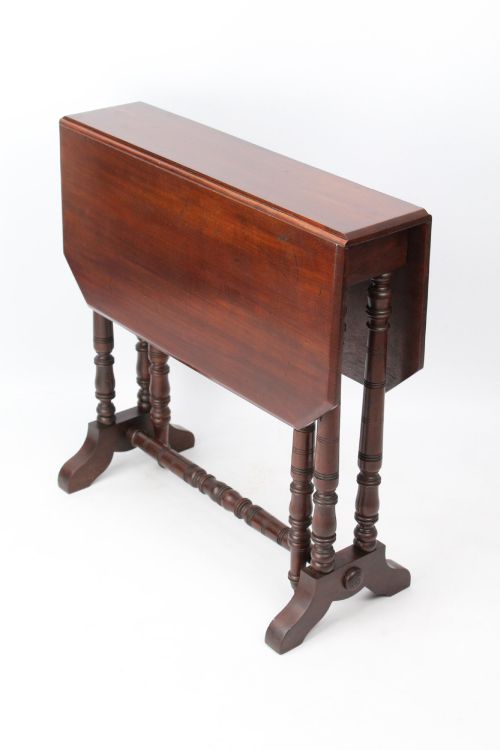
A Sutherland table is a specific variation of the drop leaf design characterised by very narrow leaves that drop almost completely vertical. They were built for easy folding and relocation in compact Victorian spaces.
Most examples stand on small castors and utilise gateleg supports to hold the leaves when raised for tea or writing.
How do I use a drop leaf table today?
These tables function well as side consoles or sofa tables with both leaves dropped down against the base. When guests arrive or extra workspace is required, simply lift the flaps.
The folding mechanism allows the furniture to adapt to room layouts without sacrificing surface area permanently.
How do I identify a Victorian piece?
Examination of timber choices, such as rosewood, mahogany, and burr walnut, helps indicate nineteenth-century origins. Construction methods like hand-cut dovetails in drawers and traditional brass hardware also point to the period.
Stylistic cues such as Aesthetic Movement details or Victorian revival motifs further assist in dating the furniture accurately.