




Victorian Dressing Chair
A victorian dressing chair offers low-slung comfort for the bedroom, designed to sit neatly beneath a vanity table.
Victorian Dressing Chair
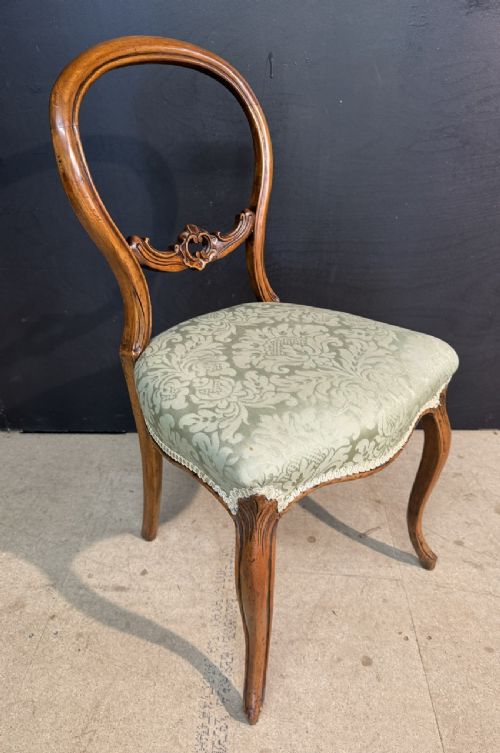
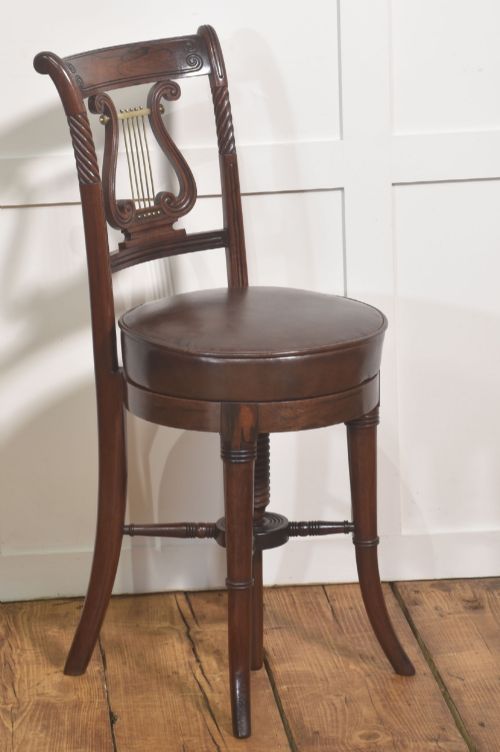
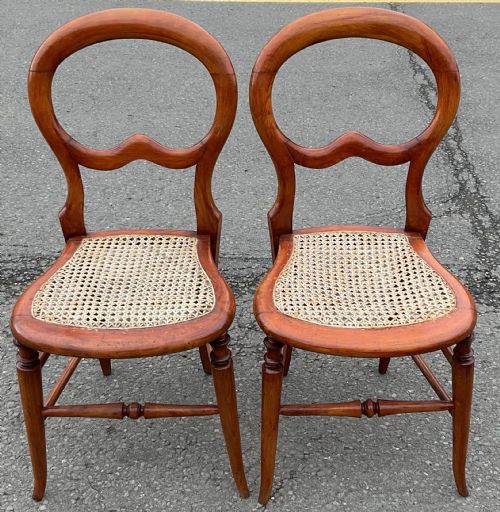
A victorian dressing chair encompasses low bedroom seats, stools, and small side chairs designed for the morning routine. You encounter button-backed walnut examples, mahogany designs with adjustable heights, and revolving piano stools that double as vanity seating.
The selection ranges from simple turned-leg stools to elaborately carved rosewood armchairs and slipper chairs. Many pieces share proportions with nursing chairs and desk chairs, reflecting the multi-purpose nature of nineteenth-century bedchambers.
Evaluating the craftsmanship
The distinction in quality lies in the depth of timber selection and the crispness of the carving on the show wood. Heavier grain patterns in walnut and rosewood combined with fluid cabriole legs indicate higher workshop standards.
Mechanical elements, such as the screw mechanisms on adjustable rise and fall revolving stools, separate standard pieces from superior examples. The integrity of the original frame construction dictates the long-term stability of the seat.
Gillows
The Victorian Dressing Chair Glossary
- Cabriole leg
- A furniture leg that curves outward and then tapers inward, mimicking an animal's limb. This style appears frequently on nineteenth-century walnut and rosewood frames.
- Balloon back
- An oval-shaped chair back resembling a balloon, popular in the mid-nineteenth century. This contour often incorporates button-tufted upholstery.
- Revolving stool
- A seat with a mechanism allowing it to spin, frequently adjustable in height. These pieces served dual purposes at the piano and the dressing table.
- Slipper chair
- A low-seated upholstered chair designed for dressing areas. The shortened legs made it easier to put on footwear.
- X frame
- A structural base formed by intersecting curved or straight wooden members resembling the letter X. This geometric support appears on window stools and benches.
Victorian Dressing Chair: Frequently Asked Questions
What is a victorian dressing chair?
A victorian dressing chair is a low-profile seat built during the nineteenth century specifically for use at a bedroom vanity or dressing table.
These pieces vary from simple wooden stools to upholstered armchairs designed to fit comfortably under lower dressing surfaces.
How do I use one today?
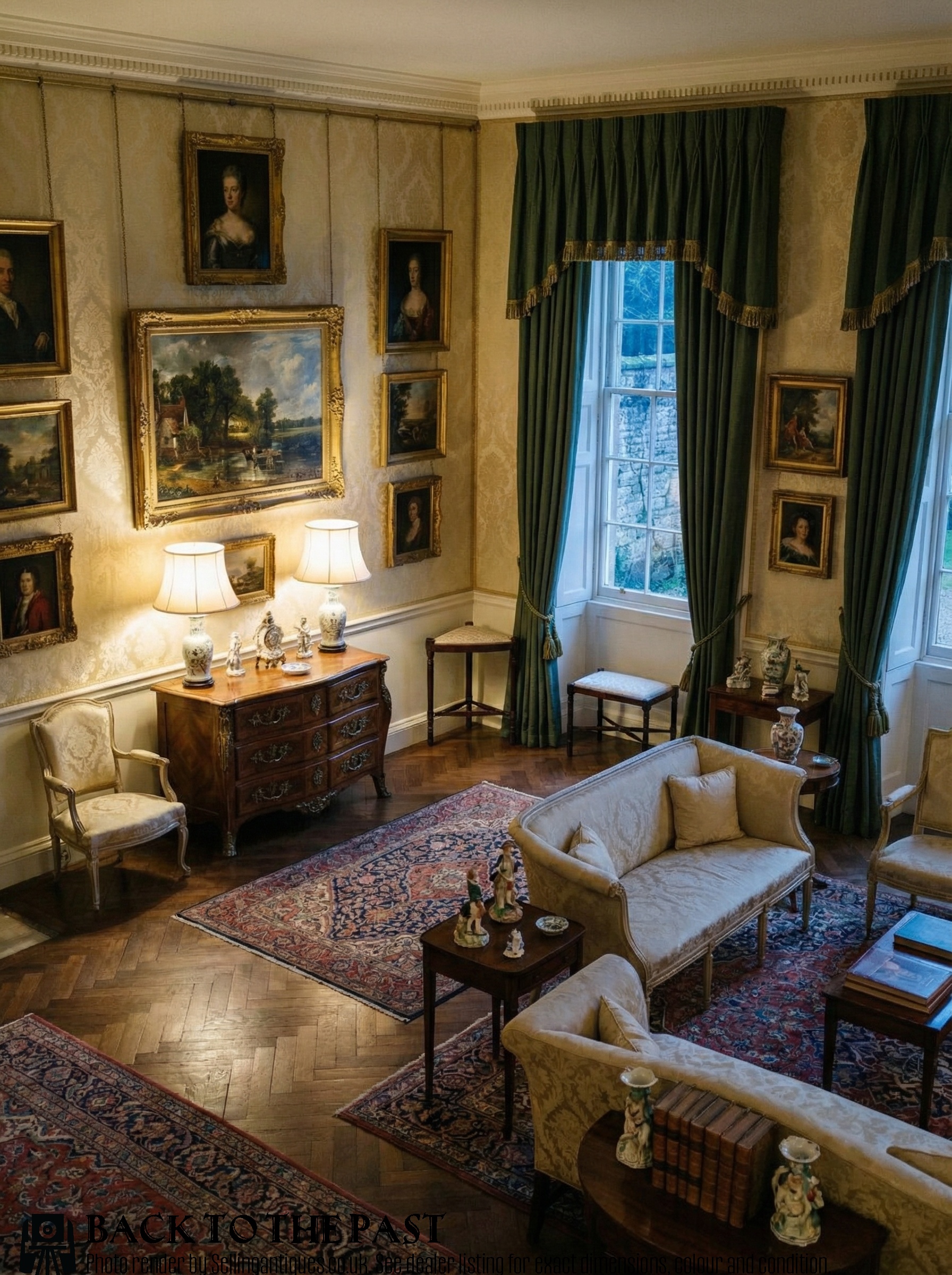
You can place these chairs at a modern dressing table, use them as low accent seating in a living room, or position them in a hallway.
Their compact proportions allow them to fit into smaller spaces where standard dining chairs prove too tall or bulky.
Are revolving piano stools the same?
Many revolving piano stools share identical heights and swivel mechanisms with dressing table seats, making them interchangeable in nineteenth-century interiors.
Cabinet makers frequently designed these screw-adjustable stools to serve multiple functions in bedrooms and music rooms.
How do I date these chairs?
Dating relies on observing timber choices, such as rosewood and walnut in mid-century pieces versus later oak, alongside stylistic shifts like cabriole legs or button backs.
Construction techniques and secondary woods inside the frame also provide clues to the decade of manufacture.