





Victorian Dome Top Chest
A victorian dome top chest brings the robust timber and metalwork of the nineteenth century straight into a modern interior.
Victorian Dome Top Chest
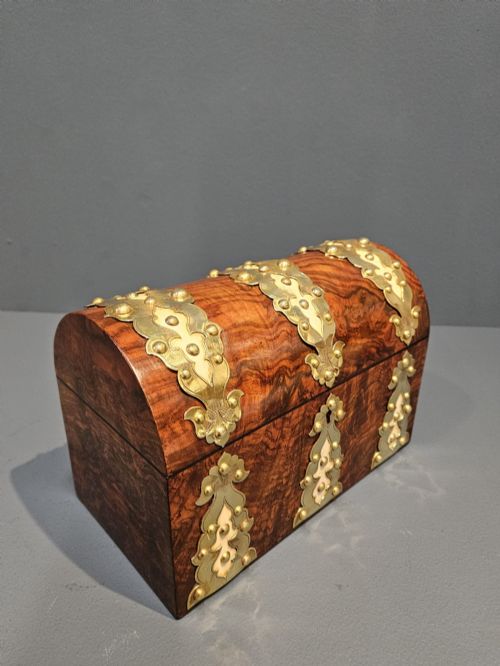
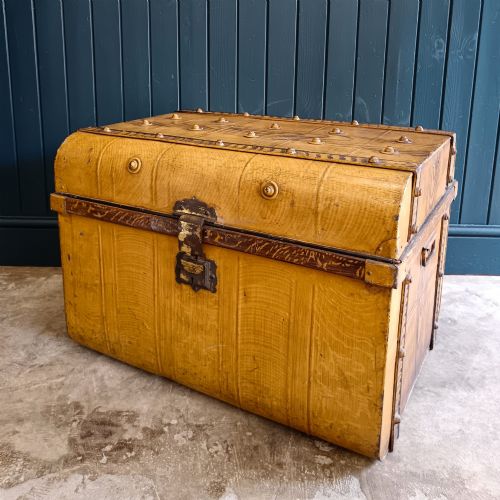
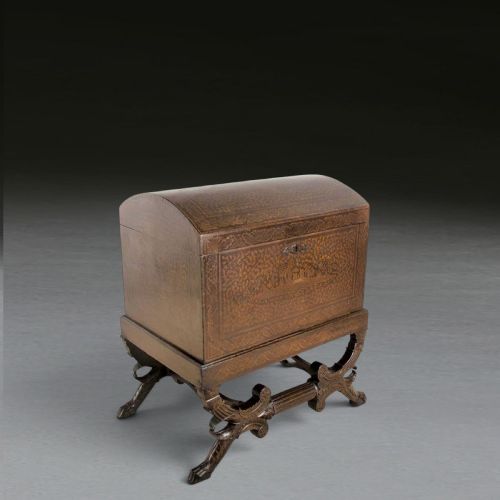
When you search for a victorian dome top chest, you encounter everything from large pine blanket boxes and steamer trunks to small tea caddies and stationary boxes. The smaller table boxes employ fine veneers like burr walnut and coromandel, while the larger travel pieces utilise sturdy pine, leather, and metal.
The domestic storage vessels include painted pine blanket chests and carriage trunks designed for nineteenth-century transit. These forms span rustic country styles and more ornate Gothic revival pieces, reflecting the diverse uses of the era.
Smaller tabletop varieties encompass tea caddies and decorative caskets with curved lids, often fitted with keys. These desk and table items showcase the meticulous craftsmanship applied to domestic luxuries during the period.
Materials and construction
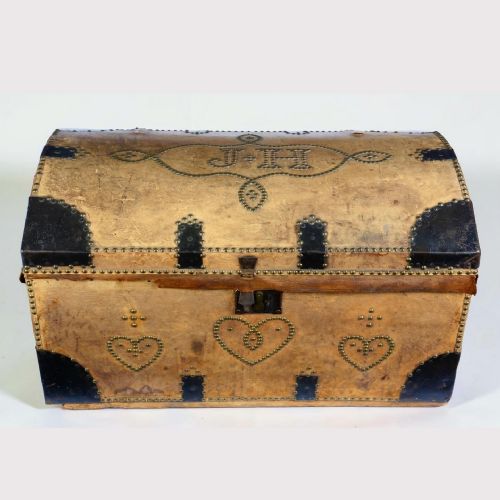
Makers built the larger trunks and blanket chests primarily from pine, oak, and sometimes canvas-covered wood, reinforcing them with iron and brass. Leather coverings and elaborate studwork frequently adorned the exterior surfaces of travel pieces to withstand long journeys.
Smaller boxes and caddies display decorative woods such as burr walnut, coromandel, rosewood, and amboyna. Artisans applied intricate brass mounts, inlay, and hand-painting to elevate both utilitarian storage containers and delicate tabletop caskets.
Victorian Dome Top Chest Retail Price Guide 2026
Typical asking prices for victorian dome top chest among the pieces listed under this phrase on Sellingantiques today, from the lower quarter to the upper quarter. They describe what is for sale here now, not the wider market.
Some nineteenth-century travellers clearly insisted on bringing their tea caddies everywhere.
Judging the work
Quality rests upon the selection of timber veneers and the precision of the metal mounts. Fine examples utilise highly figured burr woods and solid brass fittings rather than simpler painted finishes on standard softwoods.
The integrity of the curved lid construction and the preservation of original interior linings dictate the standing of a piece. Superior items retain working locks, keys, and untouched patination across their leather or timber surfaces.
Arthur Wannop
The Victorian Dome Top Chest Glossary
- Burr walnut
- A figured timber taken from the excrescences of the walnut tree. It yields rich, swirling patterns prized on nineteenth-century tea caddies and table boxes.
- Coromandel
- A dense, heavily variegated timber from Southeast Asia with dark brown and black stripes. Cabinet makers used it for high-end Victorian decorative boxes.
- Studwork
- The application of decorative metal tacks or brass studs along the seams and edges of leather-covered trunks. This technique added structural reinforcement alongside visual rhythm.
- Tea caddy
- A specialised container designed to store tea leaves securely. Victorian versions frequently feature domed lids and internal compartments with fitted lids.
- Gothic revival
- An architectural and decorative style drawing inspiration from medieval design. Pieces in this taste often incorporate pointed arches and heavy wrought iron hinges.
Victorian Dome Top Chest: Frequently Asked Questions
What were dome top chests used for?
Larger dome top chests served as travel trunks, carriage chests, and blanket boxes during the nineteenth century. Their curved lids allowed rainwater to run off easily and provided extra vertical space for garments and linens.
Smaller lidded boxes functioned as tea caddies, stationary boxes, and glove receptacles on tables and desks. These smaller caskets kept valuable goods secure and organised within the Victorian household.
How do I date a Victorian chest?
Dating relies on examining the construction materials, hardware, and prevailing styles recorded in the piece. Pieces range from mid-century oak and pine examples to later steel-bound steamer trunks.
Specific design cues, such as Gothic revival mounts or specific veneer choices like coromandel and burr walnut, help narrow the decade of manufacture within the broader nineteenth century.
Are these trunks waterproof?
While historical travel trunks utilised canvas, leather, and metal reinforcement to shed moisture during transit, they are vintage items. Modern storage in damp environments can damage the underlying timber and interior linings.
Rubber seals and modern waterproofing agents were not part of the original nineteenth-century construction. Treat them primarily as decorative storage rather than weather-resistant outdoor gear.
How do I care for wooden and leather boxes?
Maintain timber surfaces by keeping them away from direct sunlight and steady heat sources that might dry out the wood. Occasional dusting with a soft, dry cloth preserves the original polish and patina.
Leather-covered trunks benefit from minimal handling and stable indoor humidity to prevent the material from cracking. Avoid harsh chemical cleaners on both metal mounts and vulnerable veneer surfaces.