

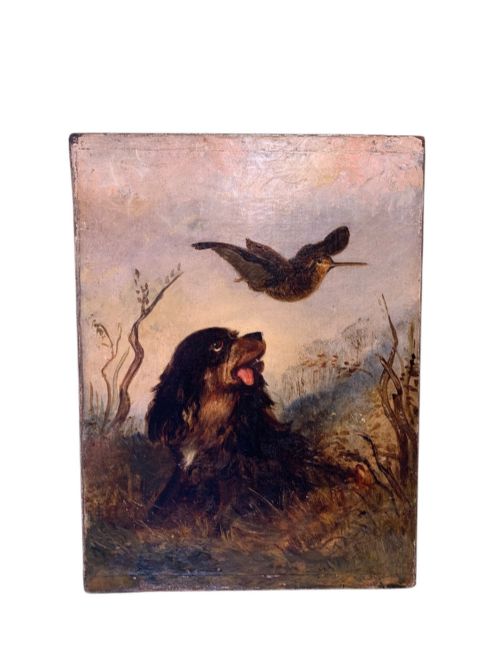
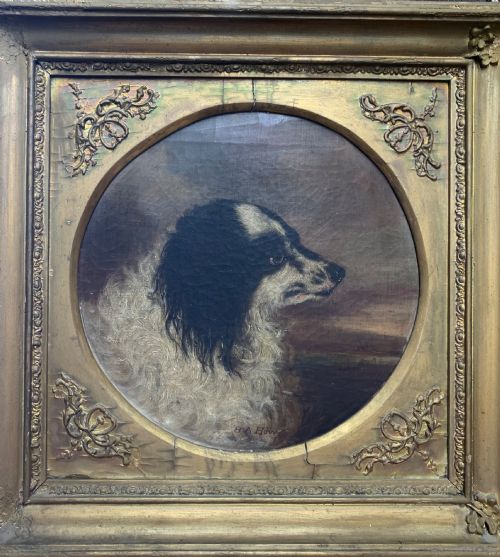
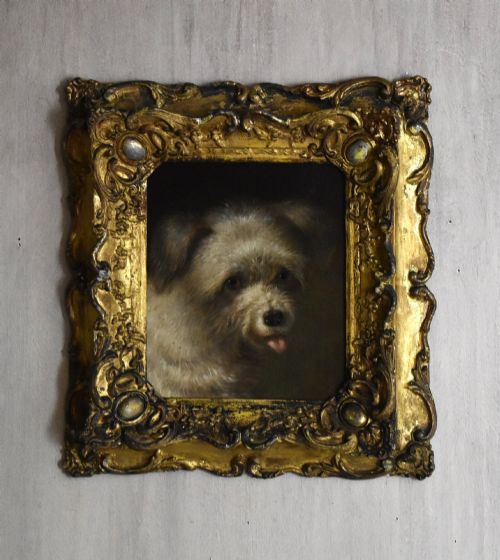
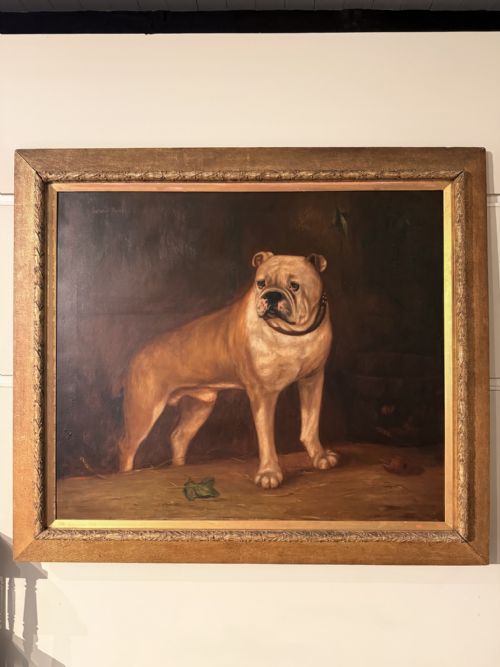
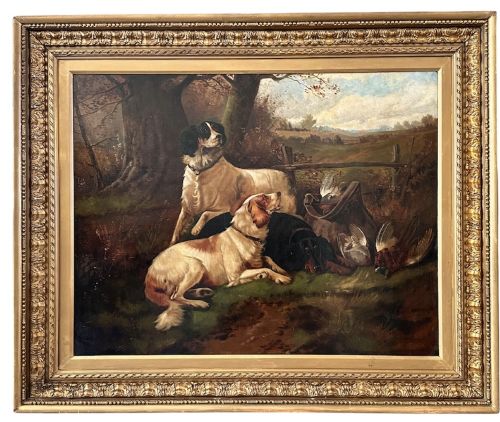


Victorian Dog Portrait
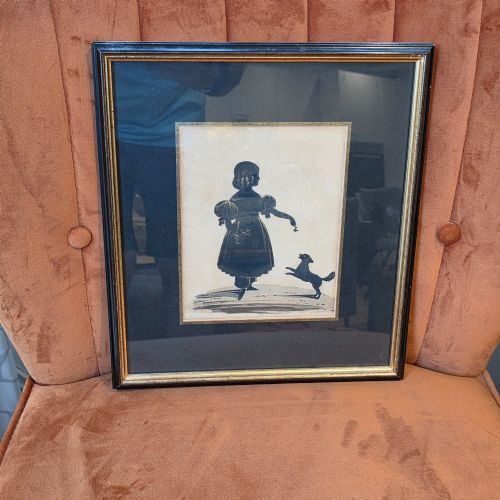
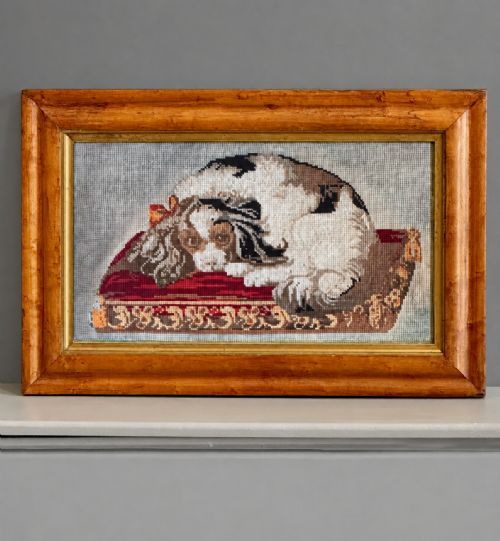
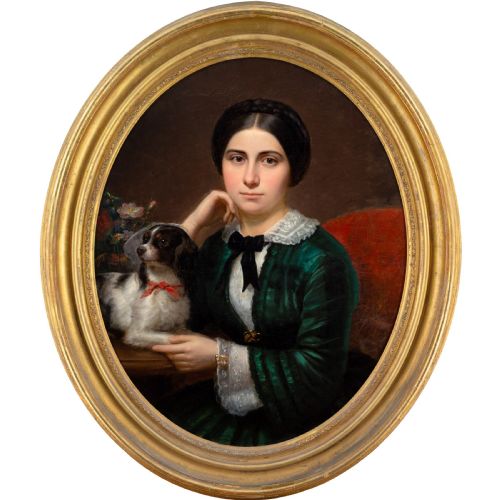
These Victorian dog portrait pieces capture cherished canine companions with remarkable character, offering buyers a genuine window into nineteenth and early twentieth century domestic life.
What They Are
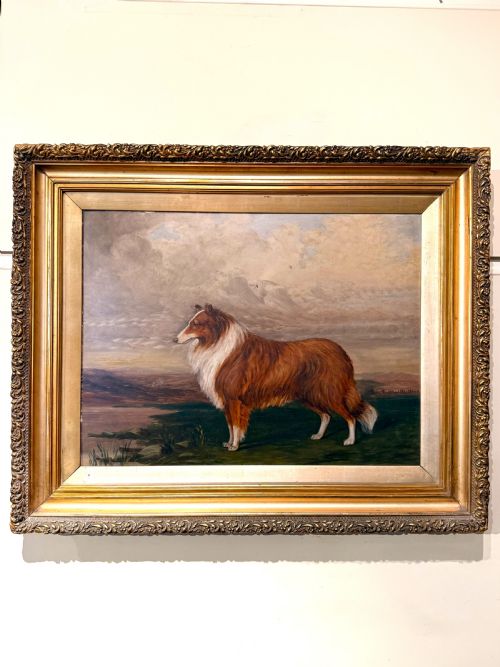
When you search for a victorian dog portrait, you encounter fine art works that record specific animals, from curly coated retrievers to rough collies and spaniels. The pieces on this page span the nineteenth century into the early twentieth century, reflecting varied approaches to animal depiction from strict realism to sporting art traditions.
Most items take the form of oil paintings on canvas, accompanied by occasional drawings and watercolours. Subjects range from solitary prize dogs like Odin the mastiff bloodhound to working dogs posed before country houses, each demonstrating the period's intense affection for domestic and sporting animals.
How They Were Made
Artists worked primarily with oil paint on canvas, building up layers of pigment to render fur texture, light, and anatomical detail with precision. Charcoal on paper also appears, offering a direct, monochromatic study of form and expression.
Many works incorporate wood frames finished with gold leaf or gilt, enclosing the canvas beneath glass in certain formats. These traditional mounting techniques protected the delicate paint layers while enhancing the presence of the artwork.
Retail Price Guide 2026
Typical UK retail prices for victorian dog portrait, calculated from the Sellingantiques database of over a million retail prices indexed since 2003. This retail price guide relies exclusively on Sellingantiques data; no external sources or auction records are used, so the figures do not describe the wider market.
Several dogs gaze out with an intense dignity that suggests they took their portrait sitting far more seriously than their owners.
What Varies in Quality
Quality rests upon the artist's ability to capture the distinct personality and correct anatomy of the breed, moving beyond a generic animal likeness. Works associated with the circle or manner of established painters like Sir Edwin Landseer or John Emms display a superior handling of light and texture.
The sophistication of the surrounding frame, particularly original wood and gold leaf mouldings, contributes to the overall distinction of the piece. Superior examples integrate the background landscape, such as country houses, harmoniously with the animal subject.
Sir Edwin Landseer RA·John Emms·George Earl·Charles Bilger Spalding·Samuel Fulton
The Victorian Dog Portrait Glossary
- Oil on Canvas
- A painting medium where pigments are bound with drying oils and applied to a stretched fabric surface. This technique allows for rich colour blending and subtle tonal gradations.
- Gilt
- A thin layer of gold or gold-like material applied to wood surfaces. It provides a bright, reflective border that complements the oil paintings.
- Sporting Art
- Artwork depicting rural sports, horses, and dogs. This genre flourished in the nineteenth century, celebrating prized animals and field pursuits.
- Charcoal
- A dry drawing medium made from organic carbon residue. It creates deep blacks and soft smudged lines well suited for rapid studies.
Frequently Asked Questions
What breeds appear most often?
The selection includes terriers, collies, spaniels, retrievers, and mastiffs. Each breed reflects the specific preferences of Victorian and Edwardian owners.
Artists carefully recorded the distinct coats and physical traits of these working and companion animals.
How should I display them?
These works suit traditional study spaces, hallways, or living rooms where their rich oil colours can be appreciated in natural light.
Ensure they are hung away from direct sunlight to protect the canvas and traditional gilt frames.
Are frames usually original?
Many pieces retain wood frames finished with gold leaf or gilt that complement the period of the painting. These housings often show age appropriate to the nineteenth or early twentieth century.
Examining the corner joints and backing boards helps determine the history of the frame.
How do I spot a follower's work?
Pieces attributed to a circle or follower indicate artists working in the distinct style of prominent painters like Sir Edwin Landseer. These works share the technical palette and subject focus of the master.
Such attribution highlights the enduring influence of key sporting artists on later painters.