




Victorian Display Vases
Victorian display vases bring theatrical presence to a room, offering striking focal points designed to command attention from every corner.
Victorian Display Vases
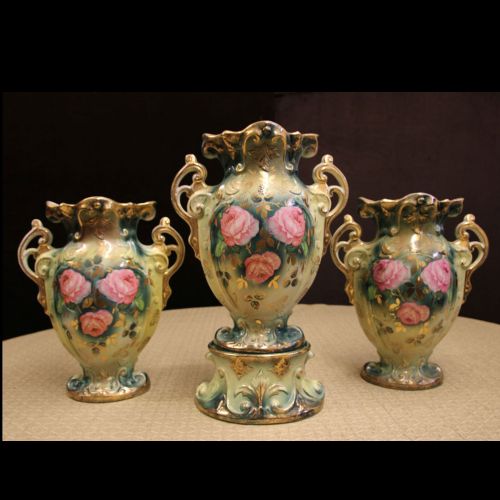
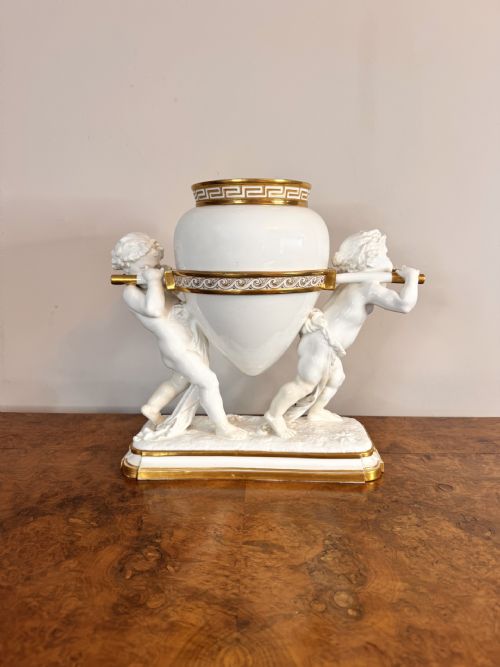
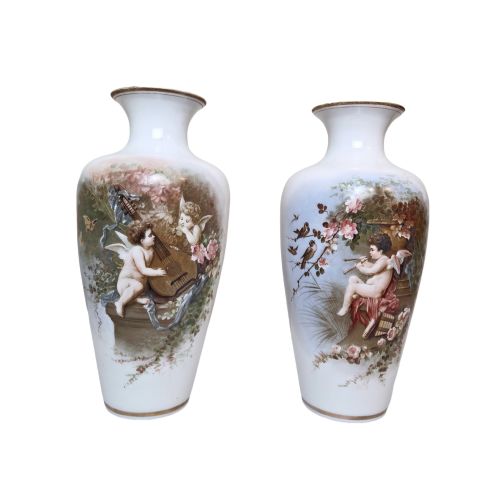
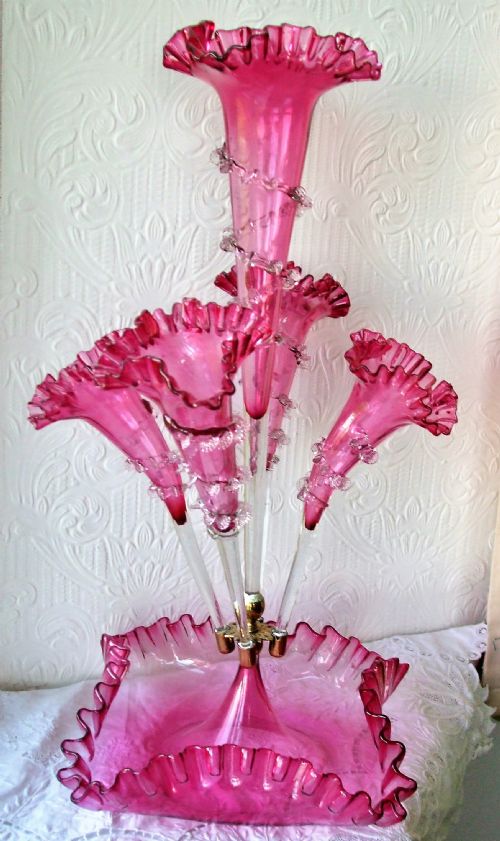
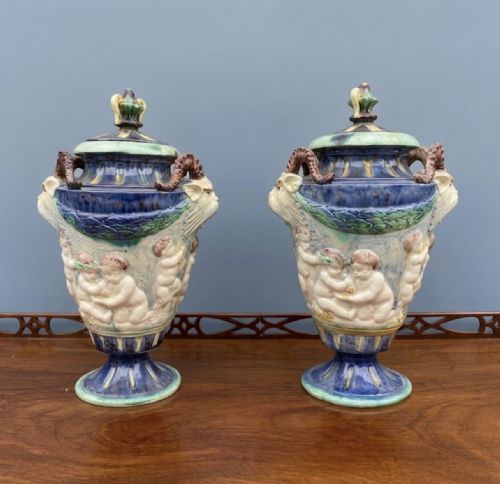
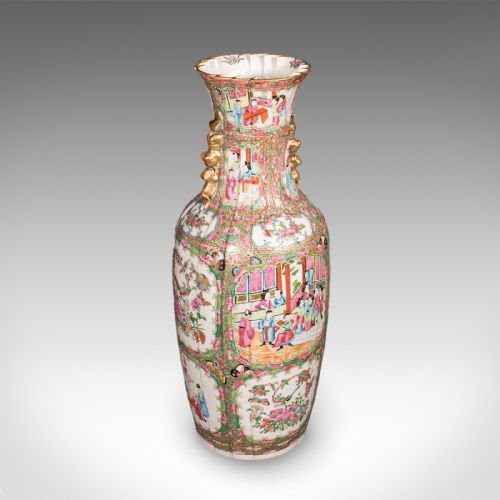
When you search for Victorian display vases, you encounter a varied assortment of decorative vessels designed primarily for interior ornamentation rather than holding cut flowers. These pieces span the nineteenth century and encompass forms ranging from monumental porcelain urns and cranberry glass epergnes to carved jardiniere stands and table centrepieces.
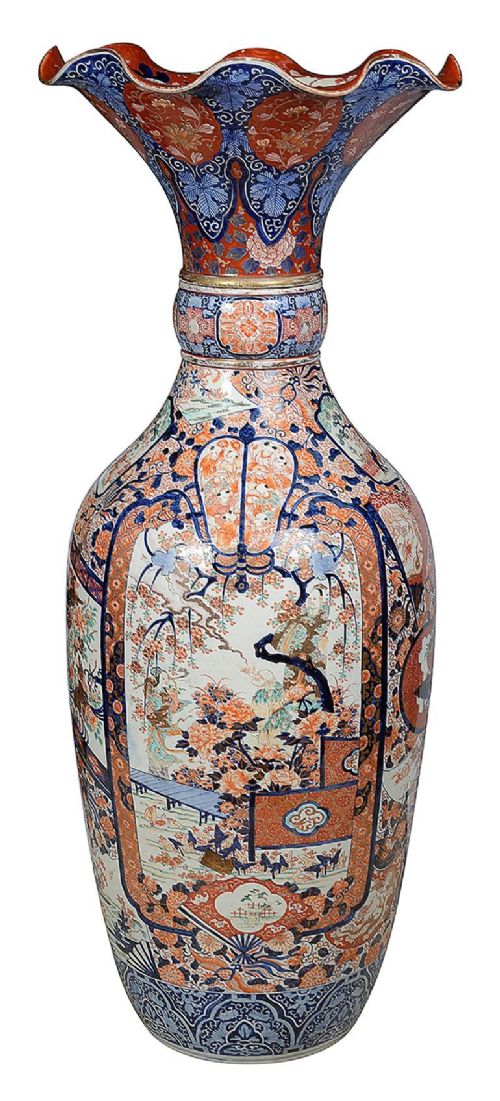
The objects listed on this page reflect the eclectic taste of the period, drawing on domestic earthenware, Chinese export ceramics, and European crystal. You find both English works from factories such as Minton and Royal Worcester alongside continental porcelain and oriental bronze vessels.
Assessing quality
The distinction between ordinary and exceptional pieces rests upon the crispness of hand-painted details and the depth of surface decoration. Hand-painted scenes executed by known artists carry greater artistic weight than repetitive stencilled patterns.
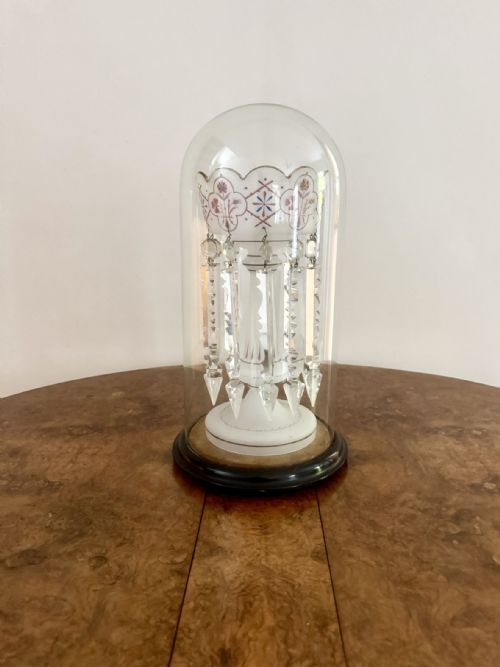
The integration of materials also dictates the calibre of a piece, such as the precision of brass mounts fitted to natural horn or the weight and clarity of blown crystal glass. Integrity of form, particularly in complex multi-part epergnes and lustres with matching drops, separates superior examples from lesser assemblies.
Victorian Display Vases Retail Price Guide 2026
Typical asking prices for victorian display vases among the pieces listed under this phrase on Sellingantiques today, from the lower quarter to the upper quarter. They describe what is for sale here now, not the wider market.
The selection includes Chinese Imari porcelain, French crystal centrepieces, and English cranberry glass epergnes.
Minton·Royal Worcester
The Victorian Display Vases Glossary
- Epergne
- A large table centrepiece featuring multiple branching trumpets or baskets, typically rendered in cranberry or clear glass for holding fruit or sweets.
- Mantel lustre
- A decorative glass vase hung with cut crystal prisms designed to catch and refract candlelight when placed on a fireplace mantel.
- Pate-sur-pate
- A ceramic decorating technique where layers of liquid porcelain slip are built up in relief upon a contrasting body before firing.
- Imari
- A style of Japanese export porcelain characterised by a palette of underglaze blue, iron red, and gilt highlights.
- Jardiniere stand
- A low table or pedestal specifically manufactured to support a heavy plant pot, urn, or floral display.
Victorian Display Vases: Frequently Asked Questions
What is a Victorian display vase?
These are ornamental vessels created during the nineteenth century primarily for visual impact rather than practical utility. They include large porcelain urns, glass epergnes, and centrepieces designed to sit on mantelpieces or dedicated stands.
Such pieces reflect the decorative priorities of the era, showcasing elaborate hand-painting, gilding, and varied materials like bronze, crystal, and ceramic.
How were glass epergnes used?
Glass epergnes served as centrepieces for dining tables, where their multiple trumpets and baskets held fruit, sweetmeats, or occasional stems of flowers. The cranberry glass varieties were especially popular for adding rich colour to formal dining settings.
When not in use on the dining table, they functioned as prominent decorative items on sideboards or living room tables.
How do I identify a Minton piece?
Minton pieces often display refined ceramic techniques such as pate-sur-pate ornamentation, where raised white designs sit against a coloured porcelain background. Look for the factory's characteristic marks stamped or painted on the underside.
The quality of the painting and the distinct weight and finish of the ceramic body also point toward this prominent nineteenth-century maker.
Can I use these vases for fresh flowers?
While many of these objects are watertight, most display vases - particularly those with delicate gilt work, metal mounts, or complex epergne structures - are best kept dry. Moisture and frequent handling can damage fragile enamelling, gold leaf, and internal glass components.
If you do use them for water and stems, handle them with extreme care during cleaning to preserve their historic surfaces.