


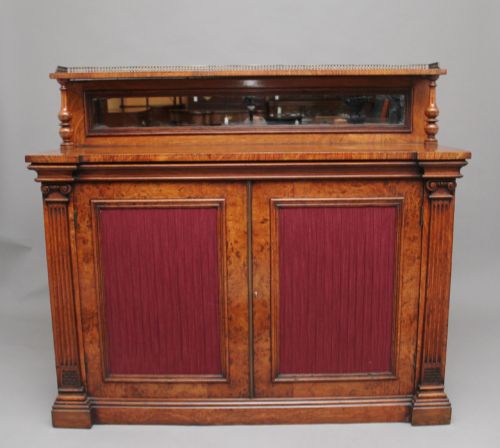
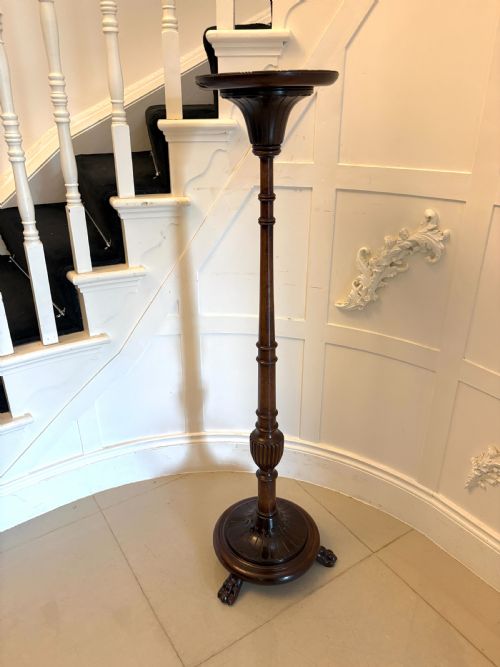
Victorian Display Columns
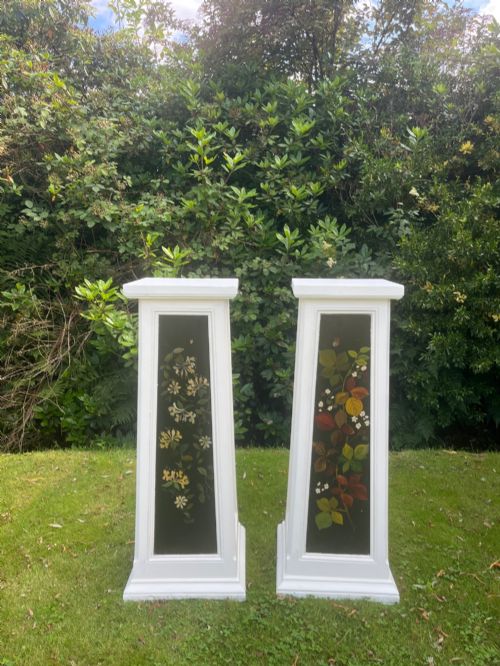
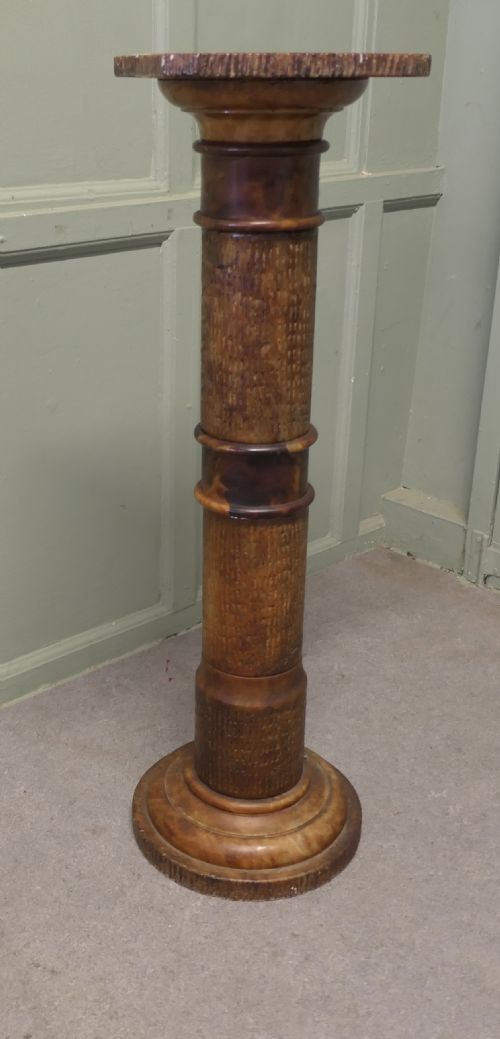
Victorian display columns raise busts, plants and urns into the light using timber, marble and bronze.
Victorian Display Columns
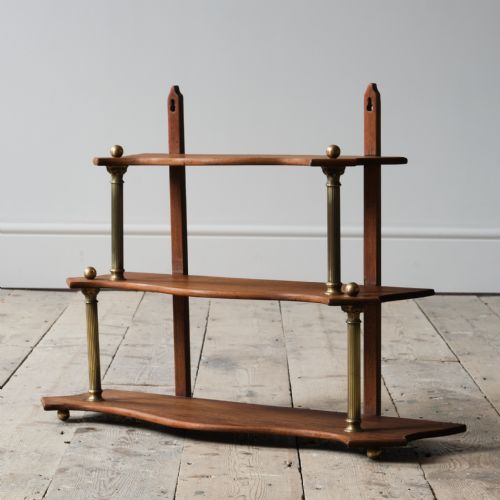
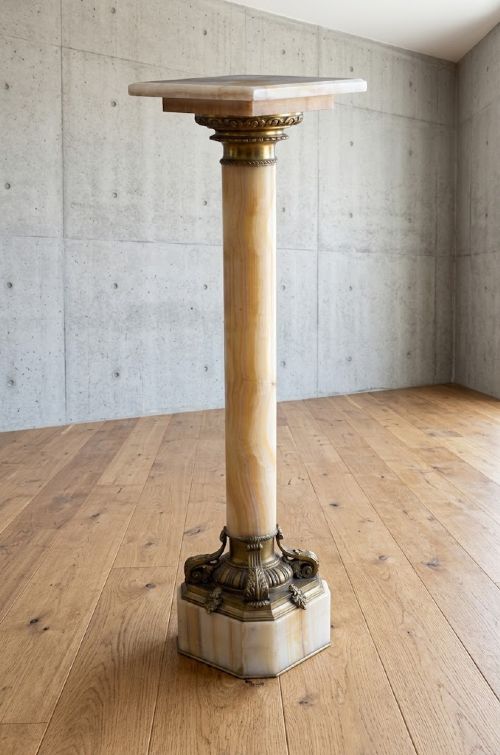
Victorian display columns encompass pedestals, plant stands and torcheres that lift decorative objects above the floor level. These furnishings emerge across the nineteenth century in mahogany, walnut, rosewood and marble.
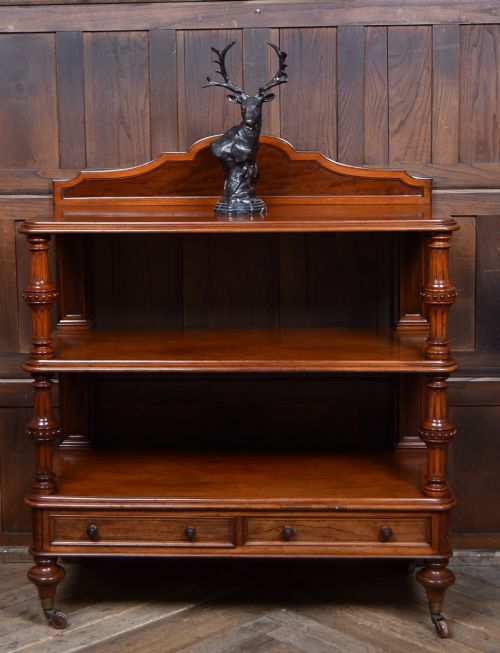
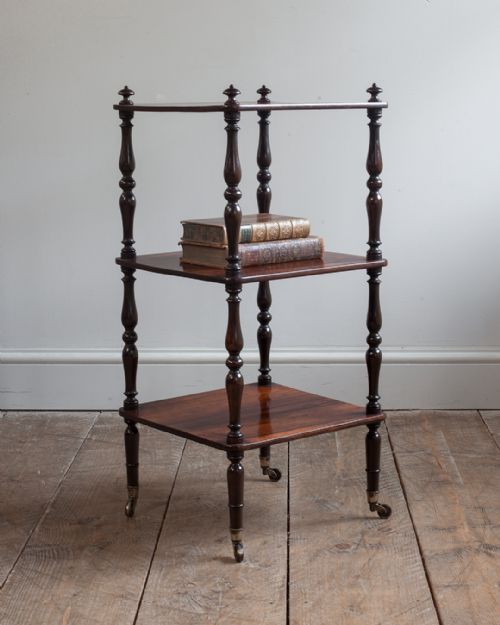
The selections on this page include architectural columns, fluted pedestals and tiered stands. Makers shape these vertical supports for domestic parlours, drawing rooms and exhibition spaces.
Standards of Craft
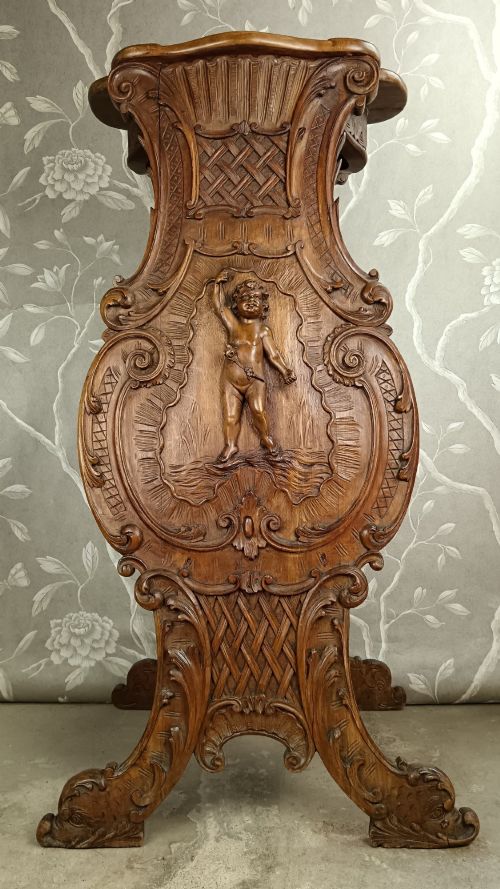
The finest examples display deep hand-carved foliate detail and dense, figured timber grains. Lesser pieces rely on simple turned softwood painted to imitate marble or bronze.
Structural stability separates standard production from exhibition pieces. Heavy stone tops require perfectly plumb wooden cores and secure internal fixing rods to prevent tilt.
Listings feature nineteen-century pieces in mahogany, walnut, rosewood, brass, marble and painted wood.
Shoolbred·Gillow & Co.
The Victorian Display Columns Glossary
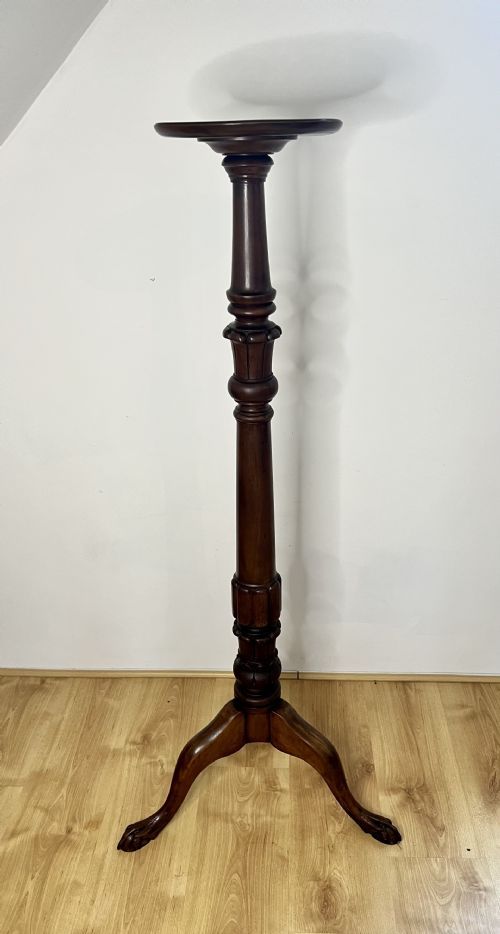
- Torchere
- A tall stand designed to support a candle, lamp or plant. These slender columns elevate illumination or foliage within a room.
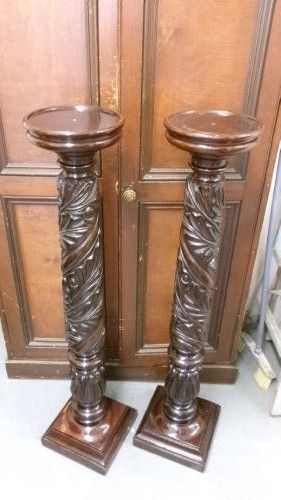
- Pedestal
- A vertical support or pillar used to elevate a bust, vase or sculpture. They feature square or circular tops with decorative bases.
- Ormolu
- Gilded bronze mounts applied to furniture and columns. This decorative technique adds metallic contrast to timber surfaces.
- Pollard oak
- Timber taken from trees that have been pollarded, producing a dense cluster of shoots with distinctive swirling grain patterns. Cabinetmakers prize this wood for decorative veneer.
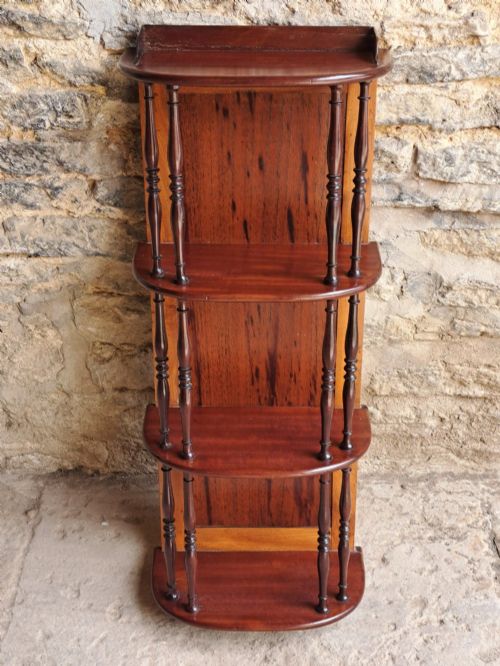
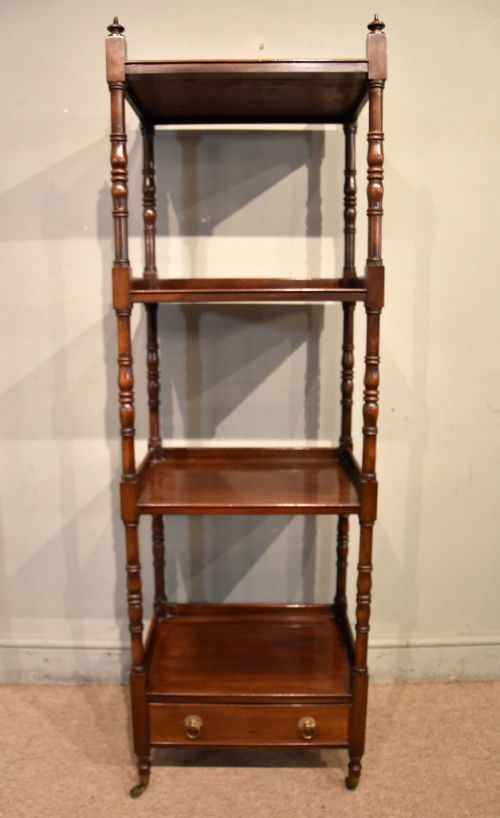
- Étagère
- A piece of furniture consisting of open shelves for displaying small objects. These tiers provide vertical storage in domestic interiors.
Victorian Display Columns: Frequently Asked Questions
How do I clean marble and timber columns?
Dust mahogany and walnut surfaces regularly with a dry cloth and feed the timber periodically with bees wax. Avoid using wet cloths on polished wood.
Wipe marble and onyx tops with a damp cloth and mild soap, drying them immediately. Acidic liquids etch polished stone surfaces.
Can these columns hold heavy sculptures?
Solid marble and heavy hardwood columns support substantial bronze or stone figures safely. Check the internal construction and base stability before placing heavy loads on top.
Lighter turned wood or painted stands suit plants, ceramic urns or taxidermy. Distribute weight evenly across the centre of the top surface.
How do I date a Victorian column?
Examine the turning style, timber species and secondary woods to determine the period. Neoclassical motifs and heavy mahogany often point to the earlier decades of the nineteenth century.
Later Victorian and Aesthetic Movement pieces frequently incorporate mixed media such as brass, tiles or ebonised wood. Look for construction marks and screw types underneath the base.