



Victorian Diamond Bar Brooch
A victorian diamond bar brooch brings together nineteenth-century craftsmanship and sparkling stones in a slender form that suits a lapel or scarf.

Victorian Diamond Bar Brooch
When searching for a victorian diamond bar brooch, you encounter pieces that span the Victorian and Edwardian periods, stretching from the middle of the nineteenth century into the early twentieth century. The selection includes linear gold and silver settings alongside floral, clover, and animal motifs.
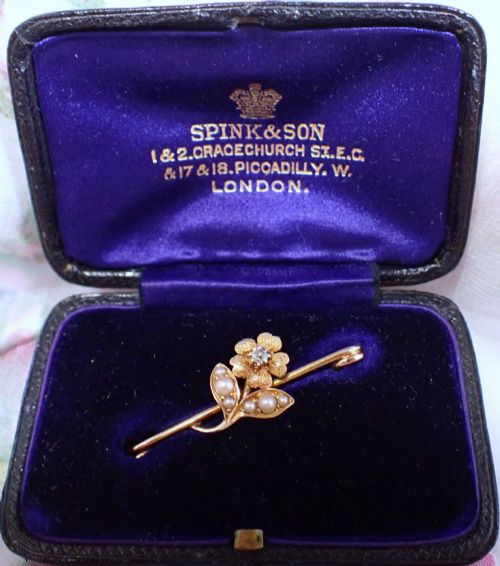
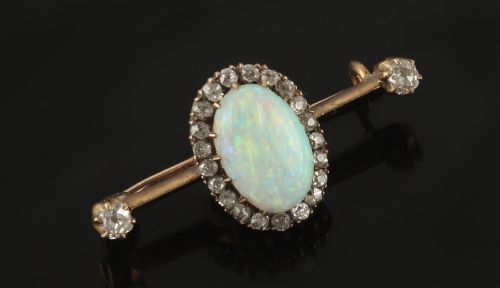
Most examples rely on a horizontal bar structure that showcases central stones, often accompanied by pearls, rubies, opals, or emeralds. Pieces range from simple antique gold pins to more elaborate multi-stone compositions set with old cut diamonds.
The materials recorded in the evidence reflect a preference for yellow gold, fifteen-carat gold, and silver-topped gold settings designed to catch the candlelight. These jewels served as personal adornments for day and evening wear alike.
Materials and construction
Goldsmiths utilised fifteen-carat gold and eighteen-carat gold to form the structural bars and mounts, frequently combining silver on the face to enhance the brilliance of the diamonds. This technique placed the stones against a bright white metal surface while maintaining the warmth of gold underneath.
Diamonds were hand-cut in old European and rose-cut styles, reflecting the prevailing lapidary methods before modern machine cutting standardised the craft. These stones were secured in close-backed or open settings alongside coloured gems such as tourmaline, aquamarine, peridot, and turquoise.
Among the creatures pinned to these bars, a cheeky monkey and a strutting cockerel keep watch over the floral sprays.
Distinction in execution
The standard of a piece rests on the precision of the stone setting and the crispness of the chased or engraved metalwork. Finer examples display balanced proportions between the central gems and the supporting bar, with stones selected for matching brilliance and depth.
Makers who incorporated natural pearls, emeralds, or rubies alongside older diamond cuts achieved greater visual contrast. The integration of sculptural elements, such as floral clusters or animal figures, demonstrates the artisan's skill in handling varied materials within a confined space.
The Victorian Diamond Bar Brooch Glossary
- Bar brooch
- A pin constructed around a narrow horizontal metal rod, often decorated with gemstones along its length. This format became popular during the nineteenth century for fastening high collars and heavy fabrics.
- Old cut diamond
- A hand-faceted diamond shape predating modern brilliant cuts, characterised by a smaller table, higher crown, and open culet. These stones catch ambient light softly rather than throwing sharp prismatic flashes.
- Rose-cut diamond
- A gemstone cut featuring a flat base and a domed crown covered in triangular facets, resembling an unopened rosebud. It imparts a subtle, translucent shimmer.
- Silver-topped gold
- A composite technique where a thin layer of silver is soldered to a gold backing, combining the bright reflective quality of silver on the front with the strength and non-tarnishing nature of gold on the reverse.
Victorian Diamond Bar Brooch: Frequently Asked Questions
How do I wear a bar brooch today?
Pin the jewel securely through thick fabrics like wool coats, heavy knitwear, or structured jacket lapels to support the weight of the metal and stones.
For lighter silks or scarves, use a fine backing disc behind the fabric to prevent the pin from pulling or sagging during wear.
Are these brooches made of solid gold?
Many pieces utilise fifteen-carat or eighteen-carat gold for the structural bar and pin assembly, reflecting the common fineness standards of the Victorian era.
Some examples also employ silver on the front face to set the diamonds against a bright white background.
What is the difference between Victorian and Edwardian pieces?
Victorian examples often feature warmer yellow gold settings and heavier floral or symbolic motifs dating from the mid to late nineteenth century.
Edwardian pieces tend towards lighter platinum or silver-on-gold work with airy, garland-style designs from around nineteen hundred.
How should I clean my antique brooch?
Use a soft brush with warm soapy water to remove dust from around the diamond settings, taking care not to submerge fragile pearls or opals.
Dry the metal thoroughly with a soft cloth and store the piece in a lined box to protect the stones from scratching.