






Victorian Desk Call Bell
A victorian desk call bell is a functional domestic or commercial accessory designed to summon service, combining practical utility with period charm.
Victorian Desk Call Bell
A victorian desk call bell encompasses practical utilitarian objects used in homes, schools, and businesses to summon assistance. The selections available here typically take the form of counter bells, desk accessories, and hand bells intended for tabletop or reception use.
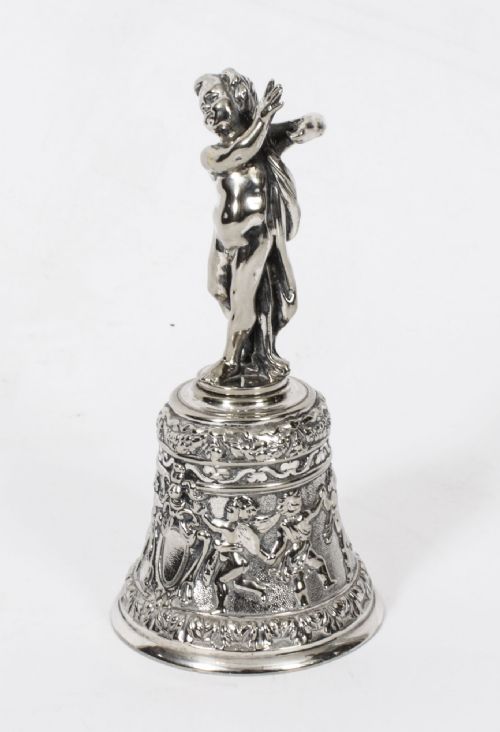
The objects span multiple periods, most notably the Victorian and Edwardian eras, alongside related revivals and mid-century pieces. Common regional variations and stylistic influences include Anglo-Indian and Renaissance Revival designs.
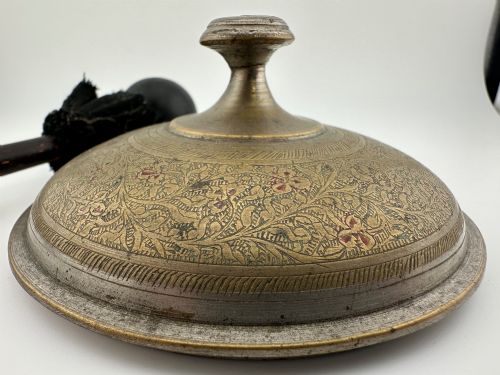
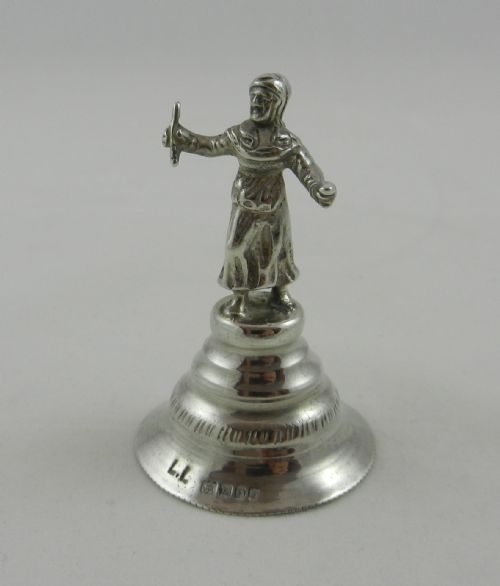
The physical configurations range from simple polished brass domes to ornate mechanical figures, dinner chimes, and tabletop gongs. Buyers encounter variations suited for domestic country houses, schoolrooms, and commercial reception desks.
Materials and Techniques
Makers utilised durable metals such as brass, bronze, and silver plate, frequently combining them with hardwood bases or bone handles. The structural integrity relies on cast metal domes and internal spring or hammer mechanisms.
Surface treatments vary from polished finishes to the integration of decorative elements like cast elephants or figural animals. Craftsmanship focuses on producing a clear acoustic chime alongside a stable, weighted base.
Victorian Desk Call Bell Retail Price Guide 2026
Typical asking prices for victorian desk call bell among the pieces listed under this phrase on Sellingantiques today, from the lower quarter to the upper quarter. They describe what is for sale here now, not the wider market.
Object forms include counter bells, table gongs, hand bells, and mechanical animal designs from the nineteenth and twentieth centuries.
Judging Quality
Quality in a victorian desk call bell rests upon the weight and purity of the metal alloys used in the casting. Superior examples feature crisp surface detailing, substantial hardwood or metal bases, and a resonant, clear tone when struck.
The complexity of the mechanism also dictates value, moving from basic hand-held clappers to sophisticated spring-loaded desk plungers and mechanical animal figures. Original plating and untouched patination distinguish finer specimens from later reproductions.
The Victorian Desk Call Bell Glossary
- Counter Bell
- A stationary bell mounted on a base, designed to be struck from above to alert staff in a shop or hotel reception. These pieces form a core part of the desk accessory category.
- Table Gong
- A small suspended bell struck with a mallet, often housed in a metal or wooden frame for domestic service use. They offer a deeper, more resonant tone than standard dome bells.
- Renaissance Revival
- A nineteenth-century design movement that borrows heavily from sixteenth-century architectural and sculptural motifs. Items in this style feature classical ornamentation and heavy relief work.
- Silver Plate
- A thin layer of silver applied to a base metal core, such as copper or brass, to give the appearance of solid silver. This technique provided affordable luxury for Victorian households.
- Mechanical Bell
- A device where pressing a lever or mechanism internal to the base causes an internal hammer to strike the bell. These feature moving parts distinct from simple gravity-operated hand bells.
Victorian Desk Call Bell: Frequently Asked Questions
How do I date a desk bell?
Dating relies on examining the materials, manufacturing techniques, and stylistic cues present in the base and mechanism. Victorian and Edwardian examples often display specific casting methods and patination consistent with late nineteenth and early twentieth-century metalwork.
Comparing the object type against known period forms, such as Renaissance Revival details or simple country house brassware, helps narrow the decade of production.
Were these bells used in homes?
Many of these pieces served domestic purposes in large country houses and town residences to summon domestic staff from downstairs or secondary rooms. Hand bells were carried or kept in specific chambers, while table gongs sat in dining spaces.
Commercial variants were equally common, finding placement on hotel counters, shop desks, and school master's podiums for everyday operation.
What is the difference between brass and bronze?
Brass is an alloy primarily composed of copper and zinc, yielding a bright yellow or polished gold appearance often seen in standard desk accessories. Bronze consists mainly of copper and tin, producing a darker, warmer tone with greater durability.
Both metals were cast into bell domes, but bronze frequently appears in pieces requiring intricate sculptural detail or figural bases.
How should I clean my antique bell?
Maintenance generally involves dusting with a soft, dry cloth to preserve the natural patination accumulated over the decades. Aggressive chemical polishing can strip away historical wear and diminish the character of older metal surfaces.
If cleaning is necessary for silver plate or brass, use non-abrasive products specifically formulated for antique metals, taking care around mechanical joints.