


Victorian Decorative Jardiniere
A victorian decorative jardiniere brings the garden indoors through vessels crafted in ceramic, brass, and cast iron.
Victorian Decorative Jardiniere
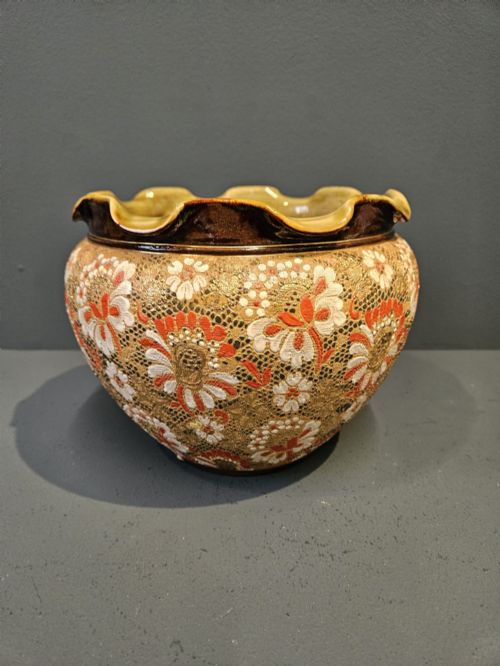
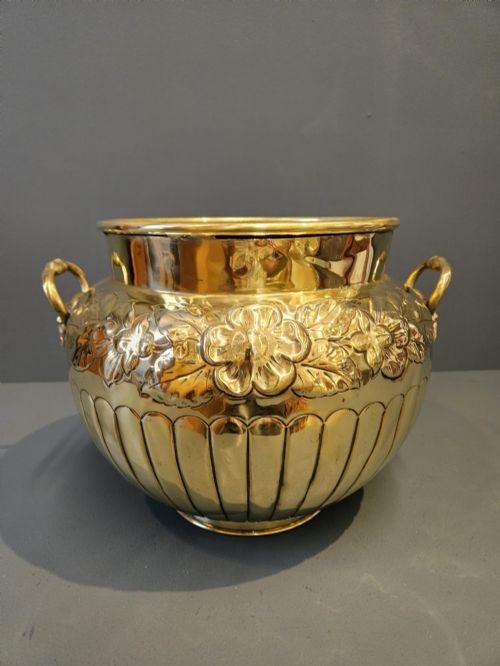
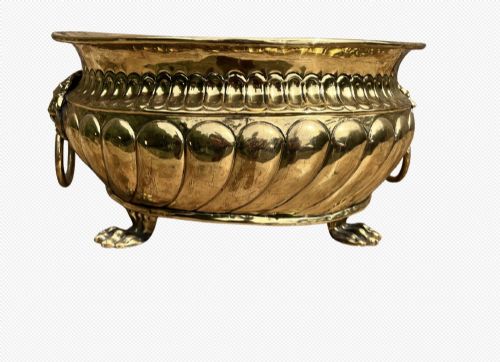
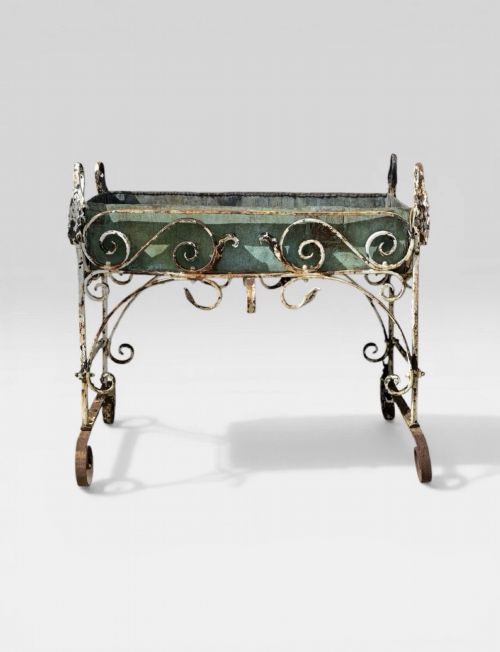
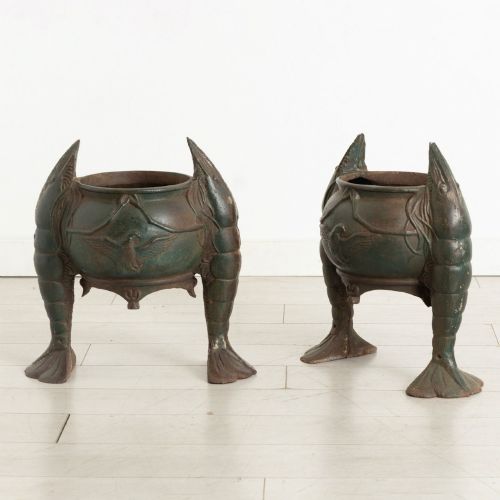
A victorian decorative jardiniere serves as an ornamental plant pot or container designed to hold potted greenery inside the home, often displayed on matching stands or tables. The selection ranges from robust ceramic art pottery bowls to polished metal vessels destined for drawing rooms and conservatories.
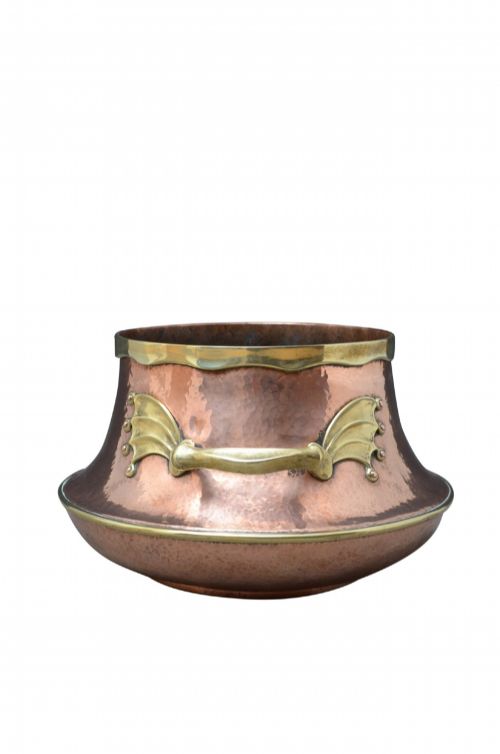
Ceramic examples from major potteries feature prominently alongside metal vessels hammered in copper or cast in iron. Buyers encounter pieces spanning the nineteenth century into the early twentieth, encompassing styles from Arts and Crafts to Art Nouveau.
Materials and construction methods
Pottery vessels rely on earthenware, stoneware, and porcelain bodies finished with heavy glazes, majolica, or hand-painted details. Metal versions utilise brass, copper, and bronze, frequently shaped through hammering, piercing, or casting.
Makers combined materials by mounting ceramic bowls onto wooden or iron stands, or pairing copper bodies with brass mounts and handles. Joinery on wooden pieces and riveting on metal vessels demonstrate period workshop techniques.
The listings show materials ranging from ceramic, earthenware, and stoneware to brass, copper, bronze, and cast iron.
Judging quality and craftsmanship
Quality rests upon the crispness of the modelling in ceramic pieces and the depth of the hand-hammering or chasing in metalwork. Superior examples display considered proportions and detailed surface ornamentation rather than plain utilitarian finishes.
The distinction between standard production items and finer works appears in artist signatures, registered design marks, and the weight of the metal or ceramic body. Intricate glazes and multi-metal construction elevate individual pieces above basic wares.
Doulton Lambeth·Doulton Burslem·Royal Doulton·Burmantofts·Royal Worcester
The Victorian Decorative Jardiniere Glossary
- Jardiniere
- An ornamental pot or stand for indoor plants, derived from the French word for gardener. These vessels sit on tables or floor pedestals.
- Majolica
- A type of earthenware coated with an opaque tin glaze and painted with brightly coloured metallic oxides. It produces a glossy, vibrant finish popular on Victorian art pottery.
- Dinanderie
- Objects made of hammered or engraved brass, copper, or bronze, often associated with decorative domestic vessels. The term spans medieval traditions revived in later metalwork.
- Cloisonne
- Enamelling technique where thin metal wires form compartments on a metal base to hold coloured glass paste. Firing fuses the design permanently to the surface.
- Coopered
- Wood construction using staves bound together with hoops, similar to barrel making. This technique appears on decorative wooden tea buckets and plant tubs.
Victorian Decorative Jardiniere: Frequently Asked Questions
How were jardinieres used in Victorian homes?
These vessels held potted palms, ferns, and flowering plants to bring botanical greenery into parlours and drawing rooms. They protected fine furniture from water damage while serving as decorative centrepieces.
Larger versions stood on the floor or on dedicated pedestals in hallways and conservatories. Smaller bowls rested on tables, window sills, or plant stands.
What is the difference between a jardiniere and a plant stand?
A jardiniere is the actual pot, bowl, or vessel that contains the plant and soil. The stand is the elevated table or pedestal designed to support that vessel.
Some listings offer matched pairs of pots and stands together. Others provide separate pieces intended to be paired according to individual taste.
How do I care for antique ceramic and metal pots?
Ceramic vessels require gentle cleaning with a soft cloth to protect decorative glazes and majolica surfaces. Metal pieces benefit from minimal intervention to preserve patination rather than aggressive polishing.
Using a plastic liner inside the antique pot prevents moisture from contacting porous earthenware or causing corrosion in metal containers.
How do I distinguish Arts and Crafts pieces from Art Nouveau?
Arts and Crafts items emphasise visible hand craftsmanship, honest materials, and straightforward construction, often featuring hammered copper or simple pottery forms. The style values the mark of the maker.
Art Nouveau introduces flowing, organic lines, asymmetrical plant motifs, and whip-like curves inspired by natural growth. These pieces lean towards decorative elegance rather than robust utility.