


Victorian Decanter Table
A Victorian decanter table is a specialised piece of dining furniture designed to hold and serve wine securely during the nineteenth century.
Victorian Decanter Table
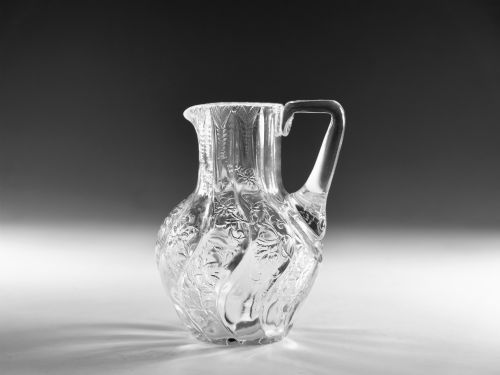
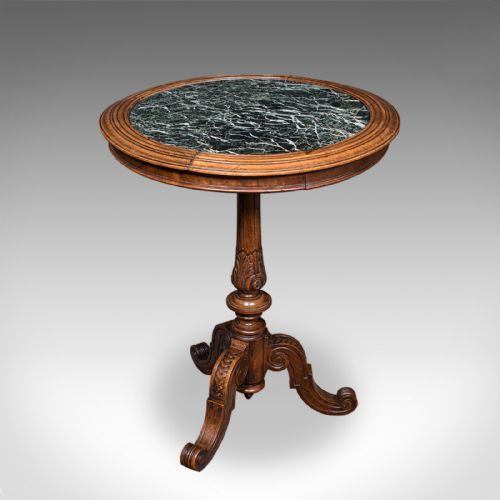
When you search for a Victorian decanter table, you are looking at nineteenth-century English dining furniture specifically conceived to present and protect wine and spirits. The pieces appearing here range from solid walnut and rosewood tables with marble tops to associated items like wine coasters, bottle stands, and treen or silver-mounted accessories.
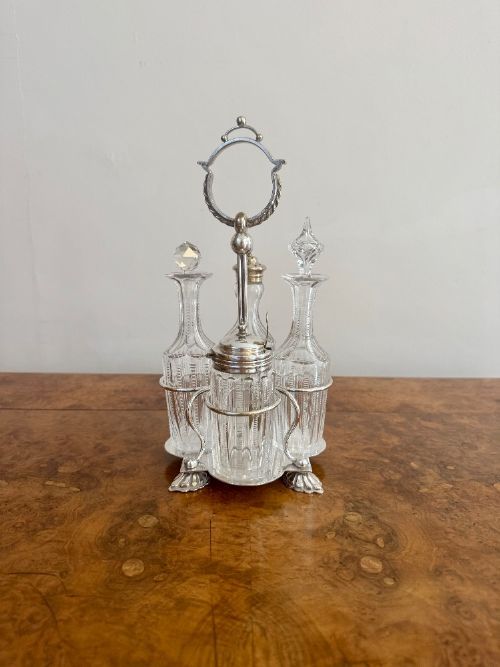
The version most likely to meet you on this page is the early Victorian walnut or rosewood decanter stand or side table, often accompanied by related dining room furnishings such as silver-plated bottle holders, cut glass decanters, and wooden coasters.
These tables reflect the formal dining customs of the Victorian and Edwardian periods, where portable or static serving pieces kept bottles stable on sideboards and dining surfaces.
Materials and Construction
The construction of these pieces relies heavily on dense hardwoods such as walnut, rosewood, and oak, frequently paired with inset marble surfaces or brass fittings to provide stability for heavy glass bottles.
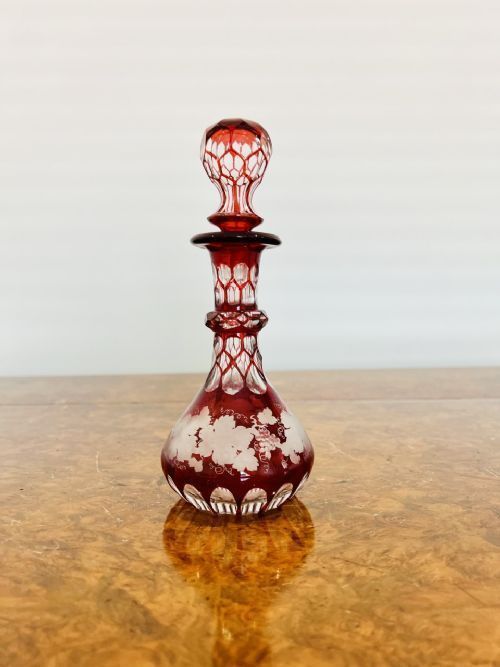
Metalwork incorporates silver plate, sterling silver, and Old Sheffield Plate for mounts, bottle coasters, and labels, while glass elements utilise lead crystal, cut glass, and occasionally amber or cranberry coloured glass.
Joinery and turning techniques visible in the stands and coasters demonstrate the high standard of nineteenth-century English cabinet making and metalworking traditions.
Among the tableware is a silver cockerel statue standing proudly ready to survey the dining room proceedings.
Judging Quality and Execution
Quality in these items rests upon the weight and clarity of the cut glass, the depth of silver plating on mounts and coasters, and the selection of figured timbers used in the tables.
Better examples display crisp turning, securely fitted marble tops, and undamaged silver collars or maker marks, whereas simpler pieces show more straightforward utilitarian construction without decorative mounts or precious metal plating.
Stevens and Williams·Wade Wingfield Wilkins
The Victorian Decanter Table Glossary
- Decanter table
- A low or portable side table designed to hold wine decanters and bottles within reach during a meal. These pieces often feature raised edges or fitted trays to prevent sliding.
- Wine coaster
- A small round tray, often made of silver plate, wood, or treen, used to hold a wine bottle and protect the dining table surface. They frequently sit on small wheels or felt bases.
- Old Sheffield Plate
- An early method of fusing a thin sheet of sterling silver to a thicker copper base before shaping. This technique creates a distinctive appearance where the underlying copper occasionally shows through with wear.
- Treen
- Small handmade wooden household objects and tableware. In the context of dining accessories, this includes turned wooden bottle stands and coasters.
- Cut glass
- Glassware decorated by grinding facets or patterns into the surface using a wheel. High quality pieces show sharp edges within the cut motifs and considerable weight from lead content.
Victorian Decanter Table: Frequently Asked Questions
What is a decanter table used for?
A decanter table serves as a dedicated surface for holding wine bottles, decanters, and drinking vessels during or after meals. It keeps heavy glass containers stable and close to hand without cluttering the main dining surface.
Historically, these tables allowed hosts to circulate wine or spirits efficiently around the dining room. They often incorporate raised edges, coasters, or fitted trays to ensure bottles do not tip during service.
How do I date a Victorian decanter table?
Dating relies upon examining the timber species, construction methods, and hardware styling present in the piece. Early Victorian examples often use dense rosewood or walnut alongside traditional joinery.
Comparing the turned supports and any associated metal mounts against dated examples helps narrow the period of manufacture. Secondary woods and fastener types also provide clues to the precise decade of production.
What materials are typical for these pieces?
The primary materials include cabinet timbers such as walnut, rosewood, and oak, frequently combined with marble tops and brass fittings. Glassware and tableware components add lead crystal, silver plate, and sterling silver.
Accessory items often feature treen, cut glass, and occasionally coloured glass elements like cranberry or amber variants. Each material reflects the domestic manufacturing capabilities of the nineteenth century.
How should I care for a wooden decanter table?
Care involves keeping the timber away from direct heat sources and sudden humidity changes to prevent wood movement. Regular dusting with a soft cloth maintains the polished finish of the walnut or rosewood.
Polished stone or marble inserts require gentle cleaning with non-abrasive cloths to preserve the surface. Metal mounts and silver-plated elements should be cleaned sparingly using appropriate, non-harsh polishes.