






Victorian Davenport Cabinet
These compact writing desks known as a victorian davenport cabinet offer ingenious storage and sloped surfaces designed for correspondence.
Victorian Davenport Cabinet
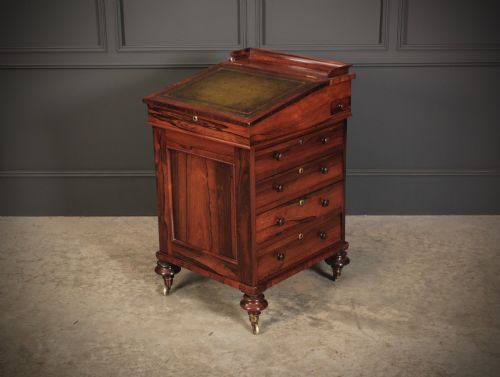
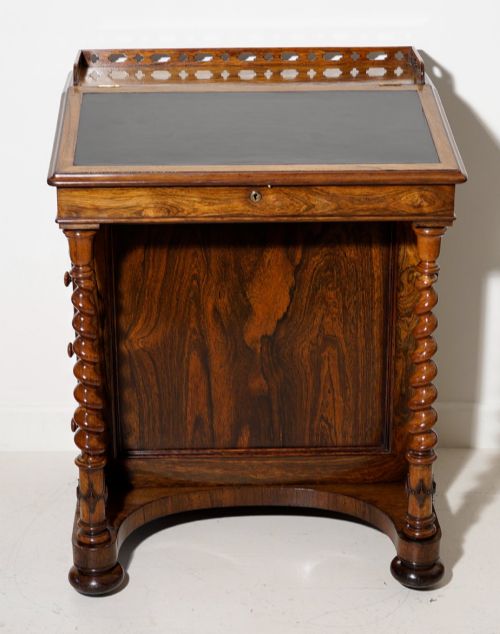
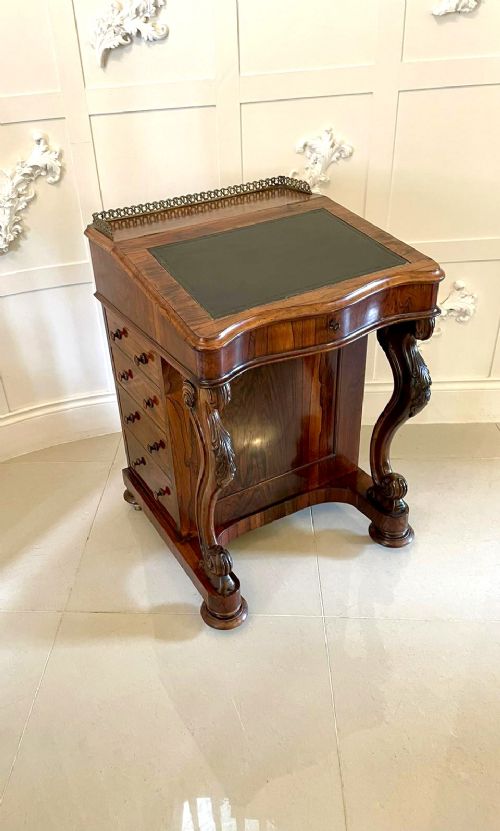
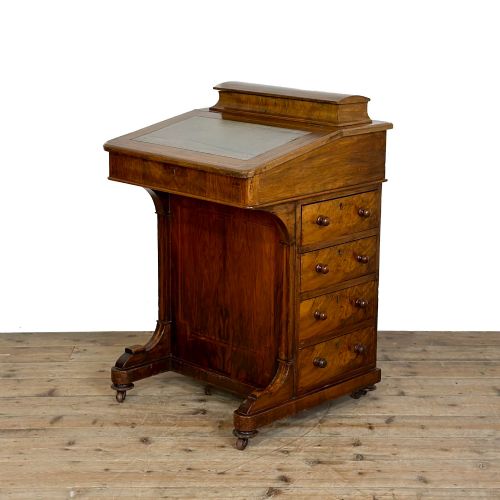
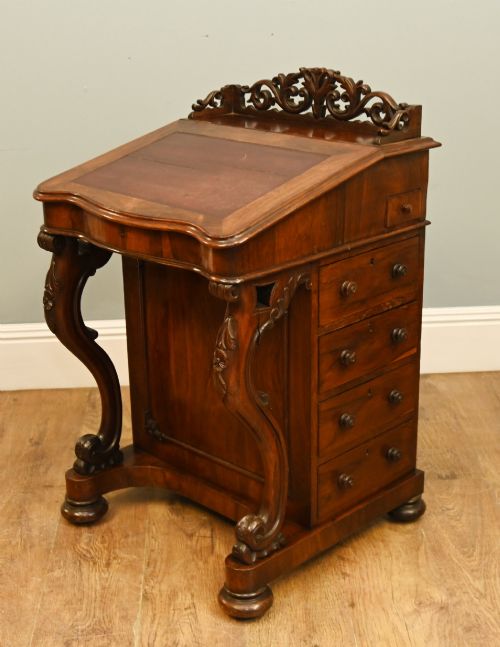
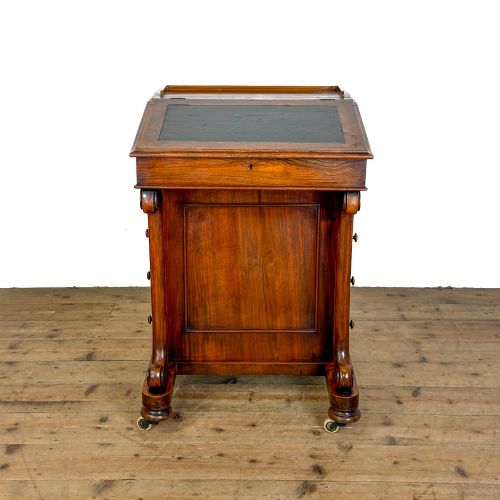
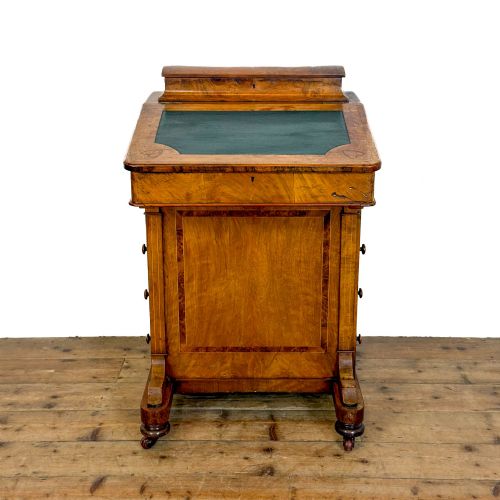
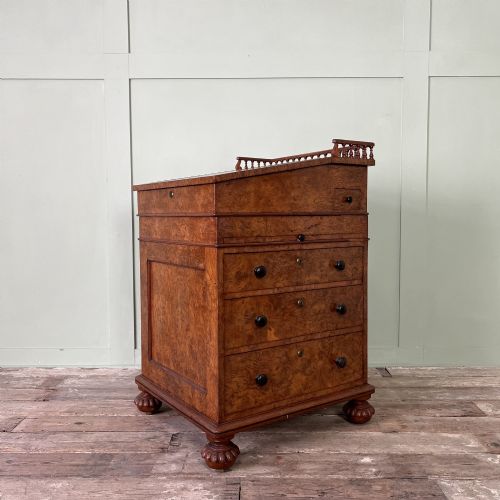
A victorian davenport cabinet combines a compact writing desk with built-in drawer storage, typically featuring a sloped writing surface inset with leather. These pieces emerge primarily from nineteenth-century workshops, spanning periods from Regency to late Victorian production.
How they were made
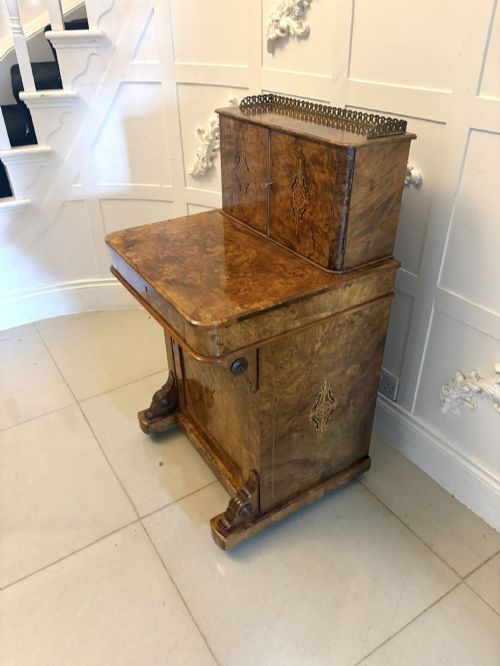
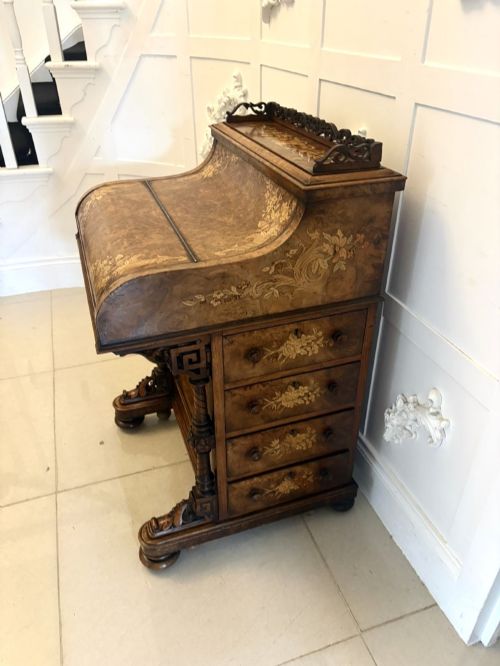
Cabinet makers utilised dense hardwoods such as mahogany, rosewood, and walnut, frequently applying burr walnut veneers to external surfaces for decorative grain patterns. Marquetry inlay, brass mounts, and ebonised wood details ornament the primary timber carcass.
Writing slopes are typically lined with tooled leather, while interior compartments manage stationery and inkwells. Complex internal mechanisms in specialised forms allow pop-up superstructures and sliding upper sections to operate smoothly within the small footprint.
Victorian Davenport Cabinet Retail Price Guide 2026
Typical asking prices for victorian davenport cabinet among the pieces listed under this phrase on Sellingantiques today, from the lower quarter to the upper quarter. They describe what is for sale here now, not the wider market.
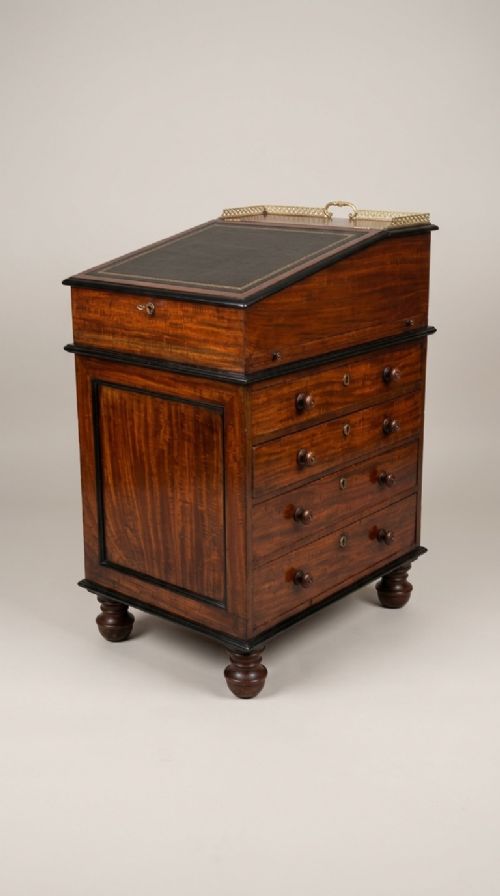
Cabinet makers integrated brass mounts, leather writing surfaces, and marquetry inlay across various desk configurations.
What varies in quality
The refinement of timber selection and the precision of veneer matching distinguish finer examples from standard production. Richly figured burr walnut and carefully arranged marquetry inlay indicate higher workshop standards during the nineteenth century.
Construction integrity in secondary drawers, the smooth operation of mechanical pop-up sections, and the retention of original brass hardware separate workshop tiers. Pieces bearing attributed maker details demonstrate superior cabinet-making pedigree.
Gillows of Lancaster·Gillow and Co
The Victorian Davenport Cabinet Glossary
- Davenport
- A compact pedestal desk featuring a sloped writing surface and drawers opening to the side. The form became popular during the nineteenth century for domestic correspondence.
- Burr Walnut
- Timber taken from the warted growths of walnut trees, yielding intricate, swirling grain patterns. Cabinet makers prized this material for decorative veneering on Victorian writing furniture.
- Marquetry Inlay
- The art of applying small pieces of veneer to form decorative patterns and pictures on a wooden surface. Floral motifs frequently appear on nineteenth-century desk lids.
- Pop-Up Davenport
- A variation incorporating an internal stationery compartment that rises when the writing desk lid is opened. This mechanical feature utilises concealed weights or spring mechanisms.
- Secretaire
- A piece of furniture containing a concealed writing drawer or fold-down writing flap. These fittings often reveal pigeonholes and small drawers inside the main cabinet structure.
Victorian Davenport Cabinet: Frequently Asked Questions
What is a davenport desk used for?
These compact pieces served primarily as personal writing desks for letters and household accounts. Their integrated drawers held stationery, pens, and private papers within a small floor area.
Upper compartments often accommodated inkwells and stamps, keeping writing materials organised in Victorian drawing rooms and studies.
How do I identify a Victorian davenport?
Look for the characteristic box-like upper section resting on a pedestal base with side drawers. The writing surface typically slopes downward toward the user and lifts to reveal interior fittings.
Materials commonly include mahogany and burr walnut, sometimes augmented with brass handles, leather inserts, and marquetry details typical of nineteenth-century design.
Where should I place a davenport in a room?
Many surviving examples are finished on all sides as freestanding pieces, allowing placement in the centre of a room rather than against a wall. Their compact proportions suit smaller spaces where a full-sized partner desk proves too large.
Consider natural light falling across the leather-lined writing slope to ensure comfortable use during writing.