
Victorian Dark Wood Table
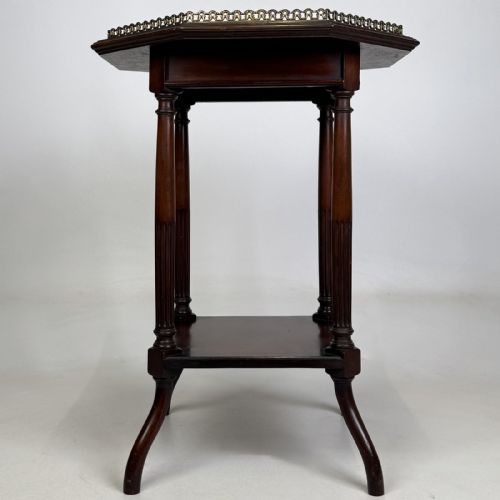
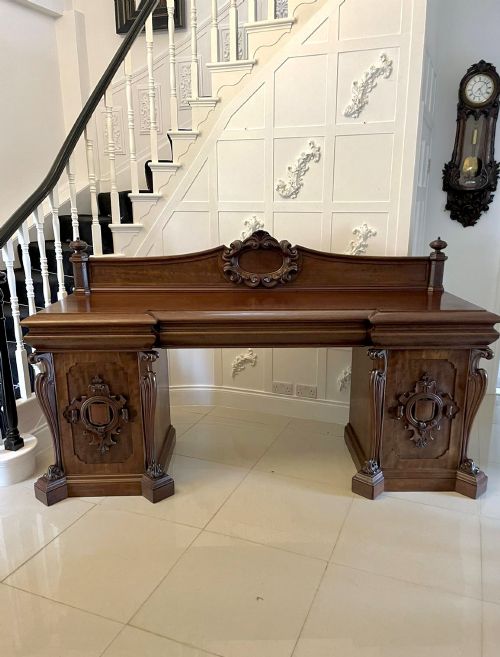
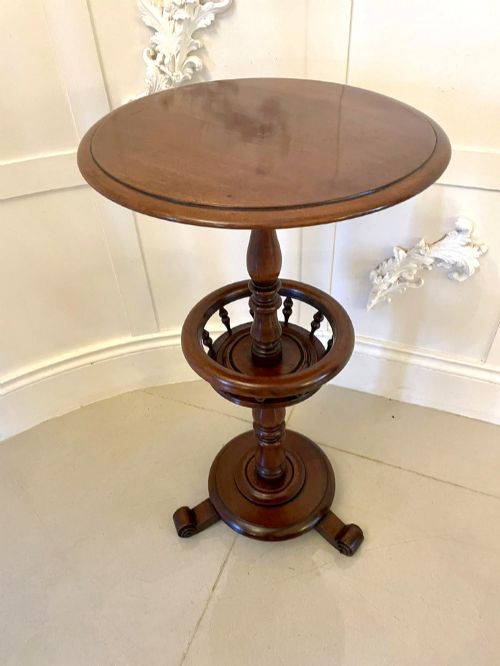
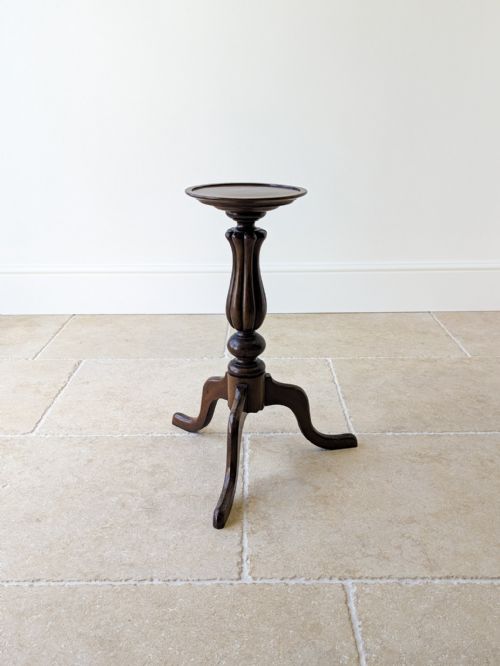
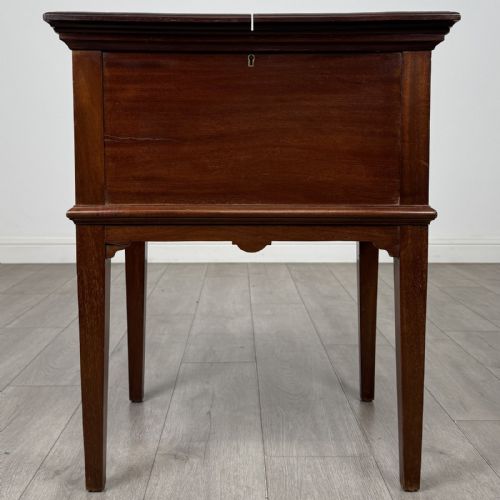
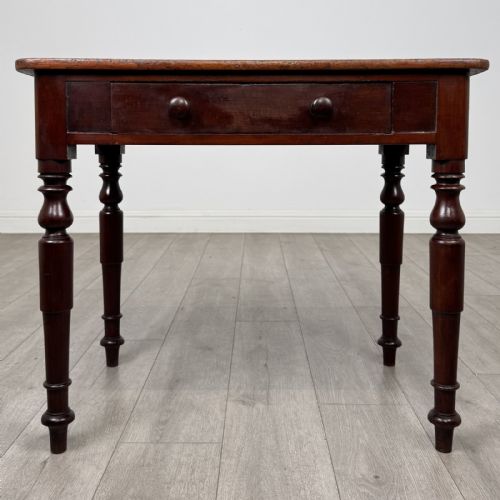
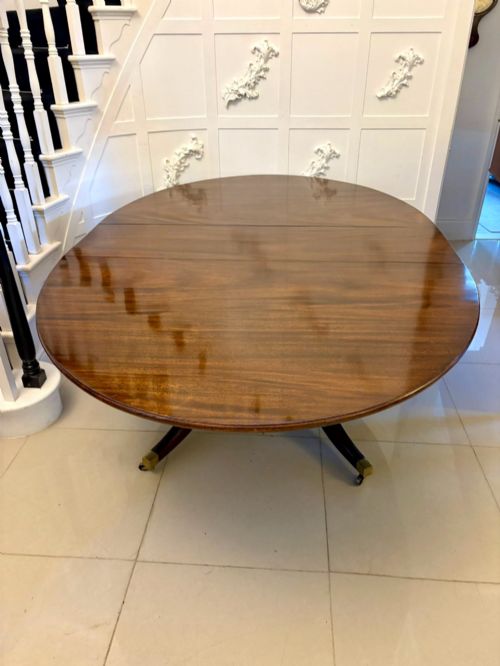
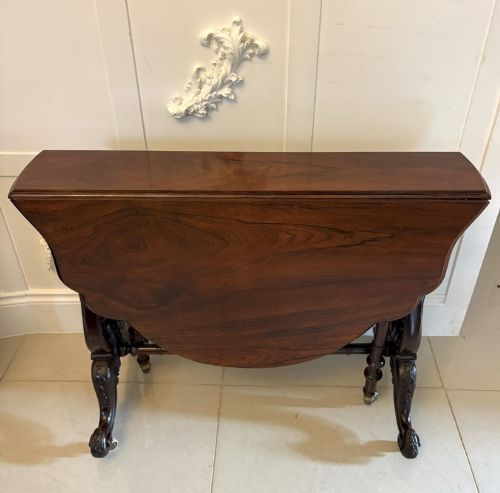
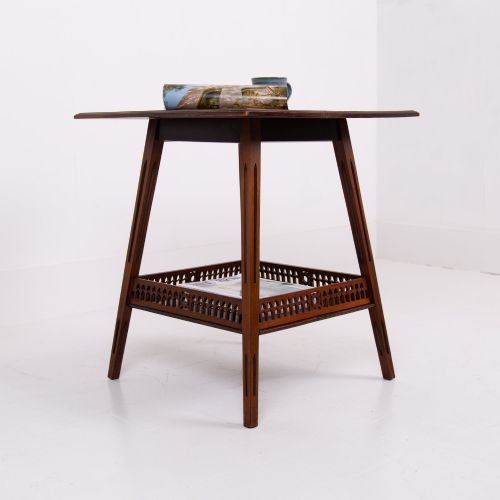
A victorian dark wood table brings nineteenth-century craftsmanship into a modern room, offering rich timbers and solid joinery.
Victorian Dark Wood Table
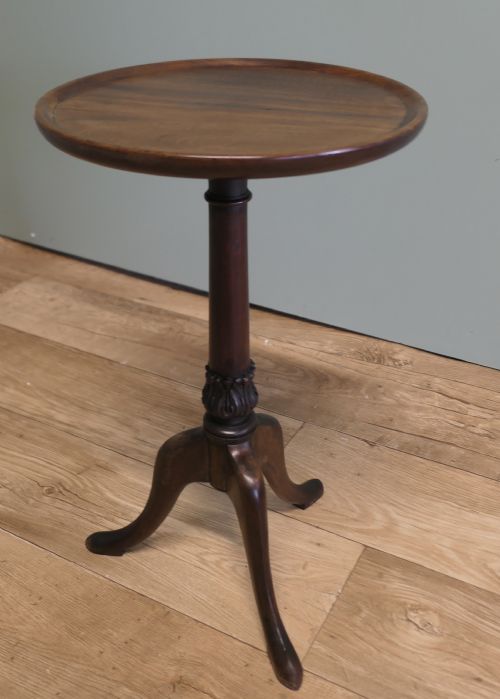
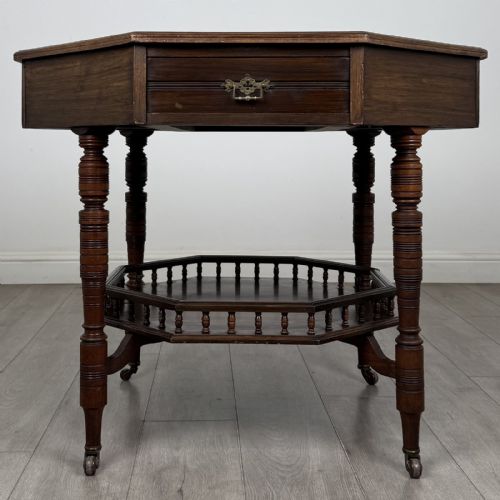
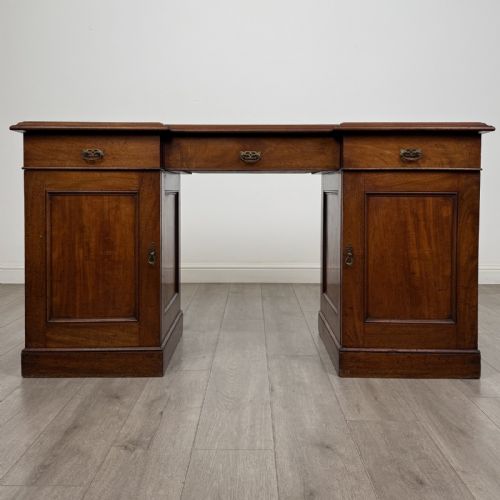
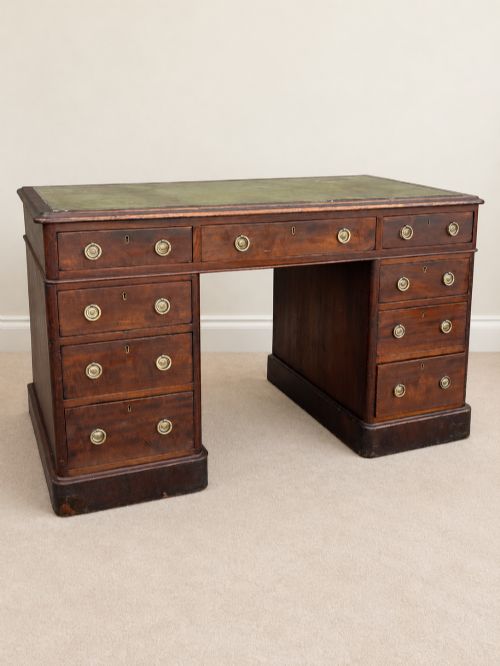
When you search for a victorian dark wood table, you encounter a wide selection of nineteenth-century domestic furniture designed for dining, writing, and display. These pieces span forms such as extending dining tables, side tables, occasional tables, desks, and wine tables produced during the Victorian era and adjacent periods like the Regency and William IV.
You are most likely to meet mahogany and rosewood examples on this page, reflecting the dominant timber choices of nineteenth-century cabinet makers. Side tables and dining tables appear frequently in the current selection, often featuring circular tops, tilt mechanisms, or extending leaves suited to various room layouts and domestic functions.
How they were made
Makers utilised dense timbers such as mahogany, rosewood, and oak, often worked into solid bases, turned columns, and substantial table tops. Secondary materials like brass, leather, glass, and marble appear on specific forms, adding functional details or decorative contrast to the woodwork.
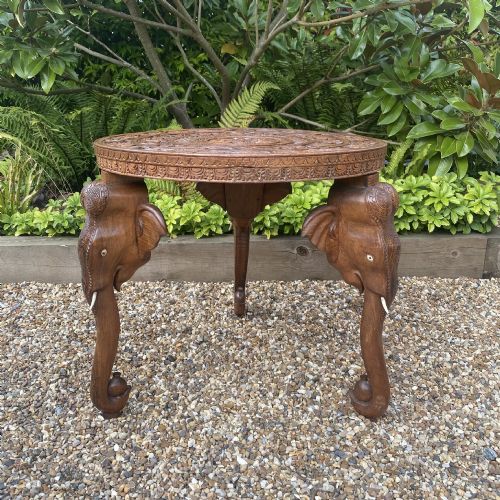
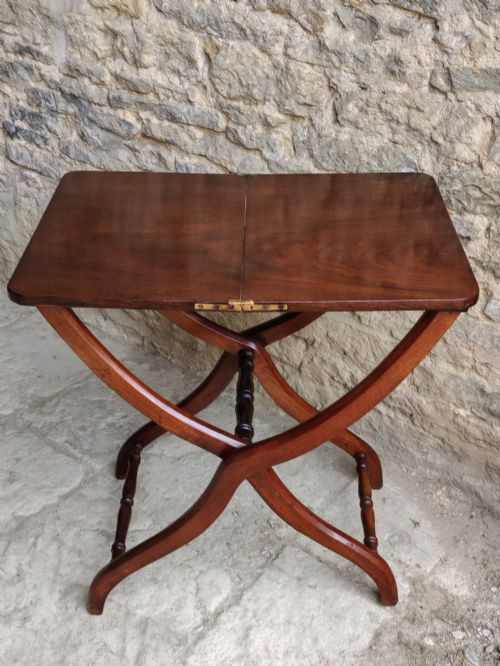
Construction techniques relied on traditional joinery, hand-carved ornamentation, and turning methods such as barley twist supports. Dining versions frequently incorporated extending mechanisms and multiple leaves, while smaller occasional and tilt-top tables utilised pivoting brackets and tripod or pedestal feet.
Listings feature eighteenth and nineteenth-century periods including Regency, William IV, and Victorian eras.
What varies in quality
The standard of a victorian dark wood table depends largely on the selection of timber and the depth of hand-carving on the base and supports. Rich grain figuring in rosewood and Cuban mahogany, combined with crisp execution in turned elements, distinguishes finer examples from simpler utility pieces.
Proportion and structural integrity also separate the top of the range from standard workshop output. Well-balanced pedestal bases, smooth extending actions on dining tables, and integrated original brass or leather elements indicate higher atelier standards.
Trollope and sons·P and MA Nicholson·George Wadham·Brockbanks and Atkins
The Victorian Dark Wood Table Glossary
- Tilt-top table
- A table with a hinged top that pivots to a vertical position when not in use. This mechanism allowed tables to be stored against walls to save space in nineteenth-century rooms.
- Pembroke table
- A small occasional table featuring drop leaves on two opposing sides supported by hinged brackets. They served flexibly for breakfast, writing, or needlework.
- Console table
- A table designed to stand against a wall, frequently secured to it with brackets or resting on front legs. Many Victorian variants included mirrored backs or marble tops.
- Whatnot
- A piece of open shelving standing on vertical supports used for displaying ornaments or holding books. These items share the dark wood construction seen across related table forms.
- Fusee movement
- A clock mechanism designed to equalise the declining power of the mainspring as it unwinds. It appears in bracket and table clocks associated with the period.
Victorian Dark Wood Table: Frequently Asked Questions
How do I identify a Victorian dining table?
Victorian dining tables typically feature heavy timber construction in mahogany or oak, often with turned legs, pedestal bases, or extending mechanisms.
Examine the undercarriage and joinery for traditional hand-tool marks and the presence of original leaves or winding handles.
What is a tilt-top table used for?
A tilt-top table functioned as a versatile piece that could be moved out of the way when the surface was not needed.
In nineteenth-century interiors, the top was flipped vertically so the table could stand flat against a perimeter wall.
How should I care for rosewood and mahogany?
Maintain dark wood surfaces by keeping them away from direct sunlight and sudden humidity changes which can split the timber.
Apply a traditional wax polish occasionally and buff gently with a soft cloth to preserve the natural lustre of the grain.
What distinguishes Regency from Victorian styles?
Regency design draws heavily on neoclassical motifs, symmetrical lines, and influences from ancient Greece and Rome.
Victorian pieces often display heavier proportions, more ornate carving, and revivals of Gothic, Jacobean, or Chinoiserie styles.