



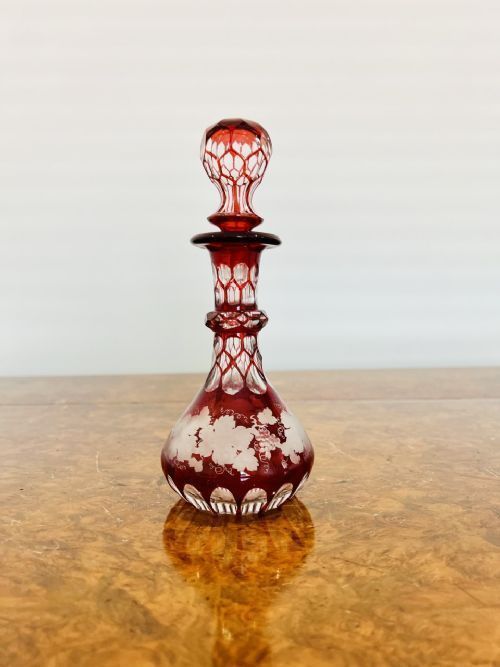

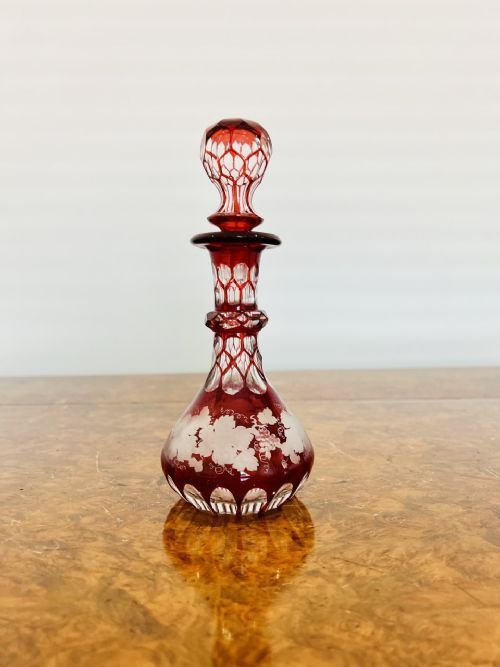


Victorian Cut Glass Scent
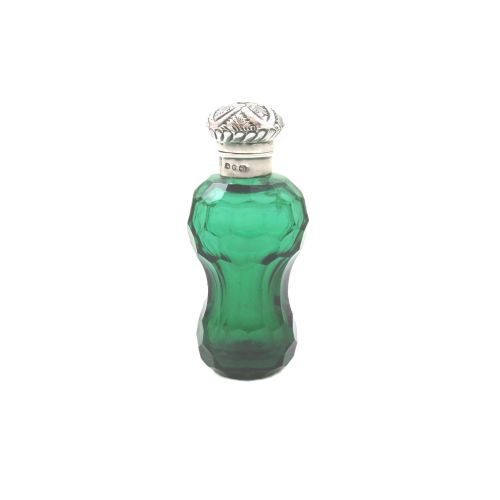
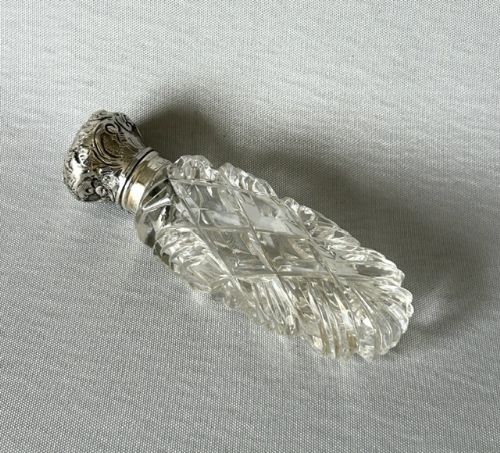
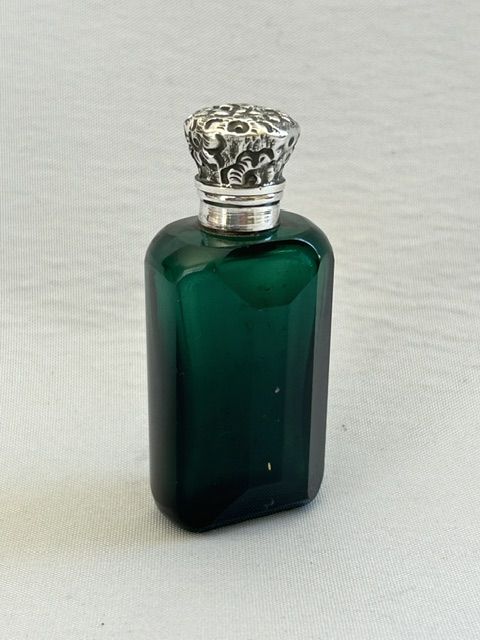
These functional Victorian cut glass scent bottles and caskets combine heavy faceted crystal with sterling silver mounts.
Victorian Cut Glass Scent
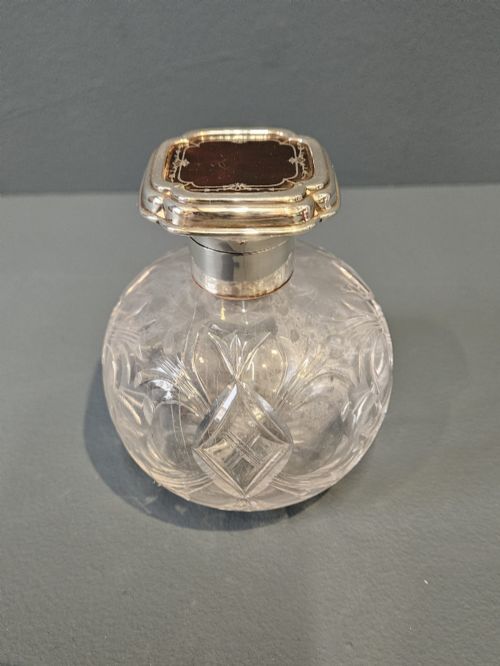
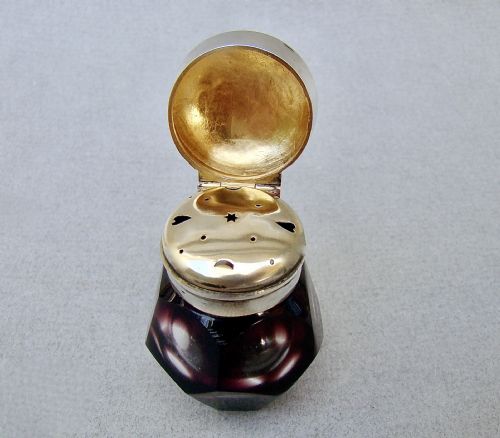
Collectors seeking a Victorian cut glass scent piece will find small pocket bottles, chatelaine designs, and larger dresser bottles housed in fitted wooden caskets. The typical example pairs a faceted or sliced-cut glass body with a hinged sterling silver cap, hallmarked from the middle decades of the nineteenth century onward.
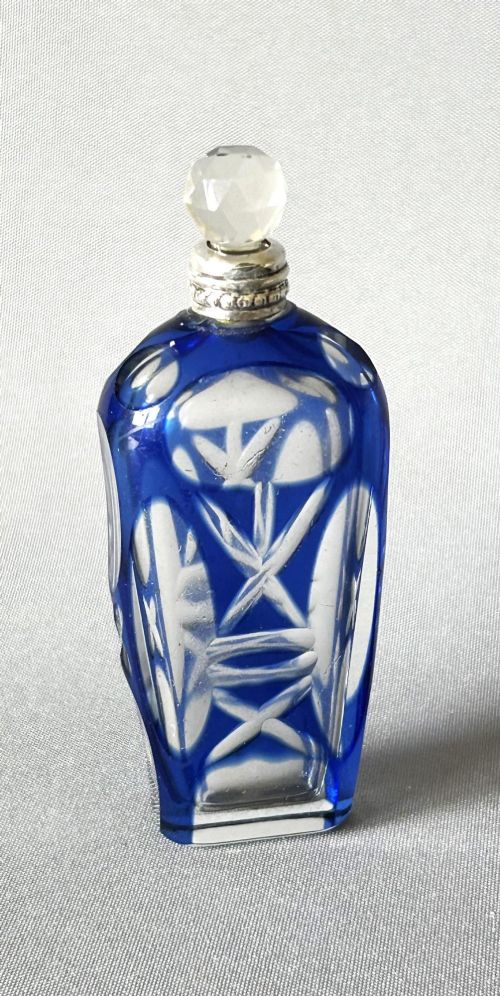
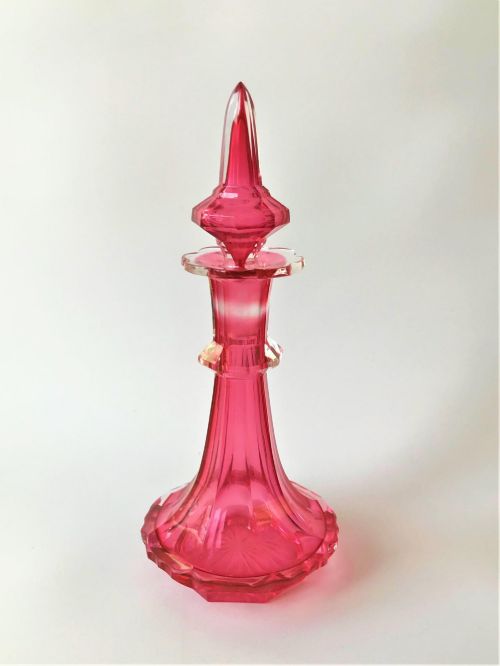
Beyond single pocket bottles, the record includes double-ended formats, miniature spirit bottles, and tantalus sets containing multiple matching decanters within coromandel or walnut boxes. French nineteenth-century examples often feature coloured glass with layered crystal overlays, while English pieces frequently showcase clear lead crystal alongside vibrant Bristol green, cranberry, and amethyst hues.
How they were made
Glassmakers produced these vessels by blowing molten metal into moulds or gathering heavy lead crystal that was subsequently wheel-cut, polished, and engraved with geometric or floral facets. Coloured effects relied on casing clear glass with layers of ruby, blue, or green glass before cutting through the outer layer to expose the contrasting base colour beneath.
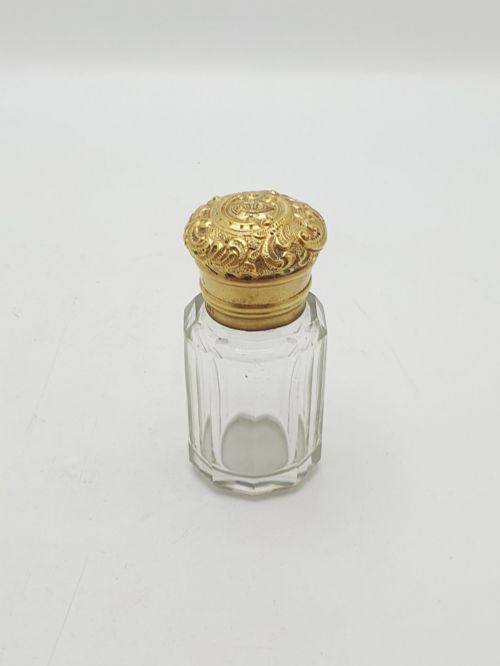
Silversmiths and specialist manufacturers then fitted the glass necks and stoppers with hand-beaten, chased, or engraved sterling silver collars, screw caps, and hinged lids. Interior glass stoppers frequently accompanied these metal mounts to prevent evaporation of the perfumes and colognes housed inside.
Victorian Cut Glass Scent Retail Price Guide 2026
Typical asking prices for victorian cut glass scent among the pieces listed under this phrase on Sellingantiques today, from the lower quarter to the upper quarter. They describe what is for sale here now, not the wider market.
Listings feature glass colours ranging from amber and uranium to deep amethyst and cranberry.
What varies in quality
The distinction between standard production items and premier pieces rests upon the crispness of the glass cutting and the weight of the metal mounts. Deep, sharp wheel-cutting that catches the light cleanly separates superior crystal from softer, moulded alternatives.
Makers known for supplying high-end retail establishments added significant value through fully hallmarked silver work, engraved monograms, and multi-layered coloured glass overlays. Fitted caskets lined in velvet and leather with functioning locks likewise indicate higher workshop standards.
The Mousley Brothers·Charles May·Mappin & Webb·Sampson Mordan·William Hutton & Sons
The Victorian Cut Glass Scent Glossary
- Sliced-cut
- A decorative technique utilising broad, flat horizontal or vertical facets across the glass body. This method was widely applied to coloured and clear scent bottles during the late nineteenth century.
- Overlay
- A manufacturing process where a thin layer of coloured glass is fused over a clear or contrasting body. The outer layer is then cut away in patterns to reveal the base colour.
- Chatelaine
- A decorative belt hook worn at the waist from which a lady suspended useful items including small scent bottles, keys, and chatelaine purses.
- Vinaigrette
- A small ornamental box or bottle featuring an internal perforated grille. Sponges soaked in aromatic vinegar or smelling salts were placed beneath the grill.
- Tantalus
- A locking wooden stand or casket holding decanters or scent bottles securely in place. The frame prevents removal of the bottles until the locking bar is unlocked.
Victorian Cut Glass Scent: Frequently Asked Questions
How do I clean the inside?
Resin and old perfume residue inside antique bottles respond best to warm water and specialised bottle brushes without harsh abrasives.
Avoid soaking silver collars or hinged caps in liquid cleaners to protect the metal finishes and interior cork seals.
Are original glass stoppers common?
Many surviving scent bottles retain their matching ground-glass stoppers, though replacements do occur due to accidental breakage.
Inspect the inner neck and stopper stem for matching numbering or identical hand-cut facets to confirm authenticity.
What caused the different glass colours?
Victorian glasshouses added specific metallic oxides to the molten batch to achieve distinct hues including uranium, cobalt, and copper for greens and blues.
Cranberry and ruby glass required the addition of gold or selenium to create rich red tones.
How do I read the silver hallmarks?
Assay office marks, date letters, and maker's stamps are typically struck on the silver collars or hinged lids of these bottles.
These tiny marks reveal the exact town of assay and the year the silver mount was officially tested and registered.