
Victorian Cut Decanters
Victorian cut decanters combine heavy glass vessels with precise geometric wheel-cut patterns, offering a functional centrepiece for serving spirits.
Victorian Cut Decanters
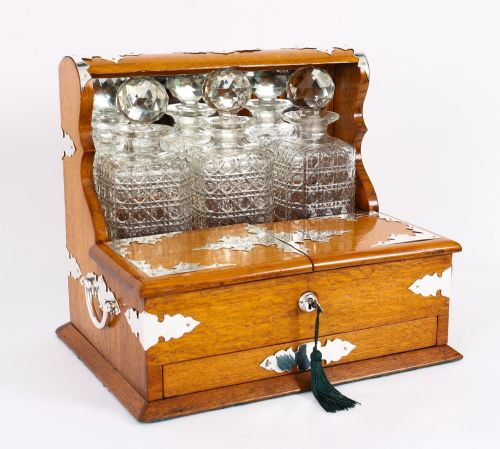
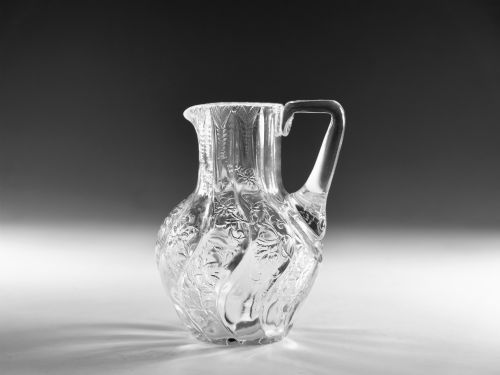
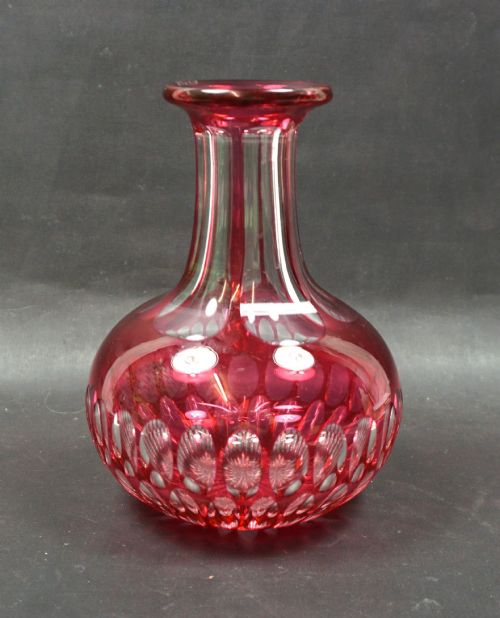
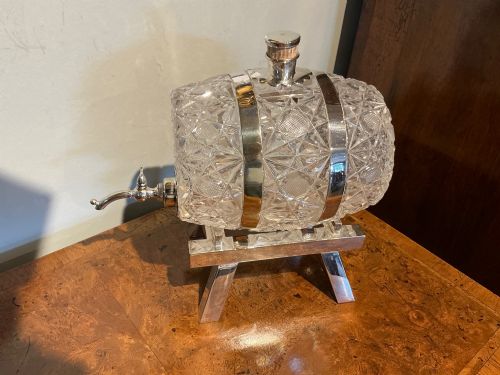
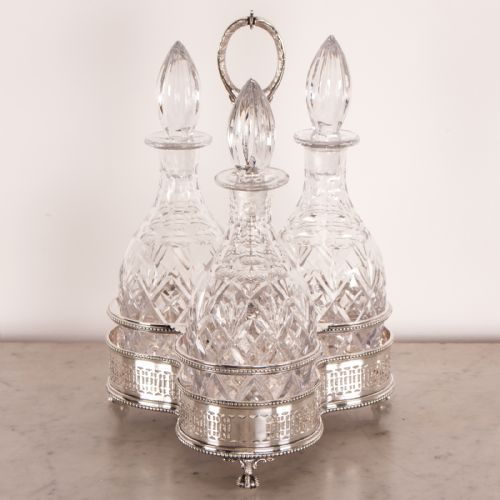
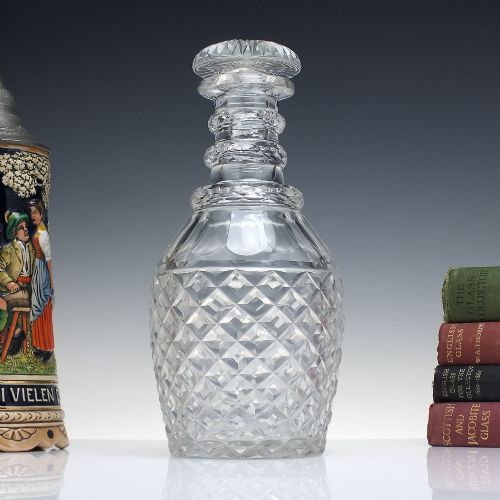
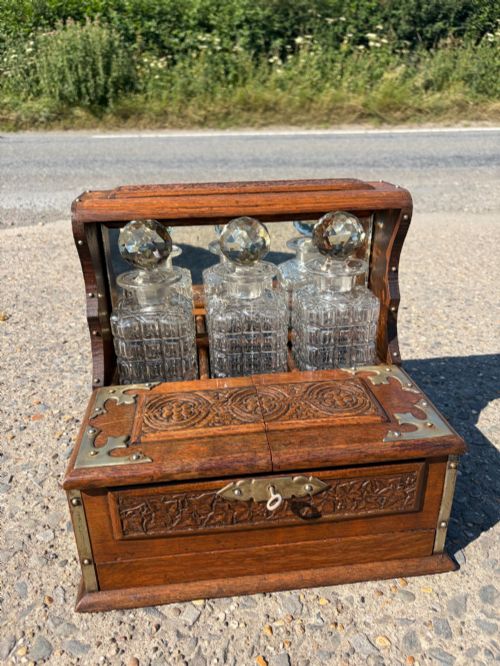
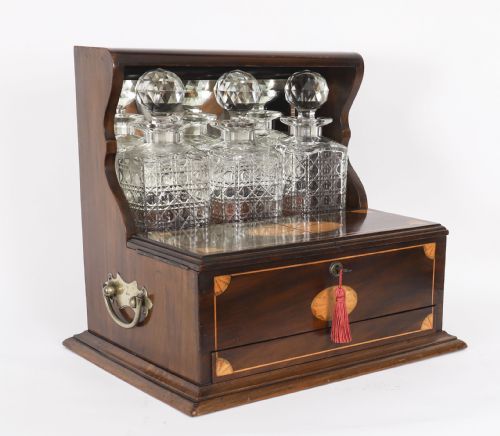
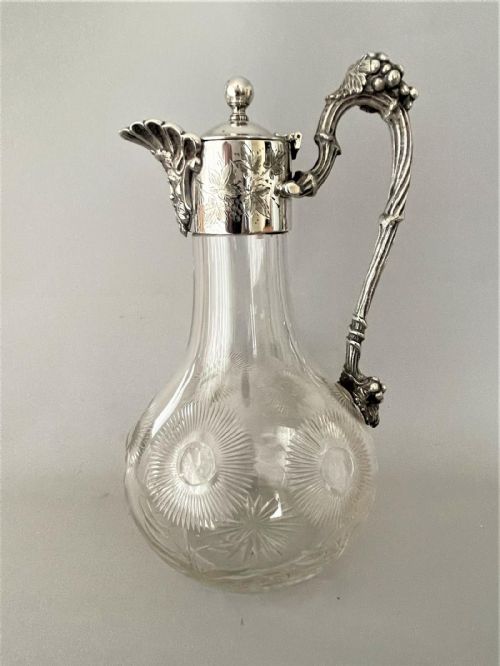
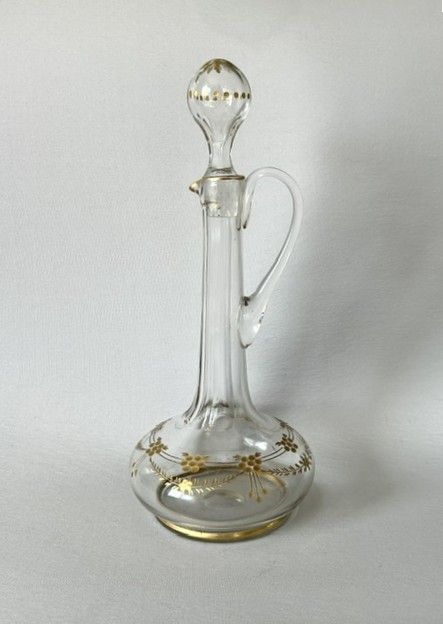
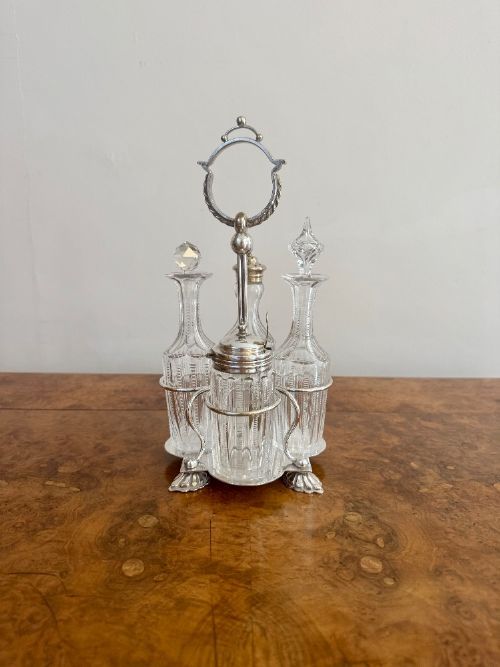
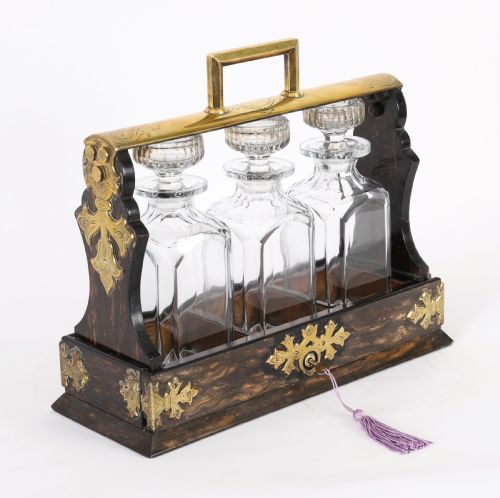
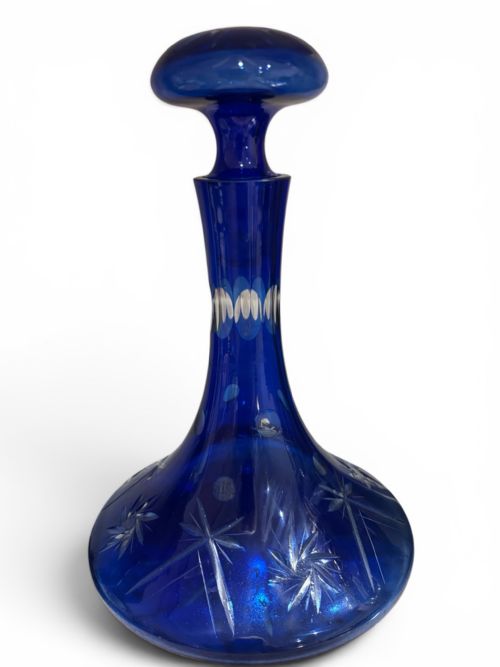
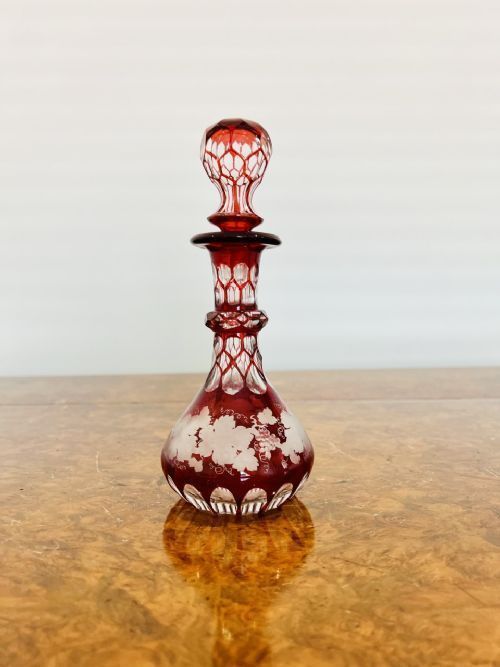
Victorian cut decanters comprise heavy glass or crystal vessels designed for holding and serving wine and spirits, frequently encountered as matched pairs or housed within secure locking tantalus frames. The selection encompasses standalone wine jugs, claret jugs mounted with silver plate, and multi-bottle sets resting in metal stands dating from the mid nineteenth century through to the early twentieth century.
Makers often housed these vessels in blonde oak, coromandel, or satinwood frames alongside games compendiums, reflecting the domestic habits of the period. Alongside traditional clear lead crystal, pieces appear in ruby, cranberry, amethyst, and cobalt coloured glass, sometimes enhanced with gilding or intaglio engraving.
How they were made
Glassmakers utilised heavy lead crystal or standard glass, blown into moulds or free-blown before artisans applied deep geometric cuts using revolving wheels. The resulting facets scatter light through the thick walls, giving the material its characteristic weight and brilliance.
Metalwork components such as handles, collars, hinges, and locking mechanisms were fashioned from silver plate, sterling silver, or brass, and secured to the glass bodies or fitted directly into wooden frames.
Victorian hosts locked their whiskey away in tantalus frames, trusting guests with the conversation while keeping the spirits safely out of reach.
What varies in quality
The clarity and weight of the crystal set the standard for individual vessels, alongside the precision and depth of the wheel-cut facets. Sharply defined cutting creates crisp tactile edges, whereas softer impressions indicate a lesser degree of hand finishing.
The sophistication of the accompanying metal mounts and housing units distinguishes standard production from superior pieces. Robust silver plating, substantial hardwood cases like coromandel and inlaid oak, and intact stoppers elevate the integrity of the whole ensemble.
Stevens and Williams·Walker and Hall·Mappin and Webb
The Victorian Cut Decanters Glossary
- Tantalus
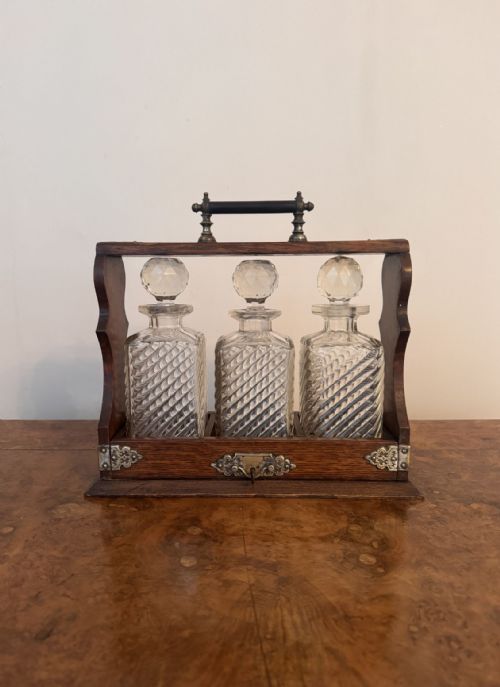
- A locking wooden frame designed to secure decanters and prevent access to the contents without a key. The metal bar drops over the glass stoppers to lock the bottles in place.
- Hobnail cut
- A raised, multi-faceted geometric pattern resembling the iron heads of rustic boot nails. This deep surface cutting creates a highly textured exterior on the glass.
- Claret jug
- A pouring vessel specifically intended for red wine, typically featuring a glass body fitted with a hinged metal lid, handle, and collar. Many examples combine cut glass with silver-plated mounts.
- Lead crystal
- Glass containing a significant proportion of lead oxide, which increases the material weight, refractive index, and acoustic resonance. This composition allows for deeper and sharper wheel cutting.
- Intaglio
- A technique where patterns are carved into the surface of the glass rather than raised in relief. The design sinks beneath the exterior plane of the vessel.
Victorian Cut Decanters: Frequently Asked Questions
How do I date a Victorian decanter?
Dating relies on stylistic shifts in the glass cutting, the shape of the vessel, and accompanying hallmarks on any silver mounts. Mid nineteenth century pieces often feature heavier proportions and specific pontil marks on the base.
Later Victorian and Edwardian examples shift towards lighter crystal forms, machine-assisted finishing, and patent locking mechanisms on tantalus frames. Comparing the stopper fit and the registry marks helps narrow down the decade of production.
Are original stoppers important?
Original stoppers matching the exact cut and glass tint of the body remain essential for completeness and value. Decanters were individually ground at the neck during manufacture to fit one specific stopper.
Replacements often sit unevenly or display mismatched facet patterns under close inspection. Checking the ground glass joint for matching numbering or identical wear patterns confirms originality.
What is a tantalus set?
A tantalus is a locking cabinet or stand that holds three decanters securely behind a wooden bar. The mechanism denies access to the liquor while still displaying the cut crystal through the open frame.
These units frequently incorporate hidden drawers for cards and games, reflecting their use in Victorian drawing rooms and studies.
How should I clean cut glass?
Cleaning requires warm water and mild detergent, avoiding sudden temperature changes that can crack heavy lead crystal. Stubborn internal residue responds to specialised cleaning beads rather than abrasive brushes.
Silver-plated mounts and collars must be kept dry and polished separately with appropriate cloths to prevent tarnish transfer onto the glass.