
Victorian Cut Crystal Glass
When you search for victorian cut crystal glass, you find heavy, light-refracting tableware and display pieces shaped by 19th-century makers.
Victorian Cut Crystal Glass
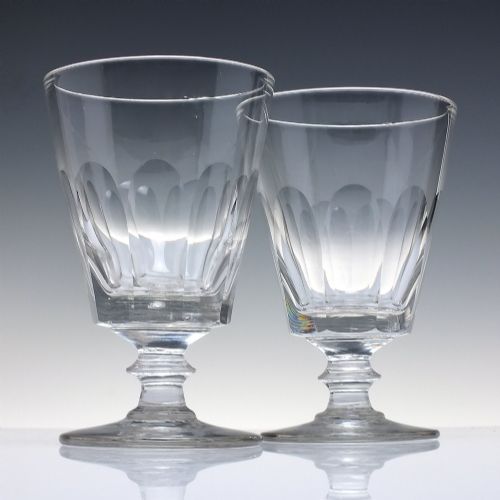
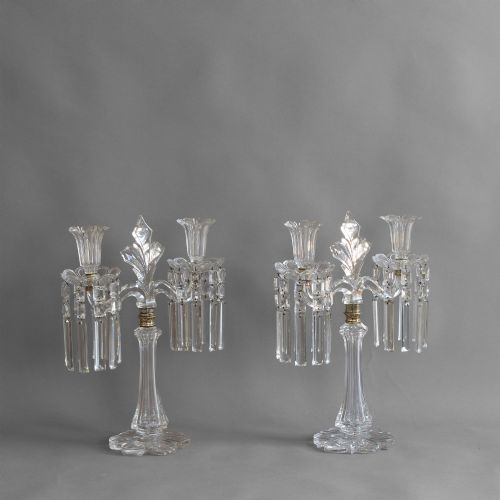
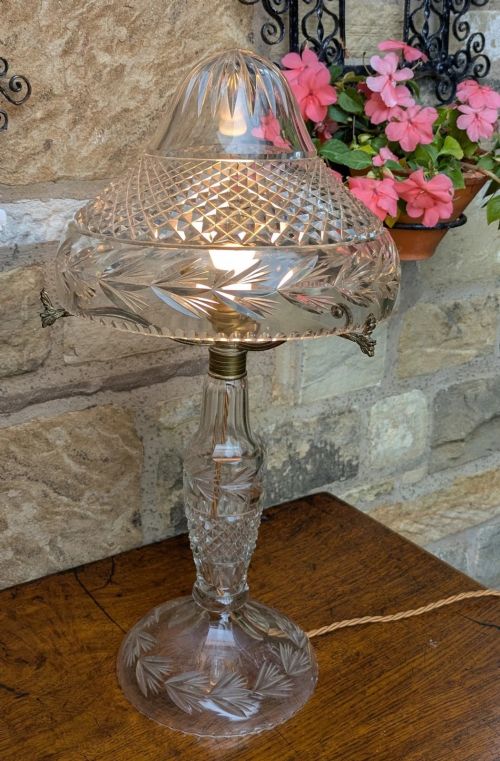
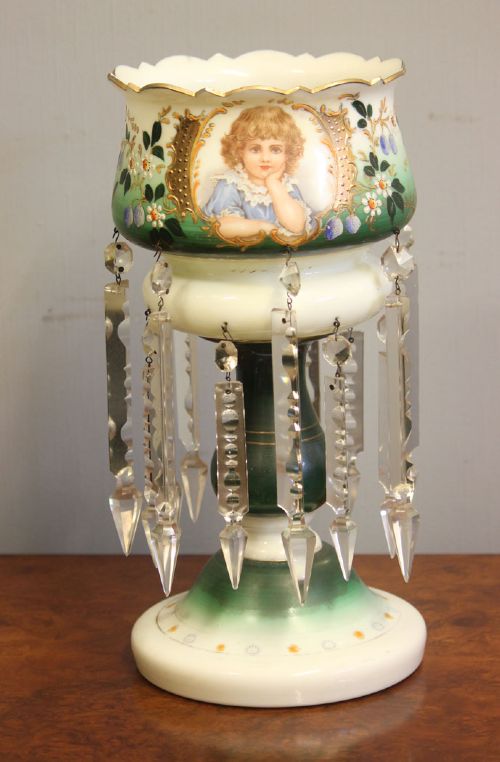
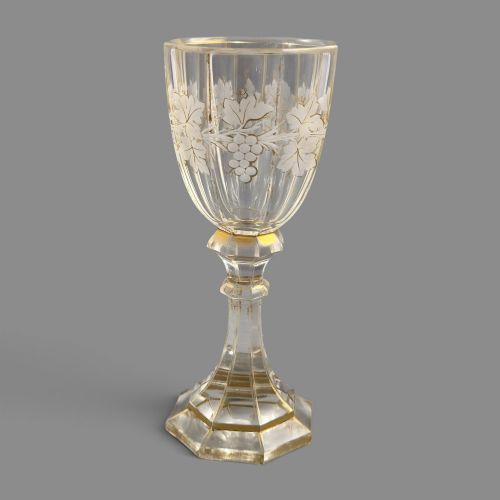
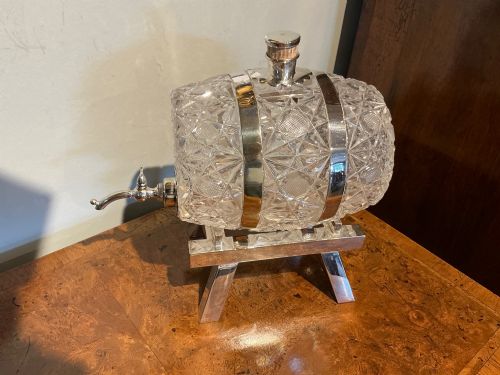
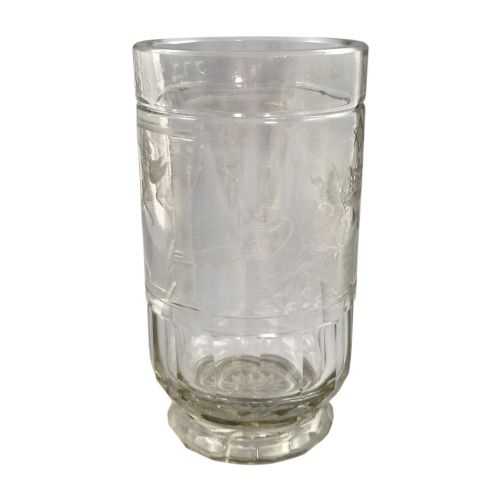
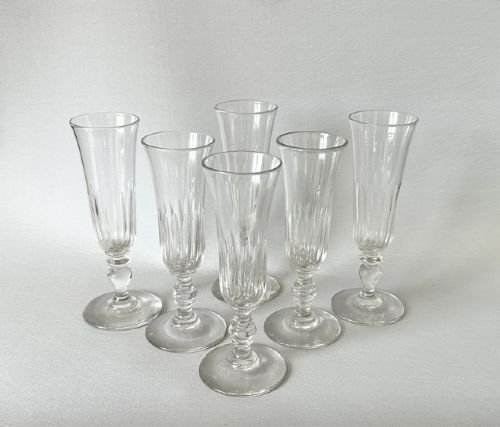
Victorian cut crystal glass encompasses a broad spectrum of domestic and decorative objects, ranging from heavy spirit decanters and matched sets of wine glasses to ornate mantel lustres adorned with crystal drops. Buyers searching for victorian cut crystal glass frequently encounter functional vessels alongside decorative centrepieces intended to catch the gaslight of a period interior.
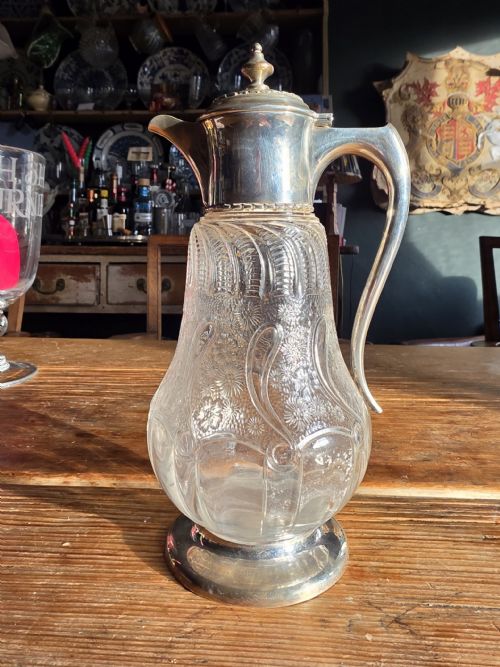
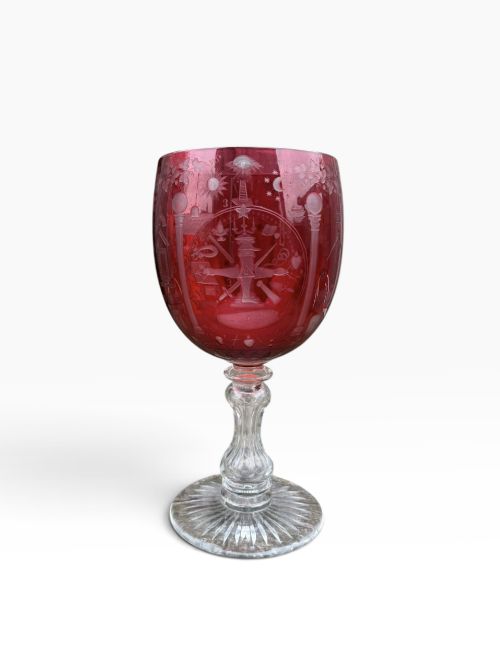
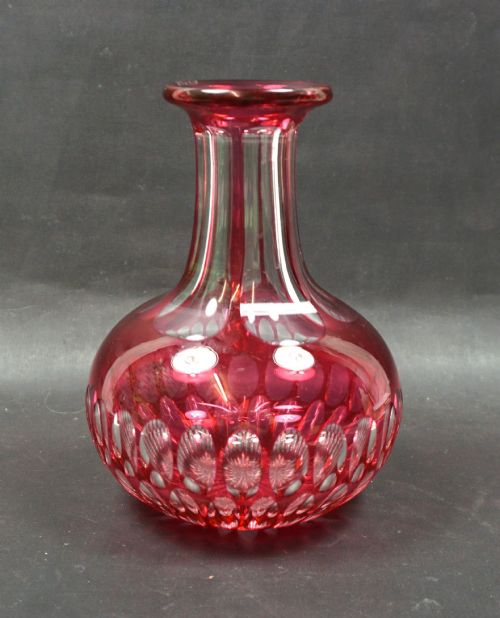
The material inventory spans straightforward clear lead crystal alongside striking coloured glass, including cranberry, ruby, green, and cobalt variations often flashed or layered over a clear core. Forms regularly incorporate mounts in silver, silver plate, brass, or ormolu, bridging pure glassware with metalwork fixtures like tantaluses and claret jugs.
How They Were Made
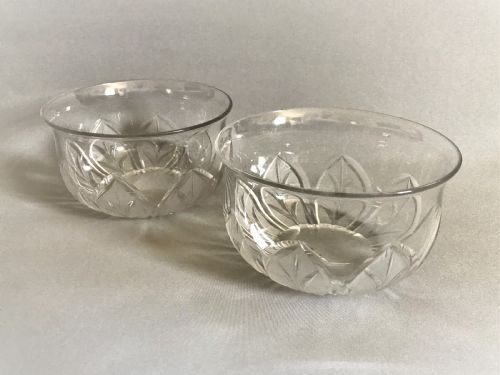
Pieces were shaped by blowing molten glass into moulds or free-handing forms before cooling them down for cold-work decoration. Artisans then utilised heavy iron and stone wheels to grind deep geometric patterns into the surface.
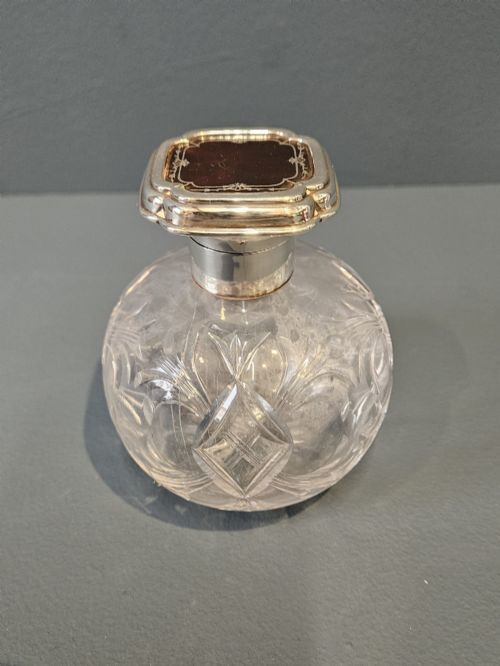
Final refinement involved smoothing and polishing the cut facets to achieve maximum brilliance. Secondary materials such as sterling silver collars, silver plate mounts, or gilt bronze frames were fitted securely to rims, stoppers, and bases.
Listings feature items spanning the 1850s through the Edwardian era, incorporating silver, brass, ormolu, and tortoiseshell alongside cut crystal.
What Varies in Quality
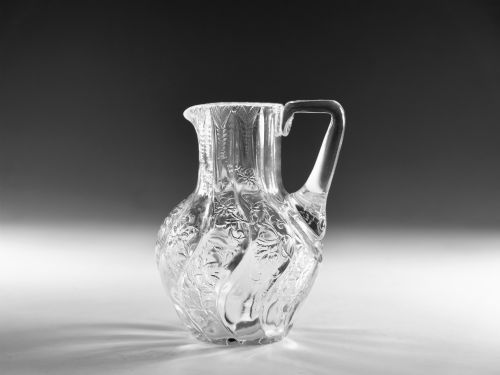
Quality rests in the crispness and depth of the wheel-cut facets and the clarity of the underlying metal. Superior examples exhibit sharp, clean geometric edges that refract light brilliantly without cloudiness or accidental waviness in the handle or body.
The integration of secondary materials also dictates standard, where heavy-gauge silver plate, solid hallmarked silver, or finely chased ormolu mounts elevate a piece above standard domestic production. Balance, weight, and the retention of matching original stoppers or pendant crystal drops separate ordinary survival pieces from finer works.
Stevens and Williams·Walker and Hall·Edgar Finley and Hugh Taylor·Moser
The Victorian Cut Crystal Glass Glossary
- Lead crystal
- Glass containing a significant percentage of lead oxide, which increases weight, refractive index, and the ring of the material when struck.
- Mantel lustre
- A decorative ornamental vase or urn hung with cut crystal drops, designed to sit upon a fireplace mantelpiece.
- Tantalus
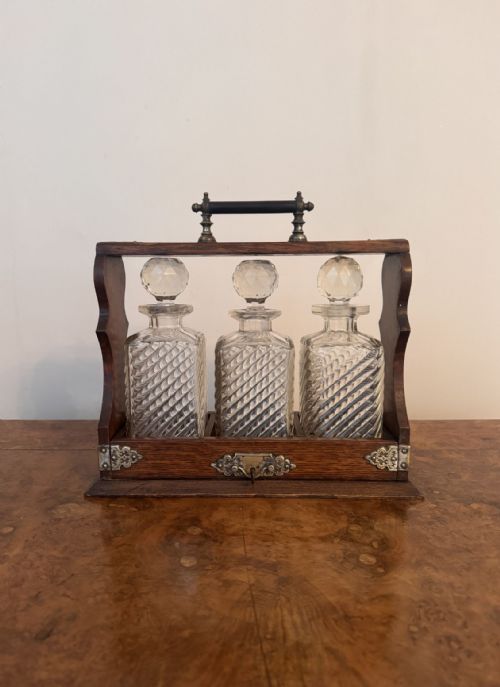
- A locked wooden frame displaying decanters of spirits, securing the contents from unauthorized consumption while displaying the cut glass.
- Hobnail cut
- A sharp, faceted surface pattern resembling the heads of traditional hobnails used on heavy boots.
- Claret jug
- A pouring vessel specifically intended for red wine, combining a cut glass body with a hinged metal mount, handle, and spout.
Victorian Cut Crystal Glass: Frequently Asked Questions
Are decanters safe for modern spirits?
Most antique crystal decanters are safe for holding spirits for short periods. However, prolonged storage of high-proof alcohol in historical lead crystal can cause trace amounts of lead to leach into the liquid.
Enjoy your whiskey or port from the decanter during an evening, but return any leftover contents to modern glass bottles for long-term storage.
How do I spot original stoppers?
Examine the ground-glass peg of the stopper and the interior neck of the vessel for matching hand-ground mating numbers or identical wear patterns. Original stoppers fit flush and turn smoothly within their specific decanter.
Because stoppers were easily broken and replaced over generations, mismatched replacements often show slight wobbles or distinct differences in glass colour and cut pattern.
What caused the coloured glass styles?
Makers introduced metallic oxides into the molten batch or applied thin layers of coloured glass over a clear crystal core before cutting through the outer layer. This technique created striking contrast, revealing clear facets beneath ruby, cranberry, or cobalt surfaces.
These rich hues gained immense popularity during the mid to late 19th century, reflecting evolving tastes in interior decoration.