


Victorian Cupboard Server
A victorian cupboard server brings heavy timber storage and display into a dining room or hall.
Victorian Cupboard Server
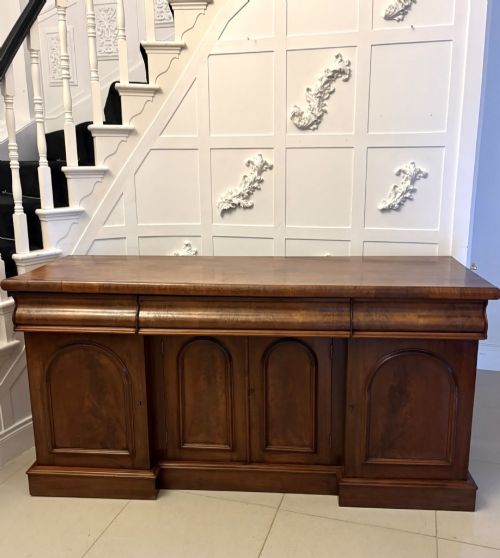
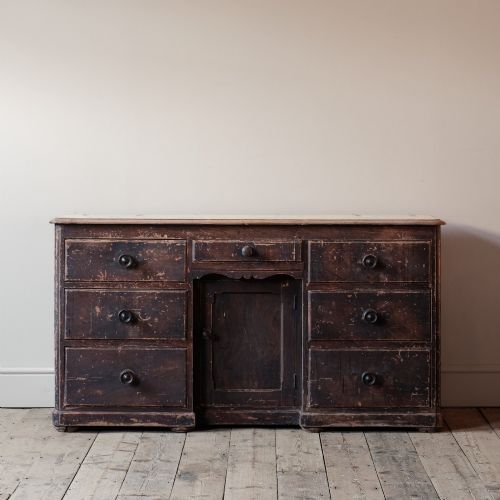
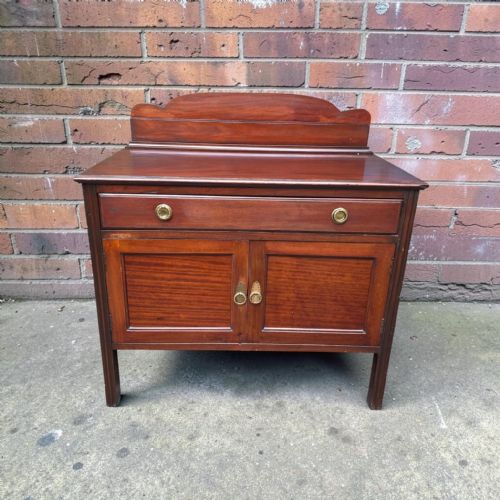
When a buyer searches for a victorian cupboard server, they encounter a range of heavy timber storage furniture designed for dining rooms and hallways during the nineteenth century. These items function primarily as sideboards, chiffoniers, buffets, and dresser bases, offering enclosed cupboard space alongside surface display areas.
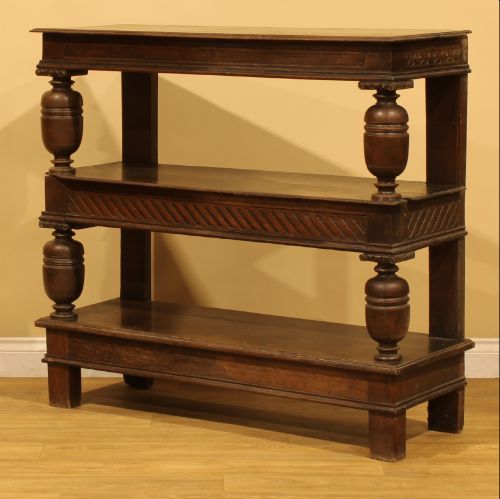
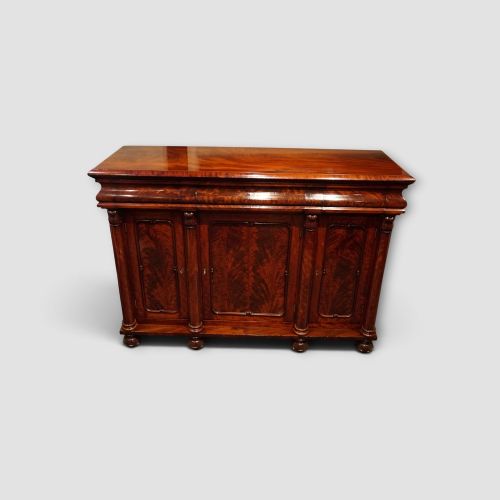
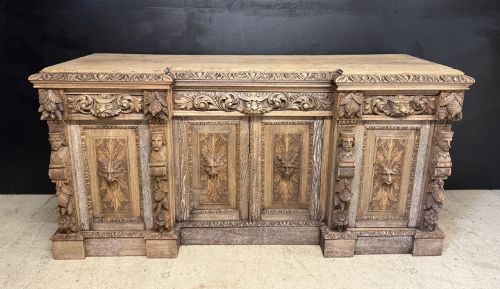
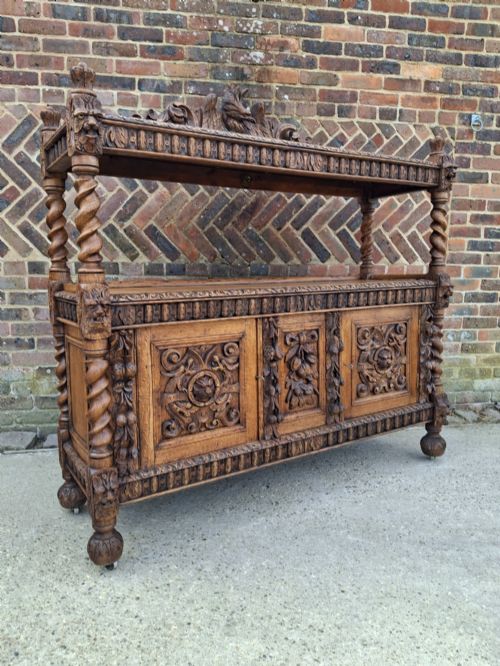
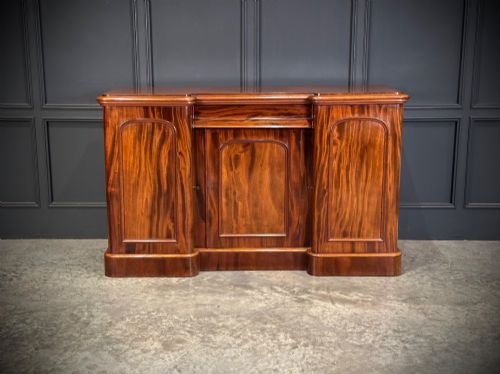
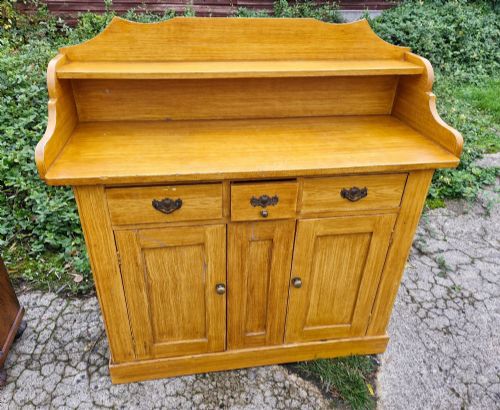
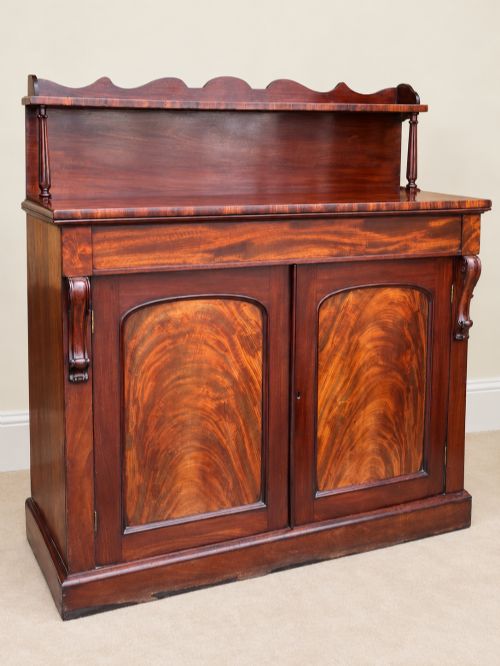
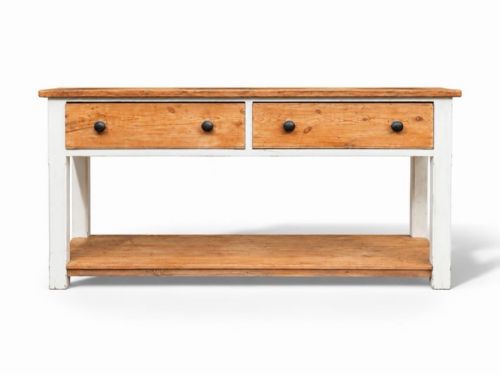
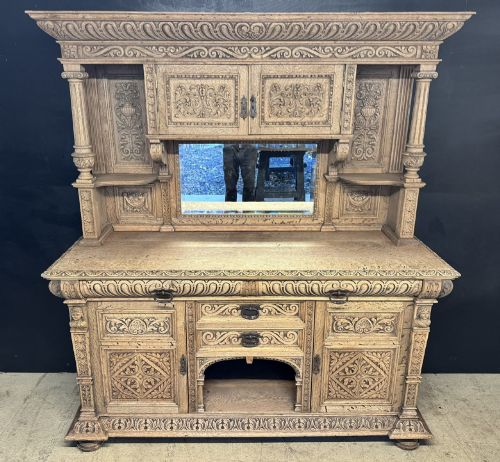
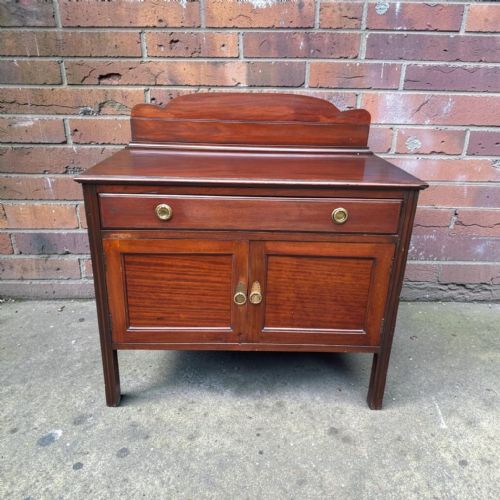
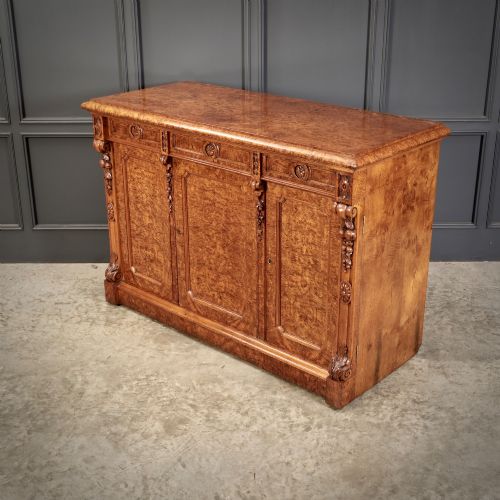
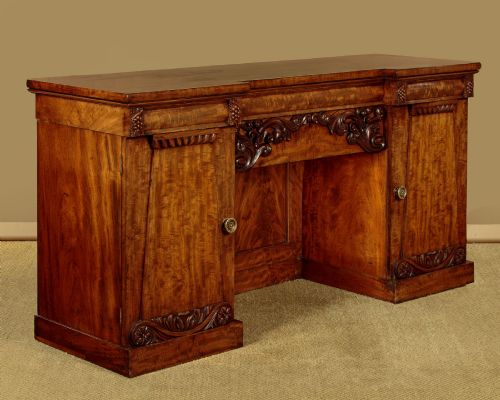
The most common versions on this page are mahogany and oak sideboards or chiffoniers dating from the middle to late nineteenth century. Pieces range from grand carved oak examples with panelled doors to simpler painted pine dresser bases and mahogany side cabinets.
Materials and construction
Carpenters built these servers and cupboards using dense timbers such as mahogany, oak, and pine, frequently selecting figured veneers or solid planks for the main structures. Metal hardware in brass and iron appears on doors and drawers, while decorative elements utilise applied carvings, mouldings, and occasional painted finishes.
Construction techniques rely on traditional joinery for heavy frames, bracket feet, and two-tiered shelving units. Carved details such as lion masks or green man motifs demonstrate the hand of the maker on oak and ebonised surfaces.
Victorian Cupboard Server Retail Price Guide 2026
Typical asking prices for victorian cupboard server among the pieces listed under this phrase on Sellingantiques today, from the lower quarter to the upper quarter. They describe what is for sale here now, not the wider market.
Styles span Jacobean Revival, Gothic Revival, Arts and Crafts, and Rustic Farmhouse forms.
Evaluating quality
Quality rests upon the selection of timber, the depth and crispness of carved details, and the integrity of the original structure. Flame mahogany veneers and heavily carved oak display superior cabinet work compared to utilitarian pine storage pieces.
The presence of original hardware, bracket feet, and uncompromised surface patination separates exceptional examples from ordinary utility pieces. Refined proportions in pedestal sideboards and chiffoniers indicate higher workshop standards.
The Victorian Cupboard Server Glossary
- Chiffonier
- A low sideboard or cabinet with enclosed cupboards below, often featuring a raised shelf or tier on top. This form became popular during the nineteenth century for dining room storage.
- Dresser base
- A lower kitchen or dining sideboard equipped with drawers and cupboards beneath a flat wooden top. These items often originate from country houses and domestic settings.
- Flame mahogany
- A veneer cut from the fork of a mahogany tree to produce a distinctive flickering flame pattern. Cabinet makers utilised this timber on prominent surfaces of nineteenth-century furniture.
- Green Man
- A sculptural architectural ornament depicting a human face entwined with foliage and vines. Carvers frequently applied this motif to nineteenth-century oak furniture.
- Ebonised
- Wood finished with a dark stain or paint to imitate ebony. This treatment appears frequently on nineteenth-century revival and Arts and Crafts pieces.
Victorian Cupboard Server: Frequently Asked Questions
What is a victorian cupboard server used for?
These items serve as dining room sideboards or hallway storage units, providing surface space for serving food and enclosed cupboards for tableware and linens.
Their substantial timber construction allows them to hold heavy items while anchoring the proportions of a traditional room.
Where were these cupboards placed in a home?
Victorian households positioned these servers against dining room walls to assist with meal service and store heavy porcelain or silverware.
Smaller pine or mahogany versions also stood in hallways and parlours to provide general domestic storage.
How do I date a nineteenth-century oak sideboard?
Dating relies on observing stylistic revival movements, such as Gothic, Jacobean, or Renaissance details, alongside construction methods and specific dated examples.
Timber choice and regional carving styles help narrow the decade of production within the nineteenth century.