


Victorian Crystal Flagon
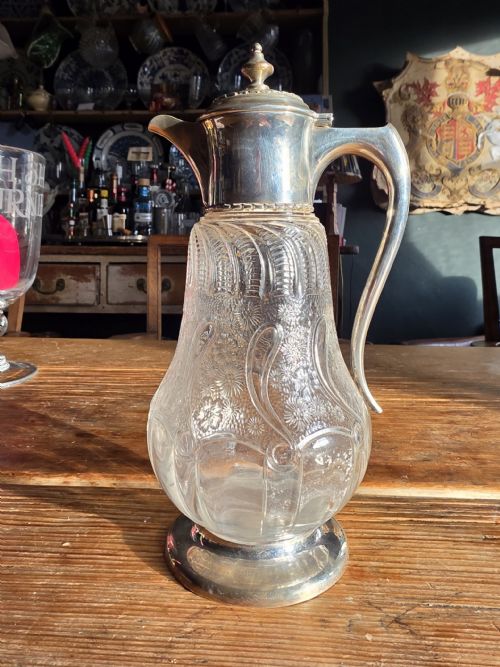
A victorian crystal flagon brings heavy glass and polished metal to the dining table, offering a traditional vessel for serving fine wine.
Victorian Crystal Flagon
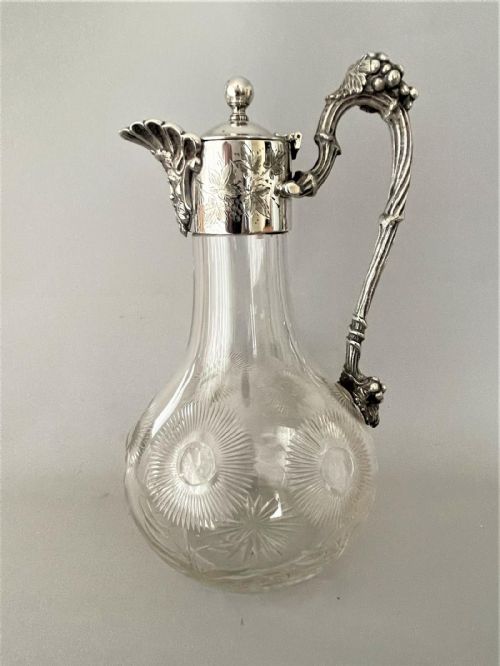
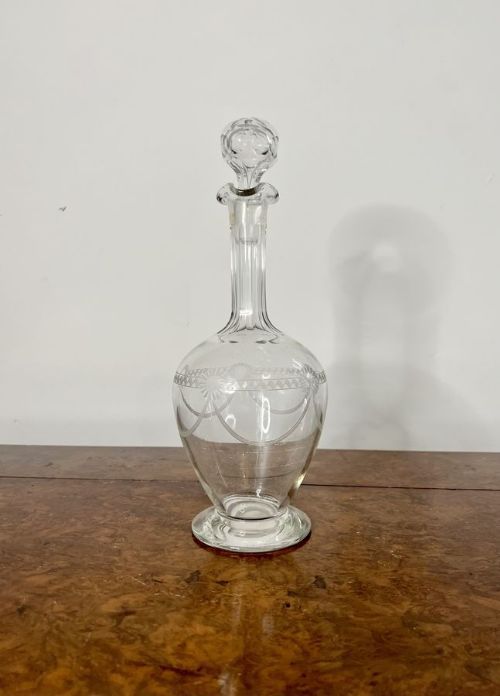
A victorian crystal flagon encompasses vessels designed for serving wine, spanning categories from traditional decanters to claret jugs and ewers. These pieces frequently combine transparent glass bodies with contrasting metal mounts made from silver plate or sterling silver.
The objects originate primarily across the nineteenth century and into the early twentieth century, carrying the stylistic markers of the Victorian and Edwardian eras. Buyers encounter items featuring both plain clear glass and elaborate decorative cutting.
Formations include single vessels alongside matched pairs, offering functional utility for modern dining or traditional display. The primary types appearing in these categories are claret jugs, ewers, and wine decanters fitted with secure stoppers or hinged metal lids.
Materials and manufacture
Makers utilised lead crystal and heavy clear glass, often shaping vessels through deep cutting techniques to refract light across the surface. Certain examples incorporate ruby overlay glass, creating rich colour contrasts against the transparent base.
Metal mounts in sterling silver or silver plate were securely fitted to the glass bodies, frequently incorporating hinged lids, handles, and elaborate spouts. Engraving and wheel-cut decoration further embellished the glass, sometimes featuring specific heraldic motifs or Prince of Wales feathers.
Listings feature items spanning from the eighteen-sixties through the Edwardian period, executed in cut glass, lead crystal, sterling silver, and silver plate.
Assessing quality and craftsmanship
Quality rests upon the crispness of the glass cutting and the weight of the crystal body, where sharper facets and thicker lead content produce superior clarity and resonance. Superior examples display balanced proportions between the glass vessel and the metal mount.
The complexity and execution of the silver or silver-plated mounts influence the standing of a piece, particularly when featuring cast elements such as unusual face spouts or detailed handles. Engraved decoration executed with precision rather than superficial scratching elevates the individual vessel.
William Comyns
The Victorian Crystal Flagon Glossary
- Claret jug
- A specialised pouring vessel designed specifically for serving red wine, typically fitted with a handle and a hinged metal lid. These pieces often combine cut glass bodies with silver-plated or sterling silver mounts.
- Lead crystal
- A type of glass containing metallic oxide that increases weight, brilliance, and refractive index, making it ideal for deep cutting. It forms the heavy, sparkling body of the finest serving vessels.
- Silver plate
- A layer of silver fused to a base metal core, frequently used for the mounts, handles, and spouts of nineteenth-century glassware. This technique provided the appearance of solid silver at a different cost point.
- Ruby overlay
- A manufacturing method where a thin layer of red glass is fused over a clear glass base before being partially cut away to reveal the transparent layer beneath. This technique creates striking contrasting patterns.
- Ewer
- A large jug with a wide spout and a curved handle, traditionally used for holding water or wine at the table. Victorian examples in glass often doubled as decorative serving pieces for dessert wine.
Victorian Crystal Flagon: Frequently Asked Questions
How do I date a glass flagon?
Dating relies on examining the combination of manufacturing techniques, metal hallmarks, and stylistic details such as Victorian rococo revival motifs or Edwardian mounts. The depth of the glass cutting and the presence of registration marks also offer clues.
Makers' marks on the silver mounts provide the most precise indication of the production year, supported by the specific shape of the glass vessel.
Are these vessels safe for holding wine today?
Most antique crystal and glass vessels remain entirely functional for serving wine, provided they are handled with care and washed by hand. The interior can be cleaned gently using appropriate bottle brushes without abrasive chemicals.
Buyers should inspect the interior for staining and ensure any silver-plated mounts are dried thoroughly after washing to preserve the metal.
Why do some pieces feature ruby glass?
Ruby glass overlay was a popular decorative technique in the nineteenth century, created by fusing a layer of red glass over clear crystal. Artisans cut through the red layer to expose the clear glass beneath, forming intricate geometric or floral patterns.
This method added rich colour and visual depth to the serving vessel, making it a prominent display piece on Victorian dining tables.