

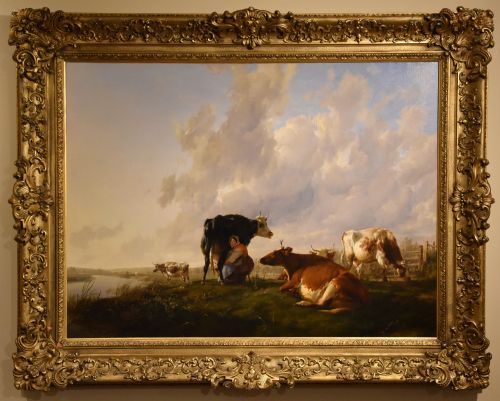
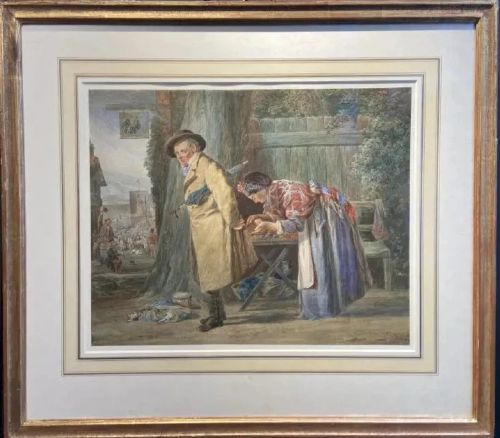
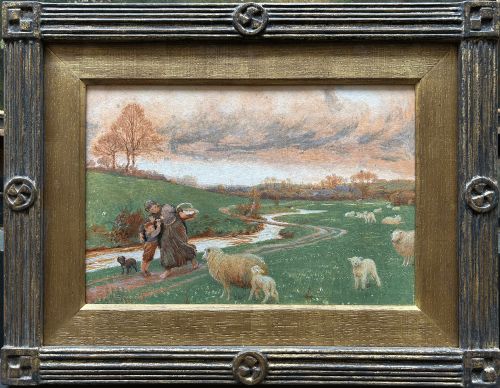
Victorian Country Scene Painting
Victorian country scene painting captures rural life and pastoral landscapes through oil and watercolour, bringing the historic British countryside indoors.
Victorian Country Scene Painting
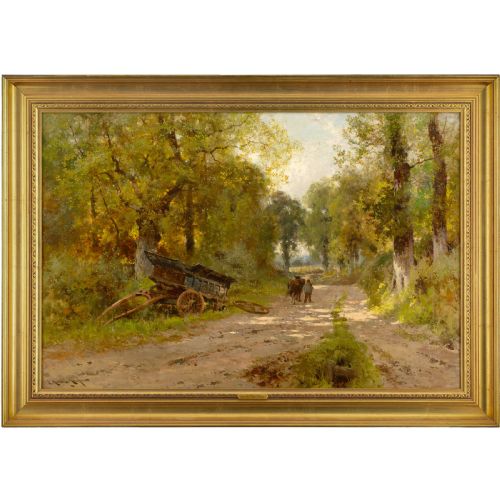
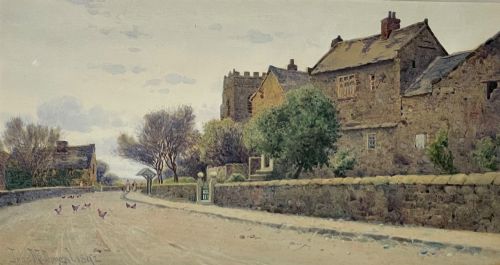
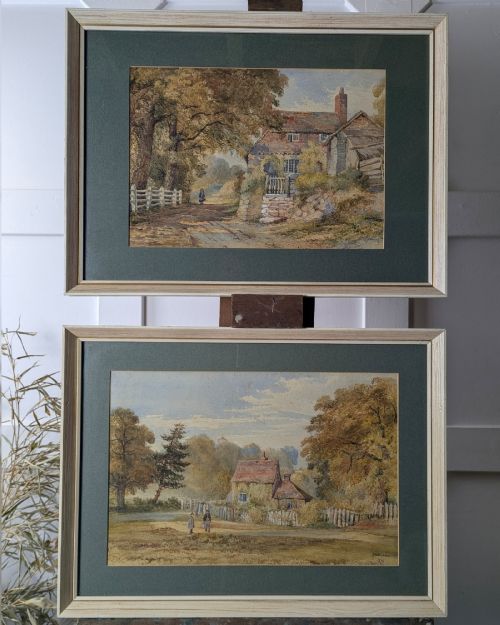
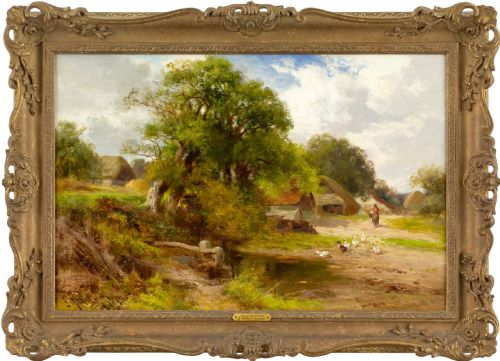
A victorian country scene painting depicts rural life, agricultural work, and pastoral landscapes across the nineteenth century. These artworks reflect the era's fascination with the countryside, featuring cottages, farmyards, rivers, and fields.
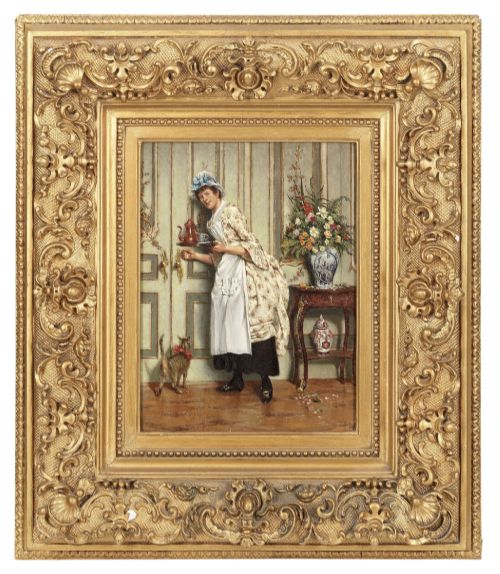
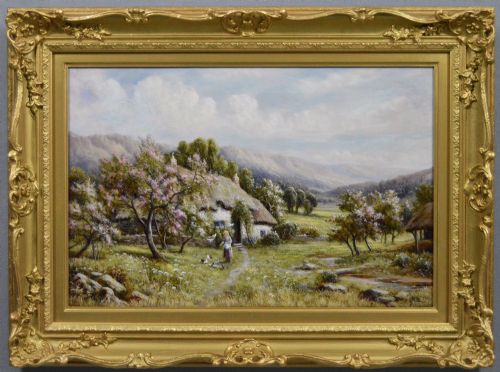
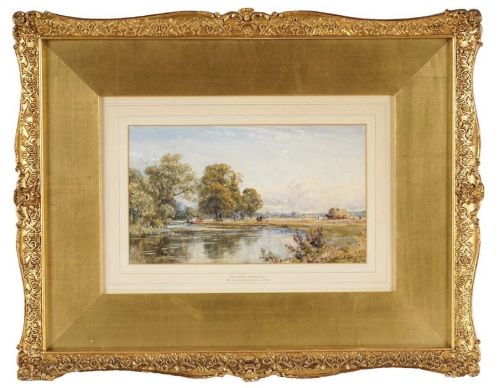
The pieces on this page appear primarily as oil paintings on canvas or panel, alongside watercolours on paper. Framed artwork frequently retains period giltwood and gesso frames that complement the pastoral subject matter.
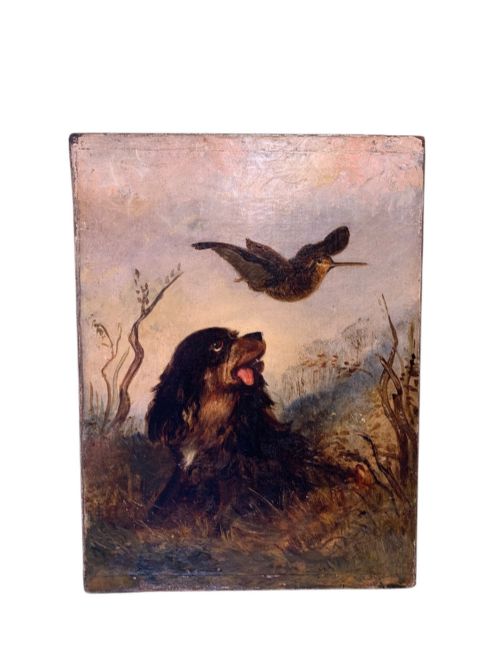
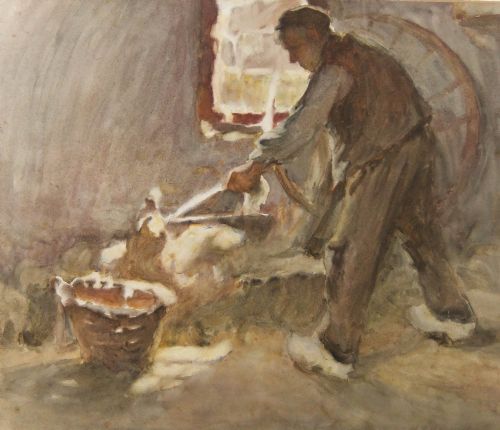
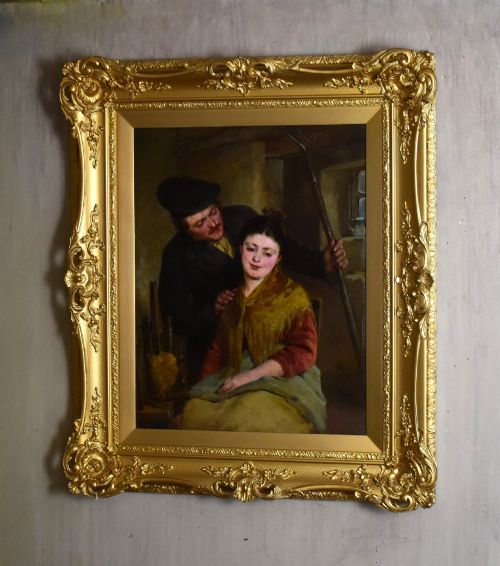
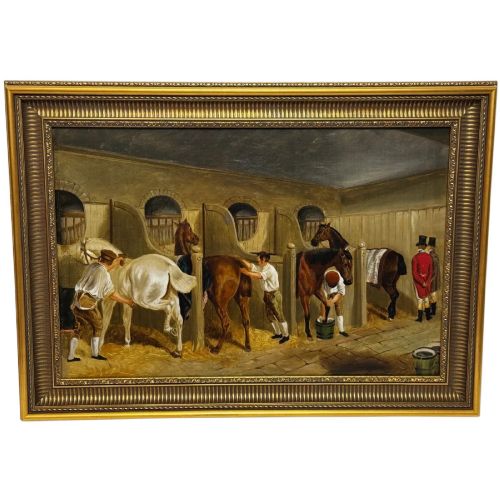
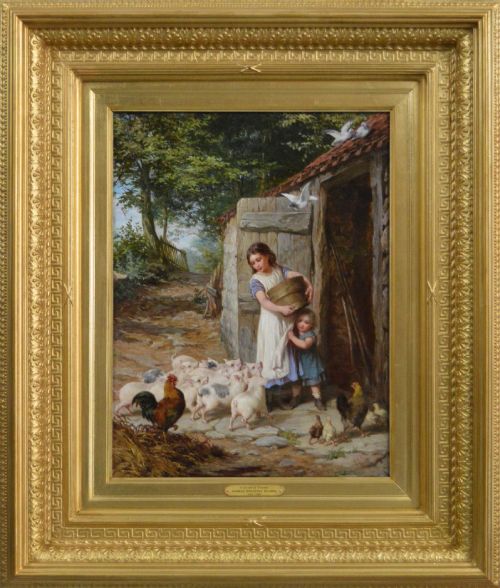
Subjects range from agricultural scenes with livestock and blacksmiths to quiet river landscapes and genre paintings of figures outside cottages. Many works are signed by British and European artists working within Realism and Impressionism.
How They Were Made
Painters utilised oil on canvas, wood, or board to build rich textures and deep colour fields for outdoor scenes. Watercolours on paper offered a lighter medium for capturing translucent light across rivers and rural villages.
Finished works were housed in carved giltwood and gesso frames, often highlighted with gold leaf to catch the light. Canvas supports were stretched over wooden frames, while smaller works relied on stable wooden panels or paper.
The inventory spans the nineteenth and early twentieth centuries, encompassing Victorian Realism, pastoral scenes, and British Impressionism.
What Varies in Quality
Quality rests in the artist's ability to render light, shadow, and natural movement within the landscape or genre scene. Stronger compositions show confident brushwork and anatomical precision in animals and figures.
The survival of original giltwood and gesso framing influences the overall integrity of the piece. Works by recognised exhibitors or listed nineteenth-century artists demonstrate superior draughtsmanship and lasting pigment preservation.
Stephen Samuel Lewin·Thomas Sidney Cooper·John Frederick Herring Jnr·Henry John Yeend King·Edgar Hunt
The Victorian Country Scene Painting Glossary
- Genre Painting
- Depictions of everyday life and ordinary people engaged in common activities. These scenes often focus on rural workers, farmyard animals, or domestic interiors.
- Giltwood
- Wood that has been covered with a thin layer of gold leaf or gold paint. This material is standard for nineteenth-century picture frames.
- Gesso
- A paint mixture consisting of a binder mixed with chalk, gypsum, or pigment. It was applied to wooden frames as a smooth base before gilding.
- Pastoral
- Relating to the countryside, rural life, and agriculture. In art, it describes peaceful landscapes featuring farms, shepherds, and fields.
Victorian Country Scene Painting: Frequently Asked Questions
What subjects appear in these paintings?
The works depict rural life, agricultural labour, and British landscapes. Common subjects include farmyard animals, shepherds with flocks, blacksmiths at work, and cottages by rivers.
Artists also painted pastoral scenes featuring figures walking through woods or resting near streams. These depictions offer a record of nineteenth-century rural existence.
How do I identify the period?
Dating relies on stylistic clues, framing materials, and artist signatures recorded in the nineteenth and early twentieth centuries. Oil on canvas and watercolour were the primary mediums during this era.
Many pieces carry specific dates or reflect Victorian Realism and British Impressionism. Original giltwood frames also point directly to nineteenth-century production methods.
Were these painted outdoors?
Some artists worked directly outdoors to capture natural light and atmospheric conditions in the countryside. Other painters made preliminary sketches in the field before finishing the canvas in a studio.
Watercolours were particularly suited for portable outdoor sketching. Larger oil paintings typically required studio completion based on direct observation.
How should I display them?
These works suit traditional and modern interiors alike, positioned away from direct sunlight to protect pigments and paper. Hanging them at eye level allows the detail of the brushwork and the depth of the landscape to be appreciated.
Keeping paintings away from damp walls and extreme temperature fluctuations preserves both the canvas and the original giltwood frame.