

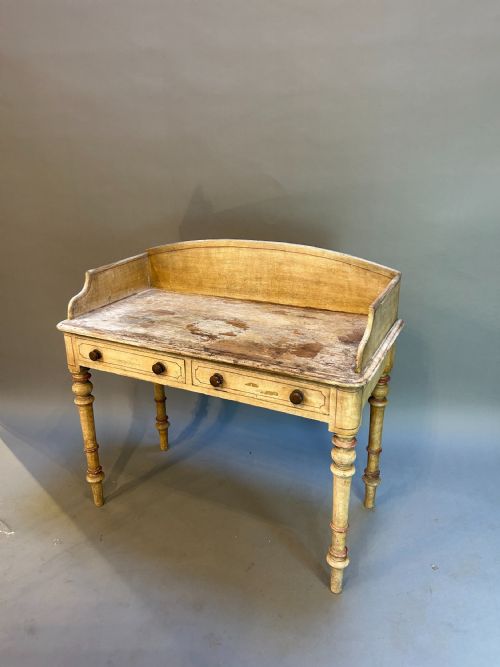
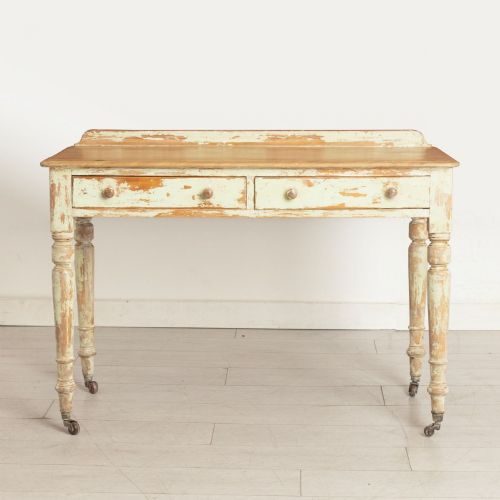
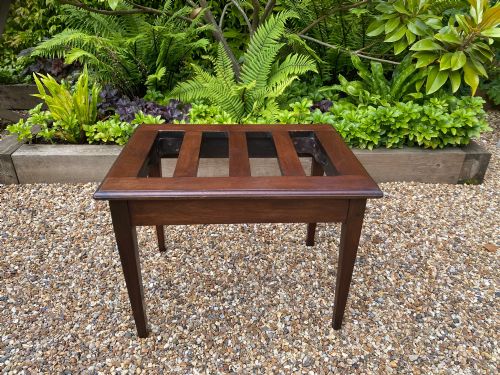
Victorian Country House Table
A victorian country house table brings everyday utility and solid timber character to a room, ranging from scrubbed pine kitchen boards to formal oak dining pieces.
Victorian Country House Table
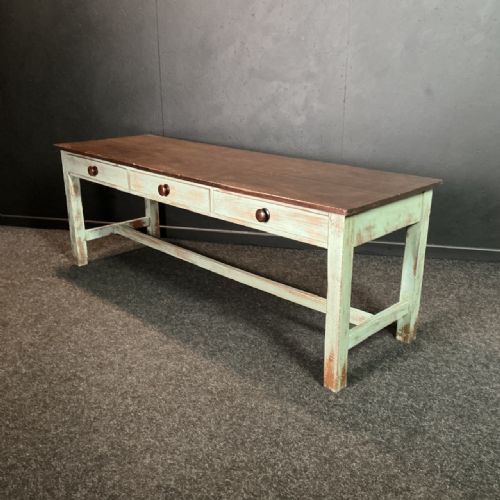
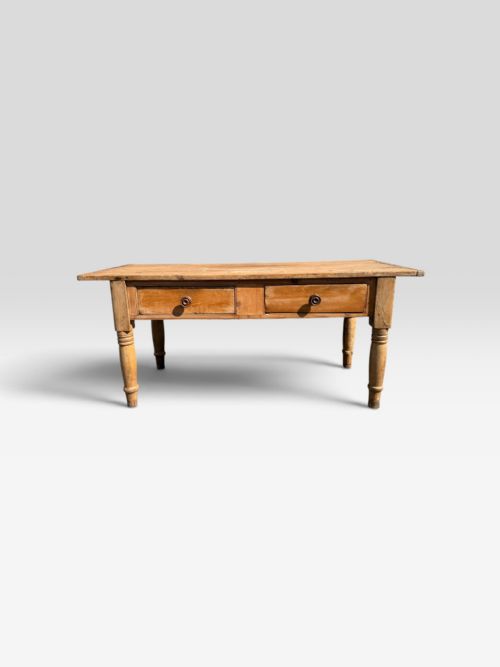
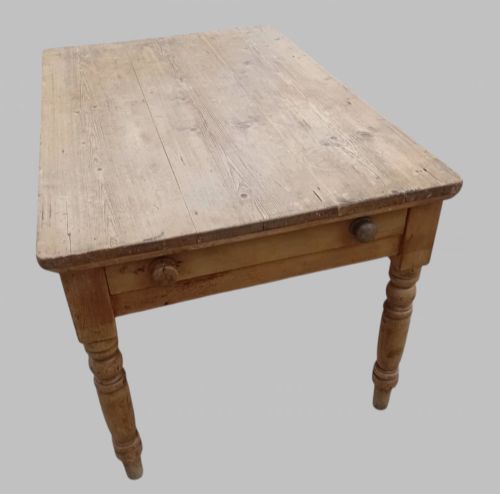
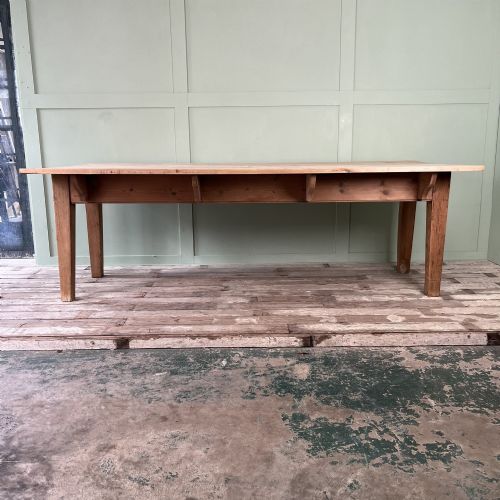
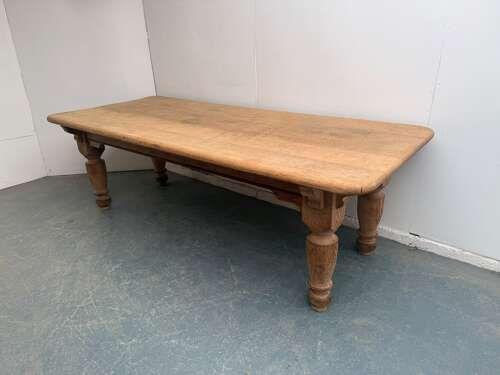
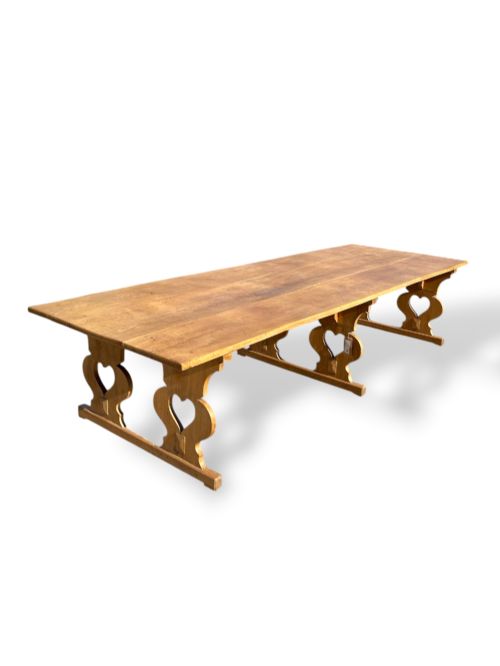
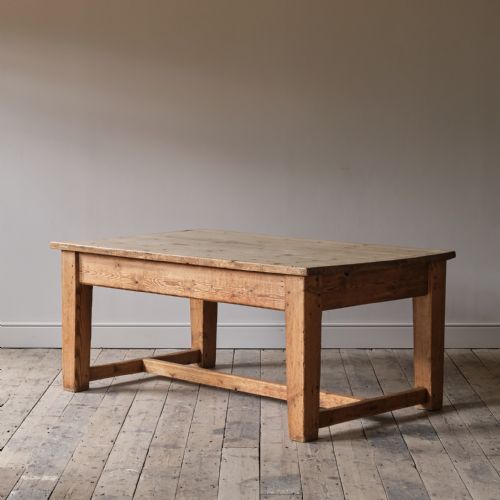
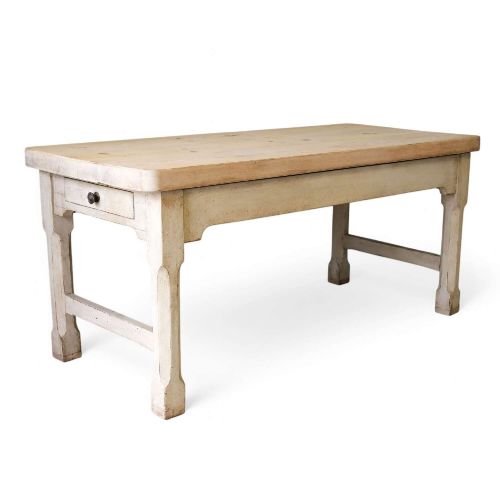
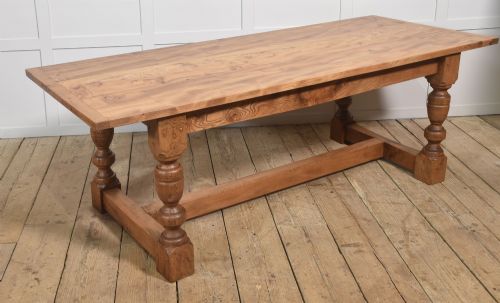
A victorian country house table encompasses a diverse group of heavy wooden furniture built for large estates, working kitchens, and formal reception rooms. Buyers encounter everything from massive pine farmhouse boards and oak prep tables to walnut extending dining pieces and rosewood centre tables.
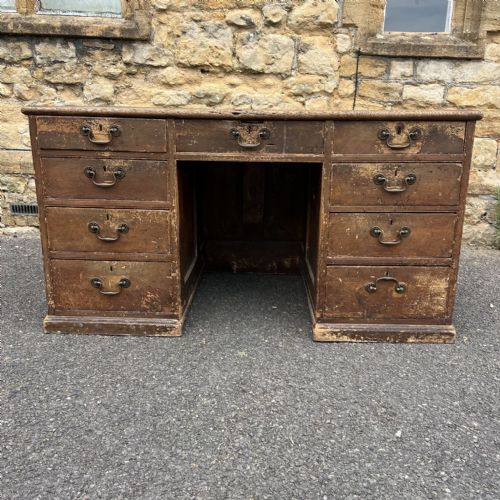
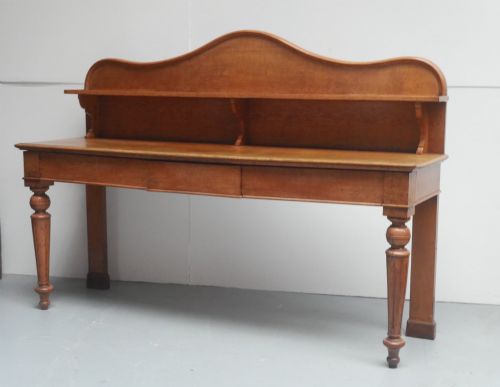
The selection reflects the varied daily life of a large residence, incorporating side tables, writing desks, and serving pieces alongside primary dining boards. Pine and oak dominate the utilitarian kitchen and estate versions, while mahogany and walnut appear in more formal settings.
How they were made
Constructed predominantly from solid timber such as pine, oak, elm, and mahogany, these tables rely on traditional joinery like mortise and tenon frames to withstand heavy daily use. Many working surfaces retain their original scrubbed finish, while others show traces of early paint or wax applications.
Secondary materials like brass fixtures and leather inserts appear on specialised desks and serving pieces. Workshop construction prioritised structural longevity, resulting in thick plank tops and robust stretcher bases designed for decades of service.
Listings feature woods including pine, oak, mahogany, birch, yew, and rosewood across the nineteenth century.
What varies in quality
The distinction between standard utility items and superior examples lies in the selection of timber and the complexity of the design. Figured oak, pollard oak, and intricate marquetry inlay elevate certain centre and entry hall tables far above basic pine kitchen boards.
Proportion and original untouched surfaces also determine standing, with untouched paint or genuine period extensions commanding higher regard. Finer examples display superior timber seasoning and cabinet-making execution that survive centuries of hard service.
Egan Workshop
The Victorian Country House Table Glossary
- Refectory table
- A long, narrow dining table traditionally used in communal halls and characterised by solid legs joined by a continuous floor stretcher.
- Prep table
- A heavy utilitarian working table, typically featuring scrubbed softwood tops and drawers, utilised historically for food preparation in large country kitchens.
- Centre table
- A freestanding round or occasional table designed to stand in the middle of a large entrance hall or principal reception room.
- Wind out extending table
- A dining table mechanism utilising a metal screw rod operated by a handle to part the leaves and insert central extension boards.
- Cricket table
- A small, lightweight occasional table featuring three splayed legs and a round top, originally designed for stability on uneven floors.
- Marquetry
- The art of applying decorative pieces of veneer to a structure to form intricate geometric or pictorial designs.
Victorian Country House Table: Frequently Asked Questions
What defines a country house table?
These tables are robust wooden furnishings built for large nineteenth century estates, ranging from scrubbed pine kitchen boards to formal mahogany dining pieces.
They reflect the dual nature of estate life, serving both the heavy labour of the domestic kitchens and the formal hospitality of the dining room.
How do I choose the right size?
Consider the scale of your room and whether you require an extending mechanism for larger gatherings. Many pine and oak examples are built for sizeable spaces and accommodate numerous seats.
Measure your clearance carefully around the base, as stretcher frames and X-frame designs affect how chairs tuck beneath the top.
Are these tables suitable for daily use?
Built from solid timbers like oak, elm, and pine, these pieces were originally constructed to withstand rigorous daily activity and heavy estate management.
Living with them requires simple maintenance, such as using wax polish to nourish dry wood and protecting scrubbed surfaces from excessive moisture.
How can I tell the period?
Dating relies on timber selection, tool marks, and construction methods, with nineteenth century examples showing distinct vernacular joinery and regional variations.
Examining the underside for hand-sawn boards, original metal fixings, and surface wear patterns helps distinguish genuine period pieces from later reproductions.