
Victorian Country House Painting
These Victorian country house painting works capture domestic and sporting life through oils, pastels and watercolours from the nineteenth century.
Victorian Country House Painting
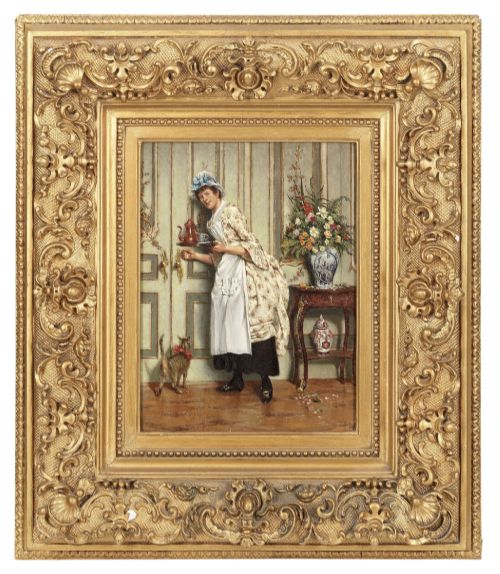
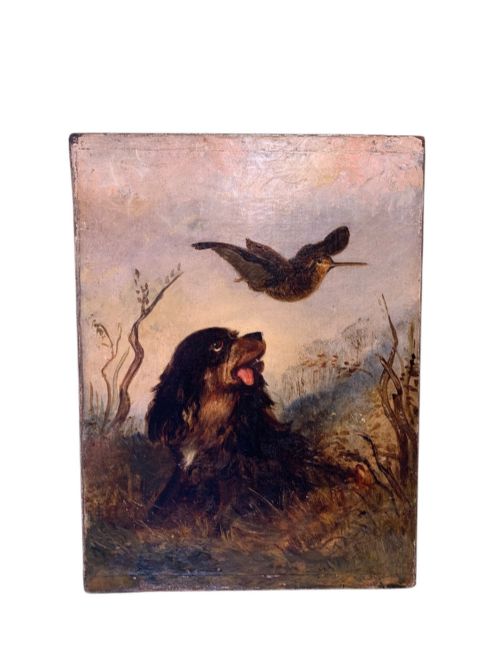
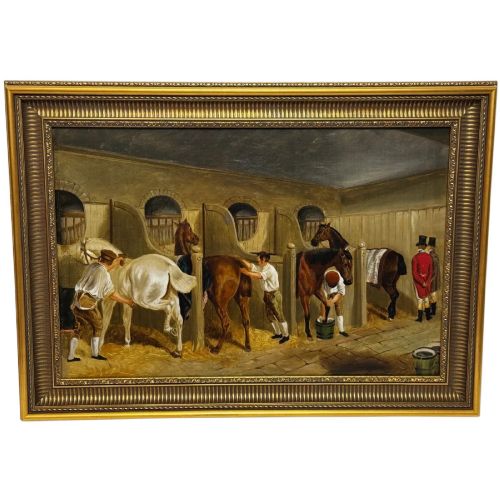
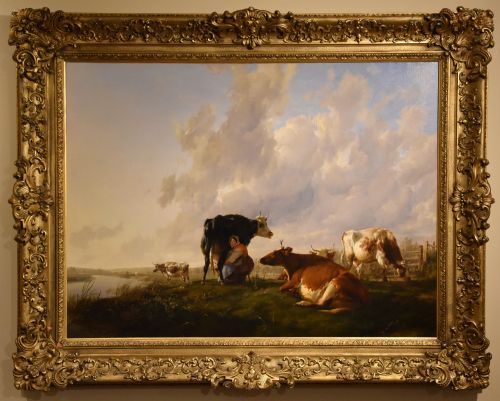
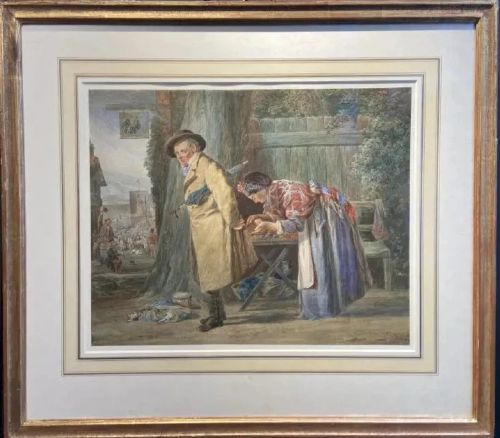
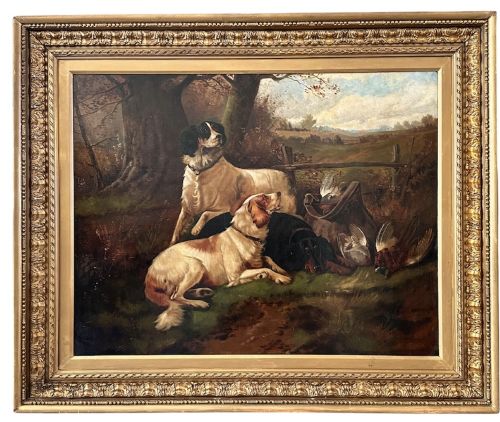
A Victorian country house painting depicts rural subjects, estates, interiors, and sporting animals associated with nineteenth-century life. Buyers searching this phrase look for works recording domestic scenes, livestock, dogs, horses, and landscapes.
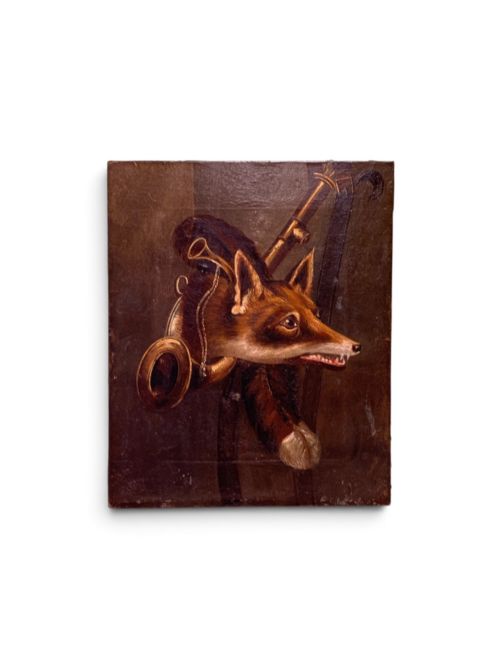
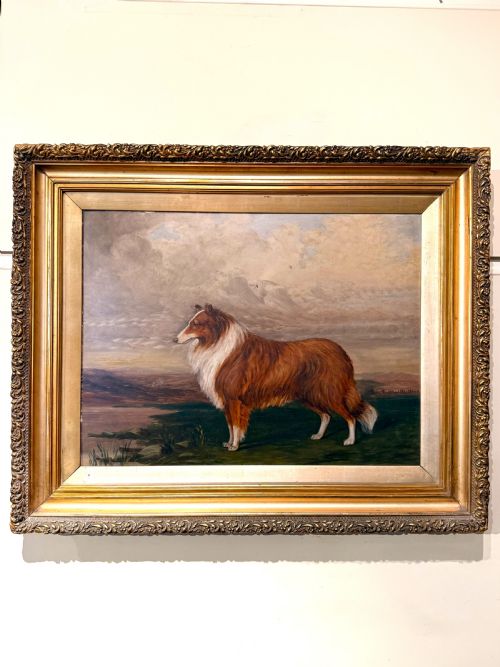
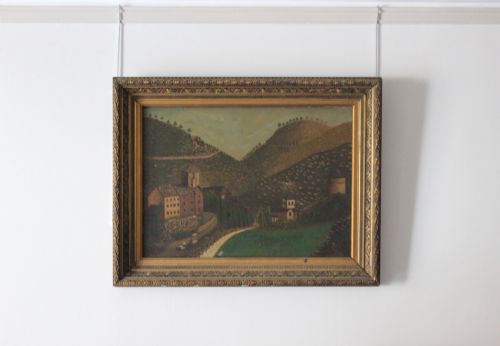
The selections range from formal oil on canvas portraits of racehorses and cattle to primitive studies and interior genre scenes. Works span periods from the Victorian era into the early twentieth century, reflecting the tastes of country estates.
Canvases, boards, and paper form the primary supports, often retained in period gilt or wood frames. Many pieces connect directly to English country house collections and rural traditions.
Materials and technique
Artists relied primarily on oil paint applied to canvas or board, utilising rich pigments to build deep shadows and luminous subjects. Watercolours and pastels also appear on paper supports for landscapes and animal portraits.
Pine, oak, and birch frames support many pieces, sometimes retaining original gilt finishes or later decorative painted surfaces. The physical composition combines traditional stretching and framing methods typical of nineteenth-century workshops.
Dogs and horses dominate the canvas count, proving that Victorian households loved their pets more than their furniture.
Distinctions in quality
Anatomical accuracy in animal and human figures separates accomplished academic works from simpler primitive pieces. Handled oils by recorded artists demonstrate superior brushwork and compositional depth compared to anonymous studio output.
Original frames and untouched surfaces preserve the historical integrity of a piece. Condition of the pigment layer, stability of the canvas support, and depth of provenance influence the standing of each work.
Stephen Samuel Lewin·Thomas Sidney Cooper·Joseph H Barnes·John Sargent Noble·Johann Friedrich Voltz·C R Breytle·John Alfred Wheeler·John Frederick Herring Snr·Joseph Knight·F.A. Clark·A M Gauci
The Victorian Country House Painting Glossary
- Oil on canvas
- Pigments bound in a drying oil applied to a woven fabric stretched across a wooden frame. This method allows for subtle blending and rich texture.
- Pastel
- A dry medium of powdered pigment and a binder rolled into sticks for drawing. It creates a soft, matte finish on paper.
- Gouache
- An opaque water-based paint mixed with a white pigment to give a solid, flat colour. It provides sharp detail in works on paper.
- Primitive painting
- Folk art produced outside academic traditions. These pieces prioritise direct expression over perspective and proportion.
- Provenance
- The documented history of ownership of an artwork. It establishes authenticity and traces the item back to its origin.
Victorian Country House Painting: Frequently Asked Questions
What subjects appear in these paintings?
Subjects include portraits of racehorses, cattle, farm animals, gun dogs, and domestic interior scenes. Landscapes and still life compositions also recur.
Rural estates and sporting traditions provide the primary backdrop for these nineteenth-century works.
How do I date a painting?
Examine the canvas preparation, stretcher frames, and framing materials for period characteristics. Signatures, inscriptions, and artist records provide specific dates.
Stylistic conventions and costume details in portraiture offer further clues to the decade of creation.
Where should I hang them?
These works suit dining rooms, libraries, and hallways with traditional interior schemes. Hang them away from direct sunlight to protect oil pigments and paper supports.
Pairing them with period furniture creates a cohesive country house aesthetic.
Are frames original?
Many paintings retain period gilt or wood frames matching their nineteenth-century origins. Some pieces feature later framing chosen during subsequent ownership.
Inspect the joinery and finish of the moulding to determine its age relative to the canvas.